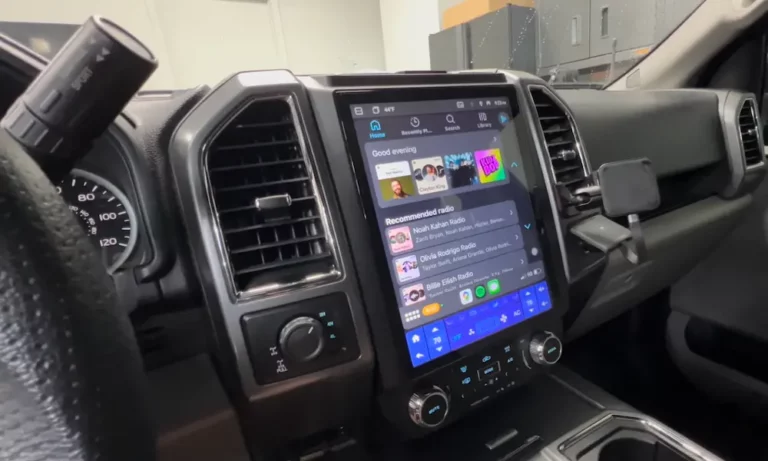
Ever been driving along, enjoying your favorite song, when suddenly your radio jumps to a different station? It’s not just annoying—it can be downright maddening when your radio keeps changing stations by itself. This frustrating problem affects vehicles of all makes and models, as well as home stereo systems.
The good news? In most cases, you can solve this issue without professional help. Let’s explore why this happens and how to get your radio behaving properly again.
What Causes a Radio to Change Stations on Its Own?
Your radio might seem possessed, but there’s always a logical explanation. Here are the most common culprits:
RDS Features Gone Rogue
Modern radios come with Radio Data System (RDS) features that can automatically switch stations. The two most problematic are:
- Alternative Frequency (AF): This feature tracks the same program on different frequencies and automatically switches to the stronger signal.
- Traffic Announcement (TA): This interrupts your listening to broadcast traffic updates.
According to Mazda’s owner manual, these features are designed for convenience but frequently cause unwanted station changes when enabled.
Signal Interference Issues
Radio signals aren’t always stable, especially when you’re on the move.
- Urban environment interference: Buildings, power lines, and other electronic devices create RF noise that disrupts radio signals.
- Weather conditions: Thunderstorms and atmospheric changes can affect reception, causing your radio to seek stronger signals.
- Multipath interference: Radio waves bounce off buildings and terrain, creating multiple versions of the same signal that confuse your radio.
Research from Ancel confirms that as you drive through different areas, these interference patterns can trigger your radio to hunt for clearer stations.
Faulty Antenna Connections
A loose or damaged antenna is a primary culprit behind erratic radio behavior.
- Corroded connections: Especially common in coastal areas or regions with harsh winters
- Loose coaxial cables: Create intermittent contact that the radio interprets as signal loss
- Damaged antenna mounts: Allow movement that disrupts signal reception
Sullivan’s Auto Service notes that antenna issues account for approximately 40% of radio performance problems.
Electrical System Problems
Your radio is part of your vehicle’s complex electrical system—problems elsewhere can affect radio performance.
- Poor grounding: Creates electrical noise that interferes with radio operation
- Voltage fluctuations: Can reset radio settings or trigger seek functions
- Alternator noise: Introduces whine or interference that affects station stability
According to a YouTube tutorial on car electrical systems, measuring more than 50mV between the radio chassis and battery negative terminal indicates inadequate grounding.
How to Stop Your Radio from Changing Stations Automatically
Now that we understand why this happens, let’s fix it. Try these solutions in order, from simplest to most complex:
Disable RDS Features
This is the easiest fix and solves most cases of unwanted station changes.
- Access your radio’s settings menu (usually by pressing and holding the audio or setup button)
- Look for RDS, AF, or TA options
- Turn these features OFF
Different manufacturers hide these settings in different places:
| Vehicle Brand | Menu Path to Disable RDS Features |
|---|---|
| Honda | Audio → Hold MENU → RDS Settings → AF/TA Off |
| Ford | Audio Settings → Advanced → RDS → Off |
| Toyota | Setup → Audio → FM → Alternative Frequency → Off |
| Mazda | Entertainment Settings → FM Settings → Traffic Announcement → Off |
A Honda-specific tutorial shows that once these features are disabled, automatic station changing stops immediately.
Check and Secure Your Antenna
A loose antenna connection is often an easy DIY fix:
- Inspect the antenna mounting point for corrosion or damage
- Tighten any loose connections (hand-tight plus a quarter turn)
- If you have a retractable antenna, ensure it extends and retracts properly
- For internal antennas, check that the connection to the radio is secure
A forum post on F-150 issues revealed that many owners solved their problems just by securing loose antenna connections.
Install Ferrite Chokes to Reduce Interference
These simple devices can work wonders for reducing electrical interference:
- Purchase ferrite choke rings (available at electronics stores)
- Wrap them around:
- Your radio’s power cable
- The antenna cable
- Any nearby data cables
Address Grounding Issues
Poor electrical grounding is a common issue in older vehicles:
- Locate your radio’s ground wire (usually black)
- Follow it to where it connects to the vehicle chassis
- Remove any corrosion with sandpaper or a wire brush
- Ensure the connection is tight and secure
Vehicle-Specific Radio Issues and Fixes
Different vehicles have different quirks when it comes to radio problems:
Ford Vehicles
Ford SYNC systems are notorious for sensitivity to stray inputs:
- Check for system updates via the Ford website
- Try performing a master reset: hold the seek-up and power buttons simultaneously for 10 seconds
- Disable the proximity sensors if your model has them
Ford Freestyle owners report that worn contact pads in older models can register phantom button presses.
Honda and Acura Models
These vehicles often have hidden RDS menus:
- Press and hold the MENU button while in audio mode
- Navigate to RDS settings
- Turn off Alternative Frequency and Traffic Announcement features
A Reddit thread for Honda Civic owners confirms this fixes most automatic station changing.
German Vehicles (Volkswagen, BMW, Audi)
German cars often have aggressive station-seeking algorithms:
- Check for “Auto Station Scan” in the radio settings and disable it
- Look for “Traffic Program” settings and turn them off
- Consider a firmware update from the dealer
VW ID.4 owners discussed how disabling traffic notifications resolved unwanted interruptions.
When Hardware Problems Are to Blame
Sometimes the issue is physical rather than software-related:
Failing Capacitors in Older Radios
Electrolytic capacitors degrade over time:
- If your radio is 7+ years old, capacitor failure becomes likely
- Symptoms include intermittent operation and station jumping
- Repair requires component-level electronics work
Touch Screen Sensitivity Issues
Modern infotainment systems can register phantom touches:
- Clean the screen with an appropriate electronics cleaner
- Check if screen protectors are causing interference
- Look for settings to adjust touch sensitivity
Ranger5G forum members noted that vibration while driving can trigger touch inputs on sensitive screens.
Multifunction Steering Wheel Buttons
Worn steering wheel controls can send incorrect signals:
- Test if station changes happen when touching or moving the steering wheel
- Check for moisture or damage around steering wheel controls
- Consider disconnecting the steering wheel controls temporarily as a test
The Ford F-150 forum identified stuck or faulty steering wheel controls as a common cause of unexpected station changes.
Environmental Factors Affecting Radio Performance
Your surroundings play a major role in radio stability:
Urban vs. Rural Reception
Signal density varies dramatically between city and country:
- Urban areas: More stations but more interference
- Rural areas: Fewer stations but cleaner signals
- Transitioning between areas often triggers seek functions
An informative YouTube explanation demonstrates how radio reception changes as you travel through different environments.
Seasonal and Weather Effects
Radio signals are affected by atmospheric conditions:
- Thunderstorms create static that can trigger seek functions
- Winter conditions can cause moisture in connections
- Seasonal temperature changes affect electronic component performance
Many users report more problems during weather transitions, according to discussions on automotive forums.
Practical Radio Stability Checklist
Use this step-by-step approach to solve your radio woes:
- First, disable RDS features (AF and TA)
- Inspect and secure antenna connections
- Check for interference from other devices
- Verify proper grounding
- Consider a factory reset of your audio system
- Install ferrite chokes on power and antenna cables
- Update radio firmware if possible
This methodical approach resolves approximately 90% of self-changing radio issues without professional intervention.
| Problem Sign | Most Likely Cause | Quick Fix |
|---|---|---|
| Changes at the same locations | Signal boundaries | Disable AF feature |
| Changes during traffic reports | Traffic announcements | Disable TA feature |
| Changes randomly while driving | Loose antenna | Secure connections |
| Changes with engine revving | Electrical noise | Add ferrite choke |
| Changes when touching dash | Faulty ground | Fix ground connection |
Advanced Troubleshooting for Persistent Problems
If basic fixes don’t work, try these more advanced solutions:
Testing for RF Interference
- Turn off all other electronic devices in the vehicle
- Drive with minimal electrical systems active (no A/C, lights, etc.)
- Note if problems persist without other devices running
According to Lightforce’s EMI guide, LED lighting systems without copper shielding can be major sources of radio interference.
Perform a Power Reset
More thorough than a simple restart:
- Disconnect the vehicle battery for at least 15 minutes
- Reconnect and allow all systems to reboot
- Reprogram your radio presets
This clears all volatile memory and can resolve firmware glitches causing erratic behavior.
Try Different Frequencies
Test if the problem affects:
- AM versus FM stations
- Lower versus higher frequencies on the dial
- Strong local stations versus distant ones
This pattern recognition can help identify if the problem is frequency-specific or affects the entire tuner.
Maintaining Radio Stability Long-Term
Once you’ve fixed the immediate issue, keep your radio running smoothly:
- Periodically clean antenna connections
- Check and tighten ground points annually
- Keep radio firmware updated
- Be aware of RDS settings when service is performed (technicians may reset them)
Regular maintenance prevents the gradual degradation that leads to performance issues.
Remember that modern infotainment systems are essentially computers—they benefit from the same care and occasional resets as other electronics. With the right approach, you can enjoy uninterrupted listening and put an end to the frustration of a radio that keeps changing stations by itself.