You’re staring at the pump, wallet in hand, wondering if that cheaper 7-Eleven gas will wreck your engine. It’s a question that’s crossed every driver’s mind at some point. Here’s the deal: the answer depends entirely on what brand is actually on that pump. Stick with me—I’ll break down exactly what you’re getting when you fuel up at 7-Eleven and whether it’s worth the risk.
The 7-Eleven Fuel Quality Puzzle
Here’s where things get confusing: is 711 gas good isn’t a simple yes or no question.
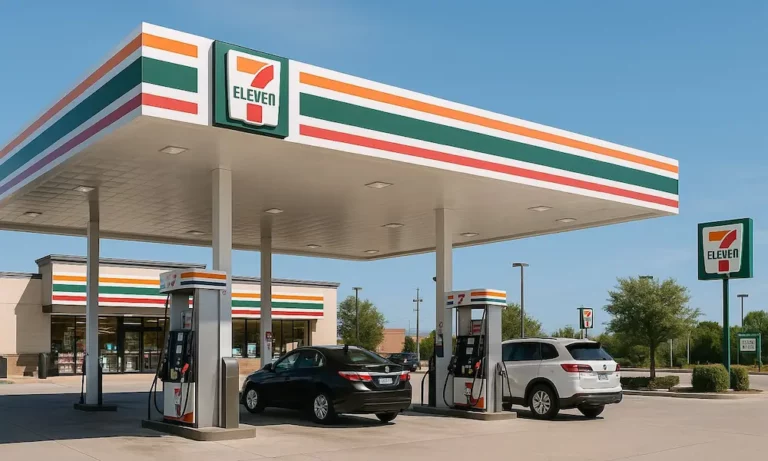
7-Eleven doesn’t sell just one type of gas. They operate two completely different fuel models, and the quality gap between them is massive.
If you’re pumping from a pump labeled “7-Eleven” or “Speedway,” you’re getting fuel that meets the bare minimum EPA requirements—nothing more. Neither brand appears on the TOP TIER™ certified retailers list, which is the automotive industry’s gold standard for fuel quality.
But here’s the twist: many 7-Eleven locations partner with major brands like Exxon, Mobil, Chevron, and Sunoco. These co-branded stations sell the good stuff—high-quality, TOP TIER™ certified fuel with superior detergent packages.
The store name doesn’t tell you what’s in your tank. The brand on the pump does.
What Actually Makes Gasoline “Good”?
Let’s clear up the biggest myth first: all gas isn’t the same.
Sure, the base fuel starts at the same refineries and travels through shared pipelines. But the magic happens at the terminal when your gas gets loaded onto the delivery truck.
That’s when the additive package gets injected. This cocktail of chemicals—detergents, corrosion inhibitors, antioxidants—is what separates premium fuel from bottom-shelf stuff. The brand determines which additives go in and how much.
Shell’s V-Power, Exxon’s Synergy, and other premium brands use proprietary formulas with detergent concentrations five to seven times higher than generic “unbranded” gas.
7-Eleven and Speedway branded fuels? They use the cheapest third-party additive package dosed at the EPA’s “Lowest Allowed Concentration” (LAC). It’s legal, but it’s bare-bones.
The EPA Minimum vs. What Your Engine Actually Needs
The EPA mandates a minimum detergent level in all gasoline. This regulation creates a safety net—but it’s a low one.
Speedway openly admits their fuel “is compliant with all local, state, and federal regulations.” That’s corporate-speak for “we do the minimum required by law.”
The problem? Eight major automakers—including BMW, Honda, Toyota, and GM—got together in 2004 and said, “That EPA minimum isn’t good enough for our engines.”
They created the TOP TIER™ standard, which requires significantly higher detergent levels across all octane grades.
The 19x Deposit Problem That’ll Cost You
Here’s where things get expensive.
AAA commissioned independent lab testing that simulated 4,000 miles of driving. The results were jaw-dropping:
Non-TOP TIER fuels (like 7-Eleven branded gas) created 19 times more engine deposits than TOP TIER brands. We’re talking 660 milligrams of crud on each intake valve versus just 34 milligrams with the good stuff.
Those deposits aren’t harmless. They cause:
- 2% to 4% worse fuel economy
- Rough idling and hesitation
- Increased emissions
- Long-term engine damage
Even Consumer Reports recommends drivers stick with TOP TIER gasoline exclusively.
Your Modern Engine’s Worst Nightmare
If you’re driving anything built after 2010, you probably have a Gasoline Direct Injection (GDI) engine. These are incredibly efficient—and incredibly vulnerable to cheap gas.
In older engines, fuel sprayed onto the intake valves and washed them clean. In GDI engines, fuel injects straight into the cylinder. Your intake valves never see gasoline.
This creates a catastrophic two-part problem with non-TOP TIER fuel:
Problem 1: Oil vapors bake onto your intake valves with nothing to wash them off. This creates catastrophic carbon buildup that chokes airflow.
Problem 2: The weak detergent package can’t keep your high-precision injectors clean, leading to poor fuel atomization and power loss.
The fix? A manual “walnut blasting” service that’ll run you $1,500 to $3,000.
Breaking Down 7-Eleven’s Confusing Fuel Lineup
Let’s make this crystal clear with what you’ll actually see at the pump.
7-Eleven Branded Pumps: Skip It
When the pump says “7-Eleven,” you’re getting fuel from their subsidiary, SEI Fuels. Check out their website—it’s all about delivery logistics and dealer contracts. Zero mention of engine-cleaning technology or superior additives.
That silence speaks volumes. This is commodity fuel with minimum additives.
Verdict: Not recommended.
Speedway Branded Pumps: Also a No
After 7-Eleven acquired Speedway in 2021, they inherited 3,800 stations with the same low-detergent approach.
Speedway’s own website states: “At this time, Speedway does not offer Top Tier fuel.”
They hide behind regulatory compliance, but they’re openly admitting they only meet the minimum standard that AAA proved is inadequate.
Verdict: Not recommended.
Co-Branded Stations: Now We’re Talking
Here’s where is 711 gas good gets a definite “yes”—if you’re at the right pump.
Many 7-Eleven locations partner with major fuel suppliers including:
- Exxon and Mobil (with Synergy additives)
- Chevron (with Techron additives)
- Sunoco (with UltraTech additives)
- Marathon, CITGO, and Conoco
All of these brands are TOP TIER™ certified. When you pump from these branded stations at a 7-Eleven location, you’re getting the same high-quality fuel you’d get at a standalone Exxon or Chevron.
Verdict: Recommended.
Your Quick-Reference Fuel Quality Guide
Here’s your cheat sheet for identifying what you’re actually buying:
| What’s On The Pump | TOP TIER Status | What You’re Getting | Should You Buy It? |
|---|---|---|---|
| 7-Eleven (generic) | No | EPA minimum only | Avoid |
| Speedway | No | EPA minimum only | Avoid |
| Exxon (at 7-Eleven) | Yes | Synergy high-detergent | Yes |
| Mobil (at 7-Eleven) | Yes | Synergy high-detergent | Yes |
| Chevron (at 7-Eleven) | Yes | Techron high-detergent | Yes |
| Sunoco (at 7-Eleven) | Yes | UltraTech high-detergent | Yes |
| Marathon (at 7-Eleven) | Yes | High-detergent formula | Yes |
| CITGO (at 7-Eleven) | Yes | High-detergent formula | Yes |
The Real Cost of “Saving Money”
7-Eleven branded gas is usually cheaper. But here’s the math that’ll change your mind.
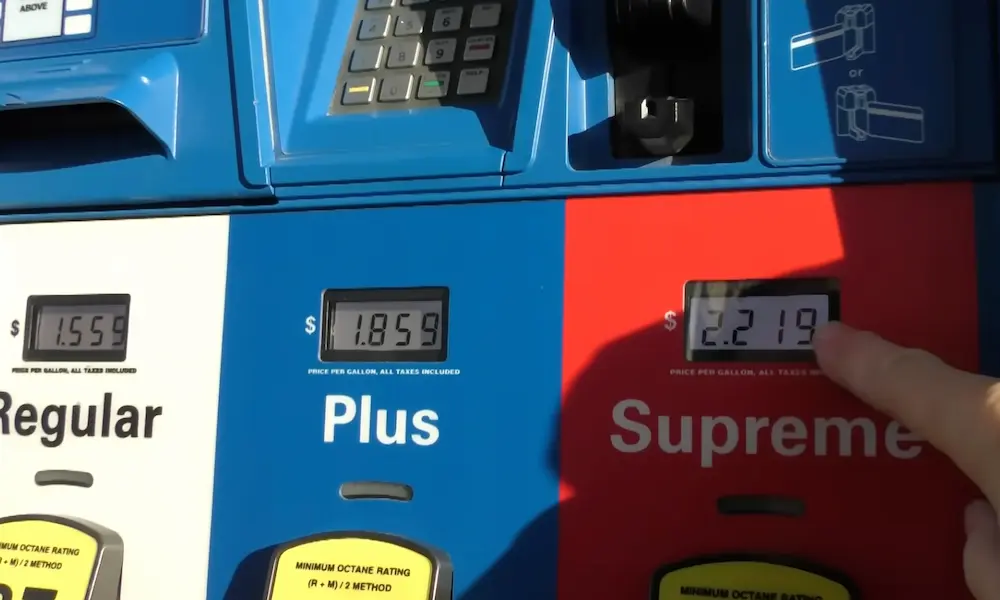
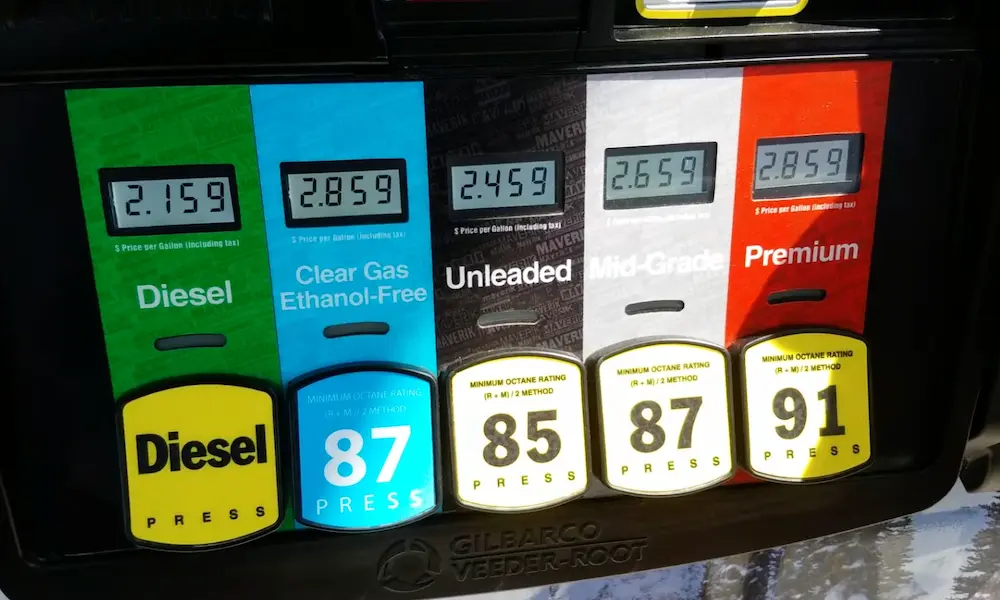
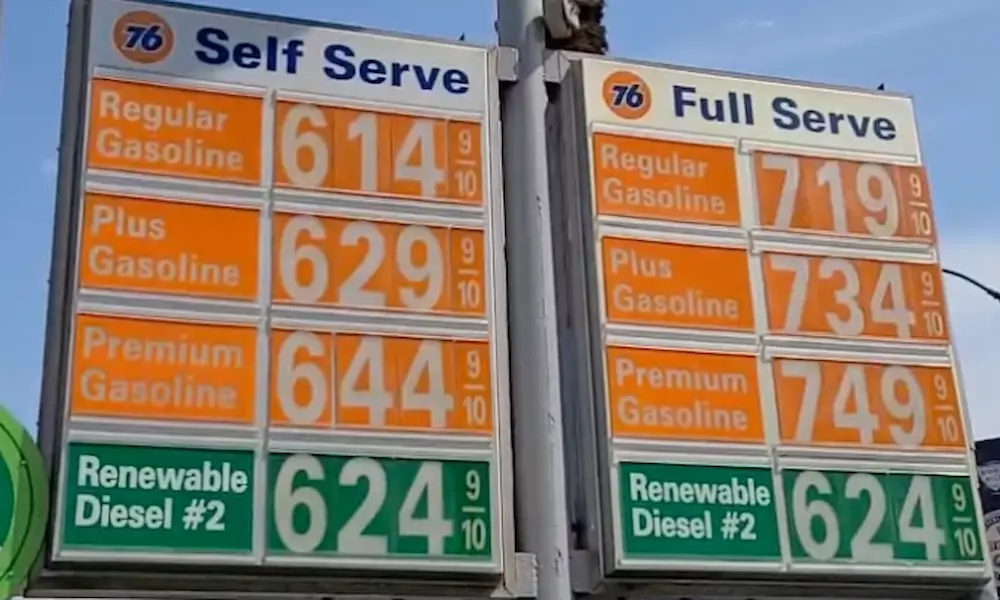
AAA found the average price difference between TOP TIER and non-TOP TIER gas is just 3 cents per gallon. On a 15-gallon fill-up, you’re saving 45 cents.
Forty-five cents.
Now factor in that $1,500 carbon cleaning service your GDI engine will eventually need. You’d have to fill up 3,333 times without incident just to break even.
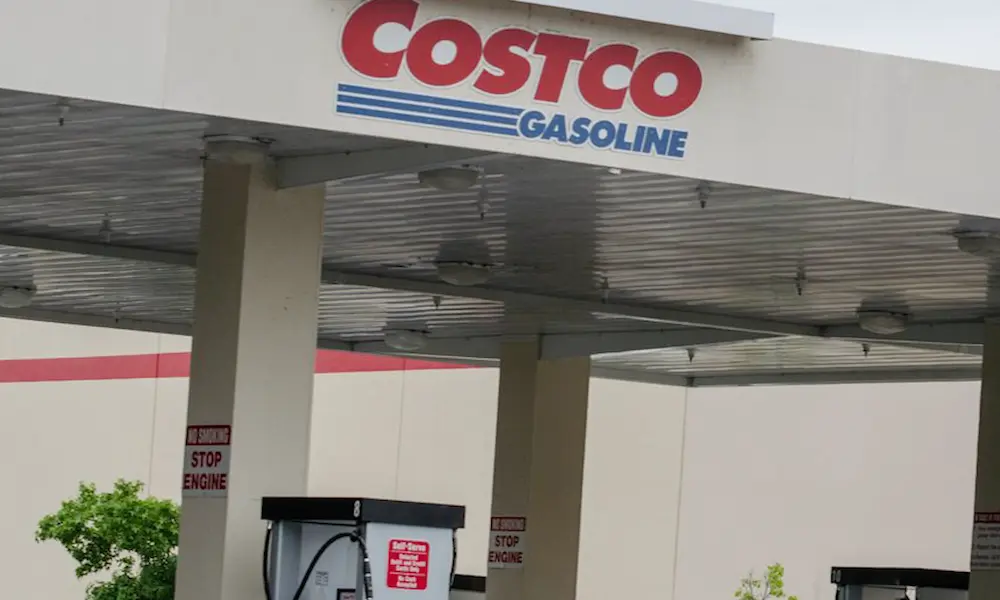
And here’s the kicker: you don’t even have to choose between price and quality. Costco is TOP TIER certified and consistently has the cheapest gas prices in most markets.
What Drivers Actually Experience
The difference isn’t just on paper—drivers notice it.
One Ford Focus ST owner on Reddit reported their car “runs horribly” on 7-Eleven gas compared to Shell or Chevron. Another driver with engine monitoring equipment watched their car’s computer pull timing (reduce power) to protect itself from poor fuel quality.
This isn’t a placebo effect. Here’s what’s happening:
- Weak detergents allow deposits to form
- Deposits create hot spots that cause engine knock
- Your engine’s knock sensor detects the problem
- The computer retards ignition timing to prevent damage
- You feel this as lost power and rough running
Your car is literally protecting itself from the cheap gas by running in a degraded mode.
Meanwhile, AAA’s research shows TOP TIER fuels can actually clean existing deposits after just 1,000 miles of use.
How to Never Get Bad Gas Again
Forget about the store name. Here’s your foolproof strategy:
Step 1: Ignore the 7-Eleven sign. When you pull in, walk up to the pump.
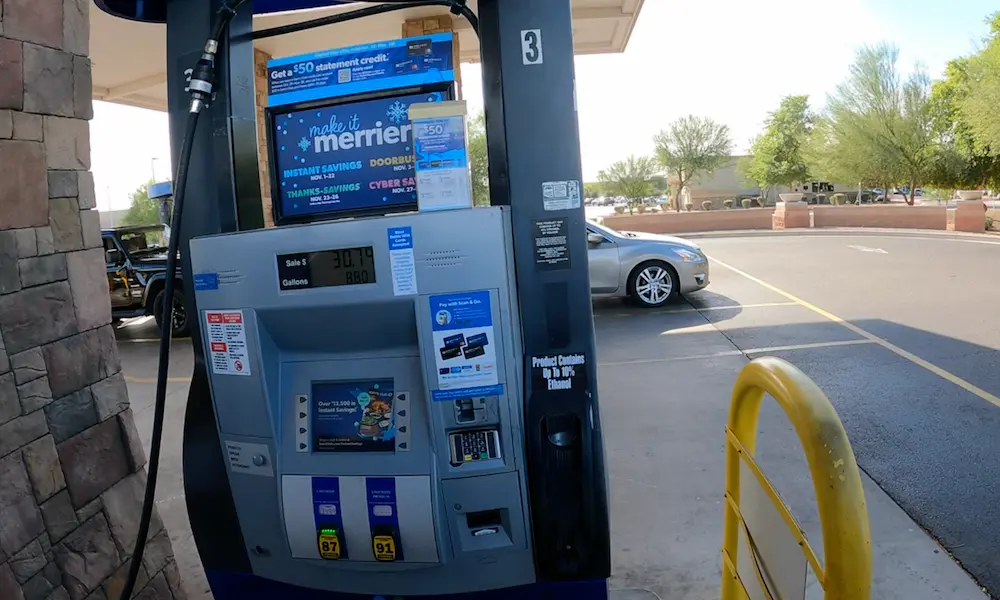
Step 2: Look at the branding on the pump itself and the canopy overhead. Is it “7-Eleven” or “Speedway”? Or is it “Exxon,” “Shell,” “Chevron,” etc.?
Step 3: Check for the TOP TIER™ logo on the pump or signage.
Step 4: Make your decision based on the pump brand, not the store.
Step 5: Use apps like GasBuddy or the AAA app to find cheap TOP TIER certified stations nearby.
Special Considerations for Your Engine Type
If you drive a car built after 2010 (almost certainly GDI): Using non-TOP TIER fuel is playing Russian roulette with your engine. The risk of intake valve deposits is severe. Stick exclusively to TOP TIER certified brands.
If you drive an older car (pre-2010 with port fuel injection): You’ve got more wiggle room since your valves get washed by fuel. But the AAA data still applies to your combustion chamber and injectors. TOP TIER fuel is still your best bet for long-term engine health.
The Bottom Line on 7-Eleven Fuel
So is 711 gas good? It depends entirely on what brand is on the pump.
7-Eleven and Speedway branded fuel contains only minimum EPA-required detergents. Independent testing proves this causes 19 times more deposits than quality fuel, leading to reduced performance, worse fuel economy, and expensive repairs down the road.
If you’re at a 7-Eleven co-branded with Exxon, Mobil, Chevron, Sunoco, or another TOP TIER partner, you’re getting excellent fuel that meets automaker standards.
The convenience store is irrelevant. The pump brand is everything.
Don’t gamble with a 45-cent savings when a $3,000 repair bill is on the line. Check the pump, verify it’s TOP TIER certified, and fill up with confidence. Your engine will thank you with better performance, cleaner operation, and thousands of dollars saved in avoided repairs.