Ever wondered if those premium-priced bottles of AMSOIL are actually worth the extra cash? You’re not the only one questioning if paying sometimes double the price of regular synthetic oil will truly deliver better performance for your vehicle. By the end of this article, you’ll understand exactly what you’re paying for, when it makes financial sense, and when you might be better off with alternatives.
What Makes AMSOIL Different from Regular Synthetic Oils
Superior Performance in Laboratory Testing
AMSOIL isn’t just expensive because of fancy marketing. Independent laboratory tests consistently show it outperforms competitors in several key areas. In the Thin Film Oxygen Uptake Test (TFOUT), AMSOIL Signature Series maintained stability for over 500 minutes without breaking down, significantly outlasting brands like Mobil 1 and Castrol. This translates to better protection under extreme heat conditions.
When it comes to oil evaporation (a major cause of oil consumption), AMSOIL loses only 5.8% of its mass in NOACK volatility testing, while Mobil 1 Annual Protection loses 9%. Lower evaporation means:
- Less topping off between changes
- Cleaner valve operation
- More consistent protection
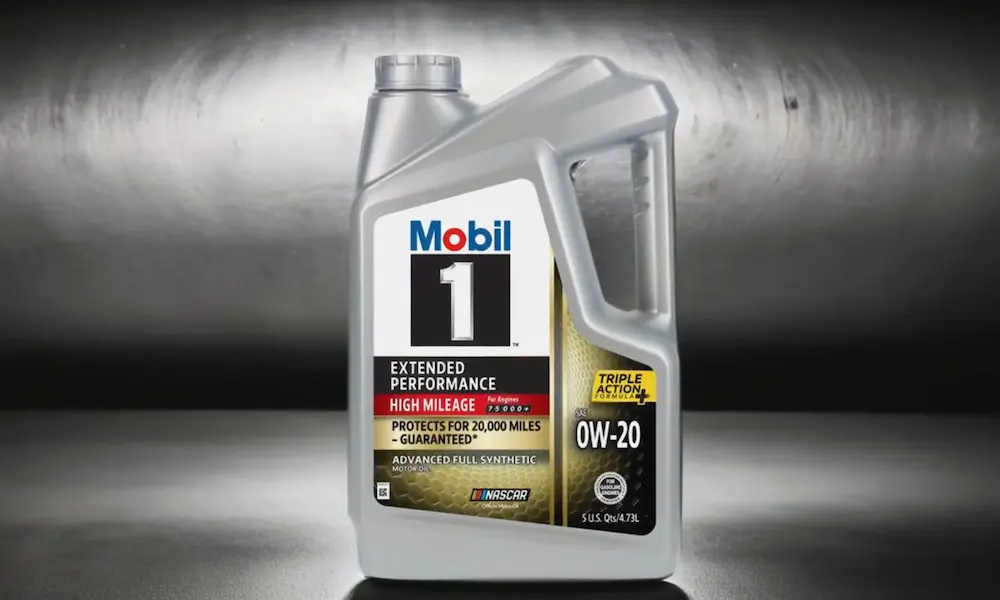
The Four-Ball Wear Testing shows AMSOIL provides 75% better wear protection than required by industry standards. This is particularly important for high-stress engine components like turbochargers, where AMSOIL delivers 4X better deposit protection than Mobil 1 Extended Performance.
Real-World Proof of Engine Protection
Lab tests are impressive, but what happens in real engines matters more. One remarkable case study involved a Mack E7-400 diesel engine that ran for 409,000 miles without an oil change using AMSOIL with bypass filtration. When torn down, the engine showed wear comparable to engines receiving conventional oil changes every 15,000-20,000 miles.
In 2018, a Dodge Ram with a 6.7L Cummins diesel accumulated nearly 500,000 miles using AMSOIL Signature Series with 13,000-17,000 mile drain intervals. When mechanics tore it down due to a single piston failure, they were shocked by the excellent condition of the internal components, attributing the engine’s longevity directly to consistent AMSOIL use.
The True Cost of AMSOIL: Is It Actually More Expensive?
Breaking Down the Numbers
AMSOIL’s sticker shock can be misleading when you don’t consider extended drain intervals. Let’s compare the annual costs for a driver averaging 15,000 miles per year:
| Oil Brand | Cost Per Change | Change Interval | Annual Changes | Annual Cost |
|---|---|---|---|---|
| AMSOIL Signature Series | $99.59 | 25,000 miles | 0.6 | $59.75 |
| Mobil 1 Extended Performance | $50.47 | 20,000 miles | 0.75 | $37.85 |
| Standard Mobil 1 | $30.85 | 7,500 miles | 2 | $61.70 |
While Mobil 1 Extended Performance offers the lowest annual cost in this scenario, AMSOIL becomes more competitive than standard synthetic options that require more frequent changes. For drivers exceeding 20,000 miles annually, AMSOIL’s value proposition improves significantly.
Hidden Savings Beyond Oil Changes
The cost analysis above doesn’t capture all potential benefits:
- Fuel economy improvements of 2-5% are documented through independent testing, potentially saving $100-300 annually in fuel costs.
- Extended engine life can delay or prevent costly rebuilds ranging from $3,000-$10,000 for passenger vehicles and up to $75,000 for commercial applications.
- Reduced maintenance frequency saves time and inconvenience, particularly valuable for commercial operations where downtime costs money.
Fleet managers report 45% reductions in maintenance costs and 60% decreases in equipment downtime when switching to AMSOIL extended drain programs.
Extended Drain Intervals: Reality vs. Marketing
Understanding the Fine Print
AMSOIL’s 25,000-mile drain interval claim requires specific conditions:
- Normal service conditions (not severe service)
- Use of AMSOIL oil filters
- Regular oil analysis recommended
Most drivers actually fall under “severe service” conditions, which include:
- Frequent cold starts
- Stop-and-go driving
- Towing or hauling
- Dusty conditions
- Excessive idling
Under severe service, AMSOIL recommends 15,000-mile intervals, still significantly longer than conventional oils but not the full 25,000 miles advertised.
Filter Considerations
AMSOIL’s extended intervals require their premium EA series filters, which cost about $17.50 compared to $3-8 for conventional filters. These filters provide superior contaminant removal but are rated for 15,000 miles, requiring mid-interval filter changes for the full 25,000-mile drain interval.
This additional maintenance step and cost should factor into your decision. Without a mid-interval filter change, the maximum recommended interval drops to 15,000 miles.
What Professionals and Users Really Think
Mechanic Perspectives
Professional mechanics generally acknowledge AMSOIL’s superior performance but have mixed opinions on its value:
- Racing and performance shops often prefer AMSOIL due to its protection under extreme conditions
- Commercial fleet managers increasingly adopt AMSOIL where downtime costs exceed oil cost premiums
- Many general repair shops note that for typical passenger vehicles, quality mainstream synthetics provide adequate protection at lower cost
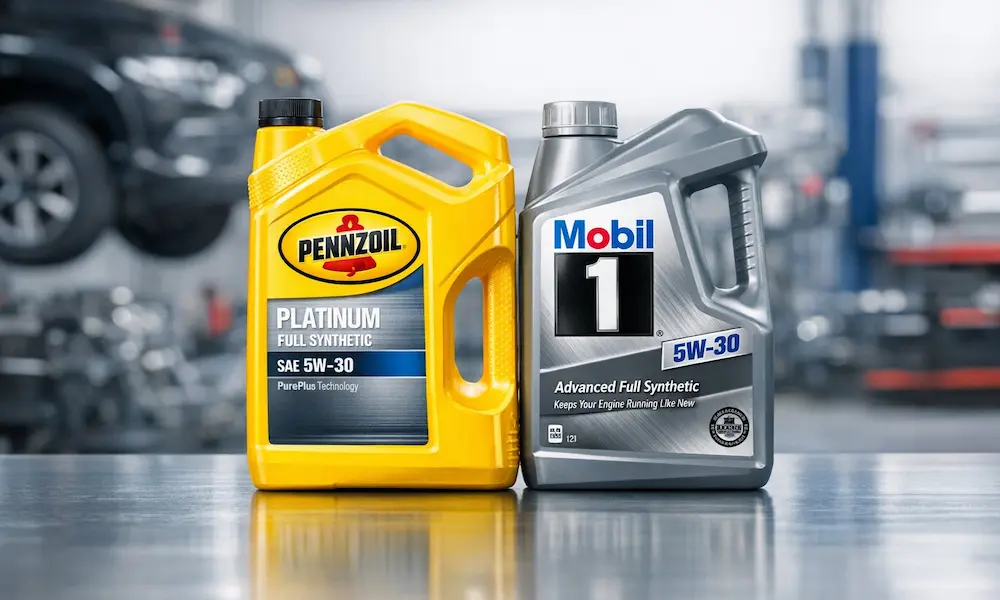
The performance gap between AMSOIL and quality competitors like Pennzoil Ultra Platinum or Mobil 1 narrows significantly for normal driving conditions, making the premium harder to justify for casual drivers.
User Experiences
Long-term AMSOIL users consistently report positive experiences, particularly noting:
- Cleaner engines upon inspection
- Reduced oil consumption between changes
- Extended component life
- Better cold-weather starting
Project Farm, an influential independent testing YouTube channel, ranked AMSOIL as the top performer in comprehensive oil testing but noted Pennzoil Ultra Platinum provided similar performance at roughly half the cost.
Users report particular satisfaction with AMSOIL in high-stress applications including:
- Towing and hauling
- Racing and performance driving
- Extreme weather conditions
- High-mileage vehicles
Understanding AMSOIL’s Distribution Model
The MLM Structure
AMSOIL sells through a multi-level marketing (MLM) model with independent dealers. This creates both advantages and concerns:
- Direct-to-consumer sales avoid retail markups
- Product freshness is generally better than store-bought oils
- Dealers can provide personalized recommendations
However, the MLM structure creates dependency on dealer relationships and potentially limits accessibility. Some consumers find the sales approach off-putting, though AMSOIL has worked to improve this perception.
Getting the Best Price
AMSOIL’s Preferred Customer program offers 25% discounts for a $20 annual membership, making pricing more competitive for regular users. For occasional buyers, purchasing through established online AMSOIL dealers often provides better value than going through local representatives.
Warranty and Manufacturer Recommendations
AMSOIL provides warranty protection covering engine repairs if their oil causes lubrication-related failures. More importantly, the Magnuson-Moss Warranty Act protects consumers’ rights to use aftermarket lubricants without voiding manufacturer warranties.
Some dealerships incorrectly claim using non-dealer oil voids warranties. This is false—manufacturers must prove the aftermarket product caused the failure to deny warranty coverage. AMSOIL actively supports customers facing warranty challenges related to oil choice.
When AMSOIL Makes Financial Sense (And When It Doesn’t)
Ideal Applications for AMSOIL
AMSOIL provides the best value in these scenarios:
- Commercial vehicles with high annual mileage (25,000+ miles)
- Severe service operations (towing, hauling, dusty conditions)
- High-performance or modified engines requiring maximum protection
- Fleet operations where downtime costs exceed oil cost premiums
- Vehicles kept for the long term where engine longevity is prioritized
When To Consider Alternatives
You might want to stick with quality mainstream synthetics if:
- You drive under 10,000 miles annually
- You have a newer vehicle with free dealer maintenance
- You’re on a tight budget and prioritize immediate cost savings
- You operate under normal service conditions
- Extended drain intervals aren’t practical for your situation
A Middle-Ground Option
For many drivers, AMSOIL’s OE series provides synthetic performance at mainstream pricing with standard drain intervals. This captures most performance benefits without the premium cost or extended interval complexity. You’ll get superior protection compared to conventional oil while maintaining familiar maintenance schedules.
| Oil Type | Protection Level | Drain Interval | Relative Cost | Best For |
|---|---|---|---|---|
| AMSOIL Signature Series | Superior | 15,000-25,000 miles | $$$ | High-mileage, severe duty |
| AMSOIL OE Series | Very Good | 7,500-10,000 miles | $$ | Budget-conscious quality seekers |
| Premium Competitors | Very Good | 10,000-15,000 miles | $$ | Balance of performance and value |
| Conventional Oil | Basic | 3,000-5,000 miles | $ | Older engines, tight budgets |
AMSOIL in Specific Vehicle Applications
Turbocharged Engines
Modern turbocharged engines run hotter and place greater demands on motor oil. AMSOIL’s superior high-temperature stability and resistance to oxidation make it particularly valuable in these applications. The improved deposit control helps prevent turbocharger coking, a common cause of premature turbo failure.
Independent testing shows AMSOIL provides 4X better turbocharger deposit protection than Mobil 1 Extended Performance, potentially extending turbocharger life significantly.
Diesel Applications
AMSOIL’s diesel-specific formulations address the unique challenges of modern diesel engines, including:
- DPF (Diesel Particulate Filter) compatibility
- Enhanced soot handling capability
- Improved resistance to fuel dilution
Diesel users report particular satisfaction with AMSOIL’s extended drain capabilities, with many commercial operators successfully implementing 15,000-25,000 mile intervals under oil analysis programs. The reduced downtime provides substantial operational benefits beyond direct oil cost savings.
High-Mileage Engines
Engines with 100,000+ miles benefit from AMSOIL’s superior film strength and cleaning capabilities. The enhanced detergent package helps remove existing deposits while preventing new formation. Many users report reduced oil consumption and improved performance when switching older vehicles to AMSOIL.
A compelling real-world example: A 2003 Toyota Tacoma with 215,000 miles showed significant reduction in lifter noise and a 3% improvement in fuel economy after switching to AMSOIL. After 10,000 miles, oil analysis revealed wear metals well below typical levels for an engine of this age.
The Bottom Line: Who Should Buy AMSOIL?
AMSOIL represents legitimate performance leadership in synthetic motor oil technology. Independent testing consistently validates its superior protection, longevity, and performance characteristics. However, the premium pricing means it’s not automatically the best choice for everyone.
For typical passenger vehicle use under normal conditions with regular maintenance, AMSOIL provides measurable but incremental benefits over quality mainstream synthetics at significantly higher cost. The value proposition strengthens considerably for high-mileage drivers, severe service applications, and operations where maintenance frequency reduction provides operational benefits.
Your decision should align with your specific priorities: maximum engine protection and extended maintenance intervals favor AMSOIL, while cost optimization for normal service conditions may favor quality alternatives like Mobil 1 or Pennzoil Ultra Platinum that provide excellent performance at lower cost.
AMSOIL isn’t magic—but for the right user in the right application, it delivers on its premium promises and can be worth every penny.