You’re standing at the pump, eyeing Murphy’s rock-bottom prices, and wondering if you’re about to make a mistake. That suspiciously cheap gas can’t be as good as Shell or BP, right? Let’s cut through the marketing and look at what you’re actually getting when you choose Murphy USA—because “cheap” and “good” aren’t the same thing.
Why Murphy Gas Costs Less Than Everyone Else
Murphy USA isn’t playing some magical pricing game. They’re running a straightforward low-cost, high-volume business model that’s designed to move massive amounts of fuel with razor-thin profit margins.
The secret? Location, location, location.
Murphy stations are almost always parked right next to Walmart stores. This isn’t a coincidence—it’s the entire business strategy. Walmart drives thousands of customers past Murphy’s pumps every day, which means Murphy doesn’t need to spend money on marketing or fancy amenities to attract you.
You won’t find full-service convenience stores or elaborate food options at Murphy locations. Many are just small kiosks. This keeps overhead costs low—no expensive buildings, minimal staff (sometimes just one employee running the whole show), and shared infrastructure with Walmart.
The partnership with Walmart acts like rocket fuel for Murphy’s pricing power. The low gas prices work as what retailers call a “loss leader”—getting you into the parking lot where you’re likely to shop at Walmart too. Both companies win from the arrangement.
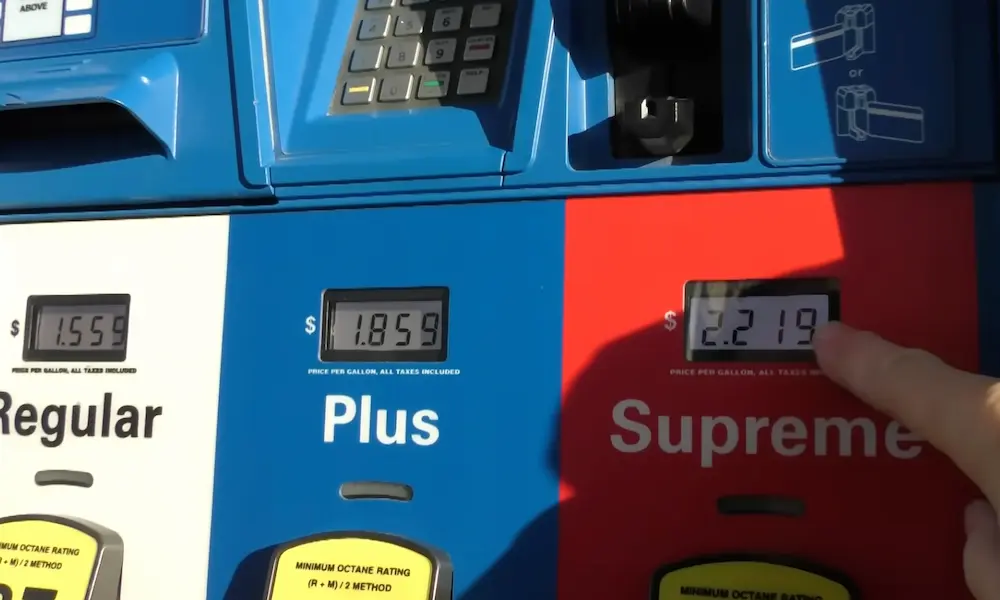
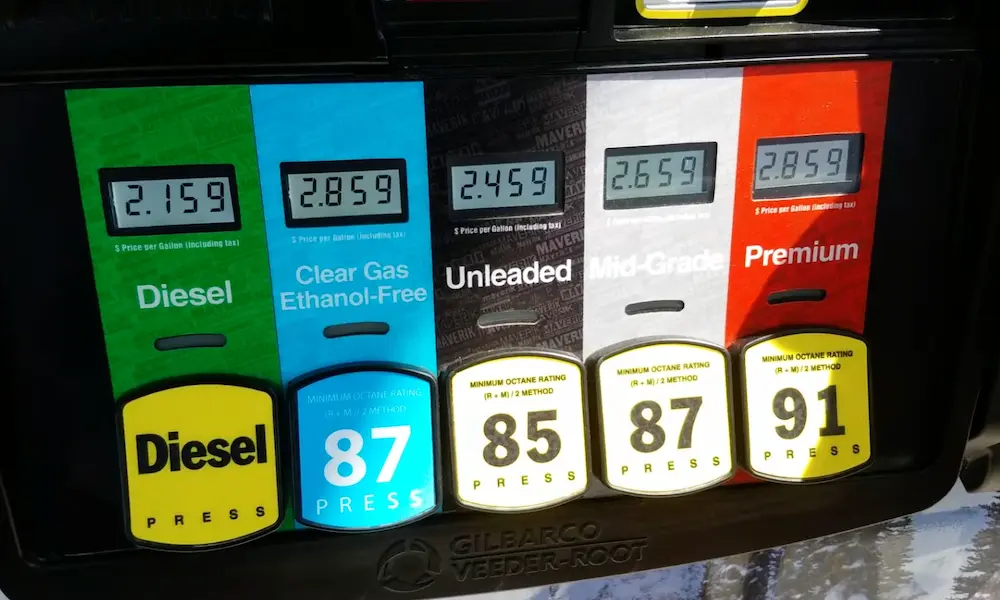
Here’s how Murphy stacks up on price compared to major competitors:
| Gas Station | Average Price (Regular) |
|---|---|
| Chevron | $4.21/gallon |
| Shell | $4.18/gallon |
| BP | $4.16/gallon |
| Circle K | $4.03/gallon |
| Murphy USA | $4.01/gallon |
| Arco | $3.99/gallon |
That’s a solid 17-20 cents cheaper than premium brands. For a 15-gallon tank, you’re saving about $2.55 every fill-up, or roughly $133 per year if you fill up weekly.
But here’s where things get interesting.
The Quality Issue Nobody Talks About
All gas sold in the U.S. must meet EPA standards. Murphy’s gas meets these minimum requirements, so yes, your car will run on it. The base gasoline itself is essentially a commodity—most brands get it from the same regional refineries and it’s mixed together in pipelines during transport.
The real difference? The additive package mixed in before delivery.
What “Top Tier” Actually Means
In 2004, eight major automakers (BMW, GM, Ford, Toyota, Honda, and others) looked at the EPA’s minimum detergent standard and said “that’s not good enough for modern engines.” They created the Top Tier certification—a voluntary standard requiring significantly higher concentrations of cleaning additives.
Murphy USA is NOT a Top Tier licensed brand.
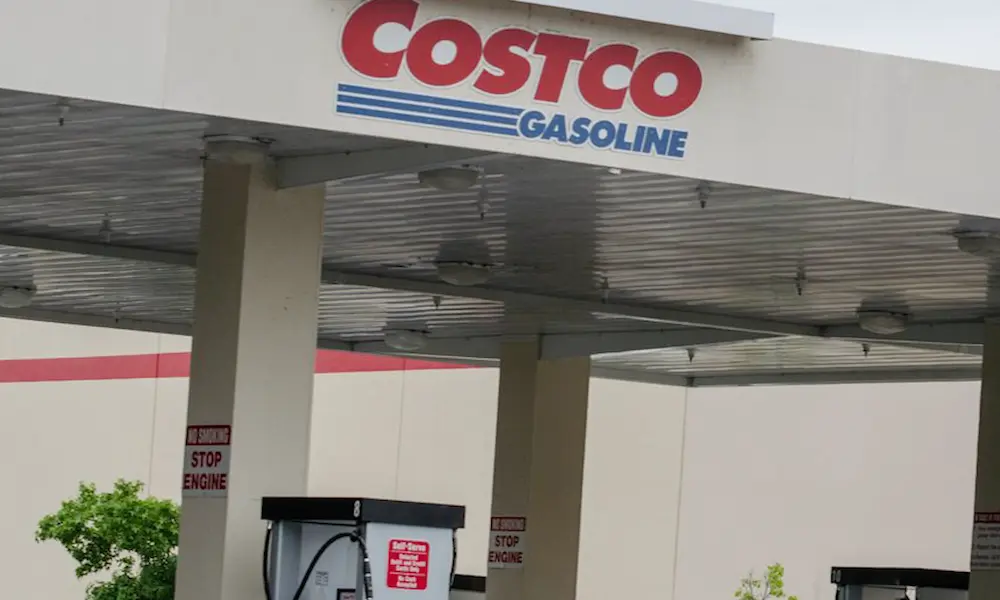
Shell, BP, Chevron, Costco, and even budget-friendly QuikTrip all carry the Top Tier certification. Murphy doesn’t. This is a deliberate business choice to keep costs down.
The 19x Deposit Problem
Independent testing by AAA revealed something pretty eye-opening. After just 4,000 miles of simulated driving, non-Top Tier gasolines caused 19 times more engine deposits than Top Tier brands.
We’re not talking about minor differences here. One AAA test measured 660.6 mg of deposits per intake valve with standard gas versus just 34.1 mg with Top Tier fuel.
These deposits don’t just sit there looking ugly. They cause:
- Sticky intake valves
- Clogged fuel injectors
- 2-4% reduction in fuel economy over time
- Rough idling and hesitation
- Increased emissions
Top Tier detergents can actually clean up existing deposits by up to 72%, which means occasionally using premium gas can help flush out your engine.
Here’s the comparison table:
| Brand | Top Tier Status | Average Price |
|---|---|---|
| Murphy USA | No | $4.01 |
| Costco | Yes | ~$4.00 |
| Shell | Yes | $4.18 |
| BP | Yes | $4.16 |
| Chevron | Yes | $4.21 |
Notice Costco? They’re a price discounter like Murphy, but they chose to be Top Tier certified. This proves that cheap prices don’t automatically mean you have to skip the better detergent package—it’s just Murphy’s business decision.
The Real Risk: Quality Control Failures
Forget the slow buildup of deposits for a moment. There’s a more immediate problem with Murphy gas that should concern you—documented cases of contamination and fuel mix-ups that can destroy your engine in minutes.
Water Contamination Pattern
Multiple customer complaints filed with the Better Business Bureau detail water ending up in Murphy’s gas tanks, especially after heavy rain.
The worst case? A motorcyclist in North Carolina filled up at Murphy station #8619 right after a flood. The bike immediately started making loud noises and wouldn’t accelerate. The diagnosis: motor failure from water ingestion.
Murphy USA’s customer service confirmed in writing that the pumps were contaminated with water at the time of purchase. The repair bill? $8,000.
Murphy’s response? They offered $500 and refused to pay for the rest.
Think about that for a second. The company admitted fault but wouldn’t cover the damage.
Diesel-in-Gasoline Disasters
Then there are the catastrophic mix-ups. A Murphy station in Midland, Texas accidentally loaded diesel fuel into the gasoline pumps. Customers filled up their regular cars with diesel, causing extensive mechanical failures and leaving drivers stranded.
Another incident in Longview, Texas over Labor Day weekend ruined multiple customers’ vehicles after a similar gas station mistake.
These aren’t theoretical risks—they’re documented events that cost real people thousands of dollars in repairs.
Murphy’s Corporate Response Problem
Murphy Oil USA isn’t accredited by the Better Business Bureau. Their customer review rating? 1.29 out of 5 stars.
BBB complaint files show a pattern: when something goes wrong, Murphy tends to deny claims or offer token settlements that don’t come close to covering actual repair costs.
One truck owner filed a complaint after water-contaminated diesel exhaust fluid from a Murphy pump caused $2,700 in damage. He’s still fighting for reimbursement.
Here’s the financial reality check: You save $133 per year buying Murphy gas instead of Shell. But if you hit one of these contamination events, you’re looking at repair bills between $2,700 and $8,000—costs Murphy has a documented history of not covering.
You’re essentially self-insuring Murphy’s quality control failures for a $133 annual discount.
The Loyalty Programs Worth Knowing
Murphy does offer two ways to save even more money, though they don’t play well together.
Murphy Drive Rewards
This is Murphy’s app-based loyalty program. You earn points on all purchases—gas, snacks, drinks—and can redeem them for rewards.
The big prize: up to $1 off per gallon on fuel, capped at 20 gallons.
The catch? You have to use it all in one transaction. Fill up a motorcycle with a 4.5-gallon tank and you’ll waste the remaining 15.5 gallons worth of discount. It’s gone.
Walmart+ Fuel Discount
If you’re a Walmart+ member, you get an instant 5-10 cents off per gallon at Murphy stations. You enter a 6-digit code from the Walmart app at the pump.
Simple. No points to track. Immediate savings.
The Exclusivity Trap
Here’s what Murphy doesn’t advertise clearly: you can’t combine these programs. Murphy’s website explicitly states that Murphy Drive Rewards fuel benefits aren’t available when using a Walmart+ discount.
You have to pick one at the pump. Most people go with the instant Walmart+ discount because it’s easier, which means Murphy avoids paying out its own (more valuable) $1/gallon rewards.
Smart business move for Murphy. Frustrating limitation for customers.
Who Should (and Shouldn’t) Use Murphy Gas
Let’s get practical. Is Murphy gas good? That depends entirely on what you’re driving and your risk tolerance.
You Can Probably Use Murphy If:
You drive a leased vehicle. You’ll return it before long-term deposit buildup becomes your problem. The leasing company eats that cost, not you.
You own an older car (pre-2010) with standard port fuel injection. These engines are less sensitive to the intake valve deposits that plague modern designs.
You’re okay with the contamination risk. Some people are willing to gamble for the savings. That’s a personal choice.
Best practices if you use Murphy:
- Never fill up during or right after heavy rain—that’s when water contamination risk peaks
- Every 3,000-5,000 miles, run a tank or two of Top Tier gas from Shell, BP, or Costco to clean out deposits
- Check your local Murphy station’s inspection history if your state makes that public
You Should Skip Murphy If:
You drive a newer car with direct injection or turbocharging. Modern engines with Gasoline Direct Injection (GDI) are exactly why Top Tier standards exist. They’re highly susceptible to the deposit buildup that non-Top Tier fuel creates.
You own your car and plan to keep it long-term. The $133 annual savings isn’t worth the potential for thousands in early engine repairs or reduced performance.
You can’t afford a surprise $3,000-$8,000 repair bill. Murphy’s history of denying contamination claims means you’re financially on your own if something goes wrong.
The One Murphy Exception
If your local Murphy offers 93 octane ethanol-free (E0) gas, that’s a different story. This specialty fuel is actively sought by car enthusiasts with classic cars, motorcycles, or high-performance vehicles. Ethanol-free gas is less corrosive to older fuel systems and burns cleaner.
For these specific applications, Murphy’s E0 offering can actually be superior to Shell’s ethanol-blended premium—even though Shell is Top Tier certified.
You’ll still face the station-level contamination risks, though. Weigh that carefully.
The Bottom Line on Murphy Gas
Murphy gas isn’t “good” in the way Shell or Chevron markets their fuel as good. It’s cheap. Those aren’t synonyms.
You’re getting:
- Exceptional pricing ($133/year savings vs. premium brands)
- Minimum-spec fuel composition (legal but not optimized)
- Documented quality control failures (rare but devastating)
- Poor corporate accountability (admitted fault, denied claims)
The low price isn’t a simple discount—it’s the payment Murphy gives you for assuming the financial risk of their quality control failures.
For some drivers in some situations, that’s a perfectly rational trade-off. For others, especially those with modern engines or tight budgets that can’t absorb a surprise repair, the extra 17 cents per gallon for Top Tier gas is cheap insurance.
The choice is yours. Just make it with your eyes wide open.