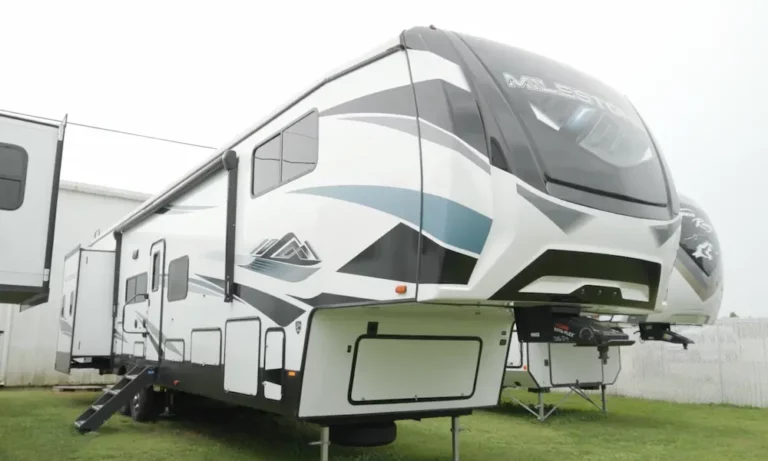
Thinking about putting your RV to work when you’re not using it? You’re sitting on a potential gold mine. The average RV owner uses their vehicle just 20 days per year – leaving 345 days when it could be earning money instead of costing you. But is the rental income worth the hassle, wear and tear, and potential headaches? Let’s break down the real numbers and considerations to help you decide if renting out your RV makes financial sense for your situation.
How Much Can You Actually Earn From RV Rentals?
Let’s cut to the chase – the money is what matters most. Your earning potential varies dramatically based on your RV type, location, and how often you’re willing to rent it out.
Rental Rates By RV Type
Different RVs command significantly different rental rates:
| RV Type | Typical Nightly Rate | Potential Annual Income |
|---|---|---|
| Class A | $150-$450 | $12,000-$30,000 |
| Class B | $100-$350 | $8,000-$28,000 |
| Class C | $100-$400 | $8,000-$32,000 |
| Travel Trailer | $50-$200 | $4,000-$16,000 |
| Fifth Wheel | $60-$300 | $4,800-$24,000 |
Most casual RV owners can realistically expect to earn $6,400-$15,000 annually with 8-15 rentals per year averaging $800 per booking. While some platforms claim owners can make up to $50,000 annually, that typically requires treating your RV rental as a full-time business.
Real Owner Experiences
One travel trailer owner reported on Reddit earning about $800 per rental over six years, renting 6-10 times annually through delivery-only arrangements. Another owner’s Class C motorhome generated over $10,900 from 125 rental nights in a year.
How RV Rentals Actually Work
You’ve got two main options for renting out your RV: handling everything yourself or using a peer-to-peer platform.
Rental Platforms and Their Fees
Most owners use platforms like Outdoorsy, RVshare, or RVezy to handle the marketing, payments, and insurance. Here’s what to expect:
- Most platforms take 15-20% of your rental income
- Insurance is typically included in the platform’s service fees
- You’ll pay approximately 5% for processing post-trip charges
- Some platforms like RVnGO claim 0% host fees plus a $50 bonus per completed booking
These platforms handle the messy parts like insurance, payments, and dispute resolution – but at a cost to your bottom line.
The Hidden Costs of Renting Your RV
The income looks great on paper, but what about the expenses? These costs can significantly impact your profit margin.
Ongoing Expenses
Insurance: While rental platforms typically provide insurance coverage, it affects your pricing competitiveness. Insurance costs range from $15-$70 per day depending on your RV type and coverage level.
Maintenance and Repairs: Renters add wear and tear quickly. The average rental puts over 1,000 miles on your RV per trip. You’ll face more frequent:
- Tire replacements
- Engine servicing
- Interior repairs
- Plumbing and electrical fixes
Cleaning and Turnover: Each rental requires 2-3 hours of cleaning and preparation. If you hire professionals, expect to pay $100-200 per turnover.
Depreciation Acceleration: Your RV is already a depreciating asset. Class A motorhomes lose about 30% of their value within three years, and Class C RVs drop approximately 38% after five years. Rental use speeds up this process – though income can offset these losses.
The Pros: Why Renting Makes Financial Sense
Turn Costs Into Profit
The most compelling reason to rent your RV is simple math: an asset sitting in storage 345 days per year is pure expense. Even limited rental activity can transform this equation:
- Cover your annual insurance premiums with just 2-3 rentals
- Pay for storage costs with 1-2 bookings
- Fund maintenance and depreciation through regular rental income
- Potentially generate profit beyond basic expenses
Maintenance Benefits of Regular Use
Ironically, regular use through rentals can actually benefit your RV’s condition. “Lot rot” – the deterioration that happens when RVs sit unused – is a real problem. Systems and seals need regular operation to remain in good condition. Rental use can:
- Keep engine components properly lubricated
- Prevent seals from drying out
- Identify small problems before they become major repairs
- Keep batteries charged and systems functioning
The Cons: The Real Headaches of RV Rentals
Damage Risk
This is the top concern for most owners. Inexperienced renters can cause significant damage, particularly when:
- Backing up large vehicles
- Navigating tight campgrounds
- Operating complex systems
- Failing to properly drain tanks
While insurance covers most damage, you’ll still deal with the hassle of claims and repairs, which can take your RV out of commission for extended periods.
Time Investment
Unless you pay a management company, renting your RV is far from passive income. You’ll spend significant time:
- Creating listings and responding to inquiries
- Screening potential renters
- Coordinating pickups and returns
- Cleaning and restocking between rentals
- Troubleshooting issues during rentals
- Processing claims for damages
Accelerated Wear and Tear
Every rental puts miles on your odometer and wear on your systems. This means:
- More frequent maintenance requirements
- Faster depreciation
- Interior components wearing out sooner
- Potential for your own vacation plans being impacted by rental damage
Is Your RV in a High-Demand Market?
Location dramatically impacts rental potential. The RV rental market is growing rapidly, expected to reach $1.29 billion by 2030 with an 8.11% annual growth rate. But this growth isn’t evenly distributed.
Seasonal Considerations
Most RV rentals occur between May and September. If you live in a region with harsh winters, you might see virtually no bookings from November through February. Warm-weather destinations like Florida, Arizona, and Southern California can maintain stronger year-round demand.
Local Market Competition
Before listing your RV, check how many similar vehicles are already available in your area. Popular tourist destinations may have hundreds of competing listings, forcing you to lower prices to attract bookings.
Tax Implications You Need to Know
RV rental income isn’t treated like typical property rentals for tax purposes. You’ll need to report income on Schedule C as business income rather than rental property income. This has important implications:
- You can depreciate your RV’s cost over five years
- Business expenses related to rentals are deductible
- Income is subject to self-employment taxes
- You may need to make quarterly estimated tax payments
Consulting with a tax professional before starting rentals can help you maximize deductions and avoid unpleasant surprises at tax time.
Who Should (And Shouldn’t) Rent Their RV
Perfect Candidates for RV Rentals
You’re likely to have a positive experience if:
- You only use your RV 2-6 weeks per year
- Your RV is less than 5 years old and in excellent condition
- You live near popular tourism destinations
- You have time to manage rentals or can afford management services
- You’re comfortable with some wear and tear
- Your primary goal is offsetting ownership costs
When Renting Probably Isn’t Worth It
Think twice about rentals if:
- You use your RV frequently for personal trips
- You own an older RV with existing issues
- You live in an area with minimal tourism
- You’re very particular about your RV’s condition
- You can’t afford potential repair costs
- You expect massive profits without significant work
The Hands-Off Option: Management Services
If you want rental income without the hassle, professional rental management companies offer a solution. These services handle everything from marketing to maintenance but typically keep 45-55% of rental income. For many owners, this represents truly passive income despite the reduced revenue share.
Making Your Final Decision
Renting out your RV can be financially rewarding if approached with realistic expectations. Most owners earn enough to cover their basic ownership costs plus some extra income. The key is weighing the financial benefits against the time commitment, accelerated wear, and potential headaches.
If you’re primarily looking to offset costs on an RV you already own and enjoy occasionally, rentals make excellent financial sense. If you’re purchasing an RV specifically as a rental business, be prepared for a more intensive commitment to make it truly profitable.
Whatever you decide, understanding the complete picture – beyond just the potential income – will help you make the choice that’s right for your situation.