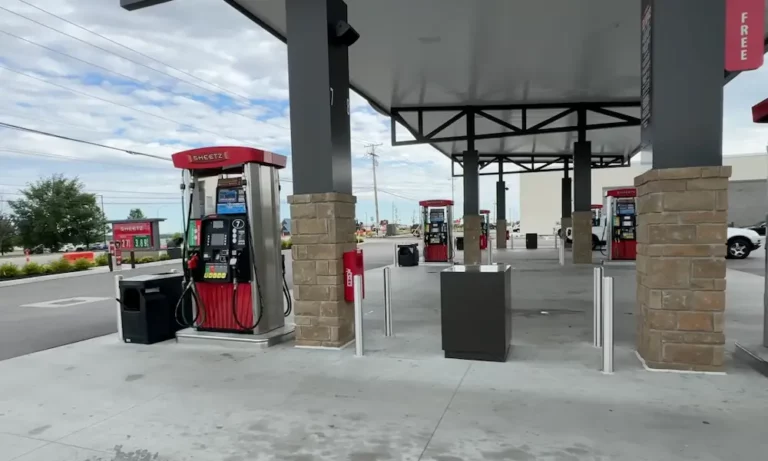
You’ve seen the bright red signs, maybe grabbed a MTO on your road trip, and now you’re wondering if that cheaper price at the pump comes with a catch. Let’s cut through the marketing and figure out if Sheetz gas is actually good for your car—or just good for your wallet.
What Makes Gas “Good” Anyway?
Here’s the thing: not all gas is created equal, even if it looks the same going into your tank.
The EPA sets a baseline standard for detergent additives in gasoline. It’s called the Lowest Allowable Concentration (LAC), and it’s basically the legal minimum to keep your fuel injectors from turning into clogged messes. Every gas station in America meets this standard—it’s the law.
But then there’s Top Tier™ certification. This is where things get interesting.
Top Tier gas packs way more cleaning agents—specifically something called Polyetheramine (PEA)—into every gallon. Major automakers like BMW, Honda, Toyota, and GM created this standard because they noticed EPA minimums weren’t cutting it for modern engines. According to AAA’s research, non-Top Tier fuels caused 19 times more engine deposits than Top Tier brands after just 4,000 miles.
That’s a massive difference.
The Sheetz Reality Check
Sheetz isn’t Top Tier certified. They meet EPA standards (because they have to), but they don’t spring for the premium additive package that keeps modern engines squeaky clean.
Sheetz openly states their fuel comes from regional refiners and meets federal requirements. That’s not spin—it’s accurate. But “meets requirements” and “optimized for your engine” aren’t the same thing.
Think of it like vitamins: you can get the minimum recommended daily allowance, or you can get the amount that actually makes you feel great. Sheetz gives you the minimum.
Here’s How Sheetz Stacks Up Against the Competition
Let’s be honest about what you’re getting compared to other options.
| What You’re Buying | Sheetz | Shell/Exxon | Costco | Wawa |
|---|---|---|---|---|
| Top Tier Certified | Nope | Yes | Yes | Nope |
| Price | Low | Higher | Low | Low |
| Best For | Budget commuters | Performance cars | Value shoppers | Hoagie lovers |
| Additive Package | EPA minimum | Premium detergents | Premium detergents | EPA minimum |
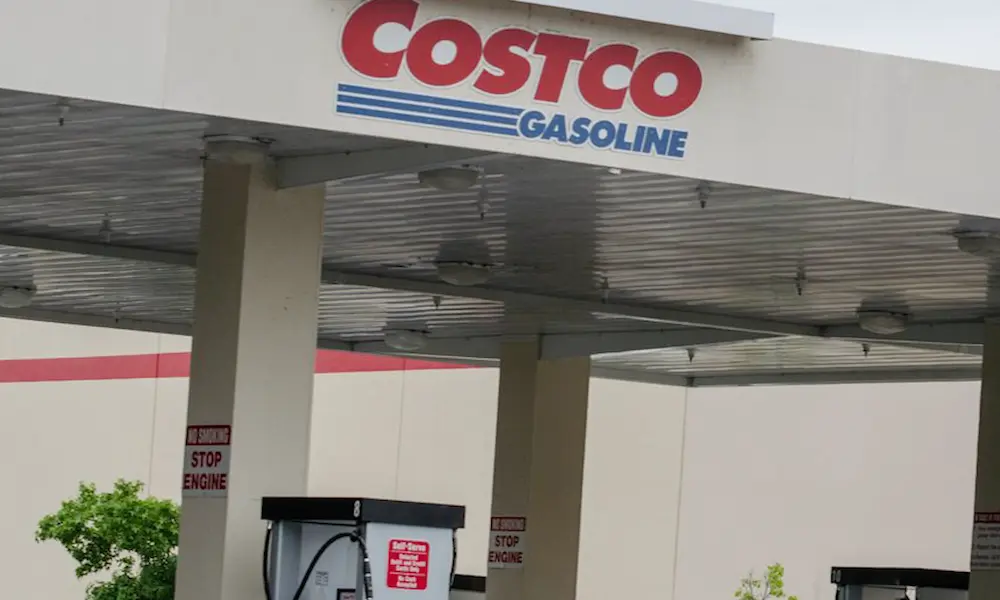
Costco is the dark horse here—they’re Top Tier and cheap. If you’ve got a membership and don’t mind the occasional gas line, it’s your best bet.
Shell and Exxon charge more (usually $0.10-$0.30 per gallon), but you’re paying for those extra cleaning agents. For a Honda Accord, probably overkill. For a turbocharged Audi? Cheap insurance.
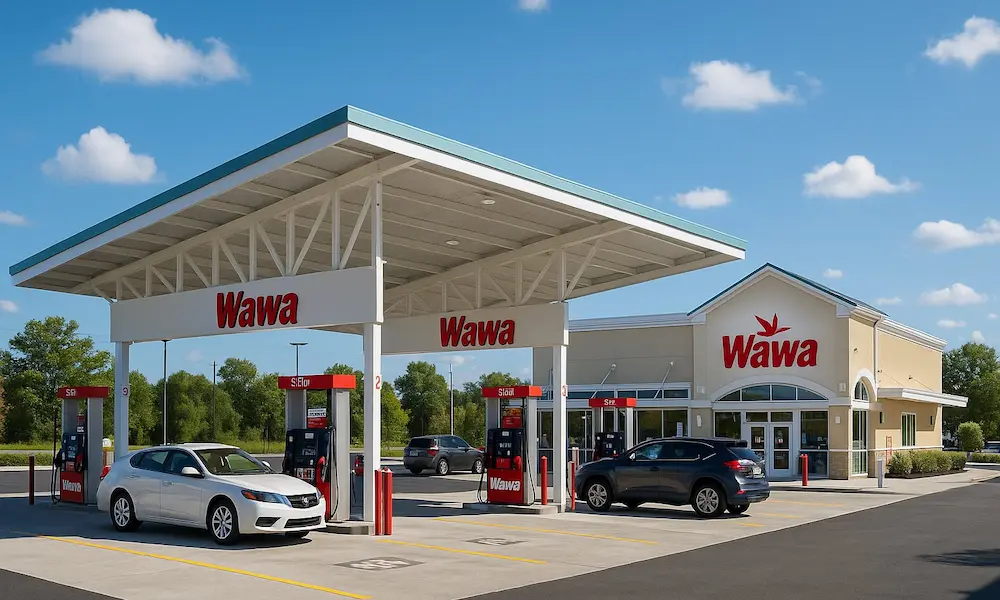
Wawa and Sheetz are basically twins separated at birth—neither is Top Tier, both use gas as a loss leader to sell you sandwiches.
The Unleaded 88 Gamble: Cheaper Gas With a Catch
Sheetz aggressively markets Unleaded 88 (also called E15), often pricing it $0.20-$0.30 below regular 87. Sometimes it hits promotional prices like $1.99/gallon, which sounds too good to be true.
Here’s the deal: Unleaded 88 contains 15% ethanol instead of the standard 10%. More ethanol means higher octane (88 instead of 87), but less energy per gallon.
The Math You Need to Know
Ethanol has about 33% less energy than gasoline. When you bump from E10 to E15, you’re looking at roughly a 1.5-5% drop in fuel economy, depending on your car and how you drive.
Example: If you normally get 30 MPG, you might see 28.5-29 MPG on E15.
So is it worth it? Only if the price difference beats the MPG loss.
- Scenario 1: Unleaded 88 is $3.20, Unleaded 87 is $3.50. You save 8.5%. Even with a 5% MPG drop, you’re ahead.
- Scenario 2: Unleaded 88 is $3.45, Unleaded 87 is $3.50. You save 1.4%. With a 5% MPG drop, you’re losing money.
During Sheetz’s aggressive promotions, Unleaded 88 is absolutely worth it. At normal pricing, do the math first.
But Wait—Can Your Car Even Use It?
The EPA approved E15 for vehicles 2001 and newer. But here’s where it gets messy.
Don’t use E15 in:
- Motorcycles
- Boats or marine engines
- Small engines (lawnmowers, chainsaws, generators)
- Vehicles older than 2001
- Some luxury European cars (check your owner’s manual)
Ethanol is hygroscopic—it sucks up water from the air. In older fuel systems with rubber hoses and metal components not designed for high ethanol, this causes corrosion and phase separation (where water literally separates from the gas and sinks to the bottom).
For a 2015 Ford F-150? You’re fine. For your boat? You’ll destroy the carburetor.
What Performance Car Owners Are Seeing
If you drive a turbocharged or high-compression engine, you’re probably already scanning forums for fuel quality reports. Here’s what the data-logging crowd has found.
Knock Retard Issues
Owners of Subaru WRXs, VW GTIs, and Ford EcoBoost trucks report increased “knock retard” when running Sheetz 93 octane compared to Shell V-Power or Sunoco Ultra.
Translation: The engine control unit detects pre-ignition (fuel detonating too early) and pulls back timing to protect the engine. This costs you power.
Typical readings show -1.5 to -4.5 degrees of timing correction under heavy load. That’s not catastrophic, but it suggests the fuel isn’t as knock-resistant as its octane rating promises.
The Tuner Consensus
Professional tuners—the people who write custom engine software—generally tell customers to avoid Sheetz if you’re running an aggressive tune. The inconsistency introduces risk when you’re already pushing an engine to its limits.
For stock vehicles driven normally? It’s fine. For modified cars making pulls on back roads? You’re playing with fire.
Where Sheetz Gas Actually Comes From
There’s a persistent myth that Sheetz uses “cheap foreign oil” or somehow cuts corners at the refinery. Let’s kill that rumor.
Sheetz buys from regional refiners who pump gasoline into shared pipelines like the Colonial Pipeline. At this stage, the base gas from Shell, Exxon, and independent refiners is literally mixed together—it’s chemically identical.
The differentiation happens at the distribution terminal when additives get injected as the tanker truck fills up. This is where Top Tier brands add their premium detergent packages, and where Sheetz adds their EPA-minimum formula.
So the actual gasoline molecules? Same as everyone else’s. The cleaning agents? That’s where Sheetz cuts costs.
The “Bad Gas” Problem
Most “bad gas” issues aren’t about the refinery—they’re about storage at the station level.
Water infiltration from cracked underground tank seals, sediment stirred up during refills, and contamination from delivery trucks can all cause problems. Some Sheetz customers have reported needing fuel pump replacements costing $1,700+ after filling up with contaminated gas.
This can happen anywhere, but Sheetz’s massive volume (over 750 stores) means you’ll see more reports simply because more people use their stations.
The Compliance Question: Should You Trust Sheetz?
Let’s talk about the elephant in the room—corporate responsibility.
North Carolina has repeatedly fined Sheetz locations for price scanning errors where the register price didn’t match the advertised price. While these were mostly for convenience store items, it raises questions about operational rigor.
The EEOC also sued Sheetz in 2024 over hiring practices involving criminal background checks that allegedly discriminated against minority applicants.
These aren’t fuel quality issues, but they paint a picture of a massive company (23,000+ employees) sometimes struggling with compliance across hundreds of locations. If store-level management can’t keep pricing accurate, should you trust they’re maintaining underground tanks perfectly?
Fair question.
So Who Should Actually Use Sheetz Gas?
Here’s the straight answer based on what you drive.
You’re Good to Go If:
You drive a basic commuter car (Honda Civic, Toyota Camry, Nissan Altima) that’s relatively new and you’re not keeping it forever. The EPA-minimum detergents will get you through a lease or 5-year ownership cycle without issues.
You have a 2012+ vehicle that’s E15-compatible and Sheetz is running one of their aggressive Unleaded 88 promotions. The savings are real if the price gap is $0.20+.
You’re willing to use aftermarket fuel additives. Grab a bottle of Chevron Techron or Redline SI-1 every 3,000-5,000 miles and you’ll basically replicate Top Tier cleaning at a lower total cost.
Think Twice If:
You drive a turbocharged, direct-injection engine (VW GTI, Subaru WRX, Ford EcoBoost, most modern luxury cars) and plan to keep it past 100,000 miles. Carbon buildup on intake valves is a real concern, and Top Tier gas is cheap insurance.
You own a modified or tuned vehicle. The fuel quality variability isn’t worth the knock retard and potential engine stress.
You’re fueling anything other than a modern car—boats, motorcycles, classic cars, or small engines should get Top Tier gas or avoid ethanol blends entirely.
The Bottom Line on Sheetz Gas Quality
Is Sheetz gas good? It depends on your definition of “good.”
Legally compliant? Absolutely. Chemically safe for your engine? Yes. As effective as Top Tier brands at keeping your engine clean long-term? No.
Sheetz is optimized for price and convenience, not peak engine performance. For the majority of drivers doing normal commutes in modern cars they’ll trade in eventually, it’s a smart economic choice. You’re getting real savings without catastrophic risk.
But if you drive enthusiast vehicles, plan to keep your car for 150,000+ miles, or just want the absolute best for your engine, spending the extra $2-3 per tank at a Top Tier station is the smarter play.
The smartest move? Get a Costco membership. Top Tier quality at Sheetz-level prices. You’ll just have to dodge shopping carts on your way to the pump.