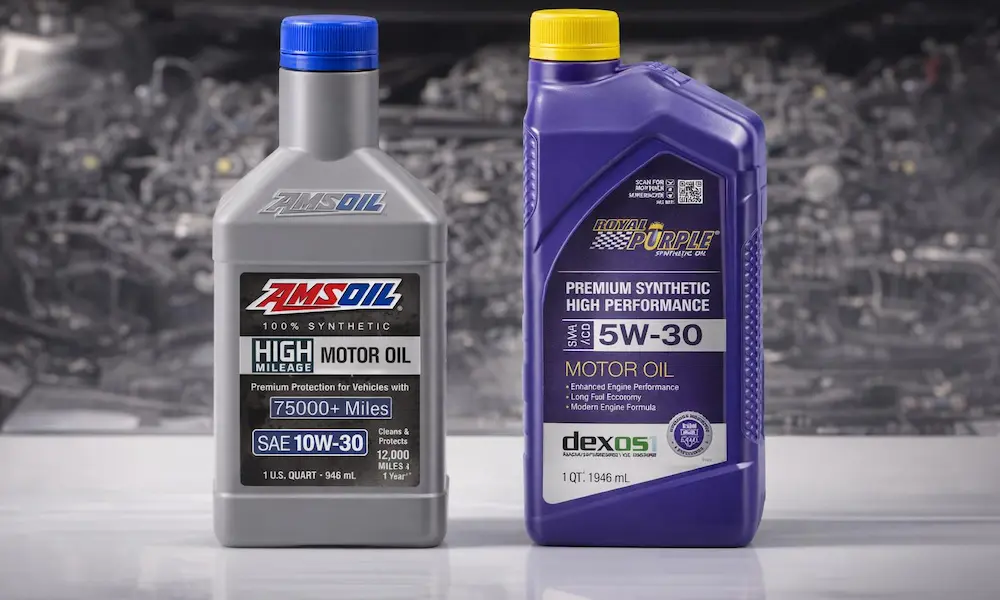
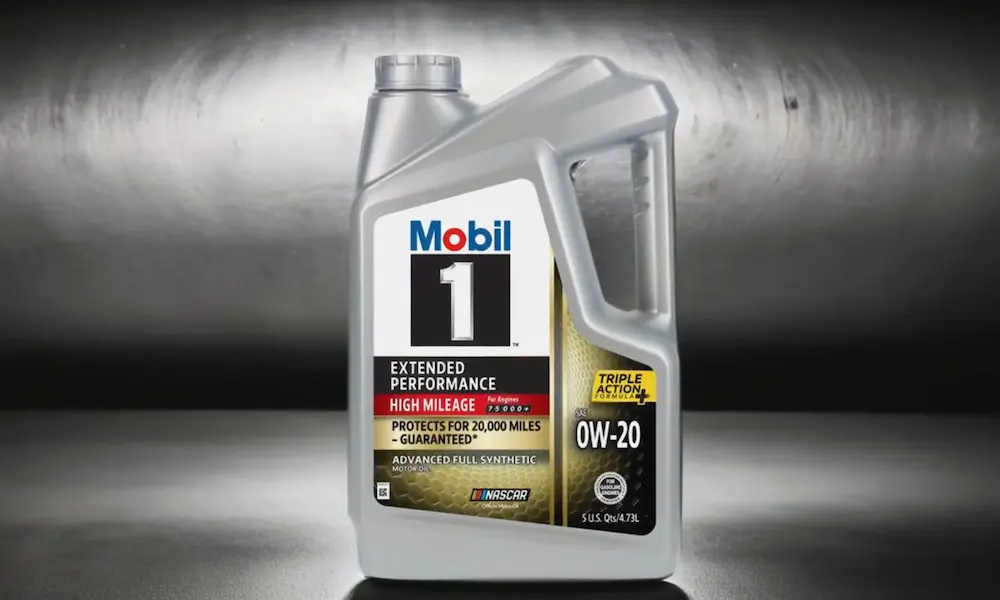
You’re standing in the auto parts aisle, staring at three different bottles of motor oil with wildly different price tags. Conventional oil looks cheap. Full synthetic looks expensive. And that synthetic blend in the middle? It’s got you wondering if it’s actually worth it or just clever marketing. Let’s cut through the confusion and figure out if synthetic blend oil deserves a spot in your engine.
What’s Actually in Synthetic Blend Oil?
Synthetic blend oil mixes conventional mineral oil with synthetic oil in varying proportions. Here’s the catch—there’s no industry standard for how much synthetic oil needs to be in the bottle. Some brands throw in just 5-10 percent synthetic components, while others pack in up to 50 percent.
The base oil typically combines API Group I or Group II conventional oils with Group III, IV, or V synthetic base oils. Group III oils go through intense hydrocracking processes that beef up their resistance to oxidation and keep viscosity stable. Group IV polyalphaolefins (PAOs) handle temperature swings like champs and maintain molecular uniformity. Group V base stocks bring specialized performance tricks to the table.
This strategic mixing lets manufacturers target specific performance goals without sending production costs through the roof. The result? You get a product that splits the difference between conventional and full synthetic in both performance and price.
Modern synthetic blend oils meet tough industry specs, including API SP and ILSAC GF-6A standards, which demand enhanced protection against low-speed pre-ignition in turbocharged engines. These aren’t just marketing buzzwords—they’re actual performance requirements that synthetic blends must pass.
How Synthetic Blend Stacks Up Against Conventional Oil
The American Automobile Association tested synthetic oils against conventional oils and found synthetic oils outperform conventional by 47 percent on average across critical metrics. Synthetic blend oils deliver roughly 25-30 percent better performance than conventional while costing significantly less than full synthetic.
Cold Weather Performance
When temperatures drop, oil gets thick. Really thick. The AAA study found that at -28°C, conventional oils were 30 percent more viscous than synthetic oils. That gap widened to 45 percent at -34°C and ballooned to 73 percent at -38°C.
Synthetic blend oils perform somewhere in the middle. They flow faster during cold starts than conventional oil, which means your engine gets lubrication quicker when it needs it most. Since most engine wear happens during startup, this matters more than you’d think.
Fighting Deposit Buildup
Nobody wants sludge clogging up their engine. AAA testing revealed that conventional oils formed 41 percent more deposits in moderately high temps and 37 percent more in high temps compared to synthetic oils. Synthetic blend oils typically show 15-20 percent better deposit resistance than conventional, keeping your engine cleaner longer.
Shear Stability
Oil molecules break down under pressure and heat. The AAA research showed conventional oils had 93 percent greater kinematic viscosity loss compared to synthetic oils. Synthetic blends typically achieve about half of this improvement, maintaining their protective properties under high-stress conditions better than conventional oil.
Oxidation Resistance
Oil breaks down when exposed to oxygen and heat, forming acids that corrode engine parts. The enhanced additive packages in synthetic blend oils resist this breakdown more effectively than conventional formulations, though they don’t match full synthetic performance.
How Long Can You Go Between Oil Changes?
Synthetic blend oils let you stretch oil change intervals compared to conventional oil, though not as far as full synthetic. Here’s the general breakdown:
- Conventional oil: 3,000 to 5,000 miles
- Synthetic blend oil: 5,000 to 7,500 miles
- Full synthetic oil: 7,500 to 10,000 miles
The extended intervals come from synthetic blend oil’s improved resistance to thermal breakdown and oxidation. The synthetic components provide better molecular stability, while advanced additive packages resist depletion more effectively.
When Severe Conditions Change Everything
Your driving habits matter as much as the oil you choose. Stop-and-go traffic, frequent short trips, extreme temperatures, towing, and dusty conditions accelerate oil degradation. Under these conditions, you’ll need more frequent changes regardless of oil type—often dropping to 5,000 miles or less for synthetic blends.
What counts as “severe driving”? More than you’d think. If you drive in a city, make lots of short trips (under 10 miles), or rarely get on the highway, you’re operating under severe conditions even if you’re just commuting to work.
Here’s something interesting: Toyota specifies that synthetic blend oils work fine in vehicles calling for 0W-20 viscosity grades, despite some mechanics claiming you need full synthetic for that viscosity. What matters is meeting the manufacturer’s performance standards, not the oil type.
Does the Math Actually Work Out?
Let’s talk money. Full synthetic oil costs about 30 percent more than conventional oil. Synthetic blend typically costs 15-20 percent more than conventional. The average price difference between conventional and full synthetic oil changes is $32 at approved auto repair facilities.
Breaking Down the Real Costs
Say you drive 15,000 miles per year. Here’s how the costs compare:
| Oil Type | Change Interval | Changes Per Year | Cost Per Change | Annual Cost |
|---|---|---|---|---|
| Conventional | 5,000 miles | 3 | $38 | $114 |
| Synthetic Blend | 7,500 miles | 2 | $50 | $100 |
| Full Synthetic | 10,000 miles | 1.5 | $70 | $105 |
Synthetic blend actually costs less annually while providing better protection than conventional oil. Not bad.
The Long Game
Extended engine life sweetens the deal even more. Enhanced protection against wear, deposits, and thermal breakdown can stretch engine life significantly—potentially saving thousands in major repairs or premature replacement. Industry data suggests proper oil maintenance with quality lubricants can extend engine life by 30 percent or more.
Fleet operators get this. Many commercial operations find synthetic blend oils hit the sweet spot of protection and cost control. Better protection means less maintenance and downtime, while the moderate price premium stays manageable across large vehicle fleets.
Will Synthetic Blend Work in Your Car?
Synthetic blend oils play nice with most gasoline engines. You can safely mix them with both conventional and full synthetic oils since they share similar base oil sources and additive chemistries. That said, mixing different oil types should stay reserved for emergencies.
Meeting Modern Engine Demands
Modern synthetic blend oils meet the same industry specifications as full synthetic oils, including API SP and ILSAC GF-6A standards. These specs ensure adequate protection for modern engine tech like gasoline direct injection, turbocharging, and variable valve timing. The backward compatibility means synthetic blend oils work safely in older vehicles originally designed for conventional oil.
When Full Synthetic Makes More Sense
Some situations call for the superior performance of full synthetic oil. High-performance vehicles, extreme operating conditions, and extended drain intervals typically need what full synthetic brings to the table. If you’re racing, towing heavy loads regularly, or operating in extreme temperatures, synthetic blend might not cut it.
Special Considerations for High-Mileage Vehicles
Older vehicles with high mileage need special attention. Synthetic blend high-mileage formulations include seal conditioners and higher viscosity bases designed to address common issues in aging engines—things like oil leaks and increased oil consumption. These specialized formulations help extend the service life of older vehicles while providing better protection than conventional oils.
What the Industry Standards Actually Mean
Synthetic blend oils face the same rigorous testing and certification requirements as full synthetic oils to receive API SP and ILSAC GF-6A approval. Testing covers multiple performance categories: shear stability, deposit formation, volatility, oxidation resistance, and low-temperature pumpability.
The International Lubricant Standardization and Approval Committee (ILSAC) and American Petroleum Institute (API) keep evolving standards to match advancing engine tech. The upcoming ILSAC GF-7 and API SQ specifications will apply to both synthetic blend and full synthetic oils, ensuring continued compatibility and protection for future engine designs.
Third-Party Verification Matters
Quality synthetic blend oils from reputable manufacturers consistently meet or exceed these standards. Independent testing by organizations like the Petroleum Quality Institute of America confirms that major brand synthetic blend oils deliver on their labeled specifications and provide reliable engine protection.
This standardization means you can compare synthetic blend oils from different manufacturers with confidence. Products meeting API SP and ILSAC GF-6A specs provide equivalent baseline protection regardless of brand, though individual formulations might offer additional benefits.
The Honest Limitations You Should Know
Synthetic blend oils aren’t perfect. They offer significant advantages over conventional oils, but typically achieve only 50-70 percent of the benefits provided by full synthetic oils. For applications requiring maximum protection or extended drain intervals, full synthetic remains the better choice.
The Formulation Wild Card
Here’s something frustrating: no industry standard defines minimum synthetic content. Different brands might provide significantly different performance characteristics. Some synthetic blend oils contain minimal synthetic content, while others approach full synthetic performance levels. You’re relying on brand reputation and independent testing to evaluate specific products.
When Conditions Get Extreme
Heavy-duty applications, racing, or severe commercial use typically require the superior thermal stability and protection of full synthetic oils. The cost savings of synthetic blend might not justify the reduced protection in demanding applications.
Temperature extremes present particular challenges. While synthetic blends handle cold better than conventional oil, they might not provide adequate protection in extremely hot climates or high-performance applications where full synthetic excels. The conventional oil component limits their temperature range.
What’s Coming Next for Synthetic Blend Oil
The synthetic blend market keeps evolving with advancing engine tech and environmental regulations. The introduction of ILSAC GF-7 and API SQ specifications in 2025 will require enhanced performance from all oil types, including synthetic blends. These new standards emphasize improved fuel economy, reduced emissions, and enhanced engine protection.
Manufacturers are investing in advanced additive technologies and base oil refining processes to improve synthetic blend performance while controlling costs. These developments aim to narrow the performance gap between synthetic blend and full synthetic oils.
The growing prevalence of hybrid vehicles influences oil formulation strategies too. While these vehicles use oil less frequently, the intermittent operation patterns place unique stresses on lubricants, potentially favoring synthetic blend formulations optimized for stop-start operation.
Environmental considerations drive increased focus on extended drain intervals and reduced oil consumption. Synthetic blend oils that enable longer service intervals contribute to reduced waste oil generation, aligning with broader sustainability initiatives in the automotive industry.
The Bottom Line on Synthetic Blend Oil
Is synthetic blend oil good? For most drivers, absolutely. It delivers measurable improvements in shear stability, cold temperature performance, deposit resistance, and oxidation protection compared to conventional oil. You get enhanced engine protection without the premium cost of full synthetic.
The technology works. The AAA research proves it. Synthetic blend oils provide reliable protection for modern engines while offering extended service intervals and improved overall value. For most applications, they hit the sweet spot between performance, protection, and cost.
Choose quality products from reputable manufacturers that meet current industry specifications. Follow your manufacturer’s recommendations for oil change intervals while considering your specific driving conditions. If you’re driving a typical passenger vehicle under normal conditions, synthetic blend oil offers an optimal balance that makes it a smart choice for your maintenance program.
Don’t overthink it. Unless you’re pushing your vehicle to extremes or following manufacturer requirements for full synthetic, synthetic blend gives you most of the benefits at a price that actually makes sense.