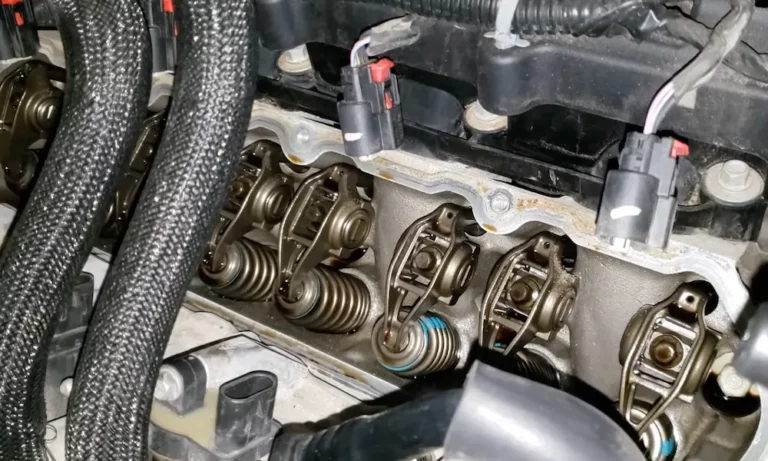
Are you tired of that annoying vibration when your V8 truck switches to 4-cylinder mode? Or maybe you’ve heard horror stories about expensive lifter failures in GM trucks with cylinder deactivation. Either way, you’re probably wondering if an “8 cylinder to 4 cylinder delete” is worth it. Let’s dive into everything you need to know about this increasingly popular engine modification.
What Is Cylinder Deactivation Technology?
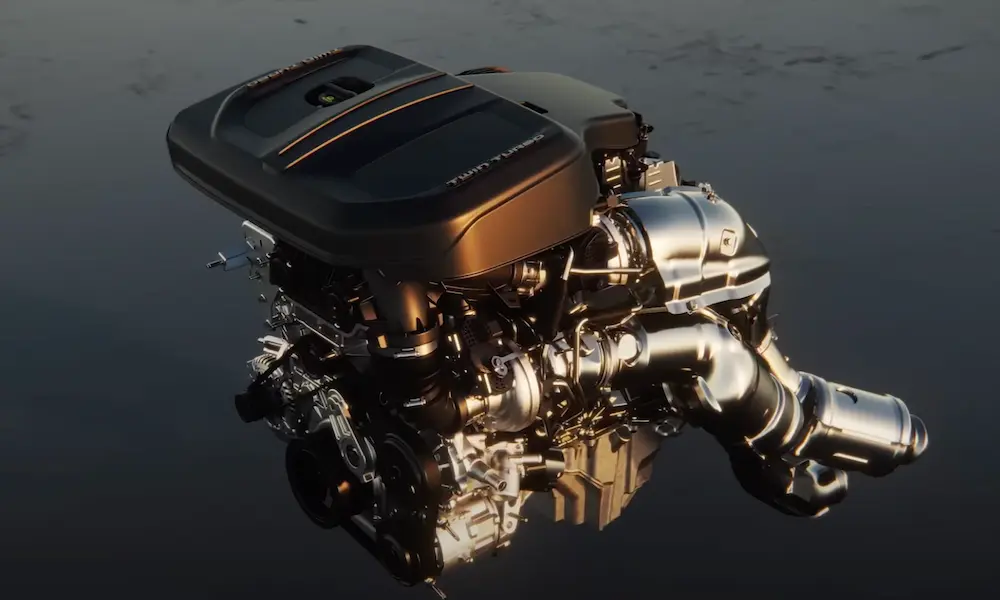
Cylinder deactivation is a fuel-saving technology that automatically shuts down half of your engine’s cylinders when you don’t need full power. When cruising on the highway or driving under light loads, your V8 engine temporarily becomes a 4-cylinder engine.
General Motors calls this system Active Fuel Management (AFM) or Dynamic Fuel Management (DFM), while other manufacturers have their own versions:
- GM: Active Fuel Management (AFM) and Dynamic Fuel Management (DFM)
- Dodge/Chrysler: Multiple Displacement System (MDS)
- Honda: Variable Cylinder Management (VCM)
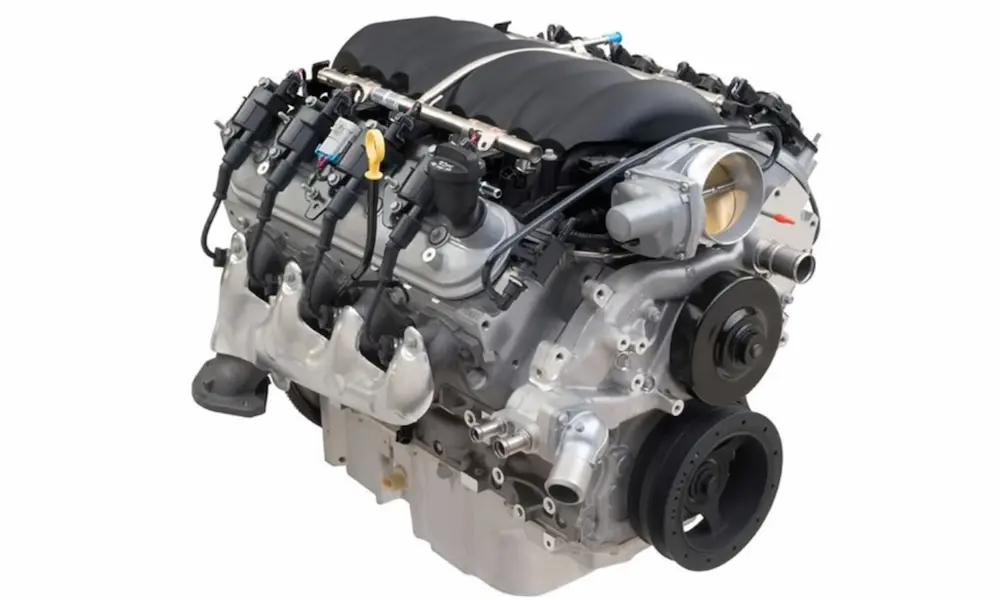
These systems work by using special collapsible lifters that can disable the intake and exhaust valves on selected cylinders. When the Engine Control Module decides to save fuel, it sends pressurized oil to these lifters, causing them to collapse and prevent the valves from opening. The fuel injectors for those cylinders also shut off, turning them into “air springs.”
Why Many Owners Want to Delete This Feature
Despite the fuel-saving promises, many owners are rushing to disable or “delete” their cylinder deactivation systems. Here’s why:
Reliability Concerns
The biggest issue driving the delete movement is reliability. The lifters used in AFM/DFM systems are complex mechanical components that frequently fail. These failures often happen between 30,000 and 150,000 miles and can lead to:
- Engine misfires and rough running
- Check engine lights
- Excessive oil consumption
- Damaged camshafts
- Complete engine failure requiring replacement
According to automotive experts, lifter failure in these systems is often “a question of when, not if.” The newer DFM systems seem particularly prone to problems, with some experiencing failures as early as 30,000 miles.
Driving Experience Issues
Even when working properly, many drivers hate how cylinder deactivation affects their driving experience:
- Noticeable vibration when cylinders deactivate
- Uneven power delivery
- Strange engine sounds during transition
- Delayed throttle response when returning to full V8 power
Minimal Real-World Fuel Savings
While manufacturers claim 5-7% fuel economy improvements, real-world results often disappoint. Many owners report seeing little to no fuel economy benefit in actual driving conditions. The U.S. Department of Energy estimates a 7.5% improvement under ideal conditions, but your results may vary significantly based on driving style and conditions.
Types of AFM/DFM Delete Options
If you’re considering removing your cylinder deactivation system, you have several options, ranging from simple and affordable to complex and comprehensive.
Electronic Disablers
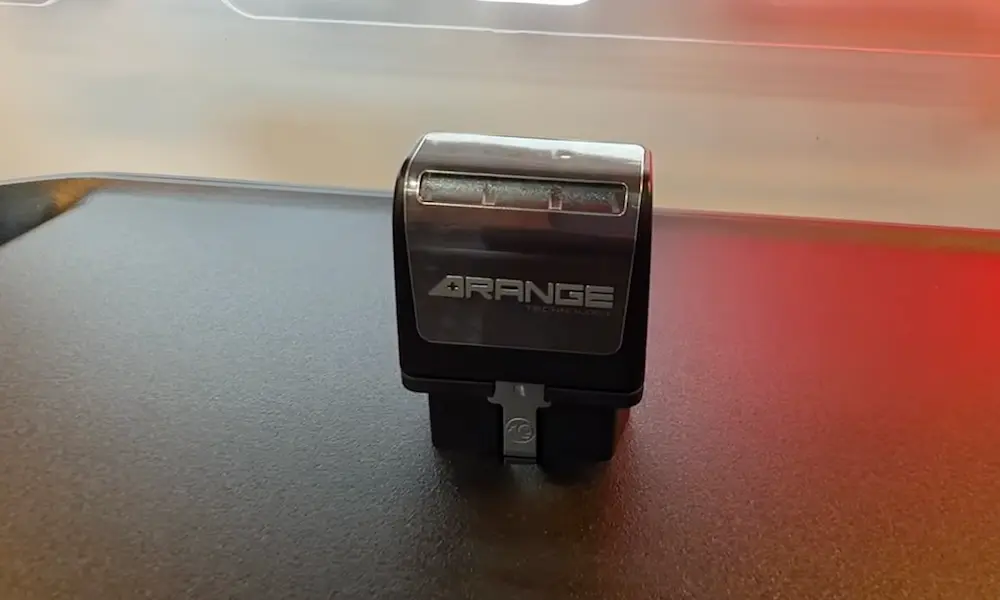
The simplest solution is an electronic AFM/DFM disabler like those made by Range Technology. These devices:
- Plug into your OBD-II diagnostic port
- Prevent the engine computer from entering 4-cylinder mode
- Can be installed in minutes with no tools
- Are completely reversible (just unplug it)
While electronic disablers are popular for their simplicity, they only address the software side of the problem. The problematic hardware remains in your engine, and lifter failures can still occur—though potentially at a reduced rate.
No products found.
Tuning-Only Solutions
Custom engine tuning can permanently disable AFM/DFM through software:
- Requires a professional tuner or DIY tuning device
- Costs $300-600 depending on your location and tuner
- May offer additional performance benefits
- Often requires a tune revision if the vehicle receives dealer service
Like electronic disablers, tuning doesn’t address the hardware issues. The problematic lifters remain in your engine and can still fail.
Complete AFM/DFM Delete Kits
For a permanent solution, complete delete kits replace all the problematic components. These kits typically include:
| Component | Purpose |
|---|---|
| Standard roller lifters | Replace failure-prone collapsible AFM lifters |
| Non-AFM camshaft | Required due to different lobe profiles |
| Lifter guides and trays | Hold new lifters in place |
| Valley cover/block-off plates | Seal the engine and block unused oil passages |
| Gaskets and hardware | Complete the installation |
| Engine tuning | Disable AFM/DFM in the engine computer |
A complete delete kit costs $750-1500 for parts alone. Professional installation adds another $1500-3000 in labor costs, bringing the total to $3000-5000. While expensive, this approach completely eliminates the AFM system and its failure modes, providing long-term reliability.
Cost-Benefit Analysis: Is a Delete Worth It?
Whether an AFM/DFM delete makes sense depends on your specific situation:
For Newer Vehicles Under Warranty
If your vehicle is still under warranty, an electronic disabler makes the most sense because:
- It’s reversible before dealer service
- Minimizes warranty complications
- Offers immediate relief from vibration and transition issues
- Provides a low-cost “test” to see if you notice any fuel economy changes
For Higher-Mileage Vehicles (75,000+ miles)
For vehicles with higher mileage, especially those approaching or past 100,000 miles:
- Complete delete kits offer the best long-term reliability
- May be cheaper than repairing a failed AFM system later
- Often combined with performance upgrades like a more aggressive camshaft
- Provides peace of mind for long-term ownership
For Performance Applications
If you’re already modifying your vehicle for performance:
- Complete delete kits pair well with other engine upgrades
- Can be combined with camshaft upgrades for significant power gains
- Eliminate reliability concerns during high-performance driving
Real-World Experiences with AFM/DFM Deletes
Truck forums and social media are filled with owner experiences regarding AFM/DFM deletes. The consensus among those who’ve made the change is overwhelmingly positive:
“The Range disabler was the best $200 I ever spent on my truck. No more weird vibration at highway speeds, and it just feels better to drive.”
“After my second set of lifters failed at 87,000 miles, I bit the bullet and got the complete delete kit with a mild cam. Should have done it the first time – truck runs better than new now.”
“I just did the tuning delete on my 2019. Didn’t notice any real change in fuel economy, but the truck feels more responsive and doesn’t have that annoying shudder anymore.”
Technical Details: How Cylinder Deactivation Works
For those interested in the technical aspects, here’s how these systems actually work:
When the Engine Control Module determines that full power isn’t needed, it activates the cylinder deactivation process:
- Oil pressure is directed to solenoids in the Valve Lifter Oil Manifold (VLOM)
- These solenoids direct oil to special passages in the engine block
- Pressurized oil reaches the collapsible lifters
- The lifters’ internal locking pins disengage, allowing them to collapse
- The collapsed lifters can’t open the intake and exhaust valves
- Fuel injectors for those cylinders shut off
- The pistons continue moving up and down, but no combustion occurs
GM’s newer DFM system is even more sophisticated, offering 17 different firing patterns and capable of deactivating up to 6 cylinders. The system recalculates the optimal firing pattern 80 times per second, placing enormous stress on the mechanical components.
The Root Causes of AFM/DFM Failures
Understanding why these systems fail helps explain why deletes are so popular:
Design Complexity
The collapsible lifters contain tiny moving parts, springs, and locking pins in an environment with extreme pressure, temperature, and vibration. This complexity in a harsh environment creates multiple potential failure points.
Oil Pressure Dependencies
The system relies on precise oil pressure to function correctly. Any issues with oil quality, oil pressure, or passages becoming restricted can cause problems with the deactivation system.
Excessive Cycling
DFM systems can switch between different cylinder patterns up to 80 times per second. This constant activation and deactivation places enormous mechanical stress on the lifter components.
Fundamental Engineering Tradeoffs
Engineers had to compromise between durability and function. The lifters must be able to collapse for fuel economy but remain rigid enough to handle the forces of valve actuation. This fundamental conflict creates inherent reliability concerns.
Legal and Warranty Considerations
Before modifying your vehicle, consider these important factors:
Warranty Impacts
Modifying your engine, especially with physical components, may impact your vehicle’s warranty. While the Magnuson-Moss Warranty Act provides some protection, manufacturers can deny warranty claims if they can prove your modification caused the failure.
Electronic disablers can be removed before dealer service, potentially avoiding warranty complications. Complete delete kits are much harder to hide and more likely to affect warranty coverage.
Emissions Compliance
While AFM/DFM delete kits themselves don’t necessarily affect emissions, the tuning required to make them work might. Some tuners may remove other emissions controls during the delete process, which could make your vehicle non-compliant with federal emissions regulations.
Always check with your tuner about emissions compliance, especially if you live in an area with strict emissions testing.
Industry Impact and Market Response
The cylinder deactivation controversy has had significant impacts on the automotive market:
Class Action Lawsuits
GM has faced multiple lawsuits related to AFM/DFM issues, including a class-action lawsuit filed in December 2021. This lawsuit alleges that GM failed to address fundamental design defects in the system.
Resale Value Considerations
Vehicles known for AFM/DFM problems sometimes suffer reduced resale values. Conversely, vehicles with documented delete kits using quality parts may command premium prices in some markets due to their enhanced reliability.
Manufacturer Response
While manufacturers haven’t abandoned cylinder deactivation technology, there are signs they recognize the issues. Some newer engines have improved designs, and service bulletins have been issued for certain model years.
Practical Installation Considerations
If you decide to proceed with a delete, here are some practical considerations:
Time Requirements
- Electronic disablers: 5 minutes
- Tuning-only solution: 1-2 hours
- Complete delete kit: 15-25 hours of professional labor
Skill Level Required
- Electronic disablers: Beginner (plug-and-play)
- Tuning-only solution: Intermediate (requires computer skills)
- Complete delete kit: Professional (requires engine disassembly)
Tools Needed
Complete delete kits require extensive specialty tools including:
- Torque wrenches
- Cam bearing tools
- Lifter removal tools
- Engine hoist or vehicle lift
- Tuning software and interface
This is why most owners choose professional installation for complete delete kits.
Choosing the Right Delete Solution for Your Vehicle
To determine the best solution for your specific situation, consider these factors:
Vehicle Age and Mileage
- Under 50,000 miles: Electronic disabler is often sufficient
- 50,000-100,000 miles: Consider tuning or complete delete
- Over 100,000 miles: Complete delete often provides the best value
Planned Ownership Duration
If you plan to keep your vehicle long-term (5+ years), a complete delete offers the best protection against expensive future repairs.
Budget Constraints
Working with limited funds? Start with an electronic disabler and save for a complete delete if problems develop.
Performance Goals
If you’re seeking more power along with reliability, combining a delete with performance upgrades like a camshaft swap makes financial sense.
Making the Decision: Is a Delete Right for You?
The “8 cylinder to 4 cylinder delete” phenomenon highlights the tension between fuel economy regulations and real-world reliability. While cylinder deactivation technology offers modest fuel savings in ideal conditions, the complexity and potential for expensive failures have created a substantial aftermarket focused on removing these systems.
If you’re experiencing AFM/DFM-related issues or want to prevent them, consider starting with an electronic disabler. This affordable solution lets you experience how your vehicle runs without cylinder deactivation before committing to more extensive modifications.
For those committed to long-term ownership or already facing reliability issues, a complete delete kit provides the most comprehensive solution, eliminating both the symptoms and causes of AFM/DFM problems.
Whatever you decide, knowing your options helps you make an informed choice that balances reliability, performance, and budget considerations for your specific situation.