Confused about whether that extra three cents per gallon makes a difference? Let’s cut through the marketing and look at what the science actually says. Spoiler: your engine type determines everything, and the math might surprise you—especially when you’re actually losing money by choosing cheaper gas.
What Makes Top Tier Gas Different From Regular Gas
Here’s the thing most people don’t know: all gas sold in the U.S. already meets EPA minimum standards. The 1996 EPA requirement forced every gallon to include detergent additives that prevent basic engine gunk buildup.
But by the early 2000s, automakers like BMW, Honda, and Toyota had a problem. Their engines were getting more sophisticated—tighter tolerances, advanced combustion tech—and the EPA minimum wasn’t cutting it. Deposits were still forming, triggering warranty claims and emissions headaches.
So in 2004, the automakers themselves created Top Tier Detergent Gasoline. Not the fuel companies. The car manufacturers.
The Technical Requirements That Actually Matter
To earn the Top Tier logo, fuel brands must:
- Pack in significantly more detergent additives (some reports say 2-5x the EPA minimum)
- Pass rigorous independent tests for keeping injectors, intake valves, and combustion chambers clean
- Ban metallic additives that damage catalytic converters and oxygen sensors
- Apply the standard to all octane grades—regular, mid-grade, and premium
That last point trips people up constantly. Top Tier isn’t about octane. It’s about cleanliness. You can buy Top Tier regular gas, which is what most people should do.
The AAA Study That Changed Everything
In 2016, AAA got skeptical of the marketing hype and hired an independent testing lab to run the numbers. They simulated 4,000 miles of driving and measured actual deposit buildup.
The results? Kind of shocking.
Engines running on non-Top Tier gas had 19 times more carbon deposits on their intake valves compared to Top Tier. We’re talking 660 milligrams versus 34 milligrams—a 95% reduction.
But here’s what really matters for your wallet: that deposit buildup causes a 2-4% loss in fuel economy over time. Plus rough idling, hesitation, and increased emissions.
The study also tested whether Top Tier could clean existing deposits. After running a gunked-up engine on Top Tier for just 1,000 miles, significant residue had cleared.
What Consumers Actually Do (Versus What They Should Do)
Here’s the disconnect: 63% of drivers believe gas quality varies between brands. Yet 75% choose stations based on location, and 73% pick based on price. Only 12% actually consider the detergent package.
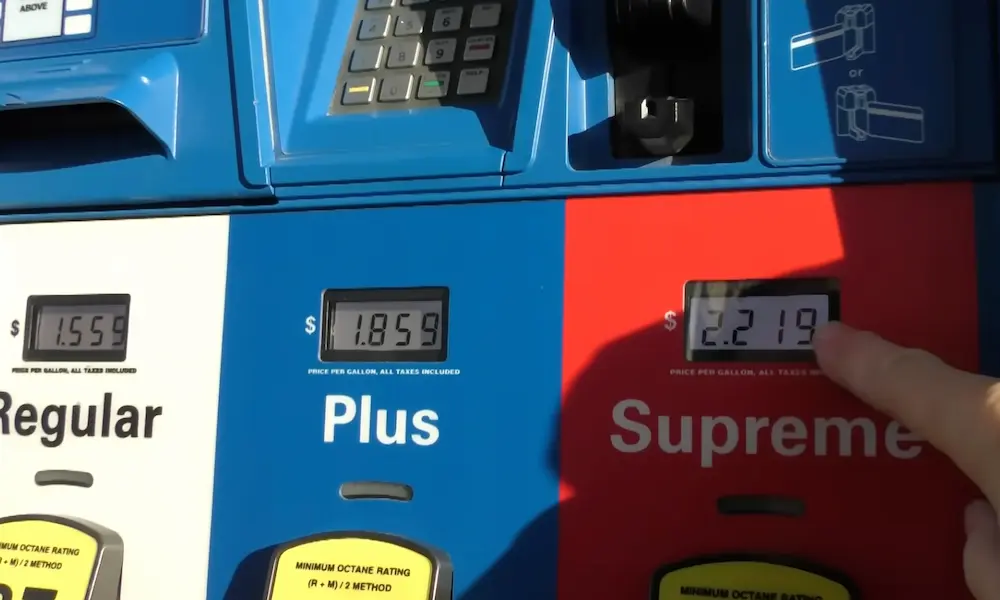
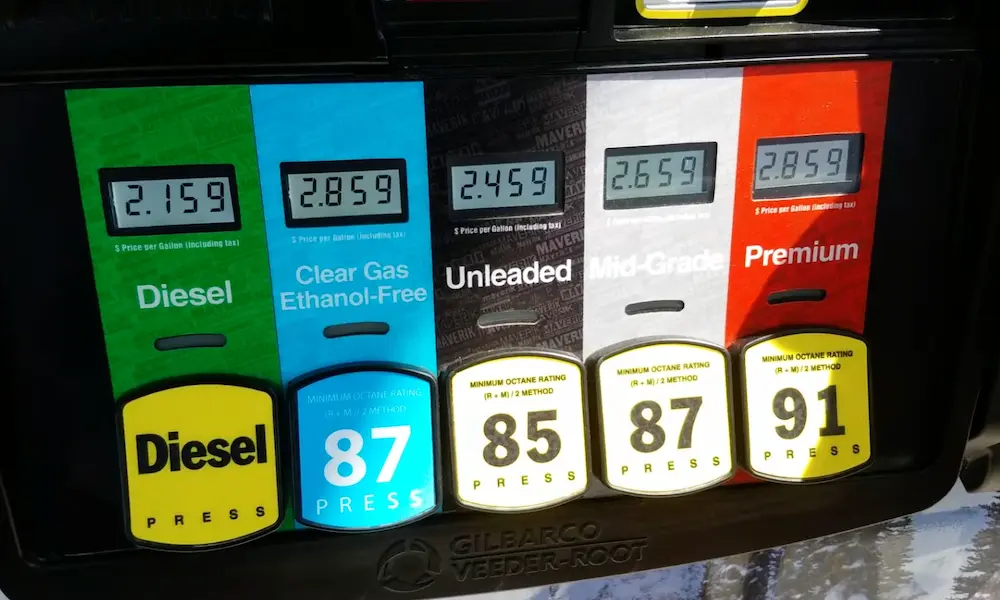
People are penny-wise and pound-foolish. The average Top Tier premium? Three cents per gallon. The hidden cost of that 2-4% fuel economy hit at $3.50/gallon? Seven to fourteen cents per gallon.
You’re already paying more by choosing cheaper gas.
Your Engine Type Changes Everything
This is where it gets technical—but stay with me, because it determines whether Top Tier is merely helpful or absolutely critical for your car.
Port Fuel Injection Engines: The Simple Answer
If you drive a car from the 1990s through mid-2010s, you likely have Port Fuel Injection (PFI). The injector sits in the intake manifold and sprays fuel directly onto the intake valve before it enters the cylinder.
This design creates a constant “washing effect.” The fuel (and its detergents) continuously rinses the components most prone to carbon buildup.
For PFI engines, is top tier gas worth it? Absolutely yes. The AAA findings apply directly. Top Tier prevents the exact deposits that cause performance loss and drivability issues in these engines.
Gasoline Direct Injection: The Plot Twist
Most new cars use Gasoline Direct Injection (GDI). The technology improves fuel economy and emissions, which is why automakers love it. But there’s a fundamental problem.
In GDI engines, the injector moves inside the combustion chamber. Fuel sprays directly where it burns. Sounds great, right?
Except now the fuel completely bypasses the intake valves. No washing effect. None.
GDI intake valves get hammered with oil vapor from the crankcase ventilation system and exhaust gases that “bake on” at high temperatures. Carbon buildup is inevitable and severe.
Here’s the critical point: Top Tier gasoline cannot prevent or clean intake valve deposits on GDI engines. The fuel never touches those valves. Anyone claiming otherwise is wrong.
So Why Does Top Tier Matter for GDI?
Because GDI engines have a different, arguably worse problem: injector coking.
GDI injectors operate under extreme pressure (2,000+ psi) with their tips sitting inside the furnace-like combustion chamber. They’re incredibly vulnerable to carbon deposits forming on the nozzle.
When that happens, the precise spray pattern gets disrupted. Fuel doesn’t atomize properly. Combustion suffers. Performance tanks.
Studies from SAE International confirm that fuel detergents are the most effective method for controlling GDI injector deposits. One study showed detergent additives reduced injector flow loss from 11.23% down to 3.14%.
The Top Tier consortium knows this. In 2024, they announced Top Tier+, a new standard specifically adding GDI injector cleanliness tests.
That’s the automakers telling you this problem is real and serious.
The Dual-Injection Solution
Some manufacturers (Toyota, Ford) got clever and installed both systems. These dual-injection engines use GDI for high-load efficiency and PFI for low-load operation—which also washes the intake valves.
If you’ve got dual-injection, Top Tier protects everything: the PFI system cleans your valves, while the detergents protect your high-pressure GDI injectors.
| Engine Type | Intake Valve Protection | Injector Protection | Top Tier Value |
|---|---|---|---|
| Port Fuel Injection (PFI) | High—fuel washes valves constantly | High—prevents low-pressure injector deposits | Excellent across the board |
| Gasoline Direct Injection (GDI) | None—fuel bypasses valves entirely | Critical—protects high-pressure injectors from coking | Essential for injectors only |
| Dual-Injection (PFI + GDI) | High—PFI system washes valves | Critical—protects both injector types | Maximum comprehensive protection |
Top Tier Gas vs. Bottled Fuel Additives
Can’t you just buy cheap gas and add a bottle of cleaner every few months?
Technically, yes. Practically, it’s the wrong approach.
Prevention Beats Cure
Top Tier uses a “keep-clean” strategy—constant low-dose detergents preventing deposits from forming. Bottled additives use a “clean-up” strategy—letting deposits accumulate, then blasting them with concentrated solvents.
From an engineering standpoint, preventative maintenance always beats corrective maintenance. Plus, those bottles of quality cleaner every 3,000 miles cost more than the 3-cent Top Tier premium.
Your car’s owner manual probably recommends Top Tier specifically. Some manufacturers explicitly warn against certain aftermarket additives due to compatibility concerns.
The GDI Exception (Again)
Remember: for GDI intake valves, neither Top Tier nor bottled fuel additives help. The fuel never reaches those valves.
The only way to clean GDI intake valve deposits is spraying cleaner (like CRC GDI IVD Cleaner) directly into the air intake while the engine runs. That’s a separate maintenance item, unrelated to fuel quality.
The Bottom Line: Yes, It’s Worth It
Let’s do the math one more time, because the economics are stupidly straightforward.
The cost: 3 cents per gallon premium on average.
The benefit: Preventing a 2-4% fuel economy loss, which at $3.50/gallon equals 7-14 cents per gallon in hidden costs.
You’re saving 10 cents per gallon (minimum) by spending an extra 3 cents. Plus you’re avoiding expensive repairs like GDI injector replacement or professional intake cleaning services.
Finding Top Tier Stations
Convenience used to be an issue, but not anymore. As of 2024, 61+ licensed brands operate in North America, including Shell, Exxon, Mobil, Chevron, Costco, and QuikTrip. Check the full list to find stations near you.
The Final Recommendation
For PFI engines (older cars): Yes, absolutely use Top Tier. It’s the simplest, cheapest way to prevent the valve and injector deposits these engines are prone to.
For GDI engines (newer cars): Yes, it’s essential—but understand what it actually does. Top Tier won’t solve your intake valve carbon problem (nothing poured in the tank will). But it’s your primary defense against injector coking, which directly kills performance and efficiency.
For all vehicles: The real cost isn’t the 3-cent premium. It’s the 2-4% fuel economy penalty and long-term repair bills from using minimum-detergent gas.
Stop overthinking it. Fill up at Costco, Shell, or any Top Tier station. Your engine will thank you, and your wallet won’t notice the difference—except when you’re spending less on fuel and repairs.