Is your Kia’s AC blowing hot air instead of cool? You might be one of thousands experiencing air conditioning issues in Kia vehicles. While many owners are searching for information about a “Kia air conditioning recall,” the situation is more complex than it first appears.
The Current Status of Kia AC Issues
Despite widespread complaints about failing air conditioning systems in various Kia models, there is currently no official safety recall specifically targeting air conditioning systems in Kia vehicles. This might come as a surprise to many owners battling AC problems, especially with the significant number of complaints across online forums and social media.
Instead of a formal recall, Kia has responded to these issues through service campaigns, technical service bulletins (TSBs), and warranty extensions for specific models and components.
What’s the Difference Between Recalls and Service Actions?
Understanding the distinction between recalls and other service actions helps clarify Kia’s approach to addressing AC problems:
| Type of Action | Description | Consumer Impact | Notification Method |
|---|---|---|---|
| Safety Recall | Mandatory fix for issues that violate safety standards | Free repairs regardless of warranty status | Direct mail from manufacturer |
| Service Campaign | Voluntary action for non-safety issues | Free repairs for specified vehicles | May or may not receive direct notification |
| Technical Service Bulletin (TSB) | Repair guidance for dealers | Repairs only covered under warranty | No direct consumer notification |
| Warranty Extension | Expanded coverage for specific components | Free repairs within extended timeframe | Sometimes notified by mail |
When the National Highway Traffic Safety Administration (NHTSA) or manufacturers determine a vehicle creates an unreasonable safety risk, they issue a safety recall. However, air conditioning problems typically don’t qualify as safety issues unless they affect vehicle operation or driver visibility.
Kia’s Major AC Service Actions and Campaigns
While there’s no formal recall, Kia has implemented several programs to address AC problems:
Service Campaign SC307: K5 HVAC Blower Motor Problems (2024)
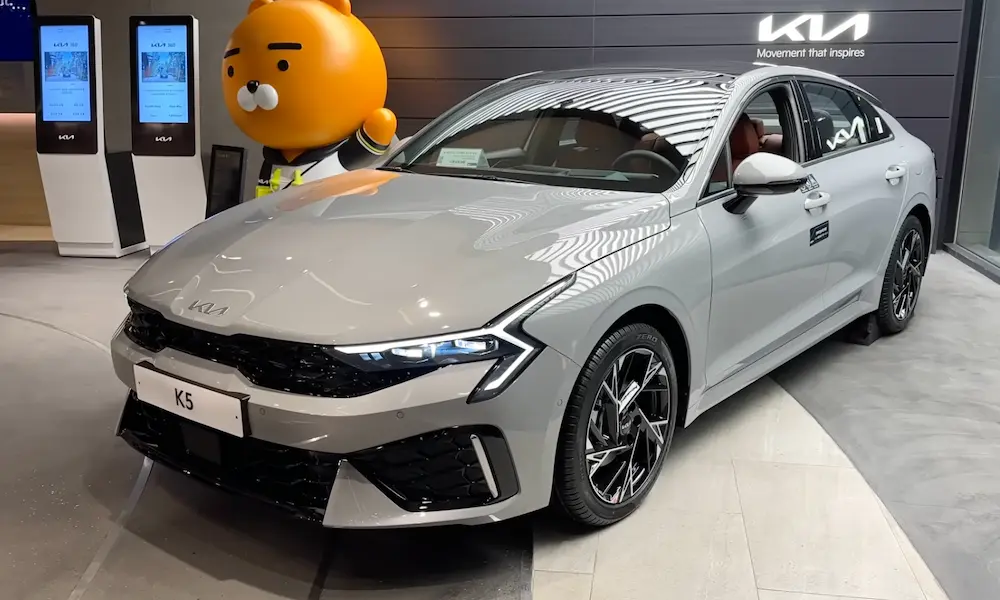
The most significant response came in August 2024 with Service Campaign SC307 for certain 2021-2022 K5 vehicles. This campaign addresses HVAC blower motor fuse damage occurring when extended use of the system at high fan speeds damages multi-fuse terminals.
Key aspects of this campaign include:
- Affected Vehicles: 2021-2022 K5 models originally sold in hot-weather states (Arizona, Florida, Hawaii, Louisiana, Mississippi, Nevada, and Texas)
- The Problem: Damage to multi-fuse terminals causes the blower motor to become inoperative
- The Fix: Dealers relocate the 40-ampere fuse to another circuit with increased terminal width
- Warranty Extension: Coverage extended from 5 years/60,000 miles to 15 years/180,000 miles for HVAC blower motor repairs
- Cost to Owners: All repairs performed free of charge
If you own a K5 and experience reduced airflow from your vents, this campaign might apply to your vehicle, even if you haven’t received direct notification.
Technical Service Bulletins for AC Performance Issues
Kia has issued several TSBs for air conditioning problems across multiple models:
TSB CLI046 (2019) – Sportage AC Problems:
This bulletin addresses reduced or inoperative air conditioning in 2017-2019 Sportage vehicles produced between December 1, 2015, and July 7, 2017. The TSB outlines procedures for dealers to inspect and replace AC compressors, Evaporator Temperature Sensors, and External Control Valves based on inspection findings.
Service Action SA267 (2017) – Sedona Refrigerant Leaks:
This service action targets 2015-2016 Sedona vehicles produced between March 1, 2015, and March 29, 2016, addressing refrigerant leaks from poor heat resistance at the AC discharge hose.
Common Kia AC Problems Reported by Owners
Despite the limited official actions, Kia owners report numerous air conditioning issues across various models:
AC Compressor Failures
Many owners of 2023 Niro, 2017 Soul EV, and various other Kia models report complete compressor failures. These failures often occur without warning and can be expensive to repair, with costs ranging from $2,200 to $3,200 when not covered under warranty.
One 2023 Niro owner shared on Reddit: “My AC compressor died completely after only 14 months of ownership. The dealer quoted over $3,000 for repairs, and Kia initially refused to cover it despite the vehicle being under warranty.”
Thermostat Actuator Issues
2024 K5 GT owners have reported intermittent AC failures caused by faulty Thermostat Actuator Assemblies (part number 97614 L1000). Many owners discover these parts are on backorder, suggesting a widespread supply chain issue.
Refrigerant System Problems
Ongoing complaints about refrigerant leaks and system pressure losses plague multiple Kia models across several model years. These issues often manifest as gradually diminishing cooling performance until the system fails completely.
The Gap Between Consumer Complaints and Official Actions
There’s a significant disparity between the volume of consumer complaints about Kia air conditioning problems and the manufacturer’s official responses. While online forums and social media are filled with reports of AC failures across numerous Kia models, the company’s formal actions have been limited to specific vehicles and components.
This gap creates frustration for many owners, especially those experiencing similar issues in vehicles not covered by service campaigns or TSBs. Some owners report difficulties getting dealers to acknowledge problems, while others face substantial repair costs for issues that appear to be widespread.
How to Check if Your Kia Qualifies for AC Service Actions
If you’re experiencing air conditioning problems with your Kia, take these steps to determine if your vehicle might be covered by an existing service action:
- Check your VIN for recalls and service campaigns
Visit NHTSA.gov/recalls and enter your Vehicle Identification Number (VIN) to see if any recalls or service campaigns apply to your vehicle. - Contact Kia Customer Care
Call Kia’s customer service at 1-800-333-4542 to inquire about potential coverage for your specific AC issue, even if no recall appears in the system. - Visit Kia’s owner portal
Check the official Kia owners portal at owners.kia.com for information about recalls and service campaigns that might not yet appear in the NHTSA database.
Recognizing Symptoms of Covered AC Issues
Be aware of these common symptoms that might indicate your vehicle is affected by a known issue with potential coverage:
Complete Loss of Cooling
If your AC suddenly stops producing cold air altogether, this could indicate compressor failure or refrigerant leaks. Document when the failure occurred and any circumstances that might have preceded it.
Reduced Airflow
If you notice diminished air volume from your vents while the AC is running, this could signal blower motor issues similar to those covered under SC307 for eligible K5 vehicles.
Intermittent AC Operation
Does your AC work sometimes but not others? This might point to actuator or temperature sensor problems covered by certain TSBs.
Warning Lights
Pay attention to any dashboard warning indicators that illuminate when AC problems occur. These can help technicians diagnose the specific issue.
What to Do if Your Kia Has AC Problems
If you’re experiencing air conditioning issues with your Kia:
1. Document Everything
Keep detailed records of when problems first appeared, any diagnostic codes, and all interactions with dealers and Kia customer service. This documentation can be crucial if you need to pursue warranty coverage or reimbursement later.
2. Get Multiple Opinions
If one dealership is unwilling to address your concerns, consider getting a second opinion from another Kia service center. Different dealers sometimes have different approaches to warranty and service campaign coverage.
3. File a Complaint with NHTSA
Help build the official record of Kia AC issues by filing a complaint with NHTSA at nhtsa.gov. While air conditioning problems may not qualify as safety issues, patterns of complaints can sometimes lead to expanded manufacturer actions.
4. Join Owner Forums
Connect with other Kia owners experiencing similar issues through model-specific forums on Reddit, Facebook, or dedicated sites like MyKiaSoulEV.com. These communities often share successful repair strategies and updates on manufacturer actions.
Recent Kia Recalls (Not AC-Related)
While there are no official AC recalls, Kia has issued several other recalls that might affect your vehicle:
- Recall 25V351: Affects 82,281 2025 K5 vehicles for parking lamp software issues
- Recall 25V024: Covers 80,255 2023-2025 Niro vehicles for airbag wiring problems
These recalls demonstrate that Kia does initiate formal recall actions when safety issues are identified, but air conditioning problems have so far been addressed through other means.
Potential Costs for Non-Covered AC Repairs
If your Kia’s air conditioning issues aren’t covered under warranty or a service campaign, prepare for potentially significant repair costs:
| AC Component | Average Repair Cost | Labor Hours | Typical Parts Cost |
|---|---|---|---|
| Compressor | $1,200 – $3,200 | 4-6 hours | $700 – $1,800 |
| Evaporator | $1,000 – $2,000 | 5-8 hours | $300 – $600 |
| Condenser | $400 – $900 | 2-3 hours | $200 – $500 |
| Refrigerant Leak | $150 – $800 | 1-3 hours | $50 – $300 |
| Blower Motor | $250 – $600 | 1-2 hours | $150 – $350 |
These costs vary significantly based on your location, vehicle model, and the specific dealer or repair shop you choose.
Legal Considerations for Kia Owners
While no class action lawsuits specifically targeting Kia air conditioning systems have been successful to date, there have been legal actions concerning other Kia systems.
In March 2025, a nationwide class action lawsuit was filed against Kia America Inc. alleging that 2021-2023 Soul and Seltos vehicles were sold with engine defects. Though this case primarily focuses on engine issues rather than air conditioning, it highlights ongoing concerns about Kia’s response to known vehicle defects.
Some legal experts suggest that the pattern of AC complaints could potentially support future class actions if evidence emerges of systemic problems across multiple models.
Will Kia Issue a Formal AC Recall?
While it’s impossible to predict future manufacturer actions, several factors influence whether Kia might eventually issue a formal recall for air conditioning systems:
- Safety implications: AC failures would need to be linked to safety risks to trigger a mandatory recall
- Complaint volume: Continued high volumes of complaints to NHTSA could increase pressure for action
- Failure patterns: Evidence of consistent failure mechanisms across multiple models would strengthen the case
- Cost considerations: The financial implications of a widespread recall are significant
For now, Kia appears to prefer addressing AC issues through targeted service campaigns and TSBs rather than comprehensive recalls.
Protecting Yourself as a Kia Owner
Take these proactive steps to protect yourself from potential AC issues:
Regular AC Maintenance
Don’t skip scheduled maintenance that includes AC system checks. Regular inspection can identify potential problems before they lead to complete system failure.
Document Performance Changes
Keep notes about any changes in cooling performance, unusual noises, or other symptoms. The earlier you can document problems, the stronger your case for warranty coverage.
Know Your Warranty Coverage
Familiarize yourself with the specific warranty coverage for your vehicle, including:
- Basic warranty (typically 5 years/60,000 miles)
- Powertrain warranty (typically 10 years/100,000 miles)
- Any applicable warranty extensions like the K5’s blower motor coverage
Be Persistent
If you believe your AC issue should be covered, be persistent with both dealers and Kia corporate. Reference specific service campaigns or TSBs that might apply to your situation.
The Future of Kia AC Reliability
While current owners face uncertainty regarding AC issues, Kia has made some improvements in newer models:
- Updated compressor designs in some 2024 and 2025 models aim to address reliability problems
- Improved refrigerant systems with better leak protection
- Enhanced cooling algorithms for more efficient operation in hot weather
Whether these changes will successfully resolve the pattern of AC problems remains to be seen, but they represent acknowledgment of the issues many owners have faced.
Staying Informed About Kia AC Issues
To keep up with developments regarding Kia air conditioning problems:
- Register your vehicle with Kia to ensure you receive all communications
- Check the NHTSA recall database regularly
- Join owner forums specific to your Kia model
- Set up Google alerts for terms like “Kia AC recall” or “Kia service campaign”
The landscape of manufacturer actions is constantly evolving, and staying informed is your best defense against unexpected repairs.
Taking Action When Your AC Fails
If your Kia’s air conditioning stops working:
- Get a diagnostic inspection from a qualified mechanic
- Check for applicable service campaigns using your VIN
- Contact Kia customer service directly about potential coverage
- Request goodwill assistance if your vehicle is just outside warranty coverage
- Document all interactions with dealers and Kia representatives
Remember that persistence often pays off when pursuing warranty coverage for what appears to be a widespread issue.
While the lack of a formal “Kia air conditioning recall” can be frustrating, the company’s service campaigns and TSBs do provide potential paths to resolution for many owners. By understanding the full landscape of Kia’s approach to AC issues, you can better navigate the process of getting your cooling system back in working order.