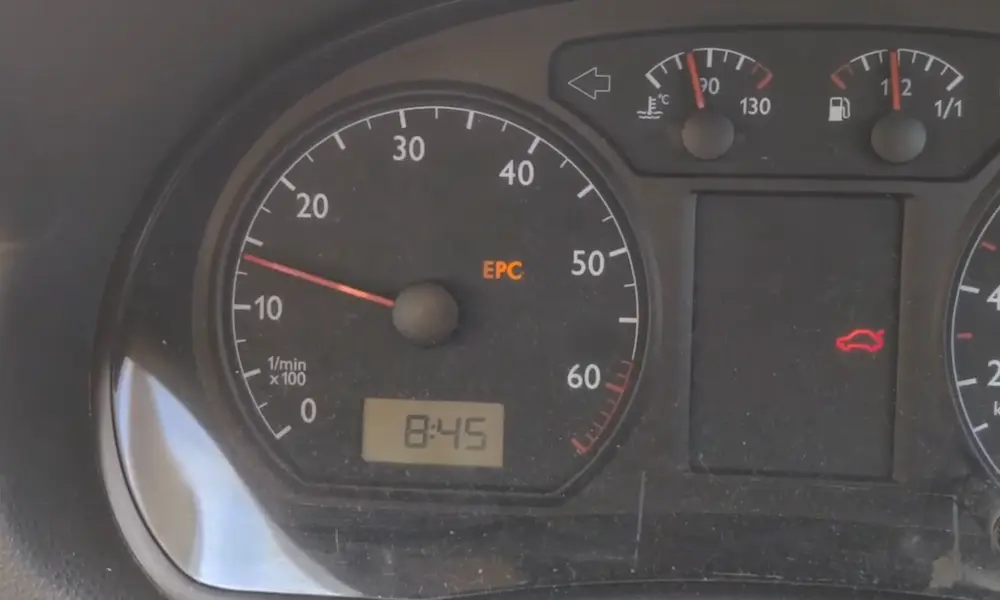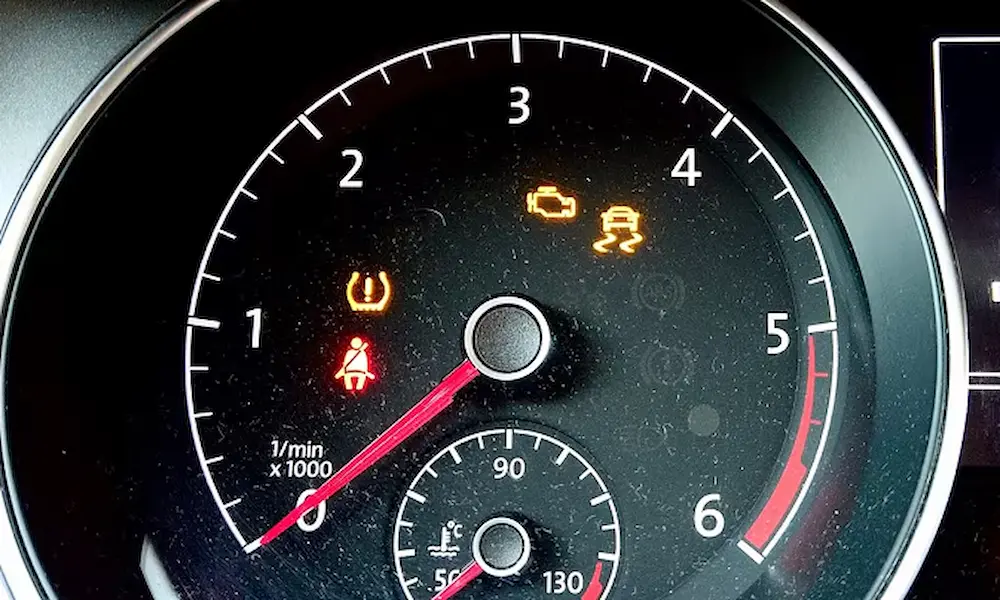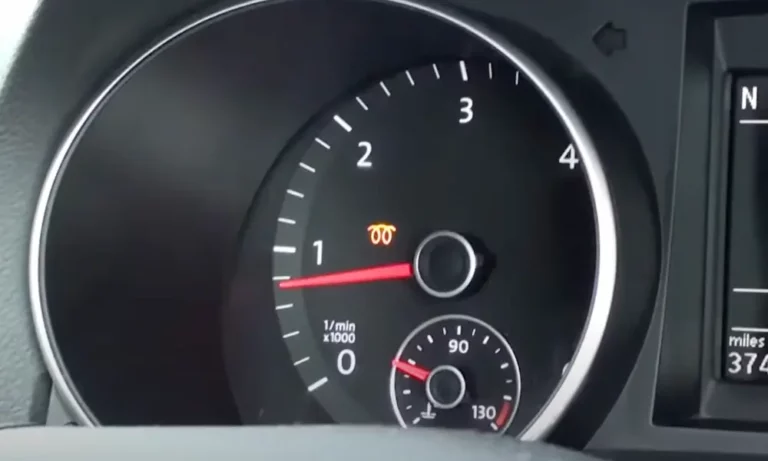
Is your VW’s glow plug light flashing at you from the dashboard? You might think it’s a simple glow plug issue, but that flashing light is actually telling you something completely different. It’s not about the glow plugs at all – it’s your car’s way of waving a red flag about your engine management system.
What Does a Flashing Glow Plug Light Actually Mean?
The flashing glow plug light in your Volkswagen isn’t actually related to the glow plugs themselves. While a solid glow plug light during startup is normal (it just means the glow plugs are preheating the engine), a flashing light is your engine management system’s warning signal.
This is where many VW owners get confused. The same coil-shaped symbol serves two totally different purposes, and when it starts flashing, it means your car needs immediate attention.
Is It Safe to Drive With a Flashing Glow Plug Light?
No, it’s not safe to continue driving normally with a flashing glow plug light. When this light flashes, your VW is likely entering “limp mode” – a self-protection measure that significantly reduces your engine’s performance. This isn’t your car being temperamental; it’s actively trying to prevent more serious damage.
In limp mode, you’ll notice:
- Drastically reduced power and acceleration
- Limited RPM (usually capped around 2,000-2,500)
- Maximum speed restrictions (typically 50-60 mph)
If the light starts flashing while you’re driving, you should:
- Pull over safely as soon as possible
- Drive very cautiously if you must continue
- Contact a mechanic immediately
Common Causes of a Flashing Glow Plug Light in VW Vehicles
Your VW’s flashing glow plug light can indicate several different engine management problems. Here are the most common culprits:
DPF (Diesel Particulate Filter) Problems
The DPF is often the first suspect when a glow plug light starts flashing, particularly in TDI models. Common DPF issues include:
- Clogged filter: When your DPF gets clogged with soot particles, it triggers the warning light. This often happens if you mainly drive short distances without giving the filter a chance to complete its regeneration cycle.
- Failed regeneration cycles: Your DPF needs to occasionally go through a “regeneration” process to burn off trapped particles. If this process fails repeatedly, the engine management light will flash.
- DPF sensor failure: Sometimes it’s not the filter itself but the pressure sensors that monitor it that cause the problem.
EGR (Exhaust Gas Recirculation) System Issues
The EGR system is another common trigger for the flashing glow plug light:
- Faulty EGR valve: A stuck or failing EGR valve disrupts the flow of exhaust gases back into the combustion chamber, triggering the warning light.
- Carbon buildup: Over time, carbon deposits can clog the EGR system, causing it to malfunction.
- Sensor problems: The sensors that monitor EGR operation can fail, causing false readings that trigger the warning light.
Many owners report issues with the EGR system causing glow plug warning lights in various VW models.
Turbocharger System Faults
Turbocharger problems are another frequent cause of the flashing light:
- Boost pressure issues: If your turbo can’t maintain proper boost pressure (often resulting in a P0299 fault code), the glow plug light will flash.
- Turbo actuator problems: The mechanism that controls the turbo vanes can fail, affecting performance and triggering warnings.
- Vacuum control issues: Many turbos use vacuum lines for control, and leaks in this system can cause malfunctions.
These issues often put the car into limp mode with a flashing glow plug light.
Fuel System Problems
The fuel system is critical to your diesel engine’s operation, and problems here commonly trigger the warning light:
- High-pressure fuel pump failure: This critical component can wear out or fail completely.
- Faulty fuel injectors: Injectors that aren’t delivering fuel properly will affect combustion and efficiency.
- Fuel contamination: Poor quality fuel or water in the fuel system can trigger multiple sensor warnings.
Sensor and Electrical Issues
Modern VWs have dozens of sensors monitoring every aspect of engine operation:
- Exhaust gas temperature sensor failure: These sensors monitor emissions and can trigger warnings when faulty.
- Intake manifold position sensor problems: Often resulting in a P2015 fault code, this sensor is notoriously problematic on some VW models.
- Brake light switch malfunction: Surprisingly, a faulty brake light switch can sometimes trigger engine management warnings.
- Wiring harness problems: Damaged wiring can cause all sorts of electrical gremlins in the engine control system.
How to Diagnose a Flashing Glow Plug Light
When that glow plug light starts flashing, you’ll need proper diagnostic tools to identify the exact cause:
Professional Diagnostic Scanning
The most effective approach is professional scanning with VW-specific tools:
- OBD2 scanning: While basic code readers can give you some information, they often miss VW-specific codes.
- VCDS or VAG-COM diagnostic tools: These specialized tools can access VW’s proprietary system data that generic scanners miss.
- Live data monitoring: Beyond just reading codes, monitoring live sensor data helps pinpoint intermittent problems.
Many VW owners report that generic OBD2 scanners don’t capture all the relevant fault codes, making professional diagnostic equipment necessary.
DIY Preliminary Checks
While waiting for professional help, you can check a few things yourself:
| Check | What to Look For | Common Issue |
|---|---|---|
| DPF Visual Inspection | External damage, soot buildup at exhaust | Clogged DPF |
| Engine Oil | Low level, contamination, diesel smell | Fuel system issues |
| Vacuum Lines | Cracks, loose connections | Turbo control problems |
| Engine Bay | Loose connectors, damaged wiring | Electrical issues |
The Cost of Ignoring a Flashing Glow Plug Light
Ignoring a flashing glow plug light is a gamble that rarely pays off. The potential consequences include:
Potential Engine Damage
When your VW’s ECU triggers the flashing light, it considers the fault “critical.” Continuing to drive normally could lead to:
- Catastrophic engine failure: In worst-case scenarios, ignoring the warning can lead to complete engine failure.
- Turbocharger damage: Turbo problems that trigger the warning light can quickly escalate to destroyed turbochargers if ignored.
- DPF failure: A clogged DPF that can’t regenerate properly may eventually need complete replacement.
Financial Consequences
The cost difference between addressing the issue promptly versus ignoring it is significant:
- Diagnostic fee: $100-200
- Minor repairs (sensors, switches): $200-500
- Mid-range repairs (EGR, turbo components): $500-1,500
- Major repairs (DPF replacement, engine rebuild): $1,500-5,000+
Many owners report spending thousands on repairs that might have been much simpler had they addressed the warning light immediately.
Preventive Maintenance to Avoid Glow Plug Light Warnings
While not all issues can be prevented, these maintenance practices can reduce your chances of seeing that flashing light:
For DPF Health
- Drive longer distances regularly: Take your VW on highway drives of at least 30 minutes every couple of weeks to allow the DPF to complete regeneration cycles.
- Use quality diesel fuel: Premium diesel tends to burn cleaner and produce less soot.
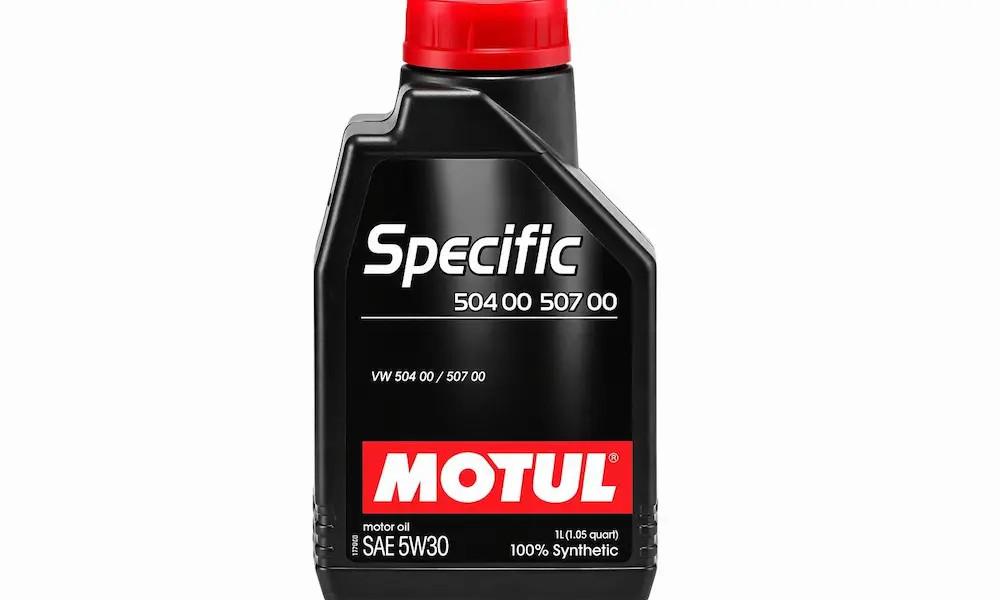
- Regular oil changes: Follow VW’s recommended intervals with the correct specification oil.
For EGR System Maintenance
- Consider EGR cleaning: Having your EGR system professionally cleaned every 50,000 miles can prevent carbon buildup issues.
- Address minor performance issues promptly: Don’t ignore small changes in how your car drives – they often develop into bigger problems.
For Turbo Longevity
- Allow proper warm-up: Let your engine reach operating temperature before demanding full power.
- Cool down after hard driving: Let the engine idle for 30 seconds before shutting down after highway driving to allow the turbo to cool properly.
Model-Specific Glow Plug Light Issues
Different VW models tend to have their own common causes for the flashing glow plug light:
VW Golf TDI
Golf TDI owners frequently report flashing glow plug lights related to:
- DPF regeneration failures
- Intake manifold flap motor issues (P2015 code)
- EGR valve sticking
VW Jetta TDI
Jetta TDI models commonly experience:
- High-pressure fuel pump issues
- DPF blockage problems
- Turbo actuator failures
VW Passat TDI
Passat diesel owners often deal with:
- Exhaust gas temperature sensor failures
- EGR cooler leaks
- Complex emissions system issues
VW Touareg and Touran
These larger vehicles typically show:
- DPF issues due to short-distance driving
- Multiple system failures resulting in limp mode
- Turbocharger control problems
DPF Regeneration as a Temporary Fix
Sometimes, a simple DPF regeneration can solve the flashing light issue. There are three approaches:
Passive Regeneration
This is the simplest method:
- Drive continuously for 30-45 minutes on the highway
- Maintain speeds above 50 mph
- Keep the engine RPM between 2,000-3,000
- This extended driving allows proper exhaust temperatures to burn off soot naturally
Forced Regeneration
This requires dealer or specialist equipment:
- A technician connects a diagnostic computer
- The system is commanded to enter regeneration mode
- The process takes 20-30 minutes with the engine running
- This can clear DPF blockages before they become severe
Dealer Service
If DIY methods don’t work:
- VW dealers can perform a complete system diagnostic
- They’ll identify whether regeneration will solve the issue
- If not, they’ll determine what repairs are needed
Final Thoughts on VW Glow Plug Warning Lights
That flashing glow plug light in your VW dashboard isn’t something to ignore or take lightly. While it might seem like a minor annoyance at first, it’s your vehicle’s way of telling you something serious is happening with the engine management system.
The complexity of modern diesel engines means there are dozens of potential causes, making professional diagnosis almost always necessary. Continuing to drive with this warning active risks turning a potentially simple fix into a major repair bill.
Your best approach is to drive cautiously to a safe location, arrange professional diagnosis, and address the underlying issue promptly. With proper maintenance and timely responses to warning lights, your VW diesel can provide many years of reliable service.