You’ve probably noticed your Kia’s check engine light flashing or felt your car suddenly lose power on the highway. If you’re driving one of the 450,000+ Kia vehicles affected by engine recalls, that mysterious “limp mode” might be your knock sensor detection system doing its job. Let’s cut through the confusion about the Kia knock sensor recall and what it means for your wallet and safety.
What Is the Kia Knock Sensor Recall?
The Kia knock sensor recall covers multiple models with Theta II and Nu engines that are at risk of catastrophic engine failure or even engine fires. Rather than replacing every engine preventively, Kia’s solution is software-based: the Knock Sensor Detection System (KSDS).
This system monitors engine vibrations to detect failing bearings before they cause fires or complete engine failure. When danger is detected, your car enters “limp mode,” restricting speed to about 1,800 RPM so you can safely get off the road.
Here’s the silver lining: completing this recall extends your engine warranty to 15 years or 150,000 miles – one of the most generous in the industry.
Which Kia Models Are Affected by the Knock Sensor Recall?
The knock sensor recall impacts several Kia models across three major campaigns:
| Recall | NHTSA # | Vehicles Affected (U.S.) | Models | Launch Date |
|---|---|---|---|---|
| SC200 | 20V-750 | 294,756 | 2012-2015 Forte/Forte Koup, 2014-2015 Soul, 2011-2013 Optima Hybrid, 2012 Sportage, 2012-2013 Sorento | January 2021 |
| SC228 | 22V-093 | 72,848 | 2013-2014 Optima | July 2022 |
| SC291 | 23V-877 | 79,812 | 2011 Sorento | February 2024 |
To check if your vehicle is affected, enter your VIN at NHTSA.gov or Kia.com.
How the Knock Sensor Detection System Works
The KSDS isn’t adding new hardware to your car. Instead, it’s a software update that uses your existing knock sensor in a clever way.
The Science Behind the Sensor
Your knock sensor is a piezoelectric device threaded into the engine block. It normally detects engine knock (premature detonation) during combustion. The KSDS repurposes this sensor to also listen for the distinctive sound of a failing rod bearing.
Normal engine knock is random and short-lived. A failing bearing makes a persistent, rhythmic noise at a specific frequency. The updated software applies filters to identify this signature pattern and triggers code P1326 when it detects trouble.
What Happens When P1326 is Triggered?
When your knock sensor detects potential bearing failure:
- Your check engine light starts flashing
- Engine power drastically reduces (limp mode)
- You can only drive at low speeds (under 1,800 RPM)
- The code can only be cleared at a Kia dealer
This isn’t just an annoying warning – it’s potentially saving you from a roadside fire. The Consumer Reports investigation into Kia fires found that bearing debris often starves the crankshaft of oil, eventually punching a hole in the block and igniting leaked oil.
What Happens at the Dealership After the P1326 Code?
If your car triggers the P1326 code, here’s what to expect at the dealership:
Bearing Clearance Test (BCT)
Technicians will attach a sensitive microphone to your engine block and run the engine through specific RPM ranges. This test measures vibration amplitude to determine if your bearings are actually failing.
If the BCT shows excessive vibration, you qualify for a free engine replacement under the extended warranty. If it passes, they’ll reset the code and send you on your way.
Many owners report frustration when their test results are borderline. The diagnostic procedure is somewhat subjective, and some dealers are more conservative than others about approving engine replacements.
Engine Inspection and Replacement
If your BCT fails, the dealer will:
- Inspect for oil or fuel leaks
- Look for metal debris in the oil
- Replace the entire long block if damage is confirmed
The complete engine replacement is covered under the extended warranty, as long as you’ve maintained regular oil changes and didn’t continue driving extensively after the warning light appeared.
Understanding Your Extended Warranty Coverage
The knock sensor recall comes with significant warranty extensions that protect you financially.
15-Year/150,000-Mile Engine Coverage
Once your vehicle receives the KSDS update, Kia extends your engine warranty to 15 years or 150,000 miles from the original purchase date, whichever comes first. This covers the entire “long block” – essentially the complete engine minus accessories.
This warranty transfers to subsequent owners, so even if you buy a used Kia that had the recall completed, you’re protected.
Additional Benefits from Class Action Settlement
A federal class action settlement provides even more coverage:
- Lifetime warranty on the short block for original owners
- Reimbursement for towing expenses
- Rental car coverage during repairs
- Compensation for past out-of-pocket repairs
- Potential cash payment for inconvenience
To claim these benefits, you’ll need to submit documentation through the settlement website.
What Can Void Your Warranty Coverage?
Kia can deny claims for “Exceptional Neglect,” which primarily means:
- Failure to change oil regularly (keep those receipts!)
- Continuing to drive extensively after the P1326 code appears
- Evidence of racing or severe abuse
The burden of proof is on Kia to demonstrate neglect, but you should maintain documentation of all maintenance.
Common Owner Experiences and Problems
The recall hasn’t been seamless for many owners. Here are common issues people report:
Multiple Limp Mode Episodes
Many owners experience repeated P1326 codes even after the KSDS update. One Reddit user described going into limp mode six times despite multiple dealer visits. Others report that oil consumption issues often accompany these episodes.
Warranty Claim Denials
Some dealerships have refused engine replacements when BCT readings narrowly “pass,” leading to consumer disputes. As one Kia Soul Forums member put it: “The dealer said my engine vibration was 0.001 under the threshold for replacement.”
Incomplete Recall Completion
Many owners discover the KSDS update was never performed despite receiving recall notices and visiting dealers. Without the update, the warranty extension isn’t valid. Always get documentation confirming the recall was completed.
Steps Every Kia Owner Should Take Now
Whether you’ve experienced problems or not, here’s what you should do:
1. Verify Your Recall Status
Use your VIN to check if your vehicle is subject to the recall:
If your vehicle is listed but shows the recall as incomplete, schedule service immediately.
2. Confirm KSDS Installation
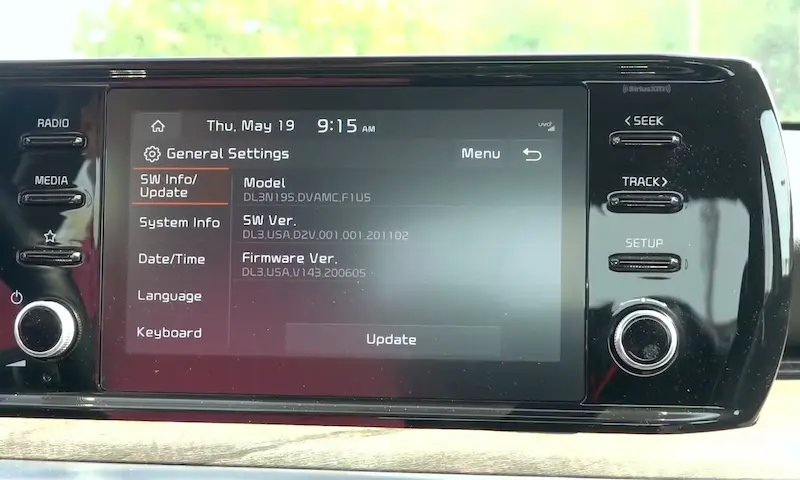
Even if Kia’s records show the recall was completed, ask your dealer to print the ECU software ID to verify the knock sensor logic is current. As mentioned in technical service bulletins, there are specific software versions that indicate proper KSDS installation.
3. Maintain Detailed Service Records
Keep all oil change receipts and maintenance records. Take photos of your dipstick during oil checks to document proper oil levels. These records are crucial if Kia attempts to deny warranty coverage due to alleged neglect.
4. Act Immediately If P1326 Triggers
If you experience the P1326 code and limp mode:
- Stop driving as soon as safely possible
- Have the vehicle towed to a Kia dealer
- Request a full BCT test and documentation of results
- If denied engine replacement, get the specific vibration measurements in writing
5. Know Your Legal Rights
Familiarize yourself with the class action settlement terms. If your dealer is uncooperative, you can escalate to Kia corporate or even consider arbitration through the settlement process.
The Reality of the Knock Sensor Fix
Let’s be clear: the KSDS is a detection system, not a repair. It doesn’t fix the underlying manufacturing issues that cause bearing failures in these engines.
What it does do is provide early warning before catastrophic failure, potentially preventing dangerous fires and giving you time to get your car to a dealer for proper diagnosis.
The 15-year/150,000-mile warranty is Kia’s acknowledgment that these engines have inherent problems. The company is betting that most affected vehicles will either be scrapped before reaching those limits or will have already had their engines replaced under warranty.
For you as an owner, the best strategy is getting the recall completed, maintaining your vehicle meticulously, and responding immediately to any warning signs.
Checking If Your Recall Was Actually Completed
Many owners assume their recall was completed during regular service, only to discover later it wasn’t. Here’s how to verify:
Request Documentation
Ask your dealer for the “Recall Completion Certificate” showing:
- The recall number (SC200, SC228, or SC291)
- The specific KSDS software version installed
- Date of completion
Verify Software Version
The KSDS has gone through multiple versions. According to technical service bulletins, your dealer can print out your ECU information showing whether you have the latest version.
Look for Physical Evidence
Technicians often place a small sticker under the hood indicating recall completion. Check near your VIN plate or on the underside of the hood.
Maximizing Your Extended Warranty Benefits
The 15-year/150,000-mile warranty is exceptionally generous, but using it effectively requires some strategy:
Regular Oil Analysis
Consider sending oil samples for laboratory analysis between changes. This costs about $30 but provides documentation of oil condition and can detect early bearing wear before the knock sensor triggers.
Dealer Relationship Management
Establish a relationship with a specific service advisor at your local Kia dealership. Having someone who knows your vehicle’s history can be invaluable if warranty disputes arise.
Appeal Denied Claims
If your warranty claim is denied, you have options:
- Ask for the specific reason in writing
- Request escalation to Kia’s regional service manager
- File a complaint with NHTSA
- Submit a claim through the class action settlement process
Many owners report success after escalating beyond the dealership level.
The Kia knock sensor recall represents a significant safety issue, but it also comes with substantial owner protections. By understanding the system, maintaining your vehicle properly, and knowing your rights, you can maximize both your safety and the value of your extended warranty coverage.