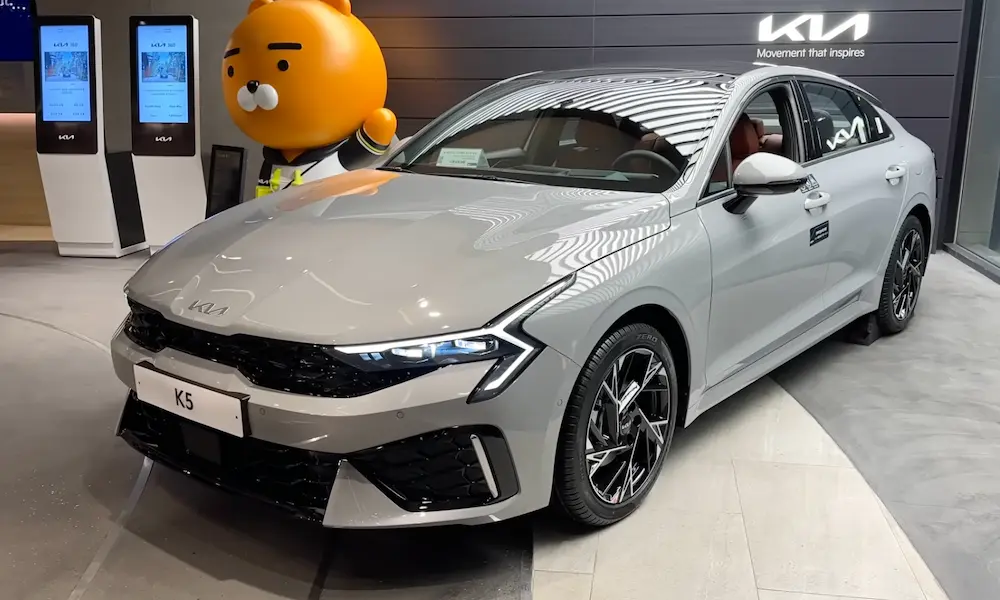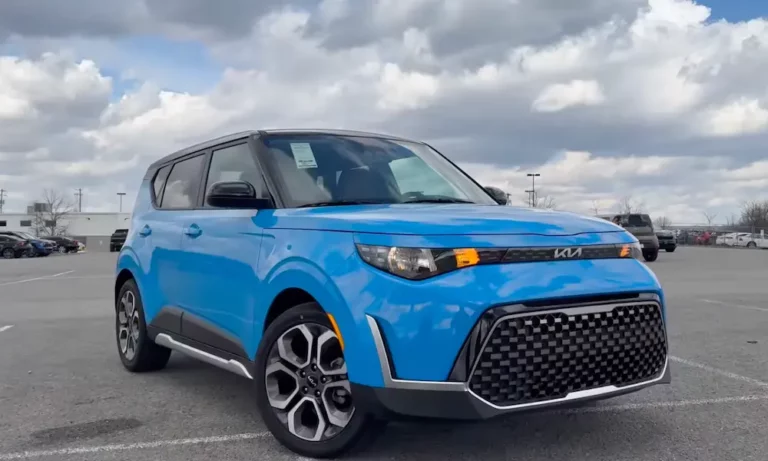
Got a Kia Soul or Seltos? There’s a real chance your engine could destroy itself — or catch fire. The Kia piston ring recall affects hundreds of thousands of vehicles, and the story is messier than most owners realize. Stick around, because understanding this recall could save you thousands of dollars and a very bad day on the highway.
What Is the Kia Piston Ring Recall?
The Kia piston ring recall involves a manufacturing defect in the 2.0-liter Nu MPI (multi-point injection) engine. A supplier in South Korea applied too much heat during manufacturing, making the piston oil rings excessively brittle.
Here’s why that’s a big deal:
- Brittle rings chip and crack under normal engine stress
- Metal fragments gouge the cylinder walls
- The engine starts burning its own oil
- Oil levels drop dangerously fast
- A snapped connecting rod can punch through the engine block
- Hot oil spraying onto exhaust components can start a fire
This isn’t a minor sensor glitch. It’s a chain reaction that ends with a possible engine fire or sudden stall at highway speed. NHTSA’s official recall report documents over 400 incidents of sudden engine stalling and at least four confirmed fires.
Which Vehicles Does This Recall Cover?
The Kia piston ring recall unfolded in two major waves. Here’s a clear breakdown:
First Wave — 2021 (NHTSA Campaign 21V-259)
Kia issued this recall in April 2021, covering 147,249 vehicles:
| Vehicle | Model Years | Units Affected |
|---|---|---|
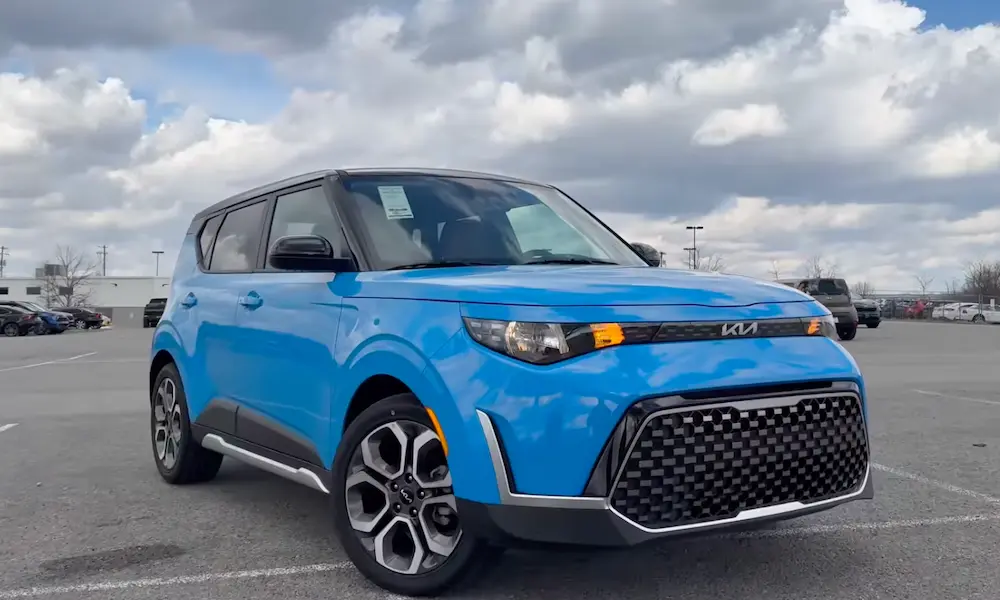
| Kia Soul | 2020–2021 | 125,400 |
| Kia Seltos | 2021 | 21,849 |
Hyundai ran a parallel recall at the same time (NHTSA Campaign 21V-301), covering 158,493 Elantra, Kona, and Veloster models from 2019–2021.
Second Wave — 2025 (NHTSA Campaign 25V-099)
Kia told regulators the supplier fixed the problem in late 2020. They were wrong. Warranty claims on newer engines kept piling up, and in February 2025, Kia issued a second major recall covering 137,256 more vehicles:
| Vehicle | Model Years | Production Dates | Units Affected |
|---|---|---|---|
| Kia Seltos | 2021–2023 | July 2, 2020 – July 1, 2022 | 53,635 |
| Kia Soul | 2021–2023 | July 2, 2020 – April 19, 2022 | 83,621 |
Vehicles built after July 2022 use rings from a different supplier entirely, so they’re not affected.
What Actually Happens Inside Your Engine
Understanding the failure sequence helps you spot trouble before it gets catastrophic.
Step 1 — Ring chipping: The overly hard rings crack under thermal stress. Fragments press against the cylinder walls.
Step 2 — Cylinder scuffing: Metal shards gouge deep scratches into the smooth cylinder bore. The engine’s internal seal breaks down.
Step 3 — Oil burns away: With the seal compromised, oil floods the combustion chamber and burns off. Owners report burning through more than one quart of oil per 1,000 miles.
Step 4 — Bearing failure: Without enough oil, connecting rod bearings run metal-on-metal. You’ll hear a loud knock from under the hood.
Step 5 — Engine destruction: Bearings seize, the connecting rod snaps, and the broken piece punches through the engine block wall.
Step 6 — Fire risk: Oil sprays out of the punctured block and hits the hot exhaust. The NHTSA safety recall filing confirms this is a genuine fire hazard.
Warning Signs You Shouldn’t Ignore
Don’t wait for the engine to knock. Watch for these early indicators:
- Rapid oil loss — Check your dipstick at every fuel fill. Dropping more than a quart per 1,000 miles is a red flag
- Blue or white exhaust smoke — Your engine is burning oil
- Burning smell from the engine bay — Oil hitting hot surfaces
- Unusual knocking or ticking — Bearing wear starting
- Blinking check engine light — Could be code P1327 (more on that below)
- Unexpected stalling — Engine failure in progress
Check your oil every week if you own an affected vehicle. Seriously — weekly.
How the Recall Repair Actually Works
The fix has two parts: a physical inspection and a software update.
The Acoustic Inspection
Dealership technicians connect an Engine Vibration Inspection Test Harness to your car’s diagnostic system. They start the engine and listen for abnormal vibrations — specifically the sound of chipped rings dragging against damaged cylinder walls.
If your engine fails the test, Kia replaces the long block (the core engine assembly) for free.
If your engine passes, you move on to step two.
The Piston-Ring Noise Sensing System
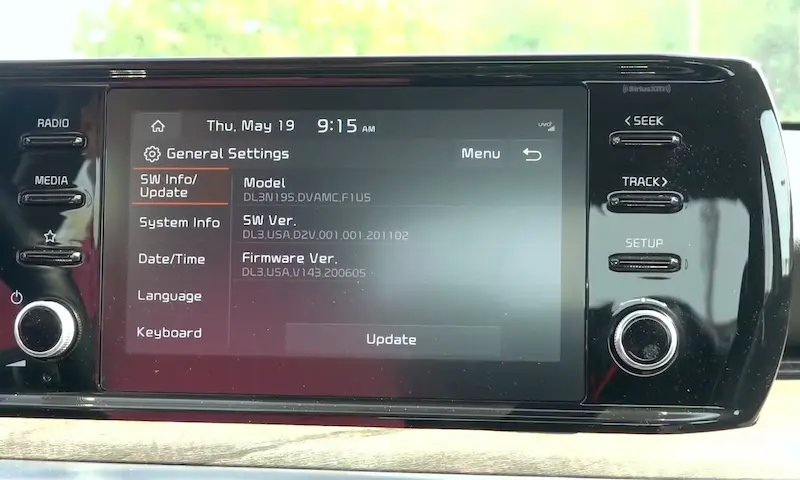
Every affected vehicle — pass or fail the acoustic test — gets a software update flashed into the Engine Control Module. This update, called the Piston-Ring Noise Sensing System, teaches your car’s existing knock sensor to listen for the specific sound of rings grinding against a damaged cylinder wall.
If it detects that sound while you’re driving, it triggers three things:
- Blinking check engine light — Pull over immediately
- Limp mode — Engine power cuts dramatically to slow the damage
- DTC P1327 — A stored trouble code that forces the dealership to replace your engine, no questions asked
The catch? This system waits for the engine to start failing before it acts. It’s a warning system, not a fix.
The False Positive Fiasco
The rollout wasn’t smooth. Between April 4 and April 28, 2025, dealerships ran engine tests on cold engines — bad idea. Cold metal expands differently, and the sensitive diagnostic software misread normal thermal vibrations as catastrophic damage. The result: thousands of false positives and unnecessary engine replacement orders.
Then on April 29, a software error caused every single vehicle to register as damaged, completely overwhelming the system.
Kia suspended the entire recall remedy from April 30 to May 7, 2025, while engineers recalibrated the software and changed the protocol to require warm-engine testing. This is why dozens of owners couldn’t get their recall work done in late April and early May.
NHTSA Got Involved — Here’s What Happened
Consumer complaints piled up fast. Between April 29 and June 27, 2025, NHTSA received 47 formal complaints specifically about how Kia was handling Campaign 25V-099. Owners reported:
- Inconsistent inspection results across different dealerships
- Denied engine replacements despite obvious symptoms
- Parts shortages making the remedy unavailable
- The recall suspension leaving them in limbo
NHTSA opened Audit Query AQ25001 on August 6, 2025. This isn’t a new defect investigation — it’s a federal check on whether Kia is actually delivering its promised fix. NHTSA sent Kia a formal information request on August 11, 2025, demanding full explanations of the testing switch, the suspension, and the plan going forward.
Kia responded on September 10, 2025, explained the cold-engine testing problem, and announced Subsequent Repair Action SC336YZ — a standing order requiring dealerships to replace the engine with no time or mileage limits if a P1327 code appears after the software installation.
NHTSA closed the audit. For now, the federal regulators are satisfied.
Your Rights When the Dealership Pushes Back
This is where things get ugly for a lot of owners. Dealerships don’t always make this easy.
| Denial Tactic | Your Counter-Argument |
|---|---|
| “You’re outside warranty mileage” | NHTSA safety recalls don’t expire. SC336YZ has no mileage limit for P1327 codes |
| “No maintenance records, so it’s your fault” | Under the Magnuson-Moss Warranty Act, Kia must prove your maintenance caused the failure — not just that records are missing |
| “This is normal wear and tear” | The defect is documented in federal filings as a manufacturing flaw, not normal wear |
| “You used the wrong oil” | Kia must prove the oil caused cylinder scuffing. The root cause is the supplier’s heat-treatment error |
Keep every receipt. Oil changes at Jiffy Lube, Walmart, or your driveway — all of it. The Magnuson-Moss Warranty Act protects you from having your warranty voided just for using an independent shop, but you need documentation to make that argument stick.
Also watch for collateral damage denials. Oil starvation from the defective rings can damage timing chains, camshafts, and variable valve timing components. Some owners have received $4,000–$8,000 repair bills for these “separate” failures — failures that only happened because the rings were bad in the first place. Push back hard if this happens to you.
The Lawsuit Kia Couldn’t Dismiss
A class-action lawsuit was filed against Kia America seeking over $5 million in damages. Lead plaintiff Eric Jasinski, a Florida owner of a 2021 Kia Soul, argued that:
- Affected vehicles lose significant resale value because of the fire risk stigma
- Forcing owners to sit through acoustic tests that might deny them a new engine is unfair
- A software patch that waits for your engine to start dying isn’t a real fix
Kia tried to get the case dismissed, arguing Jasinski’s engine never actually failed and that NHTSA already validated the recall process. Judge John Milton Younge said no — the claims about diminished value, time burden, and future failure risk were plausible enough to proceed. The case moves forward.
What You Should Do Right Now
- Check your VIN at the NHTSA recall portal to confirm your vehicle is covered
- Book your dealership appointment — don’t wait
- Check your oil weekly until the recall work is done — top it off with full synthetic oil if levels drop
- Save all maintenance receipts from today forward
- Document every dealership interaction — date, name of the service advisor, what they said
If you hit a wall at the dealership, here’s who to call:
| Resource | Contact |
|---|---|
| Kia Customer Care | 1-800-333-4542 |
| Hyundai Customer Care | 1-855-371-9460 |
| NHTSA Safety Hotline | 1-888-327-4236 |
| NHTSA Recall Portal | nhtsa.gov/recalls |
Buying a Used Kia Soul or Seltos? Read This First
If you’re shopping used, this recall creates a hidden risk. Original owners get Kia’s 10-year/100,000-mile powertrain warranty. You, as a second owner, typically get 5 years/60,000 miles — but the federal recall itself doesn’t expire based on ownership status.
The real danger is buying a vehicle that never had the sensing software installed. You could unknowingly inherit an engine with already-damaged cylinder walls — and if you have no maintenance history to show the dealership, you’re fighting uphill for a free engine replacement.
Always run the VIN through NHTSA’s recall database before you buy. Ask the seller directly: has the piston ring recall been completed? Get it in writing if possible.
The Kia piston ring recall is still very much an active situation. The software safety net is in place, NHTSA’s audit is closed, but the class-action lawsuit is moving forward and real engine failures keep happening. Check your VIN today, get the repair scheduled, and don’t let your oil level drop below the safe mark — your engine is counting on you to stay on top of it.