If you’ve ever stared at a Honda oil filter wondering who actually made it, you’re not alone — wait, scratch that. It’s a fair question that most people never think to ask. The answer isn’t one company. It’s a global network of manufacturers, and knowing who’s behind that little canister actually matters. Keep reading — this affects which filter you buy.
Honda Doesn’t Make Its Own Oil Filters
Let’s clear this up straight away. Honda outsources its oil filter production to a handful of carefully vetted Tier-1 suppliers. These aren’t random vendors — they’re long-term industrial partners operating under Honda’s strict engineering specs.
The main players making Honda oil filters are:
- Roki Co., Ltd. (formerly Toyo Roki Manufacturing)
- Mahle Filter Systems Japan
- Honeywell (linked to the Fram brand)
Where you live — and what model you drive — largely determines which manufacturer’s filter ends up in your car.
Roki Co., Ltd.: Honda’s Closest Filtration Partner
Roki is arguably the most important name when answering who makes Honda oil filters. Founded in April 1958 in Hamamatsu, Japan, Roki started as a specialist in automotive filtration and grew into a full-scale industrial filtration company covering air, water, and fuel cell systems.
From Filtech to Roki America
When Honda expanded into North America, Roki followed. In October 1989, Roki established a US subsidiary called Filtech Inc. in Western Pennsylvania. For over two decades, the “Filtech” name appeared on the original Honda OEM filters sold in the US market.
In January 2011, Filtech officially rebranded as Roki America Co., Ltd., consolidating under one global identity. The company now operates out of Solon, Ohio — a short drive from Honda’s Marysville and East Liberty assembly plants. That’s no coincidence.
The Original OEM Filter: 15400-PLM-A01
Roki made the original Honda OEM filter for North America, the 15400-PLM-A01. Enthusiasts often consider this the gold standard. It featured metal end caps and high-density filtration media — both markers of premium construction. The A01 was made in the USA and Japan.
Mahle Filter Systems Japan: The JDM Premium Option
If you’re into Japanese domestic market (JDM) parts or own a higher-performance Honda, you’ve likely come across the 15400-RTA-003 filter. This one comes from Mahle Filter Systems Japan Corporation.
A Long Corporate History
Mahle Filter Systems Japan traces its roots to Tsuchiya Manufacturing Co., Ltd., reorganized in 1945 and renamed Tennex Corporation in 1996. Tennex set up operations in Tennessee in 1987 to support Japanese automakers building cars on American soil.
The transition to the Mahle brand happened in stages:
- 2001: Nissan transferred a 33.3% share of Tennex to Mahle Filtersysteme GmbH
- 2005: Renamed Mahle Filter Systems Japan after Mahle Japan acquired 100% of shares
- 2022: Merged with Mahle Japan Ltd.
- 2025: Mahle Behr Japan K.K. merged into the same structure
Today, Mahle Filter Systems Japan operates plants in Tochigi and Mie prefectures, producing filters primarily for Honda’s domestic Japanese market and high-performance exports.
The RTA-003 uses metal end caps and robust media blends specifically designed to handle oil dilution issues common in direct-injected turbocharged engines. Many enthusiasts import these specifically for VTEC-equipped cars.
Honeywell and the A02: The Current Standard Filter
Walk into any Honda dealership in North America and ask for an oil filter. You’ll almost certainly get the 15400-PLM-A02. This filter is linked to Honeywell, which has historically been connected to the Fram brand (now under First Advantage/First Group ownership).
What Changed Between A01 and A02?
The shift from A01 to A02 is a frequently debated topic in Honda communities. Here’s a direct comparison:
| Part Number | Primary Manufacturer | End Cap Material | Construction Origin |
|---|---|---|---|
| 15400-PLM-A01 | Roki (Filtech) | Metal | USA / Japan |
| 15400-PLM-A02 | Honeywell (Fram) | Fiber / Cellulose | USA / Canada |
| 15400-RTA-003 | Mahle Filter Systems | Metal | Japan |
| 15400-PCX-004 | Roki Co., Ltd. | Metal | Japan |
The A02 uses fiber end caps instead of metal. They’re lighter and cheaper to produce. That said, Honda engineers the A02 to specific proprietary specifications — including bypass valve pressure and anti-drainback valve materials — that differ meaningfully from the off-the-shelf Fram “Orange Can” you’d grab at a hardware store.
The A02 is compatible with virtually every Honda passenger vehicle produced since 1984, including current 2025 models.
Why the Filter Matters More Than You Think
Honda’s VTEC and Variable Timing Control (VTC) systems run on pressurized oil. These systems use oil pressure to engage mechanical pins and adjust camshaft timing. A filter that fails to maintain proper flow or bypass pressure can trigger diagnostic trouble codes like P2646 or P2647, which point to a malfunction in the oil pressure switch circuit for the rocker arm actuator.
That’s not a cheap fix. The 15400-PLM-A02 specs exist for a reason:
- Thread Pitch: M20 x 1.5 for a secure, leak-free seal
- Filter Media: Cellulose or semi-synthetic blend, 95% efficiency at 40 microns
- Bypass Valve: Collapse pressure of approximately 6.9 bar (100 psi)
- Oil Flow Direction: Enters through perimeter holes, exits through the central threaded core
Which Honda Models Use Which Filter?
The universal nature of Honda’s filtration system is genuinely impressive. One part number covers an enormous range of vehicles:
| Vehicle Model | Model Years | Engine Fitment |
|---|---|---|
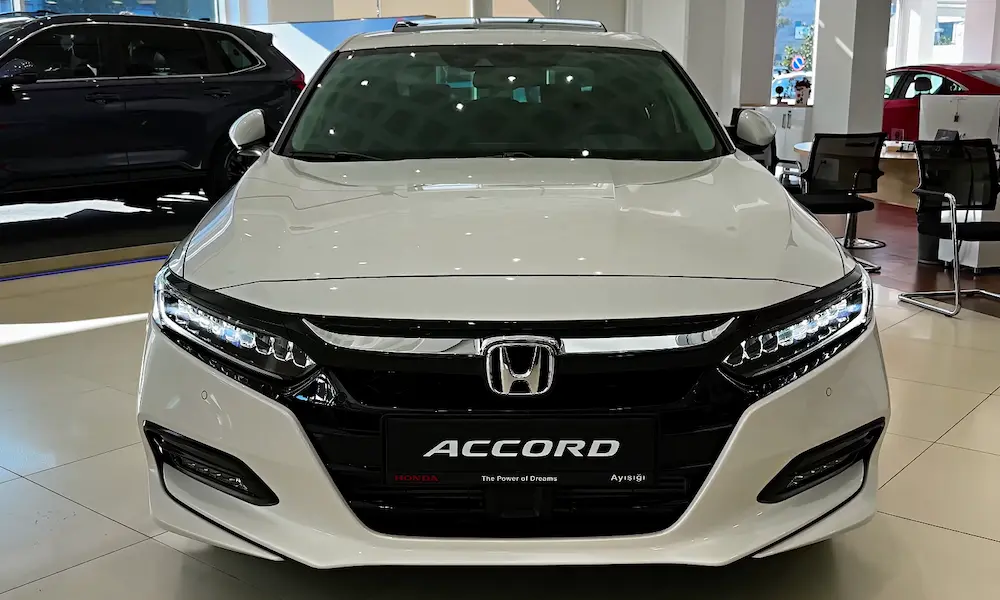
| Honda Accord | 1984 – 2025 | 1.5L T, 2.0L Hybrid, 2.4L, 3.5L V6 |
| Honda Civic | 1984 – 2025 | 1.5L T, 1.8L, 2.0L, 2.0L Hybrid |
| Honda CR-V | 1997 – 2025 | 1.5L T, 2.0L Hybrid, 2.4L |
| Honda Pilot | 2003 – 2025 | 3.5L V6 |
| Honda Ridgeline | 2006 – 2025 | 3.5L V6 |
| Honda Odyssey | 1995 – 2025 | 3.5L V6 |
This compatibility spans the D-series, B-series, K-series, and J-series engine families. Even discontinued models — the Prelude, Element, and del Sol — use the same filter footprint.
The Exceptions: S2000 and NSX
Not every Honda takes the standard filter, though. High-performance models need something different:
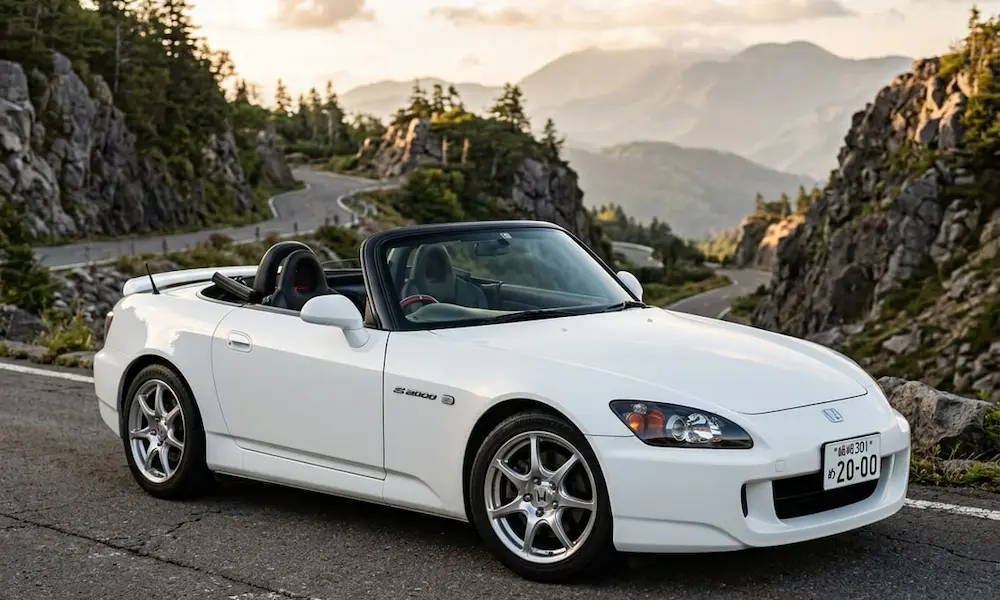
S2000 (15400-PCX-004): The F20C and F22C engines rev to 9,000 RPM and run exceptionally high oil pressures. The PCX filter is physically wider, uses a different bypass valve setting, and has a metal-to-metal contact ring to resist loosening under high-frequency vibration. Don’t use a PLM-A02 here.
NSX: Both the original C-series V6 and the modern twin-turbo hybrid V6 use larger filters with different thread and sealing surface dimensions entirely.
Where Are Honda Filters Made?
The answer depends on your region.
North America: Roki America (Ohio) and Honeywell (Ohio/Canada) supply the bulk of the service parts network. Honda works with approximately 1,600 service parts suppliers in North America. The standard A02 is marked “Made in USA” or “Made in Canada” and available at dealerships, AutoZone, and Walmart.
Japan: Roki’s Hamamatsu and Hamaoka plants and Mahle Filter Systems Japan’s Tochigi and Mie facilities handle domestic production. These filters are often sold under the HAMP (Honda Aftermarket Parts) label and imported by JDM parts specialists.
Europe: The historical European supplier was Sogefi’s Purflux brand, known for its distinctive chevron-pleat media design. However, on May 31, 2024, Sogefi completed the sale of its entire Filtration Business Unit to US private equity firm Pacific Avenue Capital Partners for approximately €374 million. The Purflux, Fram (Europe), CoopersFiaam, and Tecnocar brands continue operating under new ownership, still fulfilling existing OEM contracts.
Cellulose vs. Synthetic Filter Media
As oil change intervals get longer, the filter media itself matters more. Here’s how the two main types stack up:
Cellulose (standard A02): Derived from wood pulp. Effective but prone to embrittlement over time, especially when exposed to modern low-viscosity synthetic oils and combustion byproducts.
Fully Synthetic Media (used in premium variants like RTA-003): According to Mahle’s filtration research, synthetic two-layer polyester fleece offers:
- Chemical resistance against aggressive additives in modern 0W-20 and 0W-16 oils
- Higher dirt-holding capacity without increasing the filter’s physical size
- Aging stability up to 7x higher than traditional cellulose media
If you’re running a turbocharged Honda on extended drain intervals, this distinction matters.
2025–2026 Honda Fitment Reference
Here’s a quick reference for current models:
| Model | Year | Recommended Part Number |
|---|---|---|
| Honda Accord | 2025 | 15400-PLM-A02 |
| Honda Civic | 2025 | 15400-PLM-A02 |
| Honda CR-V | 2025 | 15400-PLM-A02 |
| Honda Pilot | 2025 | 15400-PLM-A02 |
| Honda Ridgeline | 2025 | 15400-PLM-A02 |
| Honda Odyssey | 2025 | 15400-PLM-A02 |
| Honda HR-V | 2025 | 15400-PLM-A02 |
| Honda Prelude | 2026 | 15400-RTA-003 |
The 2026 Prelude Hybrid gets the Japanese-made RTA-003 — a strong signal that Honda considers the hybrid performance variants a tier above standard fleet filtration needs.
So, Who Makes Honda Oil Filters — And Which One Should You Buy?
The short answer: Roki, Mahle, and Honeywell/Fram — depending on where your car was built and what market you’re in.
For most drivers with a standard Honda Civic, Accord, CR-V, or Pilot, the 15400-PLM-A02 from your dealership or AutoZone is exactly what your car needs. It’s engineered to Honda’s specs, it fits nearly every Honda built since 1984, and it works.
If you drive an S2000, go with the PCX-004 — no shortcuts there.
If you want the Japanese-made premium option for a turbocharged or high-revving engine, the RTA-003 from a JDM parts importer is worth the extra few dollars.
The “Genuine Honda” label tells you the filter passed Honda’s engineering standards — regardless of whether it rolled off a line in Ohio, Hamamatsu, or Tennessee.