Your Kia’s tire pressure warning light just came on. Now what? Whether you’ve recently filled your tires, rotated them, or just want that pesky light to stop glowing, resetting your Kia tire pressure sensor is simpler than you might think.
What Is a Tire Pressure Sensor and Why Does It Need Resetting?
Tire pressure sensors are small electronic devices installed inside your Kia’s tires that monitor air pressure levels. When pressure drops below the recommended threshold, your dashboard lights up with a warning.
These sensors are part of your Tire Pressure Monitoring System (TPMS), which has been mandatory in all vehicles sold in America since 2008. Kia’s system uses either direct TPMS (actual pressure sensors in each tire) or indirect TPMS (using wheel speed sensors to detect pressure changes).
Why might you need to reset the system?
- After properly inflating your tires
- Following tire rotation
- After replacing tires or wheels
- When the warning light stays on despite proper inflation
- After suspension or ABS system replacement
Where Is the TPMS Reset Button in Kia Vehicles?
The location of your reset button depends on your specific Kia model:
- Kia Sportage (older models): Look beneath the steering wheel or inside the glove compartment
- Kia Sportage (2015-2021): Many models don’t have a physical reset button
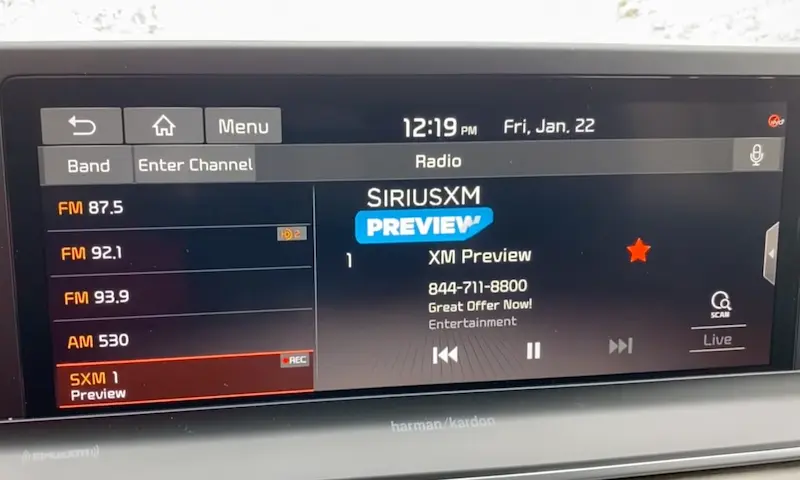
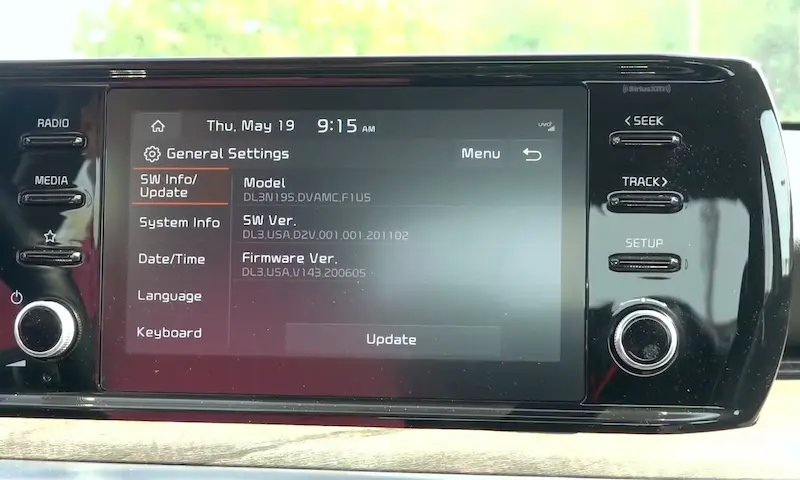
- Newer Kia models: The reset function might be integrated into the touchscreen infotainment system
- Most models: If present, look for a button labeled “SET” with a tire icon near the steering wheel
Can’t find a button? Don’t worry—many newer Kias don’t have dedicated reset buttons and instead rely on driving methods for resetting.
Method 1: Using the TPMS Reset Button
If your Kia has a physical reset button, here’s how to use it:
- Turn your vehicle off but keep the key in the “on” position (engine not running)
- Locate the TPMS reset button (usually under the steering wheel)
- Press and hold the button until the tire pressure light blinks three times (about 3 seconds)
- Release the button, start the engine
- Wait approximately 20 minutes for the sensor to refresh
- The warning light should turn off after the system resets
Method 2: The Driving Method
This is the most common reset method for newer Kia models without physical reset buttons:
- Make sure all tires are properly inflated to the recommended PSI (check the sticker inside your driver’s door jamb)
- Start driving your Kia
- Maintain speeds above 50 mph for about 10-20 minutes
- The TPMS will automatically reset during this process
- Park your vehicle, turn it off, then restart it—the warning light should be gone
This method works particularly well for models like the Kia Telluride, Kia Sorento, and newer Sportage versions.
Method 3: Battery Disconnection Reset
If the above methods don’t work, try this approach:
- Turn off your vehicle completely
- Open the hood and disconnect the positive battery cable using a wrench
- Turn the key in the ignition or press the horn for about three seconds to discharge any remaining power
- Reconnect your battery
- Start the vehicle—the TPMS should reset during this process
Method 4: Inflation/Deflation Method
This method manually triggers the TPMS recalibration:
- Inflate each tire to 3 PSI above the recommended pressure
- Completely deflate all tires
- Reinflate to the proper PSI level as indicated on your door jamb sticker
- The TPMS light should turn off after this process
Finding the Right Tire Pressure for Your Kia
Proper tire pressure is essential for successful TPMS resets:
| Kia Model | Typical Recommended Pressure |
|---|---|
| Most Kias | 33-35 PSI |
| Telluride | 35 PSI (all tires) |
| Sportage | 33-34 PSI |
Always check the specific recommendation for your model on the sticker inside your driver’s door jamb. For accurate readings, check tire pressure when tires are cold (vehicle sitting for at least 3 hours).
Troubleshooting Persistent TPMS Warnings
If your TPMS light remains on after attempting these reset methods:
- Flashing light: Typically indicates a sensor battery issue or malfunctioning sensor
- Light stays on: One of your TPMS sensors may be faulty
- Kia Telluride owners: Having any tire below 35 PSI may prevent system reset, even if most tires are at 33 PSI
- Check for over-inflation: Too much pressure can also trigger warnings
Model-Specific Reset Instructions
Kia Sportage TPMS Reset
The Kia Sportage reset process varies by generation:
- Pre-2015 models: Often have physical reset buttons beneath the steering wheel
- 2015-2021 models: Typically use the driving method (maintain 50+ mph for 10-20 minutes)
- 2022+ models: Use the driving method or access reset through the infotainment system
Kia Telluride TPMS Reset
The Kia Telluride has specific requirements:
- All tires must be precisely at 35 PSI
- Drive for 20 minutes at highway speeds
- The system is particularly sensitive—even having one tire at 33 PSI instead of 35 PSI can prevent proper reset
Kia Sorento TPMS Reset
For the 2022 Kia Sorento and similar models:
- Ensure all tires are properly inflated
- Use the driving method (20 minutes above 50 mph)
- The 2022 models typically don’t have a dedicated reset button
Understanding TPMS Warning Lights
Your Kia’s dashboard communicates different TPMS issues through specific patterns:
- Solid light: Indicates low pressure in one or more tires
- Flashing light (30-90 seconds then solid): System malfunction or sensor battery issue
- Light that turns off after driving: Successful automatic reset
Why Proper Tire Pressure Matters
Maintaining correct tire pressure isn’t just about silencing warning lights. It’s crucial for:
- Safety: Properly inflated tires improve handling and reduce blowout risks
- Fuel efficiency: Underinflated tires can reduce gas mileage by up to 3%
- Tire longevity: Correct pressure extends tire life by ensuring even wear
- Comfort: Properly inflated tires provide better ride quality
According to the National Highway Traffic Safety Administration, underinflated tires are a leading cause of tire failure, contributing to thousands of accidents annually.
Replacing Kia TPMS Sensors
TPMS sensors don’t last forever. The batteries inside typically have a 5-10 year lifespan. If your reset attempts consistently fail, it might be time for new sensors.
Replacement costs vary:
- Individual sensor: $40-$100 each
- Professional installation: $10-$40 per sensor
- Complete set with installation: $200-$500
When replacing tires, consider having the sensors checked or replaced if your Kia is more than 5 years old.
Common Questions About Kia TPMS Resets
Can I drive with the TPMS light on?
Yes, but it’s not recommended for long periods. The light indicates your tires may be underinflated, which affects safety and fuel economy.
Do I need to reset TPMS after adding air?
In most Kia models, the light should turn off automatically after driving for a while with properly inflated tires. If it doesn’t, try one of the reset methods.
Why does my TPMS light come on in cold weather?
Tire pressure decreases with temperature—about 1 PSI for every 10°F drop. Cold mornings often trigger TPMS warnings that may resolve as tires warm up.
Will a low tire always trigger the TPMS light?
Yes, if any tire drops 25% below the recommended pressure, your TPMS light will activate. This is a safety feature required by federal regulations.
How accurate are Kia’s tire pressure sensors?
They’re generally accurate within 1-2 PSI, but it’s always best to verify with a quality tire pressure gauge.
Maintaining Your Kia’s TPMS System
To keep your TPMS functioning properly:
- Check tire pressure monthly using a quality gauge
- Always inspect pressure when tires are cold
- Follow recommended PSI from your door jamb sticker, not the maximum PSI printed on tires
- Have sensors checked during regular maintenance, especially if your Kia is over 5 years old
- Consider sensor replacement when installing new tires if sensors are aging
By keeping your Kia’s tire pressure monitoring system properly maintained and knowing how to reset it when needed, you’ll ensure a safer, more efficient driving experience and avoid the annoyance of persistent warning lights.
Remember that proper tire maintenance isn’t just about convenience—it’s about keeping you and your passengers safe on every journey in your Kia.