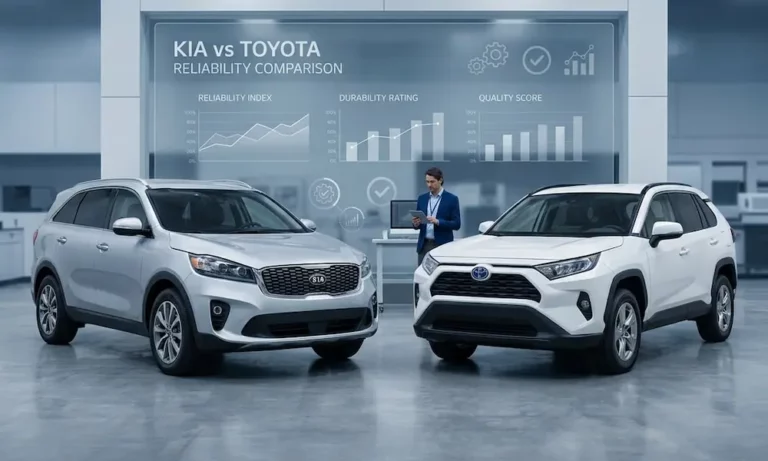
Picking between Kia and Toyota feels harder than it used to. Toyota’s long held the reliability crown, but Kia’s quietly closed the gap — fast. So which brand actually delivers better value and fewer headaches? The answer depends on how you plan to own your car. Stick around, because the details here could save you thousands.
How These Two Brands Got to Where They Are Today
Toyota’s been building cars since 1947. By the 1960s, the Corolla had already started earning Toyota its reputation for outlasting everything else on the road. The secret? The Toyota Production System — a manufacturing philosophy built around catching defects before they become problems.
Kia started out making bicycles in the 1940s. It didn’t go global until the 1990s, and for a long time, “reliable” wasn’t a word anyone used to describe it. That changed when the Hyundai Motor Group took over in 1998. Since then, Kia has made a massive pivot — investing heavily in engineering, design, and quality control.
The result? Two very different brands that now sit surprisingly close together in the reliability rankings.
What the Data Actually Says About Kia vs Toyota Reliability
Consumer Reports 2025 Rankings
Consumer Reports surveys tens of thousands of owners across 17 problem areas — from squeaky brakes to full engine failures. In 2025, Toyota reclaimed the top spot with a score of 66 out of 100. Kia landed at 10th place with a score of 49.
That gap sounds big. But Kia still outranks most European and domestic brands. Being in the top third of all brands sold in the U.S. is genuinely impressive for a company that was near the bottom a decade ago.
| Brand | Predicted Reliability Score (2025) | Industry Rank |
|---|---|---|
| Toyota | 66 | 1st |
| Subaru | 63 | 2nd |
| Lexus | 60 | 3rd |
| Honda | 59 | 4th |
| Kia | 49 | 10th |
| Industry Average | ~45 | — |
J.D. Power: Where Kia Pulls Ahead Early
J.D. Power runs two key studies. The Initial Quality Study (IQS) checks problems in the first 90 days. The Vehicle Dependability Study (VDS) looks at three-year-old cars.
Kia regularly beats Toyota on initial quality. The 2025 IQS even named the Kia Telluride a segment winner for upper midsize SUVs. Kia’s newer tech interfaces tend to be more intuitive, which means fewer owner complaints early on.
Long-term? Toyota edges ahead in the VDS with 185 problems per 100 vehicles versus Kia’s 193. Both beat the industry average of 202. Both are genuinely good.
| Brand | Problems per 100 Vehicles (VDS) | vs. Industry Average |
|---|---|---|
| Lexus | 151 | Best Overall |
| Toyota | 185 | Above Average |
| Kia | 193 | Above Average |
| Industry Average | 202 | Baseline |
RepairPal: Real-World Repair Frequency
Both Toyota and Kia earn a 4.0 out of 5.0 on RepairPal — classified as “Above Average.” But the numbers reveal a subtle difference.
- Kia visits the shop for unscheduled repairs 0.2 times per year vs. the industry average of 0.4
- Toyota averages 0.3 unscheduled visits per year
- Kia’s probability of a severe repair: 10% vs. Toyota’s 12%
Kia actually breaks down less often on average. Toyota’s repairs are slightly more expensive when they do happen.
The Real Cost of Owning Each Brand
Toyota’s 10-Year Maintenance Numbers
Toyota holds the lowest 10-year maintenance cost of any mass-market brand — around $5,470 total, which is about $2,786 below the industry average. The Corolla drops even lower at $4,434 over a decade.
The probability of a Toyota needing a major repair (over $500) in 10 years is just 14.97% — roughly 9.66% better than competitors.
| Year | Toyota Est. Annual Cost | Major Repair Probability |
|---|---|---|
| Year 1 | $253 | 1.48% |
| Year 3 | $346 | 2.76% |
| Year 5 | $504 | 7.00% |
| Year 7 | $709 | 8.49% |
| Year 10 | $795 | 14.97% |
| Year 12 | $918 | 27.93% |
Kia’s 10-Year Maintenance Numbers
Kia averages about $7,321 in maintenance costs over ten years — still $935 below the industry average. The average annual repair cost sits at $474 per year compared to Toyota’s $441.
The odds of a Kia needing a major repair in 10 years? 22.72%. That’s higher than Toyota, but still better than most other brands.
| Year | Kia Est. Annual Cost | Major Repair Probability |
|---|---|---|
| Year 1 | $309 | 2.25% |
| Year 3 | $442 | 4.18% |
| Year 5 | $671 | 10.62% |
| Year 7 | $965 | 12.88% |
| Year 10 | $1,089 | 22.72% |
| Year 12 | $1,266 | 42.39% |
Bottom line: Over a decade, you’ll likely spend about $1,851 more maintaining a Kia than a Toyota. That’s real money — but it may be offset by Kia’s lower sticker price and stronger warranty.
Under the Hood: How Each Brand Builds Its Engines
Toyota’s Philosophy: Proven Over Flashy
Toyota moves slowly with new tech — deliberately. It waits until a system is proven before rolling it out across its lineup. That approach has made Toyota’s hybrid system the most refined in the industry after two decades of real-world refinement.
The Corolla and Camry both use naturally aspirated engines paired with conventional automatic transmissions. Simple, tough, and engineered to hit 200,000 miles without drama.
Kia’s Philosophy: More Features, More Performance
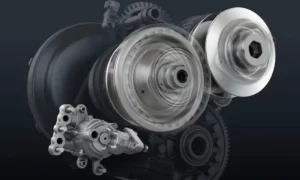
Kia leans into turbocharged engines and dual-clutch transmissions (DCTs) to offer sporty driving at an affordable price. DCTs can experience rough shifting in stop-and-go traffic — a known trade-off compared to Toyota’s smoother torque-converter automatics.
Kia’s newer “Smartstream” engines have significantly narrowed that reliability gap, though. The tech is better. The build quality is better. It’s just not quite there yet in terms of long-term track record.
Recalls: What You Need to Know
Kia’s Theta II Engine Problem
This one’s worth knowing about. Kia’s Theta II 2.0L and 2.4L engines used between 2011 and 2019 were prone to catastrophic failure — and fires. Metallic debris from manufacturing blocked oil flow to connecting rod bearings, causing seizures. Over 1.4 million vehicles were recalled, and Kia settled for $200 million.
In early 2025, another recall hit approximately 130,000 Soul and Seltos models over improperly heat-treated piston rings — creating a fire risk. These NHTSA-tracked issues are worth reviewing if you’re considering a used Kia from that era.
Toyota’s Recall History Isn’t Perfect Either
Toyota faced serious recalls on the 2022-2023 Tundra and Sequoia over machining debris in the crankshaft causing engine seizure — eerily similar to Kia’s issues. Toyota also recalled over one million vehicles in 2025 for a rearview camera software defect.
| Manufacturer | Vehicles Affected (2025-2026) | Primary Issues |
|---|---|---|
| Ford | 12,930,696 | Steering, Fuel Systems |
| Toyota | 3,223,256 | Engines, Cameras, Fuel Pipes |
| Stellantis | 2,776,952 | Electrical, Hybrid Batteries |
| Honda | 1,564,816 | Fuel Injectors, Steering |
| Kia | 982,346 | Piston Rings, Fuel Tanks |
Neither brand is immune. Toyota just tends to catch and fix issues faster.
Warranty Coverage: Kia Wins Here — With a Catch
Kia’s 10-Year Warranty
Every new Kia comes with a 10-year/100,000-mile powertrain warranty for the original owner, plus a 5-year/60,000-mile bumper-to-bumper warranty and 5-year roadside assistance. For anyone keeping their car long-term, that’s exceptional financial protection.
Toyota’s Shorter — But Smarter — Warranty
Toyota offers 3-year/36,000-mile basic coverage and a 5-year/60,000-mile powertrain warranty. Shorter, yes. But here’s the key difference: Toyota’s warranty transfers fully to the next owner with no reduction in coverage.
Kia’s 10-year powertrain warranty does NOT transfer. Once you sell it, the second owner gets only 5-year/60,000-mile powertrain protection. If you’re buying used, that’s a big deal.
| Warranty Component | Toyota | Kia |
|---|---|---|
| Bumper-to-Bumper | 3 Years / 36,000 Miles | 5 Years / 60,000 Miles |
| Powertrain (Original Owner) | 5 Years / 60,000 Miles | 10 Years / 100,000 Miles |
| Powertrain (Second Owner) | 5 Years / 60,000 Miles | 5 Years / 60,000 Miles |
| Roadside Assistance | 2 Years / 25,000 Miles | 5 Years / 60,000 Miles |
Pro tip: If you’re buying a used Kia, look for a Certified Pre-Owned model — those do carry a transferable 10-year powertrain warranty.
Long-Term Longevity: Which Car Lasts Longer?
Toyota Dominates the 250,000-Mile Club
iSeeCars data shows Toyota has 10 models in the top 25 vehicles most likely to reach 250,000 miles. The Sequoia leads the entire industry at 39.1%. The average Toyota has a 17.8% chance of reaching 250,000 miles — nearly four times the industry average of 4.8%.
| Toyota Model | Chance of 250,000+ Miles | vs. Industry Avg (4.8%) |
|---|---|---|
| Toyota Sequoia | 39.1% | 8.1x |
| Toyota 4Runner | 32.9% | 6.8x |
| Toyota Highlander Hybrid | 31.0% | 6.5x |
| Toyota Tundra | 30.0% | 6.3x |
| Toyota Tacoma | 25.3% | 5.3x |
| Toyota Prius | 12.2% | 2.5x |
Kia doesn’t appear in the top rankings — yet. Modern Kias can absolutely reach 200,000 miles with proper maintenance. They just don’t have the decades of high-mileage data to compete with Toyota’s trucks and SUVs.
Kia’s Surprising High-Mileage Stories
Individual examples are impressive. A Kia Sportage in Ireland crossed 1,010,359 kilometers — over 627,000 miles — on its original engine. The owner averaged 65,000 km per year and kept strict maintenance records throughout. A 2013 Hyundai Elantra also hit one million miles in the U.S., earning the owner a special tribute from Hyundai.
The engineering is capable. The consistent track record? That still belongs to Toyota.
The Kia Theft Problem You Should Know About
This one’s unique to Kia — and it’s relevant to reliability in the broader sense. Certain Kia models built between 2011 and 2021 shipped without engine immobilizers. A viral social media trend showed anyone could steal these cars with a USB cable and a screwdriver.
The fallout was significant. Some insurers stopped covering affected models entirely, while others raised premiums by up to 400%. Kia has since offered free software updates to over 3.7 million vehicles, and Kia theft rates have been declining through 2025.
Toyota has equipped nearly all its models with standard engine immobilizers for decades, avoiding this problem entirely. If you live in a high-crime city and you’re shopping used Kias from that era, check whether the software update has been applied before you buy.
Model-by-Model: How They Stack Up Head to Head
Both brands earn solid 4.0/5.0 scores on RepairPal across most segments. Here’s a quick look at the matchups:
| Segment | Toyota | Kia | Who Edges Ahead? |
|---|---|---|---|
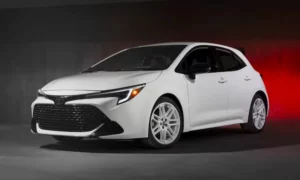
| Compact Sedan | Corolla | Forte | Toyota (long-term track record) |
| Midsize Sedan | Camry | K5 | Tie (both rated Excellent) |
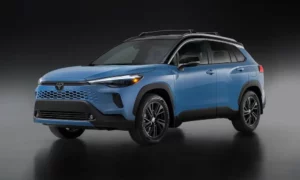
| Compact SUV | RAV4 | Sportage | Toyota (hybrid version especially) |
| Midsize SUV | Highlander | Sorento | Toyota (longer data history) |
| 3-Row SUV | Highlander 3-Row | Telluride | Kia (wins initial quality awards) |
The Kia Telluride is genuinely one of the best-built SUVs in its class right now. The RAV4 hybrid remains nearly bulletproof. Neither brand has a clear sweep across all segments.
Resale Value: Toyota Still Holds Its Worth Better
Toyota commands what the industry calls a “reliability premium” in the used car market. The Tacoma, 4Runner, and Highlander consistently resell at a higher percentage of their original price than almost anything else in their class. Buyers trust that a Toyota with 100,000 miles still has plenty left in it.
Kia’s resale values have improved significantly, especially for the Telluride and Sportage. But the non-transferable powertrain warranty still dents used Kia values. A used Toyota buyer gets the full remaining factory warranty. A used Kia buyer often gets far less protection than they expect.
So Which One Should You Buy?
Buy Toyota if:
- You want to drive the same car for 15-20 years
- You care about maximum resale value
- You’re buying used and want the warranty to transfer
- You want the lowest 10-year maintenance costs
- You’re in a city with high vehicle theft rates
Buy Kia if:
- You’re the original owner and want maximum warranty protection
- You want more features and technology for your money
- You plan to keep the car for 8-10 years, not 15+
- You’re buying new and want the best bumper-to-bumper coverage in the business
- Low initial sticker price matters to your budget
The gap between Kia vs Toyota reliability has narrowed dramatically. Both brands beat the industry average across nearly every major metric. Toyota still wins on extreme longevity and total lifetime cost. Kia wins on warranty coverage, initial quality, and value per dollar. Neither choice is wrong — you just need to know which tradeoffs work for your life.