Got a Toyota? You’ll want to read this. Several serious fire-related recalls have hit Toyota’s lineup hard between 2023 and 2026 — and some of them affect vehicles sitting in garages right now. Here’s exactly what’s happening, which vehicles are affected, and what you need to do.
The Toyota Fire Recall Situation in Plain English
Toyota has faced multiple fire-related recalls across its vehicle lineup in recent years. These aren’t minor technical tweaks. We’re talking about real fire risks — in some cases, fires that can start while your car sits parked in your garage.
The issues span different systems: 12-volt batteries, fuel lines, hybrid inverters, plug-in charging converters, and even engine manufacturing debris. Each one has its own cause, its own affected models, and its own fix.
Let’s break them down one by one.
1.8 Million RAV4s Recalled: The Battery Fire Risk
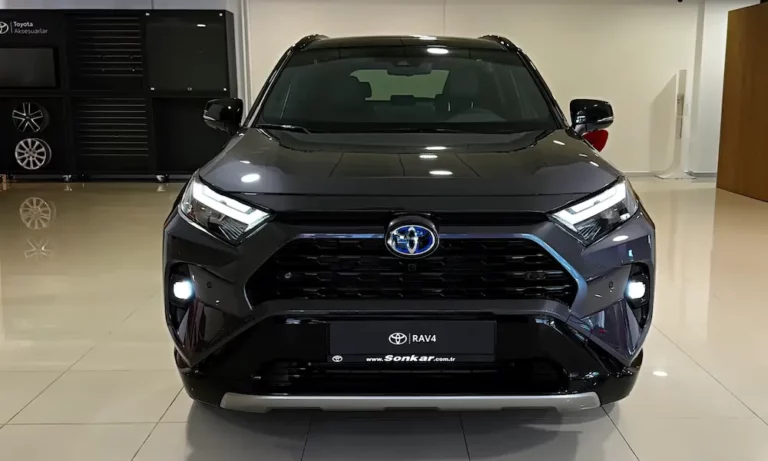
This is one of the biggest Toyota fire recall campaigns in recent history. Nearly 1.854 million RAV4s from model years 2013 through 2018 are under NHTSA campaign number 23V-734.
Why Does This Cause a Fire?
Here’s the problem. When owners replace their original 12-volt battery with an aftermarket unit, the new battery might be slightly smaller. If the hold-down clamp isn’t torqued correctly, the battery sits loose in its tray.
During a hard swerve or sharp corner, lateral force slides the battery sideways. The positive terminal then contacts the metal hold-down clamp — which is grounded to the chassis. That creates a short circuit. The resulting electrical arc can melt the battery casing, ignite hydrogen gas, and set fire to nearby plastic components and fluids.
When Will Your RAV4 Get Fixed?
Toyota rolled out this repair in phases due to the sheer volume of vehicles involved. Here’s the breakdown:
| Recall Phase | Model Years | Estimated Units | Parts Available |
|---|---|---|---|
| Phase 1 | 2013–2014 | 422,000 | Late 2023 |
| Phase 2 | 2015–2016 | 616,000 | Late April 2025 |
| Phase 3 | 2017–2018 | 816,000 | Late July 2025 |
The fix involves replacing the entire battery securement system — new clamp, new tray, and a redesigned positive terminal cover. According to NHTSA’s official recall notice, this new hardware grips even smaller-than-spec batteries firmly during extreme maneuvers.
Until the parts reach your dealer, have a technician confirm your battery clamp is as tight as possible.
Toyota Tundra Fuel Line Recall: 168,000 Trucks at Risk
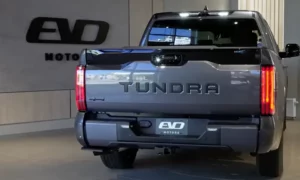
The redesigned 2022–2023 Tundra and Tundra Hybrid came with a serious hidden problem. Around 168,000 trucks were recalled under NHTSA campaign 23V-566 because a plastic fuel line sits too close to a metal brake line.
How Friction Becomes Fire
Vibration from normal driving causes the plastic fuel tube to rub against the harder metal brake line. Over time, that constant chafing wears through the tube wall.
When the fuel line finally breaches, it doesn’t just drip — it sprays atomized fuel into a hot engine bay. Fuel mist plus a hot exhaust surface equals fire. Simple, dangerous, and entirely preventable.
What Toyota Did to Fix It
Toyota took a two-step approach:
- Interim fix: Dealers installed protective wrap around the fuel tube and added a more secure clamp to prevent contact with the brake line.
- Permanent fix: A fully redesigned fuel tube with better materials and a different routing path replaced the original part.
Toyota also offered loaner vehicles to owners worried about driving before the repair. If you own a 2022 or 2023 Tundra, check your VIN at nhtsa.gov/recalls or call Toyota at 1-800-331-4331.
Hybrid Inverter Fire Risk: 55,000 Camry and Corolla Cross Hybrids
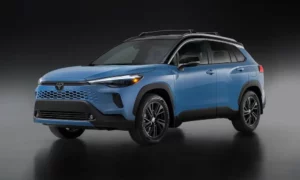
This Toyota fire recall targets roughly 55,000 vehicles — primarily 2025–2026 Camry Hybrids and 2026 Corolla Cross Hybrids. The root cause? A single machine at a Denso manufacturing plant in Tennessee had the wrong torque setting for a bolt inside the hybrid inverter.
A Loose Bolt With Serious Consequences
The inverter converts high-voltage DC power from the traction battery into AC current to drive the wheels. That bolt secures an electrical terminal inside the unit.
When the torque setting is too low, the bolt gradually loosens from road vibration and thermal cycling. Two bad outcomes follow:
- Power loss: High electrical resistance at the loose terminal triggers limp mode or complete shutdown — dangerous at highway speed.
- Fire: If the bolt fully detaches and bridges high-voltage components inside the inverter, it creates a massive short circuit. The heat generated can melt internal components or start a fire.
Toyota estimated only about 1% of the 55,000 vehicles actually contain the defect — but given the fire risk, every unit in the recall population gets inspected and repaired. Owners were scheduled for notification by mid-February 2026.
RAV4 Prime and Lexus NX450h+: Don’t Charge Below 41°F
This one’s interesting because the fire risk only appears in cold weather. About 43,442 plug-in hybrid vehicles — RAV4 Primes and Lexus NX450h+ models built between 2019 and 2022 — have a potentially damaged DC-DC converter.
Why Cold Weather Triggers the Problem
In a plug-in hybrid, the DC-DC converter steps down high-voltage battery power to run the car’s 12-volt systems. When temperatures drop below 41°F (5°C), the system activates a battery heater to keep the traction pack warm during charging.
That heater draws a large current surge through the converter. If the converter’s rectifying module is already damaged from a manufacturing error at the supplier, that surge causes it to overheat and potentially catch fire.
Watch your dashboard for these warnings:
- “Hybrid System Stopped”
- “Charging System Malfunction”
Either message means stop charging immediately.
Toyota’s Temporary Advisory
Until the DC-DC converter is replaced, the guidance is clear: don’t plug in your vehicle when it’s below 41°F outside. In cold climates, drive in hybrid mode rather than EV mode to reduce converter load.
Toyota also prioritized parts distribution to dealerships in northern states where cold temperatures hit hardest. The permanent fix replaces the entire DC-DC converter with an improved unit.
Toyota GR Supra: The “Park Outside” Fire Warning
The Supra’s co-development with BMW means it shares components — including some that have failed. A “Park Outside” recall issued in late 2025 affects roughly 1,469 Toyota Supras from model years 2020–2022, alongside nearly 200,000 BMW vehicles.
What “Park Outside” Actually Means
A “Park Outside” order is one of the most serious warnings NHTSA can issue. It means the vehicle can catch fire even when turned off and parked. Storing it in an attached garage puts your home at risk.
The culprit is the engine starter relay. Moisture enters the relay housing over time, corroding the internal contacts. That corrosion raises electrical resistance, generates heat, and can produce a short circuit that starts a fire — no ignition required.
The fix involves removing underbody panels and the oil pan cover to access the starter, then installing a redesigned starter assembly with improved moisture sealing. It’s a complex repair, but it’s free — and essential.
If you own a 2020–2022 GR Supra, park it outside your garage until the repair is done.
V35A Engine Debris: Tundra, LX 600, and GX 550
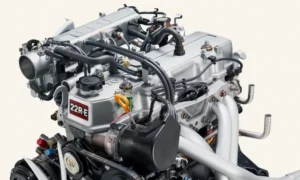
Toyota’s new 3.4-liter twin-turbo V6 — the V35A — powers its flagship trucks and SUVs. During engine block manufacturing at plants in Alabama and Japan, metal machining debris wasn’t fully cleared from internal oil passages.
How Metal Shavings Cause Engine Fires
The debris enters the oil system and gets carried to the main bearings — precision components that support the crankshaft. Particles wedged between a bearing and the crankshaft create intense friction and heat, leading to bearing failure.
A failed bearing can cause sudden engine stall — dangerous at highway speeds. In more severe cases, a thrown rod or structural engine damage forces hot oil onto the exhaust system, creating a fire risk.
Here’s a look at the affected vehicles:
| Vehicle | Production Dates | Primary Hazard | Remedy |
|---|---|---|---|
| Toyota Tundra (Gas) | Dec 2022 – Feb 2024 | Main Bearing Failure | Engine Replacement |
| Lexus LX 600 | Feb 2022 – Apr 2024 | Main Bearing Failure | Engine Replacement |
| Lexus GX 550 | May 2023 – Apr 2024 | Main Bearing Failure | Engine Replacement |
The recall was expanded in late 2025 to include 2024 models, bringing the total to approximately 126,691 U.S. vehicles. The remedy is a full engine replacement — one of the most significant repair commitments Toyota has made in recent memory.
Understanding Toyota Recall Types: What’s Free, What Isn’t
Not every Toyota service campaign is the same. Toyota distinguishes between three types:
- Safety Recall Campaign: Covers safety defects or Federal Motor Vehicle Safety Standard violations. No expiration date. Always free to the consumer.
- Special Service Campaign: Addresses technical issues that don’t pose immediate safety risk. Still free, but typically covers long-term reliability concerns.
- Limited Service Campaign: Time-limited repair programs. Miss the deadline and you may pay out of pocket.
All the fire-related recalls covered in this post fall under Safety Recall Campaigns. They’re free, they don’t expire, and Toyota’s dealers are required to perform them.
How to Check If Your Toyota Has an Open Fire Recall
Don’t wait for a letter in the mail. Address changes, mail delays, and data errors mean plenty of owners never receive notification.
Here’s how to check right now:
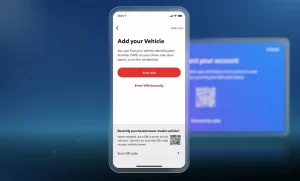
- Find your VIN — it’s on your dashboard (visible through the windshield, driver’s side) or on your insurance card and registration.
- Visit nhtsa.gov/recalls and enter your 17-character VIN. This is the most comprehensive database available.
- Check toyota.com/recall — Toyota’s own owner portal also shows open campaigns by VIN.
- Call Toyota directly at 1-800-331-4331 if you prefer to speak with someone.
All recall repairs are free at any authorized Toyota dealership, regardless of whether you’re the original owner. There’s no cost, no catch, and no reason to delay.