Want to keep your Toyota Camry running smoothly for years to come? The secret isn’t complicated—it’s all about following Toyota’s recommended service schedule. A well-maintained Camry can easily surpass 250,000 miles, but only if you stick to the maintenance timeline that Toyota engineers have carefully designed. Let’s break down exactly what you need to do and when to do it.
The 5,000-Mile Rhythm: Your Camry’s Heartbeat
Modern Toyota Camrys (2018-2025 models, both gas and hybrid) follow a simple 5,000-mile or 6-month maintenance pattern. This isn’t just a suggestion—it’s the foundation of your car’s longevity.
Toyota believes so strongly in this approach that they cover the first 2 years/25,000 miles of scheduled maintenance through ToyotaCare. This free service includes oil changes, tire rotations, and multi-point inspections at key intervals.
Here’s what happens during these essential 5,000-mile visits:
- Tire rotation to prevent uneven wear
- Brake inspection
- Fluid level check and top-off
- Floor mat and wiper inspection
Why Regular Maintenance Isn’t Optional
Protecting Your Engine and Warranty
Toyota engines are designed with precise tolerances that rely on clean, fresh synthetic oil. Laboratory tests show that skipping even one oil change can double bearing wear rates.
Beyond mechanical health, regular service records provide legal proof that you’ve maintained your vehicle properly. Those service stamps in your maintenance guide aren’t just for show—they protect your warranty coverage, especially for expensive powertrain issues.
The Financial Advantage
Properly maintained Camrys command 6-10% higher resale values compared to those with spotty service histories. Think about it: spending a few hundred dollars on scheduled maintenance can translate to thousands in higher resale value.
For example, a $300 brake fluid flush at the recommended interval is much cheaper than a $1,800 ABS actuator replacement that could result from neglect.
Complete Toyota Camry Maintenance Schedule
This comprehensive table outlines what needs to be done at each major service interval:
| Mileage | Time | Required Maintenance |
|---|---|---|
| 5,000 miles | 6 months | Tire rotation, visual brake inspection, fluid check, wiper inspection |
| 10,000 miles | 12 months | All 5k items plus full synthetic oil & filter change, cabin filter if in dusty region |
| 15,000 miles | 18 months | All 5k items plus cabin filter replacement, brake line & driveshaft boot inspection |
| 30,000 miles | 36 months | All 15k items plus engine air filter, fuel system & cooling system inspection |
| 60,000 miles | 72 months | All 30k items plus coolant exchange, transmission fluid drain & fill, battery load test |
| 90,000 miles | 108 months | All 60k items plus spark plug replacement, complete brake hardware service |
Key Service Milestones Explained
5,000-Mile Service
Regular tire rotation prevents the common inner-shoulder cupping that Camrys can develop on their front tires. Technicians will also check that your brake pads remain above Toyota’s 2mm minimum thickness requirement.
10,000-Mile Service
This is when your Camry needs its first oil change. Toyota’s synthetic oil can technically last 10,000 miles, but many dealers recommend a 6-month oil change cycle instead, especially if you make lots of short trips that can dilute the oil with fuel.
15,000-Mile Service
By this point, your cabin air filter is typically clogged with pollen and road dust. Replacing it keeps your HVAC system running efficiently and improves defrost performance.
30,000-Mile Service
A clogged engine air filter can reduce your 2.5L four-cylinder’s fuel economy by up to 2 mpg. The 30k service includes replacing this filter to prevent fuel economy loss and mass airflow sensor issues. Technicians will also perform the first complete cooling system inspection.
60,000-Mile Service
This major service includes:
- Coolant exchange: While Toyota officially specifies the first flush at 100k miles, many service bulletins for high-traffic regions recommend 60k miles to prevent corrosion in the EGR cooler and heater core.
- Transmission fluid service: The “lifetime” WS transmission fluid starts to break down after about 60,000 miles of city driving. A simple drain-and-fill service restores its protective properties without the risks of a complete power flush.
90,000-Mile Service
Though Toyota states spark plugs can last to 120,000 miles, replacing them at 90,000 miles ensures optimal ignition performance and smoother idle. The iridium plugs in your Camry are durable, but they do slowly erode under the soot from direct fuel injection.
Hybrid-Specific Maintenance
Camry Hybrid models follow the same basic 5,000-mile service pattern but include some additional items:
- Inverter coolant checks
- High-voltage diagnostics at 30,000-mile intervals
- The hybrid battery itself is maintenance-free
One important note: the cabin air filter is especially critical in hybrids because it also feeds the rear seat battery cooling intake.
Fluid Specifications and Change Intervals
Using the correct fluids is just as important as changing them on schedule:
| Fluid | Toyota Specification | Standard Interval | Why It Matters |
|---|---|---|---|
| Engine Oil | 0W-16 (2.5L) or 0W-20 (3.5L V6) | 10,000 miles/12 months | Special anti-foaming additives protect the variable oil pump system |
| Brake Fluid | DOT 3 LV | Inspect at 2 years, replace at 3 years | Absorbs moisture over time, which lowers boiling point and extends stopping distances |
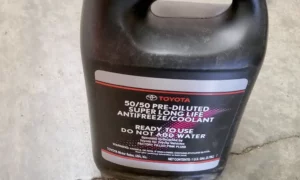
| Engine Coolant | Toyota Super Long Life Pink (50/50) | 60,000 miles | Silicate-free formula protects aluminum engine components |
| Transmission Fluid | Toyota ATF WS | 60,000 miles | Special formulation for Toyota’s 8-speed and CVT transmissions |
DIY Maintenance Between Dealer Visits
While your dealer handles the heavy lifting, you should still perform these simple checks:
- Monthly: Check oil level, tire pressure, and windshield washer fluid
- Quarterly: Inspect tire tread for wear patterns that might signal alignment issues
- Before road trips: Test your 12V battery voltage (should be ≥12.4V when resting)—especially important for hybrid models that need this battery for system startup
Getting the Most Value from Your Maintenance Dollar
- Maximize ToyotaCare: Schedule your maintenance at 10,000-mile intervals to get the most free service (5k, 10k, 15k, 20k, and 25k visits are covered).
- After warranty: Independent ASE-certified shops can perform out-of-warranty services, but insist on genuine Toyota filters and WS fluid to keep your drivetrain warranty valid.
- Bundle services: Have your brake fluid flushed when you’re already getting brake pads replaced. This saves about $40-60 in labor costs.
Severe Service Conditions: When to Step Up Maintenance
If any of these conditions apply to your driving, you’ll need to follow Toyota’s “severe service” schedule:
- Regular towing
- Delivery driving with frequent idling
- Dusty roads or off-road driving
- Extremely cold weather with lots of short trips
Under severe conditions, oil changes should happen every 5,000 miles instead of 10,000. Transmission and brake fluid services should move up to 30,000-mile intervals.
The Cost of Neglect vs. Regular Maintenance
Think regular maintenance is expensive? Consider the alternative:
- Skipped oil changes lead to sludge buildup that can destroy your engine
- Neglected transmission fluid causes rough shifting and eventually transmission failure
- Contaminated brake fluid can lead to brake system failure
- Old coolant becomes acidic and damages internal engine components
After ToyotaCare ends, expect to spend roughly $450-600 per year on maintenance—a small price compared to major repair costs that can easily run into thousands.
Service Items That Owners Frequently Forget
These critical maintenance items often get overlooked but are essential for your Camry’s health:
- Brake fluid changes: Should be done every 3 years regardless of mileage to prevent moisture contamination and system failure
- Transmission fluid service: Many owners believe the “lifetime fluid” myth, but a 60,000-mile service significantly extends transmission life
- Coolant replacement: Engine coolant becomes more acidic over time, causing internal corrosion even if the cooling system appears to be working fine
By following Toyota’s comprehensive maintenance schedule, you’ll enjoy trouble-free driving for years to come. Your Camry was engineered to last—give it the care it deserves, and it will reward you with exceptional reliability, strong resale value, and the peace of mind that comes from driving a properly maintained vehicle.