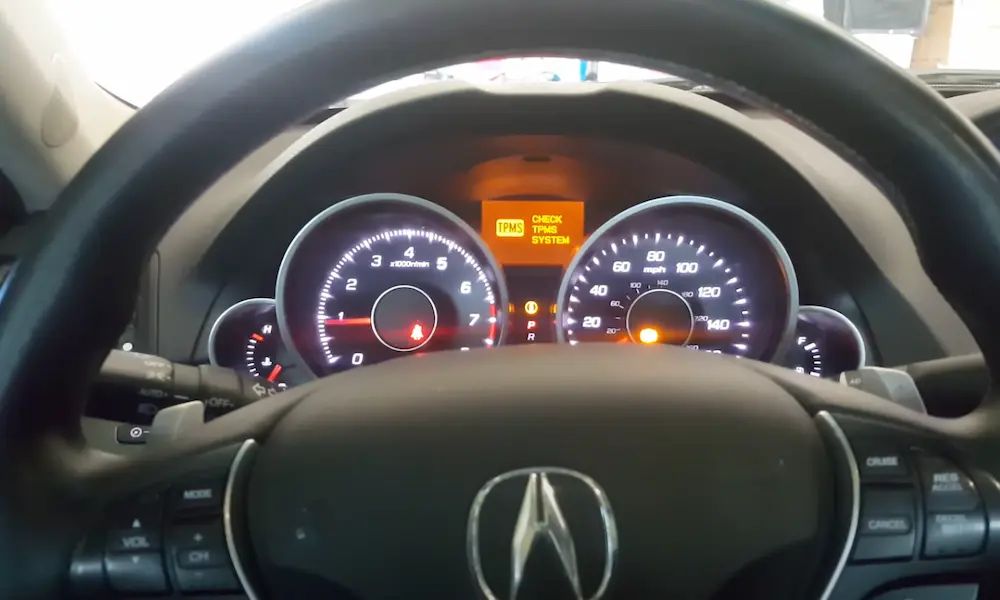
Seeing that “Check DRL System” message light up on your Acura’s dashboard can be frustrating. It’s one of those warnings that doesn’t tell you much about what’s actually wrong. Is it dangerous? Can you keep driving? How expensive will the fix be? I’ll walk you through everything you need to know about this common Acura issue, from what causes it to how you can fix it yourself in most cases.
What Does the “Check DRL System” Warning Mean?
When your Acura displays this message, it’s telling you there’s an issue with your Daytime Running Lights (DRL). These are the lights that automatically turn on when you start your vehicle and put it in drive, making your car more visible to other drivers during daylight hours.
The warning typically appears when:
- One or more DRL bulbs have burned out
- There’s damaged wiring in the system
- You’ve installed incompatible LED bulbs
- The DRL relay or control module is failing
Why Your Acura’s DRL System Matters
Daytime Running Lights aren’t just a fancy feature—they serve an important safety purpose. Your Acura’s DRLs automatically activate when you start your car and put it in drive, improving your visibility to other drivers even in broad daylight.
Most Acura models use 9005 (HB3) bulbs for their DRL system. These lights operate at reduced power compared to your high beams, which helps extend their lifespan while still providing the visibility benefits.
Common Causes of DRL System Failures
Burned-Out Bulbs
The most frequent culprit is simply a failed bulb. The 9005 halogen bulbs used in most Acura DRL systems eventually burn out after thousands of hours of use. Since DRLs are on whenever you’re driving, they tend to fail sooner than other lights in your vehicle.
Wiring Problems
Your DRL system includes wiring harnesses that connect the bulbs to your vehicle’s electrical system. These can become damaged by:
- Engine heat
- Road debris
- Water intrusion
- Accidental contact with moving parts like the serpentine belt
Corroded connections at the bulb socket can also trigger the warning message.
LED Conversion Issues
Many owners upgrade their halogen DRLs to LED bulbs for better brightness and longevity. However, this often triggers the “Check DRL System” warning because LEDs draw significantly less current than halogen bulbs. Your Acura’s computer interprets this lower power draw as a bulb failure.
Faulty Components
Less common but still possible causes include:
- Failed DRL relay
- Malfunctioning headlight switch
- Issues with the DRL control module
How to Diagnose Your DRL Problem
Before grabbing tools, take these simple diagnostic steps:
- Turn on your headlights manually and check if both DRLs illuminate
- If one side is out, the bulb is likely the problem
- If both sides are out, suspect a relay or switch issue
- If you’ve recently installed LED bulbs, they’re almost certainly the cause
DIY DRL Bulb Replacement Guide
Replacing DRL bulbs on most Acura models is straightforward and costs around $10-15 per bulb. Here’s how to do it:
Tools You’ll Need
- Replacement 9005 (HB3) bulb
- Small and large flathead screwdrivers
- 10mm socket and ratchet
- A yoga mat or padding (to lie on comfortably)
Step-by-Step Replacement Process
- Access the DRL Housing
- Remove three plastic clips from the bottom of the front bumper using a flathead screwdriver
- Remove the side panel screw (10mm)
- Pull back the access panel to reach the light housing
- Replace the Bulb
- Locate the DRL bulb (typically the inner bulb, with the outer being the fog light)
- Turn the bulb connector counterclockwise (quarter turn) to remove
- Disconnect the electrical connector by pressing the release tab
- Install the new 9005 bulb (it only fits one way)
- Reconnect and turn clockwise to secure
- Test and Reassemble
- Start the vehicle to verify the DRL warning is cleared
- Reinstall all panels and fasteners
LED Conversion Solutions: Solving the Error Messages
If you want the benefits of LED DRLs without the annoying warning message, you’ll need additional components to make them compatible with your Acura’s system.
CAN Bus Decoders
These clever devices regulate voltage and current to make LED bulbs compatible with your vehicle’s monitoring system. They plug inline between the factory wiring and the LED bulb, eliminating both flickering and error messages.
Quality CAN Bus decoders designed for Acura vehicles will trick the computer into thinking the lower-power LED is actually a normal halogen bulb.
Load Resistors
Another solution is to install 50-watt, 6-ohm load resistors wired in parallel with the LED bulbs. These simulate the electrical load of halogen bulbs by drawing additional current.
Important warning: Load resistors generate significant heat and must be securely mounted to metal surfaces away from plastic components to prevent fire hazards.
Specialized LED Kits
For a cleaner solution, consider complete LED DRL kits designed specifically for Acura models that include built-in decoders. These plug-and-play solutions typically cost $100-200 but eliminate compatibility issues.
Comparing DRL Replacement Options
| Solution | Pros | Cons | Cost |
|---|---|---|---|
| OEM Halogen | Perfect compatibility, no errors | Shorter lifespan, less bright | $10-15 per bulb |
| LED + Decoder | Brighter, longer-lasting, no errors | More complicated installation | $40-80 per pair |
| LED + Load Resistors | Budget-friendly LED solution | Heat concerns, more complex wiring | $30-50 per pair |
| Premium LED Kit | Plug-and-play, no errors, brightest | Most expensive option | $100-200 per pair |
Preventing Future DRL Problems
Follow these tips to avoid repeat DRL issues:
- Replace DRL bulbs in pairs to ensure even brightness
- Avoid touching the glass portion of halogen bulbs during installation (oils from fingers can cause hot spots)
- Inspect wiring harnesses periodically for damage, especially in high-heat areas near the engine
- Consider upgrading to a quality LED conversion kit with proper decoders if you value longevity
Dealing with Persistent DRL Warnings
The DRL system warning typically clears automatically once the faulty bulb is replaced and the system detects proper operation. If the warning persists after replacing bulbs, check these potential issues:
- Loose or damaged electrical connectors
- Corroded bulb sockets
- Fault in the DRL relay (usually located in the fuse box)
- Damaged wiring between the bulb and control module
In rare cases where the warning persists despite your troubleshooting efforts, the vehicle’s computer system may need diagnosis by a professional using specialized equipment.
Addressing Specific Acura Models
Different Acura models have slight variations in their DRL systems:
MDX
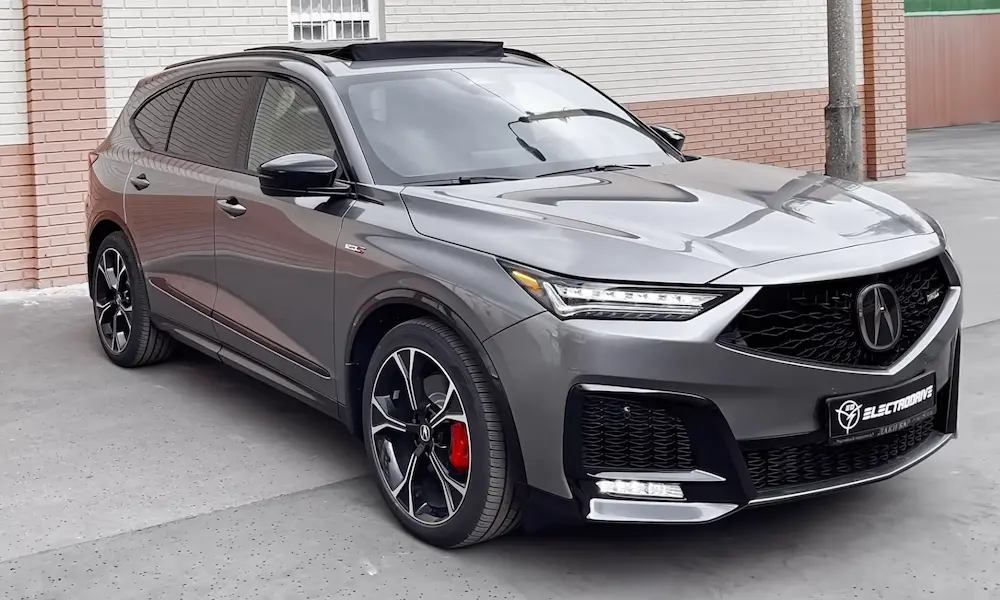
The MDX typically houses its DRLs within the main headlight assembly. Access requires removing a service panel behind the headlight, making bulb replacement slightly more involved than on other models. Owners report good results with specialized LED kits that include decoders.
TL and TSX
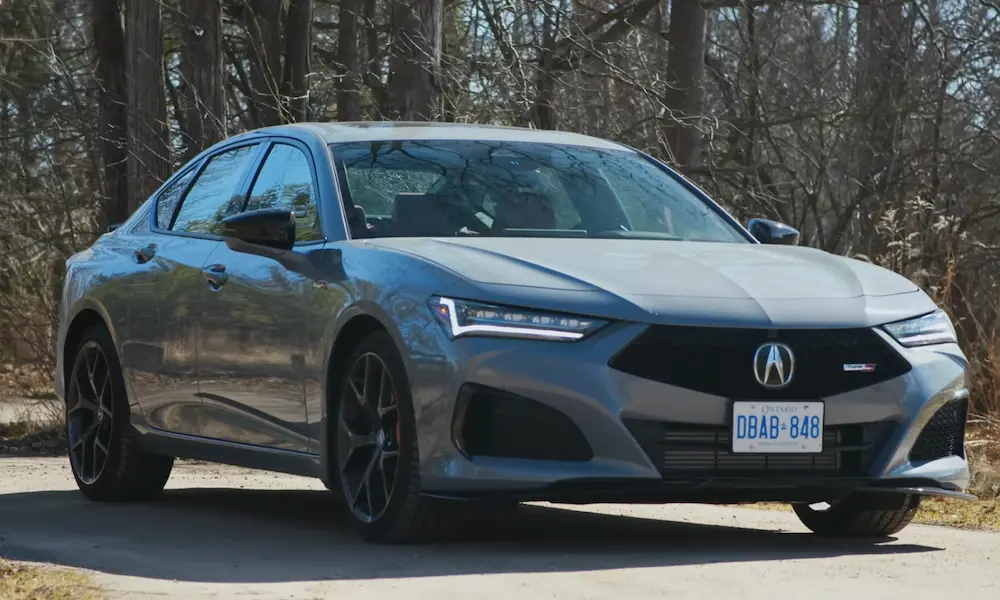
These models generally use the high beam bulbs at reduced power for DRLs. Replacement is straightforward with access from the engine bay in most years. For LED upgrades, specialized decoders designed specifically for these models yield the best results.
Wiring Repairs: When Bulbs Aren’t the Problem
If you’ve determined that damaged wiring is causing your DRL issues, here’s how to approach repairs:
- Trace the wiring from the bulb socket back toward the control module
- Look for obvious damage, pinched wires, or melted insulation
- For minor damage, repair using heat-shrink butt connectors
- For extensive damage, replacing the entire harness may be necessary
When dealing with wiring repairs, proper electrical tape and heat shrink tubing are essential to ensure waterproof connections that won’t corrode over time.
Understanding Your DRL System’s Importance
Beyond just avoiding an annoying dashboard warning, maintaining your DRL system has real safety benefits. Studies have shown that vehicles with functional daytime running lights have a significantly lower risk of daytime accidents due to increased visibility to other drivers.
Your Acura’s DRL system is designed to remain on whenever the vehicle is in drive, regardless of whether you’ve manually activated your headlights. This ensures consistent visibility even when drivers forget to turn on lights in marginal conditions like dawn, dusk, or light rain.
While the “Check DRL System” warning isn’t a critical safety alert that requires immediate attention like brake or engine warnings, addressing it promptly maintains your vehicle’s safety systems at their optimal level.