Frustrated with your engine shutting down when you least expect it? You’re sitting at a traffic light, and suddenly your car goes quiet—or maybe your truck shuts off during an essential idle period. Engine idle shutdown features might save fuel, but they can be downright annoying when you’re just trying to get through your day.
I’ll walk you through exactly how to disable these systems in both passenger vehicles and commercial trucks, with methods ranging from simple button presses to more permanent solutions.
What Is Engine Idle Shutdown and Why Disable It?
Engine idle shutdown comes in two main flavors, and each works differently:
Auto Start-Stop in Passenger Vehicles
This system automatically kills your engine when you come to a complete stop—like at red lights or in traffic—and then restarts when you press the accelerator pedal. While it’s designed to improve fuel economy and reduce emissions, many drivers find it:
- Jarring and disruptive
- Potentially damaging in stop-and-go traffic
- Annoying when you need quick acceleration
- Uncomfortable in extreme weather (when you need constant AC or heat)
Commercial Truck Idle Shutdown Timers
These are different beasts altogether. Commercial trucks use timers that shut down the engine after a preset idle period—usually 5 to 30 minutes. Fleet operators love them for fuel savings and emissions compliance, but drivers often hate them when:
- Taking mandatory breaks
- Sleeping in the cab
- Waiting for loading/unloading
- Operating in extreme temperatures
Quick Methods to Disable Auto Start-Stop in Passenger Vehicles
The “Every Time” Button Method
Nearly every vehicle with auto start-stop includes a button to temporarily disable it. You’ll need to press this button every time you start the car:
| Brand | How to Temporarily Disable |
|---|---|
| Ford | Press the “A” with circular arrow button on the dashboard or use SYNC touchscreen: Settings > Vehicle > toggle “Auto Engine off” |
| Honda/Acura | Press the Auto Idle Stop button (shows an “A” with circular arrow) |
| GM/Chevy | Look for the “A” button typically near the headlight controls |
| Most others | Find the button with an “A” and circling arrow symbol |
The catch? You’ll need to repeat this every time you start your car—which gets old fast.
Permanent Solutions for Passenger Vehicles
If you’re tired of hitting that button every time, here are more lasting fixes:
1. OBD-II Port Plug-In Devices
These simple plug-and-play devices remember your preference and keep auto start-stop disabled:
- Autostop Eliminator: Works with Ford, GM, Chrysler, Jeep, and many other brands
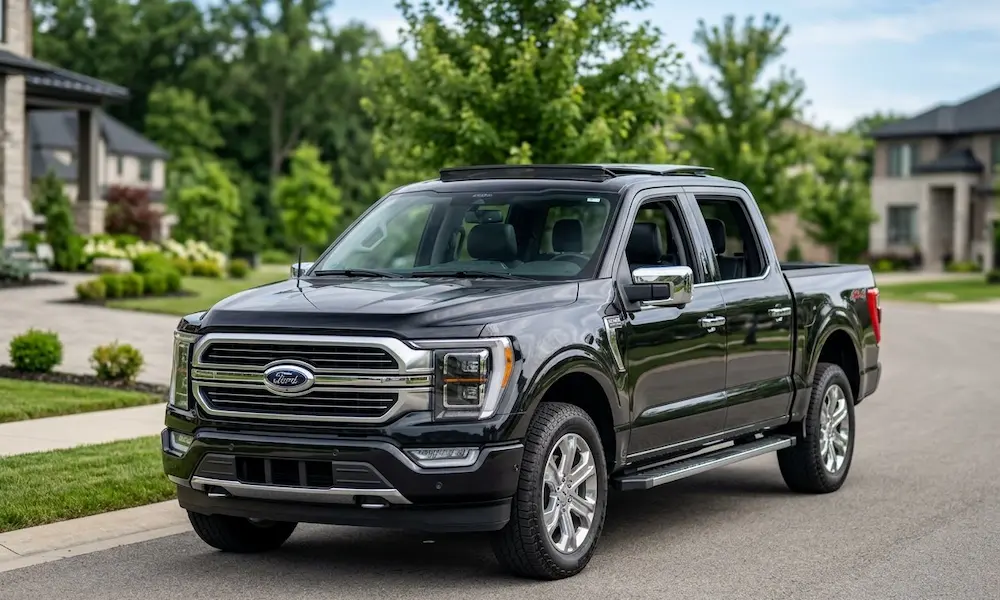
- 4D Tech Start/Stop Eliminator: Great for Ford trucks like the F-150
- Range Technology: Popular for GM vehicles
- Carbyte: All-in-one device for GM vehicles that handles both auto stop-start and cylinder deactivation
Installation couldn’t be simpler—just locate your OBD port (usually under the dashboard near the steering wheel) and plug it in. No tools required!
2. Vehicle-Specific Modules
Some vehicles need more specialized solutions:
- Honda/Acura Idlestopper: Works with Pilot, Passport, Ridgeline, and other models
- Custom installation modules: These typically connect to specific wiring harnesses
This approach requires a bit more work—you’ll need to remove some interior panels and connect the module to your vehicle’s wiring.
3. DIY Solutions That Actually Work
If you’re the handy type, consider these approaches:
The Gift Card Hack
For some vehicles, you can keep the auto start-stop button physically depressed:
- Cut a small piece of plastic from an old gift card
- Wedge it between the button and surrounding trim
- The system thinks you’re constantly pressing the button
Relay Modification
Some vehicles allow for disconnecting the auto start-stop relay, though this might trigger a warning light on your dashboard.
Commercial Truck Idle Shutdown Override
Truck drivers have different challenges—and different solutions:
Freightliner Cascadia Temporary Override
This simple trick works on most Freightliner trucks:
- Press the menu button on your steering wheel
- Navigate to “Engine Idle Adjustment”
- Press the up arrow to increase RPM slightly (even just a tiny increase works)
- This prevents shutdown until you cycle the ignition or press the brake
This method is covered in detail in this helpful video demonstration.
International Trucks Engine Throttle Activation
International trucks have their own override sequence:
- Park in neutral with the parking brake set
- Press and hold the “ON” button on the steering wheel
- While holding, slightly release and re-engage the parking brake
- Release the “ON” button when you hear a beep
- Repeat the same process with the “SET” button
- Your display should show “Engine Throttle Activated”
Many drivers on Reddit forums confirm this method works well.
Permanent Solutions for Commercial Trucks
For a more permanent fix:
- ECM Reprogramming: Using Detroit Diesel Diagnostic Link software to change engine parameters (requires dealer access or specialized software)
- Parameter Adjustments: Many trucks allow technicians to modify or disable the idle shutdown timer in the Engine Control Module
These approaches typically require professional help or specialized knowledge of truck electronics.
Best Approach Based on Your Vehicle Type
Passenger Vehicles: What Works Best
For Most Cars and SUVs:
The OBD-II port plug-in devices offer the best balance of simplicity and effectiveness. They’re easy to install, don’t void warranties, and work consistently.
For Honda/Acura Models:
The dedicated Idlestopper module has proven highly effective, though installation is slightly more involved. Many Honda Pilot owners report excellent results.
For Budget-Conscious Drivers:
The DIY gift card hack costs nothing but your time and works surprisingly well on many vehicles.
Commercial Trucks: Most Reliable Methods
For Quick Fixes:
The temporary override methods (bumping up RPM or using engine throttle activation) work well when you need a one-time solution.
For Long-Term Solutions:
ECM reprogramming is the gold standard but requires professional assistance. Many truck drivers report that dealers can often make these adjustments for a fee.
Impact on Vehicle Reliability and Warranty
A common concern is whether disabling idle shutdown will affect your vehicle’s warranty or reliability.
Warranty Considerations
Most aftermarket devices are designed not to interfere with vehicle systems in ways that would void warranties. The Magnuson-Moss Warranty Act protects your right to install aftermarket parts without automatically voiding your warranty.
However, if you’re concerned:
- Keep the original device to reinstall before dealer visits
- Choose plug-and-play solutions that don’t modify wiring
- Avoid ECU reprogramming unless done by authorized technicians
Vehicle Longevity
Auto start-stop systems use heavy-duty starters and specialized batteries designed for frequent cycling. By disabling the system:
- You might reduce wear on these components
- You’ll likely see a minor decrease in fuel economy (1-2% in city driving)
- Engine components may experience slightly more wear from extended idling
Cost Comparison of Different Solutions
| Solution Type | Approximate Cost | Installation Difficulty | Permanence |
|---|---|---|---|
| Manual button press | Free | None | Temporary (per drive) |
| OBD-II plug-in device | $80-150 | Very easy (plug and play) | Semi-permanent (removable) |
| Vehicle-specific module | $100-200 | Moderate (some disassembly) | Permanent |
| DIY gift card hack | Free | Easy | Semi-permanent (removable) |
| Commercial truck ECM programming | $150-300+ | Professional required | Permanent |
Real-World Examples and Success Stories
- A Ford F-150 owner reported that the Autostop Eliminator completely solved his start-stop frustrations and was “worth every penny.”
- Several Honda Passport owners successfully installed the Idlestopper module and praised its seamless operation.
- A Freightliner driver demonstrated that simply bumping up the idle RPM by 50-100 RPM completely bypassed the shutdown timer.
- Hyundai Santa Fe drivers found that OBD plug-in devices were more reliable than repeatedly pressing the button.
When Engine Idle Shutdown Is Actually Useful
Despite the frustrations, there are situations where idle shutdown serves a useful purpose:
- Reducing unnecessary fuel consumption in long traffic jams
- Preventing excessive emissions in enclosed spaces like drive-throughs
- Extending engine life during extreme extended idling periods
- Meeting emissions requirements in regions with strict idling laws
If you frequently encounter these scenarios, consider using a temporary disable method rather than a permanent one.
Tools You’ll Need for Installation
For most passenger vehicle solutions, you’ll need minimal tools:
- OBD-II devices: None (plug and play)
- Vehicle-specific modules: Basic hand tools (screwdriver, trim removal tools)
- Commercial truck programming: Specialized diagnostic software and interface cables
Remember that more permanent solutions generally require more tools and expertise.
By understanding the options available for your specific vehicle, you can make an informed decision about how to disable engine idle shutdown in a way that works best for your needs and technical comfort level.