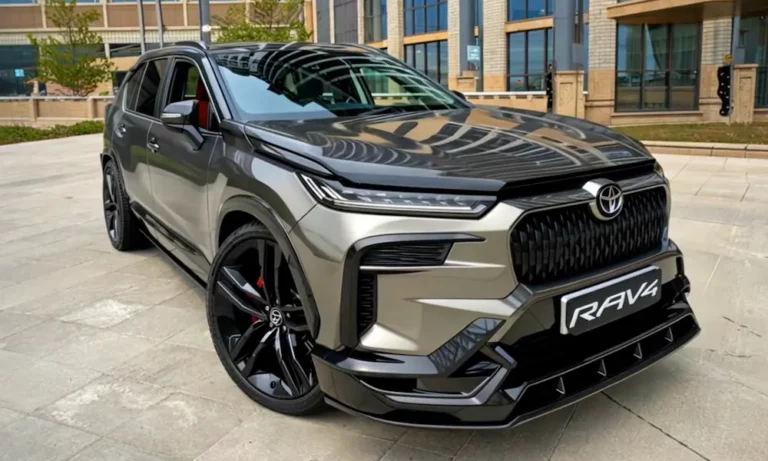
Hearing a rattling noise when you step on the gas in your Toyota RAV4? Don’t worry – you’ve got plenty of company. These mysterious rattles are common complaints among RAV4 owners, ranging from minor nuisances to signs of more serious problems. I’ll help you identify what’s making that sound and what you can do about it.
The Most Common Causes of RAV4 Rattling During Acceleration
When your RAV4 starts making unwanted noises as you press the accelerator, several culprits could be responsible. Let’s break down the most frequent offenders.
VVT-i System Issues: The Cold Start Rattle
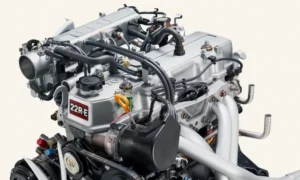
The Variable Valve Timing intelligent (VVT-i) system is often behind those annoying rattles, especially during cold starts. If you hear a rattling sound that lasts between 1-4 seconds when you first start your RAV4 on a cool morning, the VVT-i system is likely to blame.
What happens is pretty straightforward – the VVT-i actuator (cam gear) develops wear over time, causing internal components to rattle against each other until oil pressure builds up. This is especially common in RAV4s with the 2AR-FE engine.
Toyota has acknowledged this issue through Technical Service Bulletin #0041-13, and the fix typically involves replacing the VVT-i actuators on both intake and exhaust camshafts.
Heat Shield Rattles: The Easy Fix
One of the most common (and thankfully, easiest to fix) causes of rattling during acceleration is a loose heat shield. These thin metal shields protect various components from exhaust heat, but they can come loose over time.
Signs of a heat shield problem include:
- Metallic rattling that gets louder as you accelerate
- Noise that seems to come from underneath the vehicle
- Rattling that changes with engine RPM
The good news? This is often a quick and inexpensive fix. Many RAV4 owners have successfully silenced these rattles using simple hose clamps, zip ties, or high-temperature sealant to secure the loose metal.
Transfer Case Problems in Newer Models
If you own a 2019-2020 RAV4 Adventure or Limited with the torque vectoring AWD system, your rattling noise might actually be more of a buzzing or “mooing” sound. This is a well-documented issue with the transfer case in these models.
The noise typically occurs:
- At speeds of 20-30 mph during acceleration
- After driving for 15-20 minutes
- As a buzzing, groaning, or odd mooing sound
Toyota has issued multiple Technical Service Bulletins (T-SB-0019-20, T-SB-0067-20) addressing this problem. The repair usually involves replacing either the electromagnetic clutch assembly or the entire transfer case.
Worn Engine Mounts: The Clunking Culprit
Engine mounts secure your RAV4’s engine to the frame while absorbing vibrations. When they wear out, they can cause a range of noises, including rattling during acceleration.
Signs of bad engine mounts include:
- Clunking when shifting from Park to Drive
- Excessive engine movement during acceleration
- Vibration felt throughout the vehicle
- Noise when applying throttle while braking
A visual inspection can often reveal cracked, fluid-leaking, or separated rubber components that indicate mount failure.
Engine-Related Rattles: When to Be Concerned
Timing Chain System Noise
While less common than VVT-i issues, timing chain problems can also cause rattling during acceleration. This is one you shouldn’t ignore, as it can potentially lead to serious engine damage.
The symptoms include:
- Rattling noise during cold starts
- Noise that may last longer than typical VVT-i rattle
- Persistent rattling during acceleration
Many RAV4 owners have reported these issues and found that replacing the timing chain tensioner, guides, or the chain itself may be necessary. However, this doesn’t always eliminate VVT-i-related noise.
AWD System Rattles and Groans
Rear Differential Noise
If you drive an AWD RAV4, the rear differential could be the source of your acceleration rattle. These typically present as:
- Grinding or whining sounds from the rear of the vehicle
- Noise that appears during acceleration or deceleration
- Vibration that you can feel throughout the car
Toyota addressed these rear differential bearing failures in TSB T-SB-0080-13R1, which includes an upgraded seal to prevent future problems.
Traditional Differential Issues in Older Models
Pre-2019 RAV4 models commonly experience a characteristic “growl” or rattle at 35-45 mph during light acceleration. Many owners have found that this noise relates to:
- Rear differential fluid degradation
- Transfer case wave plate issues
- Worn differential components
Interestingly, some owners have discovered a temporary workaround – shifting from Drive to “3” when the noise occurs often eliminates the sound. A differential fluid change using high-quality gear oil has helped others resolve the issue.
Exhaust System Problems Beyond Heat Shields
While loose heat shields are the most common exhaust-related cause of rattling, other exhaust components can also create noise during acceleration:
- Loose exhaust pipes or hangers
- Damaged catalytic converter internals (you’ll hear the “marbles in a can” sound)
- Worn exhaust system mounting points
These issues typically require inspection by someone who can safely get under the vehicle with the proper equipment.
Diagnostic Steps: Pinpointing Your RAV4’s Rattle
To properly diagnose a rattling noise during acceleration in your RAV4, follow these steps:
- Document when the noise occurs: Cold start only? During acceleration? At specific speeds?
- Locate the sound: Engine bay? Undercarriage? Rear of vehicle?
- Identify patterns: Does it happen in all gears? Only under load?
- Look for obvious damage: Check heat shields, engine mounts, and exhaust components
This table summarizes the most common RAV4 rattling issues and their typical characteristics:
| Issue | Sound Type | When It Occurs | Location | Common in Model Years |
|---|---|---|---|---|
| VVT-i System | Short rattle | Cold start, light acceleration | Engine bay | Multiple years, 2AR-FE engines |
| Heat Shields | Metallic rattle | During acceleration | Undercarriage | All model years |
| Transfer Case | Buzzing/”mooing” | 20-30 mph after warm-up | Center/rear | 2019-2020 Adventure/Limited |
| Engine Mounts | Clunk/rattle | Shifting gears, acceleration | Engine bay | All model years |
| Timing Chain | Persistent rattle | Cold start, acceleration | Engine bay | Various years |
| Rear Differential | Grinding/whining | Acceleration/deceleration | Rear | AWD models, various years |
How to Talk to Your Mechanic
When bringing your RAV4 in for service, being specific helps tremendously. Many owners report that dealers initially dismiss these noises as “normal operation.” Here’s how to get better results:
- Be precise about when and how the noise occurs
- Reference the specific Technical Service Bulletin (TSB) if you know which issue you have
- Ask for a test drive with a technician to demonstrate the exact conditions that produce the noise
- For newer vehicles, emphasize that the issue should be covered under warranty
DIY Fixes for Common RAV4 Rattles
While some issues require professional attention, others can be addressed yourself:
Heat Shield Fixes
For loose heat shields, try these DIY solutions:
- Use stainless steel hose clamps to secure loose sections
- Apply high-temperature sealant between the shield and mounting points
- For severely damaged shields, replacement parts are relatively inexpensive
Differential Fluid Changes
For older RAV4s with differential noise:
- Change the differential fluid using manufacturer-recommended or high-quality synthetic gear oil
- Ensure proper fill levels for both front and rear differentials in AWD models
- Consider a complete flush rather than just a drain and fill
Engine Mount Inspection
You can visually inspect engine mounts for obvious damage:
- Look for cracked rubber
- Check for fluid leakage (hydraulic mounts)
- Watch for excessive engine movement during idle
Professional Repairs: What to Expect
For more complex issues, here’s what professional repairs typically involve:
VVT-i Actuator Replacement
This job requires significant engine disassembly and typically costs several hundred dollars in parts alone. Labor can add significantly to this cost, though the repair should resolve cold-start rattling.
Transfer Case Repairs
For 2019-2020 models with the “mooing” or buzzing noise, repairs typically involve:
- Replacement of the electromagnetic clutch assembly
- In some cases, replacement of the entire transfer case
- This repair is often covered under warranty for newer vehicles
Timing Chain System Repairs
If your RAV4 needs timing chain work, expect:
- Significant labor costs due to the extensive disassembly required
- Replacement of chain, tensioners, and guides
- A repair that should be prioritized to prevent potential engine damage
Preventing Future RAV4 Rattles
While some issues are design-related and difficult to prevent, these maintenance practices can help minimize rattling problems:
- Use high-quality oil and follow recommended change intervals to protect the VVT-i system
- Regularly inspect exhaust components and heat shields for looseness
- For AWD models, change differential fluid according to maintenance schedules
- Address unusual noises promptly before they develop into more serious problems
Toyota RAV4s are generally reliable vehicles, but like any car, they have their common issues. By identifying that rattling noise during acceleration early, you can often prevent minor problems from becoming major headaches.
Remember, if you’re not comfortable diagnosing or fixing these issues yourself, consulting with a qualified technician familiar with Toyota vehicles is always the safest approach. Many of these problems are well-known to Toyota specialists who can quickly pinpoint and resolve them.