Dealing with a faulty transmission in your GM vehicle? You’re facing a changing legal landscape after the recent decertification of the major class action lawsuit. But don’t worry – you still have several pathways to compensation. This guide walks you through your current options, from smaller active lawsuits to potentially more valuable individual claims.
The Current Status of GM Transmission Lawsuits
The legal situation for GM transmission cases changed dramatically in June 2025. The primary class action lawsuit (Speerly v. General Motors LLC), which represented about 800,000 vehicle owners across 26 states, was decertified by the 6th U.S. Circuit Court of Appeals.
Why the Main Lawsuit Was Decertified
In a 9-7 decision, the appeals court ruled that there were too many differences among vehicle owners to justify a single class action. The court found that:
- The case included 26 different state subclasses
- It involved 59 separate state-law claims
- The district court failed to conduct the “rigorous analysis” required by law
This decision was a major win for GM but left many affected vehicle owners wondering what to do next. As one transmission expert noted, the ruling forces consumers to “scatter” and pursue individual claims rather than benefiting from the collective strength of a class action.
Affected Vehicles and Transmission Problems
The litigation centers on GM vehicles manufactured between 2015 and March 2019 equipped with 8L90 or 8L45 eight-speed automatic transmissions. These transmissions reportedly suffer from two main defects:
- Shudder Defect: Vehicles shudder at higher gears due to poorly chosen transmission fluid
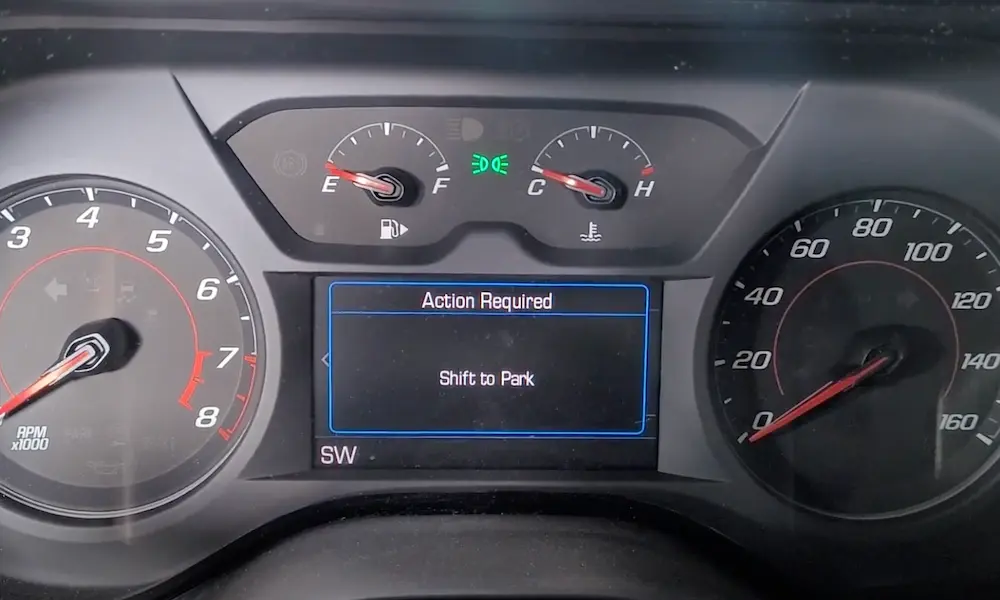
- Shift Defect: Delayed shifting, jerking, and lurching caused by air in valve bodies
Affected Vehicle Models Include:
Chevrolet Models:
- Silverado (2015-2019)
- Colorado (2017-2019)
- Corvette (2015-2019)
- Camaro (2016-2019)
Cadillac Models:
- Escalade and Escalade ESV (2015-2019)
- CTS and CTS-V (2016-2019)
- ATS and ATS-V (2016-2019)
- CT6 (2016-2018)
GMC Models:
- Sierra (2015-2019)
- Yukon, Yukon XL, and Yukon Denali XL (2015-2019)
- Canyon (2017-2019)
Your Three Main Legal Options
Despite the decertification of the major class action, you still have several ways to pursue compensation for your defective transmission.
Option 1: Join Smaller Active Class Actions
Two smaller class action lawsuits remain active, though they cover more limited geographic areas:
Ulrich v. General Motors LLC:
- Covers 10 states: California, Connecticut, Indiana, Iowa, Massachusetts, Missouri, North Dakota, Oregon, Rhode Island, and South Dakota
- Filed in April 2024 and remains active
- Case details available here
Shelton v. General Motors LLC:
- Handled by Capstone Law APC
- Covers vehicles from the firm’s initial lawsuit
- More limited in scope but still seeking relief for affected consumers
How to Join These Lawsuits
For Cohen Milstein Cases (Ulrich lawsuit):
- Call 561-333-3333 (select option 1)
- Fill out the contact form at cohenmilstein.com
- Note that intake is being handled by co-counsel Gordon & Partners
For Capstone Law Cases (Shelton lawsuit):
- Call 888-622-6117
- Email [email protected]
- Provide your name, phone number, and best time to reach you
- Visit gm8speedlawsuit.com for more information
Option 2: File an Individual Lemon Law Claim
Many consumer protection attorneys now recommend pursuing individual lemon law claims instead of joining class actions. Here’s why:
Higher Compensation: Lemon law claims can result in a full vehicle buyback, replacement vehicle, or substantial cash settlements, often worth tens of thousands of dollars compared to the hundreds typically received in class action settlements.
Faster Resolution: Individual claims typically resolve within months rather than the years required for class action litigation.
Attorney Fees Covered: Under most state lemon laws, manufacturers must pay the consumer’s attorney fees if the claim is successful.
As noted by lemon law experts, individual claims often provide significantly better compensation than class actions.
Eligibility for Lemon Law Claims
To qualify for lemon law protection, your GM vehicle must generally meet these criteria:
- Substantial Defect: The transmission problem must significantly affect the vehicle’s use, safety, or value
- Reasonable Repair Attempts: The manufacturer or dealer must have made a reasonable number of unsuccessful repair attempts
- Warranty Coverage: The defect must have occurred and been reported during the warranty period
- Time Out of Service: In many states, if your vehicle has been out of service for 30 days or more for repairs, it may qualify as a lemon
State-Specific Requirements
California: Under the Song-Beverly Consumer Warranty Act, a vehicle may qualify if it has been out of service for 30 days or more, or if there have been two or more repair attempts for safety issues or four or more attempts for non-safety issues.
Other States: Requirements vary, but generally follow similar patterns of multiple unsuccessful repair attempts or extended time out of service.
Option 3: GM Warranty and Goodwill Assistance
Before pursuing litigation, it’s worth contacting GM directly to seek warranty coverage or goodwill assistance:
GM Customer Care: Call 1-866-636-2273 (Monday-Saturday, 8 AM to 9 PM EST)
GM offers partial repair cost assistance through their policy evaluation tool, which can provide 10-90% coverage of repair costs depending on various factors. While this doesn’t guarantee full compensation, it can significantly reduce out-of-pocket expenses for necessary repairs.
What Compensation Is Available
The potential compensation varies significantly depending on which legal avenue you pursue:
Class Action Settlements
Historically, automotive class action settlements provide relatively modest compensation, typically ranging from a few hundred to a few thousand dollars per vehicle. With the major GM class action decertified, most class action options are now limited to specific states.
Lemon Law Remedies
Individual lemon law claims can provide much more substantial relief:
- Full Vehicle Buyback: Reimbursement for the full purchase price minus usage fees
- Vehicle Replacement: A comparable new vehicle
- Cash Compensation: Substantial monetary awards for repairs and diminished value
Repair Cost Reimbursement
For vehicles that don’t qualify as lemons, owners may still recover repair costs through warranty extensions or goodwill programs. GM has extended warranties to 15 years or 150,000 miles for certain transmission components in some cases.
Steps to Take Action
Immediate Steps for All Vehicle Owners
- Document Everything: Keep detailed records of all transmission problems, including repair orders, service invoices, and communications with dealerships
- Verify Your Vehicle: Confirm that your GM vehicle has an 8L90 or 8L45 transmission and was manufactured between 2015-2019
- Contact GM First: Call GM Customer Care at 1-866-636-2273 to report issues and request warranty assistance
For Class Action Participation
- Check State Eligibility: Determine if you’re in a state covered by remaining class actions
- Contact Appropriate Attorneys:
- For 10-state coverage: Cohen Milstein at 561-333-3333
- For limited coverage: Capstone Law at 888-622-6117
For Individual Lemon Law Claims
- Consult Lemon Law Attorney: Contact a consumer protection attorney specializing in lemon law cases
- Gather Required Documentation: Compile all repair records, warranty information, and correspondence
- File Formal Notice: Provide written notice to GM about the defects within required timeframes
Comparing Your Options: Class Action vs. Individual Claims
| Aspect | Class Action Lawsuits | Individual Lemon Law Claims |
|---|---|---|
| Typical Compensation | $200-$2,000 | $10,000-$50,000+ (vehicle buyback) |
| Timeline to Resolution | 2-5 years | 3-9 months |
| Attorney Fees | Deducted from settlement | Paid by manufacturer if successful |
| Required Effort | Low (register and wait) | Medium (document issues, work with attorney) |
| Geographic Restrictions | Limited to specific states | Available in all states with variations |
| Success Rate | Depends on class certification | High for qualifying vehicles |
Important Deadlines and Considerations
No Fixed Deadlines for Most Claims
Unlike some class actions, most individual lemon law claims don’t have hard deadlines, but statute of limitations periods apply. It’s important to act promptly while your vehicle is still under warranty or shortly after warranty expiration.
Warranty Periods Matter
Most lemon law protections apply only during the manufacturer’s warranty period. For GM vehicles, this is typically 3 years/36,000 miles for basic coverage and 5 years/60,000 miles for powertrain coverage.
State Law Variations
Each state has different lemon law requirements and procedures. California, for example, has some of the strongest consumer protections, while other states may have more restrictive requirements.
Taking Action Now
While the decertification of the major GM transmission class action represents a setback for consumers, you still have meaningful legal options. Individual lemon law claims often provide better compensation than class actions and can be pursued regardless of state class action availability.
The key is to act promptly, document all problems thoroughly, and consult with experienced consumer protection attorneys who can evaluate the best approach for your specific situation. Don’t wait for class action developments when individual claims might get you better results faster.
Remember, the decertified class action affected over 800,000 vehicles, showing just how widespread these transmission problems are. With the right approach, you can still get the compensation you deserve for your defective GM transmission.