Choosing oil for your Volkswagen shouldn’t feel like decoding ancient hieroglyphics. If you’re staring at bottles wondering what makes a proper VW 502 00 oil equivalent, you’re dealing with something more technical than marketing fluff. Your engine’s longevity depends on getting this right, so let’s cut through the confusion and find what actually works.
What Makes VW 502 00 Special
VW 502 00 isn’t just another oil spec—it’s a specific performance standard designed for gasoline engines. Here’s what sets it apart from the generic stuff on most shelves.
The specification demands a High Temperature High Shear (HTHS) viscosity of at least 3.5 mPa·s. This number matters more than the SAE grade on the bottle. While your buddy’s Toyota runs fine on standard 5W-30, that same oil could starve your VW’s bearings under load.
Think of HTHS as the oil’s ability to maintain a protective film when your engine’s working hard. A turbocharged VW engine generates intense heat and mechanical stress. The turbocharger spins at over 150,000 RPM, creating temperatures that can crack lesser oils into useless carbon deposits.
VW 502 00 oils use “High SAPS” chemistry—that’s Sulfated Ash, Phosphorus, and Sulfur. These additives neutralize acids, fight wear, and keep your engine clean. Modern “eco-friendly” oils reduce these additives to protect catalytic converters, but VW 502 00 prioritizes engine protection over extended drain intervals.
The ACEA A3/B4 Connection
When you’re hunting for a VW 502 00 oil equivalent, look for the ACEA A3/B4 marking on the bottle. This European standard mirrors the key requirements of VW 502 00.
ACEA A3/B4 guarantees the same high HTHS viscosity and robust additive package. It’s designed for high-performance engines that work hard—exactly what VAG turbocharged engines demand. Almost every oil carrying VW 502 00 approval also lists ACEA A3/B4 certification.
Here’s the practical takeaway: if you can’t find a bottle specifically labeled VW 502 00, an ACEA A3/B4 synthetic oil is your safest alternative. It won’t have the exact seal compatibility data from VW’s tests, but it’ll protect your engine.
Don’t confuse this with ACEA C3 oils. While C3 oils work for newer VW models, they’re “Mid SAPS” formulations with reduced additive levels. They’re designed for diesel particulate filters, not maximum gasoline engine protection.
5W-40 vs. 5W-30: Why Weight Matters
Most VW 502 00 oils come in 5W-40 weight, and there’s solid engineering behind this choice.
The “40” provides extra thickness at operating temperature compared to “30” weight oils. VW engines run hot—oil temps routinely exceed 110°C during spirited driving. That extra viscosity cushion ensures the oil stays protective even when heat tries to thin it out.
Here’s what gets confusing: VW 502 00 approves certain 5W-30 oils, but these aren’t your typical fuel-economy formulations. A VW 502 00 approved 5W-30 maintains the high HTHS requirement through specialized chemistry. It’s completely different from the thin 5W-30 in a Honda or Ford.
For high-mileage VW engines or aggressive driving, stick with 5W-40. The thicker film helps control oil consumption and provides peace of mind under sustained loads.
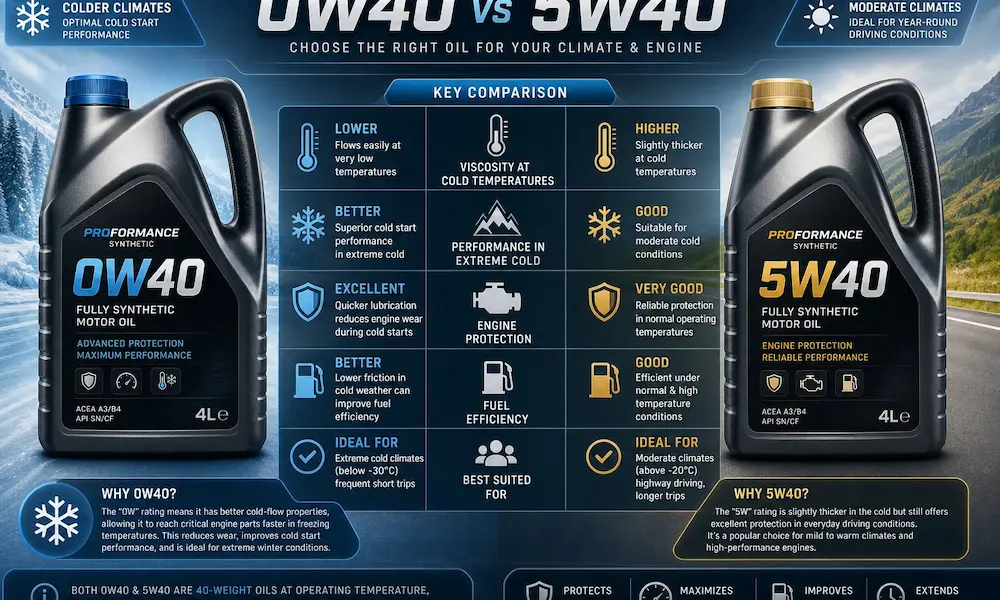
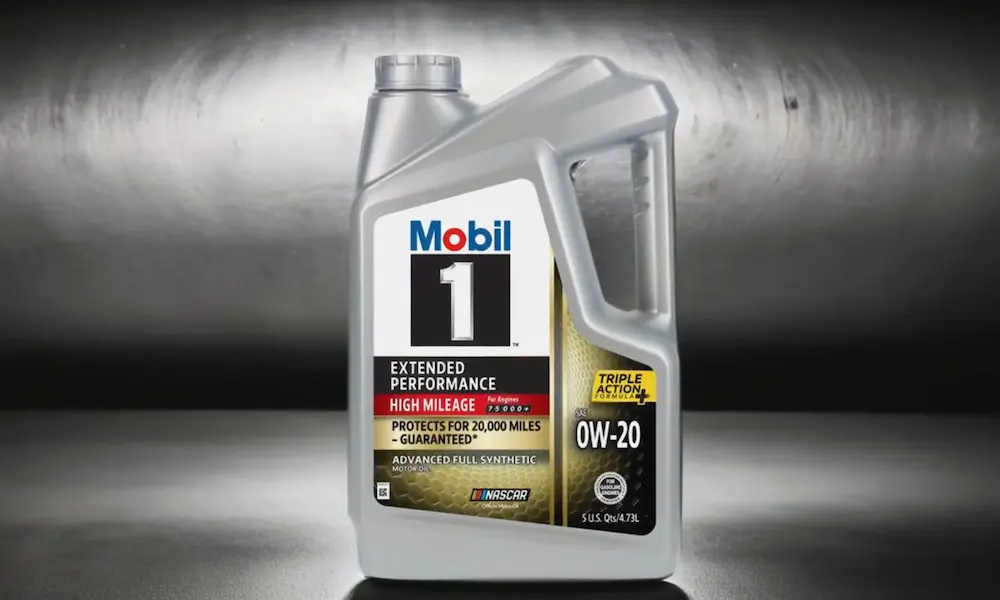
If you live where winters regularly hit -20°C or colder, consider 0W-40 instead. The “0W” rating ensures instant oil flow to your turbo bearings during cold starts. Mobil 1 FS 0W-40 is a popular choice that maintains full VW 502 00 protection with superior cold-weather performance.
VW 502 00 vs. VW 504 00: What’s the Difference
The VW 504 00 specification represents the “newer” standard, and many people assume it’s automatically better. It’s more complicated than that.
VW 504 00 is a “LongLife” oil designed for extended drain intervals up to 30,000 km. It uses Mid SAPS chemistry to protect diesel particulate filters and catalytic converters. Volkswagen confirms that 504 00 oils are backward compatible with 502 00 requirements.
So why choose 502 00? Three reasons:
Fuel quality matters. VW 504 00 oils have lower Total Base Number (TBN)—the alkaline reserve that neutralizes combustion acids. If you’re not consistently using top-tier low-sulfur gasoline, the 504 00 oil’s reserves deplete faster. The robust High SAPS formulation of VW 502 00 handles variable fuel quality better.
Viscosity options differ. VW 504 00 oils almost always come in 5W-30 weight. If you’ve got a high-mileage engine or prefer the extra protection of 5W-40, you’ll want a VW 502 00 formulation.
Older engines benefit from High SAPS. The extra zinc and phosphorus in VW 502 00 oils create a thicker protective film on cam lobes and lifters. This matters particularly for the high-pressure fuel pump cam follower that’s worn prematurely in countless 2.0 TSI engines.
The Best VW 502 00 Equivalent Oils
Let’s look at specific products that meet or exceed the VW 502 00 standard. These aren’t marketing picks—they’re oils with actual approvals and proper specifications.
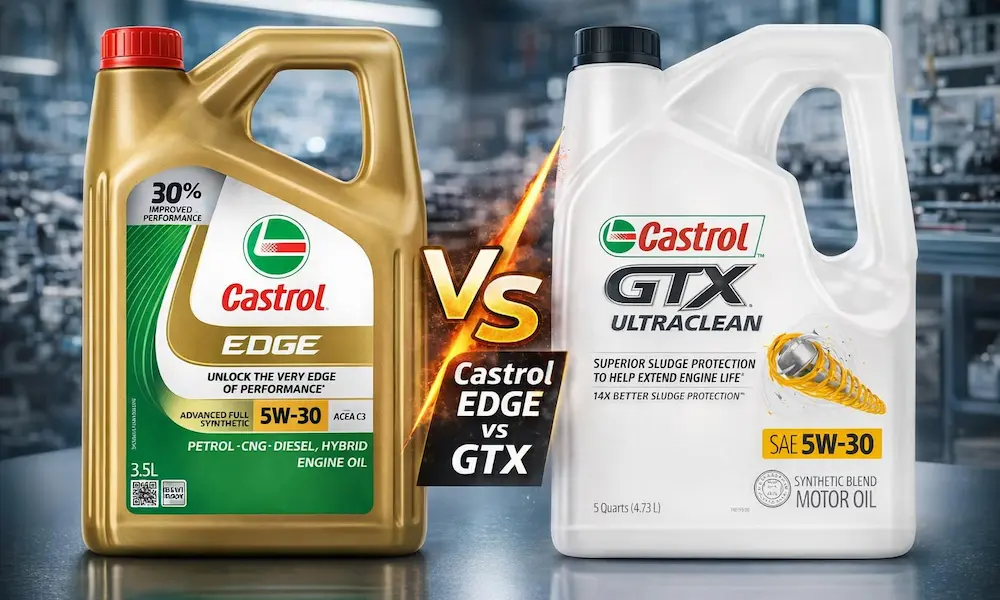
Castrol Edge 5W-40 A3/B4
Castrol Edge 5W-40 A3/B4 is the dedicated VW 502 00 product from VW’s factory-fill supplier. The “A3/B4” label distinguishes it from their “LL” (LongLife) or “C3” variants.
Castrol uses Titanium FST additive technology designed for maximum film strength under shear. It’s a safe, proven choice if you want factory-approved protection without overthinking it.
One unique option: Castrol Edge 5W-30 A3/B4. Unlike thin fuel-economy 5W-30s, this specific formulation maintains the high HTHS requirement of VW 502 00. It’s perfect if you want quicker throttle response with full protection.
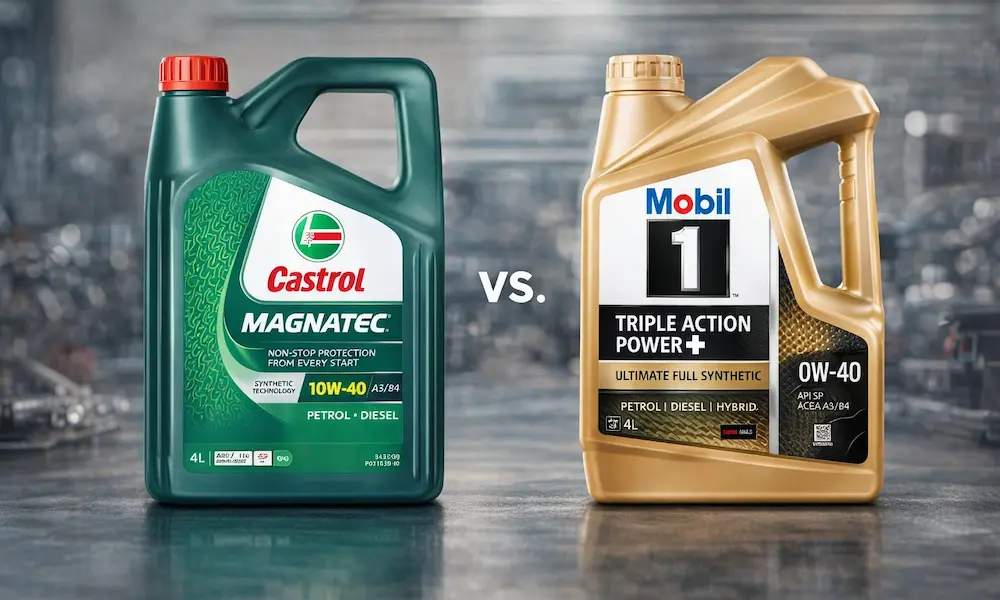
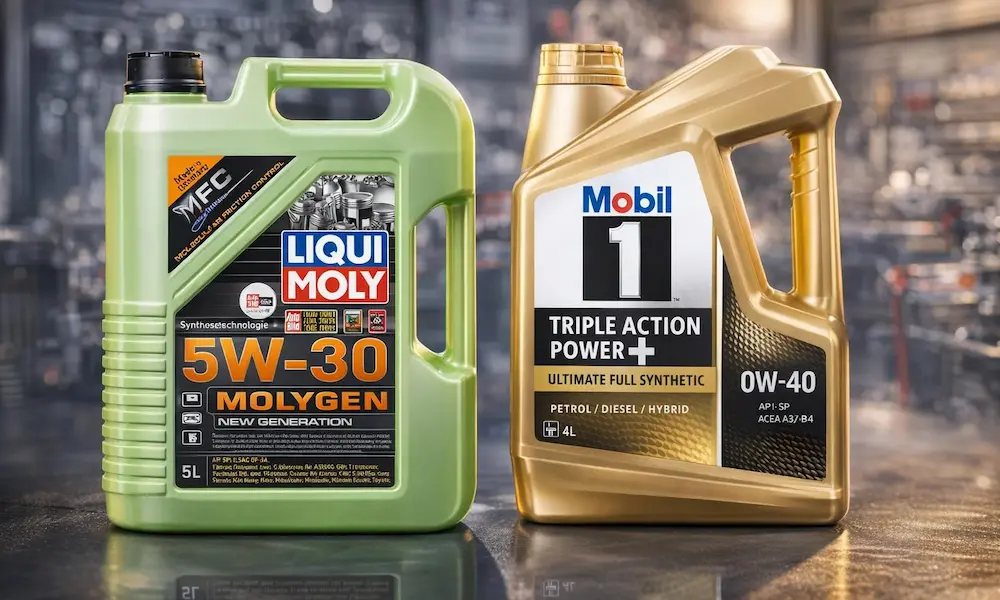
Mobil 1 FS 0W-40 European Car Formula
This is the gold standard for enthusiasts who want maximum protection across all conditions. Mobil 1 FS 0W-40 carries not just VW 502 00, but also Mercedes-Benz 229.5 and Porsche A40 approvals.
The “FS” formulation uses advanced base stocks (often gas-to-liquid technology) that resist oxidation exceptionally well. It maintains very high TBN—often exceeding 12—which provides extended protection in harsh environments or with mediocre fuel.
The 0W cold-flow rating delivers instant protection during winter starts, crucial for turbocharger bearing longevity.
Liqui Moly Leichtlauf High Tech 5W-40
German-made Liqui Moly Leichtlauf is the choice for tuned engines and enthusiasts. It’s a proper High SAPS, A3/B4 oil with VW 502 00 approval.
Liqui Moly loads this oil with zinc (ZDDP) for anti-wear protection. If you’re running a chipped or modified engine with higher cylinder pressures, the extra protection helps prevent cam and lifter wear.
Don’t confuse this with Liqui Moly Top Tec 4100. While Top Tec claims VW 502 00 compatibility, it’s primarily a Mid SAPS diesel oil (VW 505 01). For a pure gasoline application, Leichtlauf High Tech is the superior choice.
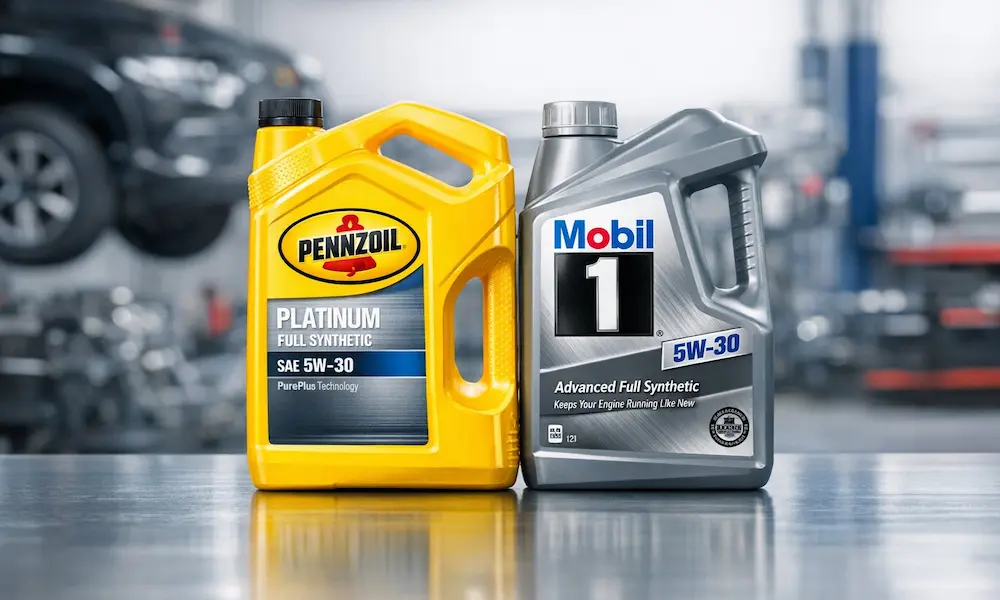
Pennzoil Platinum Euro 5W-40
Pennzoil Platinum Euro brings PurePlus gas-to-liquid (GTL) base oil technology to the VW 502 00 spec. This ultra-pure base stock offers exceptionally low volatility—meaning less oil evaporates at high temperatures.
For direct-injection TSI engines prone to carbon buildup on intake valves, reduced oil volatility means fewer deposits. The GTL base also provides excellent low-temperature flow while maintaining viscosity under heat.
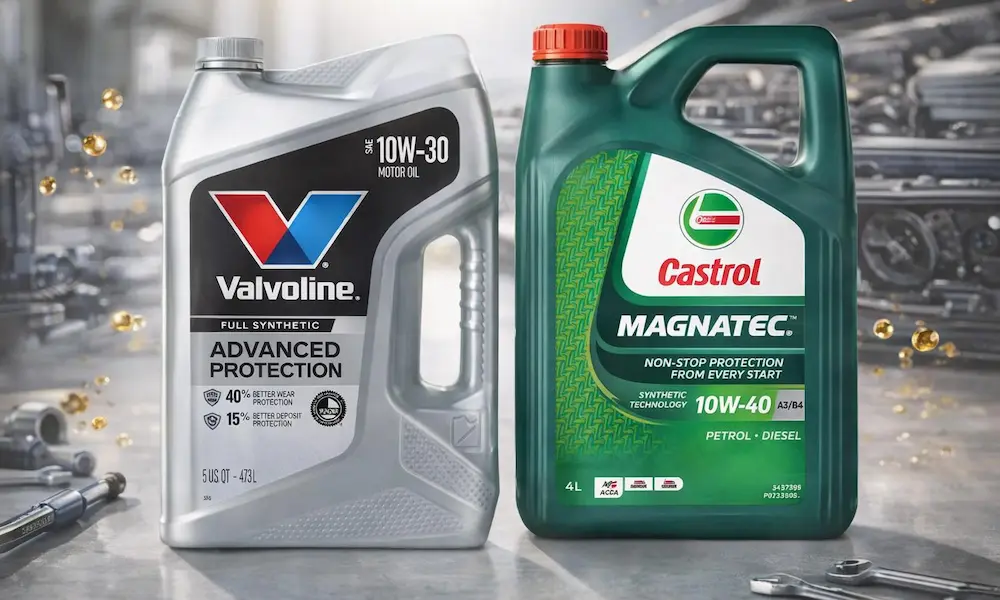
Valvoline European Vehicle Full Synthetic 5W-40
Valvoline’s European Vehicle line clearly labels this as the VW 502 00 solution. It’s specifically marketed for gasoline and diesel engines without diesel particulate filters, acknowledging the High SAPS formulation.
This is an excellent value choice for owners who want proper specification compliance without premium pricing.
Comparison Table: Top VW 502 00 Equivalents
| Oil | Viscosity | Best For | Key Approval | Special Feature |
|---|---|---|---|---|
| Castrol Edge A3/B4 | 5W-40 | Factory-spec protection | VW 502 00, MB 229.5 | Titanium FST film strength |
| Mobil 1 FS Euro | 0W-40 | Cold climates, performance | VW 502 00, Porsche A40 | Superior cold-start flow |
| Liqui Moly Leichtlauf | 5W-40 | Tuned/modified engines | VW 502 00, MB 229.5 | High ZDDP content |
| Pennzoil Platinum Euro | 5W-40 | Direct injection engines | VW 502 00 | GTL low volatility |
| Valvoline European Vehicle | 5W-40 | High-mileage protection | VW 502 00, MB 229.5 | Value pricing |
Modern Engine Concerns: LSPI and Timing Chains
Newer VW engines face problems that the original VW 502 00 specification didn’t anticipate. If you’re running a 2014+ TSI engine, you’ll want additional protection.
Low-Speed Pre-Ignition (LSPI)
Small turbocharged engines (1.4 TSI, 2.0 TSI) can experience catastrophic pre-ignition where the fuel ignites before the spark plug fires. Research identified calcium-based detergents in traditional High SAPS oils as LSPI promoters.
The solution: modern oils use magnesium-based detergents instead. The API SP standard (introduced in 2020) specifically limits calcium to suppress LSPI.
If you’ve got a newer TSI engine, choose a VW 502 00 oil that also carries API SP certification. This ensures the detergent package has been updated while maintaining the required HTHS viscosity.
Timing Chain Wear
VAG TSI engines are notorious for premature timing chain elongation. The culprit is abrasive soot particles wearing down chain pins.
API SP introduced the Sequence X test specifically measuring timing chain protection. By selecting a dual-certified VW 502 00 / API SP oil, you get chain protection that the basic VW 502 00 approval doesn’t explicitly guarantee.
Pennzoil Platinum Euro recently achieved API SP certification while maintaining VW 502 00 approval—making it an excellent choice for modern engines facing both specifications.
What About American API Standards
The disconnect between VW 502 00 and American API standards confuses many owners. Here’s what you need to know.
API SN and API SP are American standards. The “Resource Conserving” versions (typically 5W-30 and 0W-20) have low HTHS around 3.0 mPa·s—they’re designed for fuel economy, not European engine protection.
However, 40-weight oils (0W-40, 5W-40) under API SP naturally meet HTHS requirements because of their inherent viscosity. An API SP 5W-40 is likely compatible with VW 502 00, but an API SP 5W-30 definitely isn’t unless it specifically states “Euro” or “A3/B4” compliance.
Don’t assume API certification equals VW approval. Always verify the ACEA specification and actual VW approval list when possible.
Selecting the Right Viscosity for Your Climate
Your local climate influences which VW 502 00 equivalent works best.
Choose 0W-40 if:
- You regularly see temperatures below -10°C
- You want the fastest oil pressure buildup at startup
- You prioritize maximum turbocharger protection during cold starts
Choose 5W-40 if:
- You’re in a temperate or hot climate
- Your engine has over 100,000 miles
- You want the most proven viscosity grade for VW engines
- Your engine consumes oil between changes
Choose 5W-30 (VW 502 00 approved only) if:
- You want a slight fuel economy improvement
- Your engine is naturally aspirated or driven conservatively
- You’ve verified it’s a high HTHS formulation, not standard ILSAC
The 5W-40 grade remains the safe default choice. It uses fewer viscosity index improvers than 0W-40, potentially offering better shear stability over extended intervals.
Oil Change Intervals: How Often Is Enough
VW 502 00 oils are designed for “Fixed Service” intervals—meaning a standard maintenance schedule rather than extended LongLife intervals.
The official recommendation is 15,000 km (9,300 miles) or one year, whichever comes first. This conservative interval ensures the additive package doesn’t deplete before your next change.
Severe service conditions demand shorter intervals. If your driving includes:
- Frequent short trips where oil doesn’t reach operating temperature
- Heavy city traffic with constant stop-and-go
- Towing or carrying heavy loads
- Dusty or extreme temperature environments
…then reduce your interval to 8,000-10,000 km (5,000-6,000 miles). Short trips cause fuel dilution and moisture accumulation. While High SAPS oils neutralize the resulting acids, the additive package eventually depletes.
Don’t be tempted to extend intervals just because you’re using synthetic oil. The VW 502 00 specification assumes regular changes to maintain protection.
Why High SAPS Still Matters
You might wonder why VW still approves High SAPS oils when the industry has moved toward low-emission formulations. The answer lies in real-world protection priorities.
High SAPS oils carry more zinc and phosphorus—the anti-wear compounds that protect high-stress components. The cam follower on the high-pressure fuel pump (a known failure point on EA113 and early EA888 engines) desperately needs this protection.
The robust alkaline reserve (high TBN) neutralizes acids from combustion. If you’re not consistently using premium low-sulfur fuel, this alkaline buffer prevents corrosive wear.
VW 502 00 oils simply last longer under abuse. They’re designed for the real world, not laboratory ideal conditions.
The trade-off? These oils aren’t compatible with diesel particulate filters. If your car has a DPF, you must use VW 504 00 / 507 00 instead. The metallic ash from High SAPS oils will rapidly clog the filter, causing expensive failures.
Common Mistakes to Avoid
Don’t assume all 5W-30 or 5W-40 oils are equivalent. The SAE grade only tells part of the story. An ILSAC GF-6 5W-30 designed for a Toyota has completely different chemistry than a VW 502 00 5W-30.
Don’t trust “suitable for” or “meets the requirements of” claims on bottles. Look for actual approval numbers. VW maintains official lists of approved oils. If the brand isn’t listed, you’re taking a risk.
Don’t mix VW 502 00 with VW 504 00 oils unless necessary. While they’re compatible in an emergency, their different SAPS levels mean you’re diluting the protection characteristics of both.
Don’t use VW 502 00 in a diesel with a DPF. The high ash content will destroy the filter. This seems obvious, but cross-contamination happens in multi-vehicle households.
Don’t extend drain intervals beyond VW’s recommendations just because the oil “looks clean.” Additives deplete even when the oil appears pristine. Stick to the schedule.
Finding Your Perfect Match
Your ideal VW 502 00 oil equivalent depends on your specific situation. Here’s a quick decision guide:
For daily drivers in normal climates: Castrol Edge 5W-40 A3/B4 or Valvoline European Vehicle 5W-40. These offer proven protection at reasonable prices.
For cold climate operation: Mobil 1 FS 0W-40. The superior cold-flow characteristics protect your turbo during winter starts.
For high-mileage engines (100,000+ miles): Stick with 5W-40 weight from any approved brand. The thicker viscosity helps control oil consumption and compensates for worn tolerances.
For modified or tuned engines: Liqui Moly Leichtlauf High Tech 5W-40. The elevated ZDDP levels provide extra insurance against wear under increased cylinder pressures.
For 2014+ TSI engines: Pennzoil Platinum Euro 5W-40 with API SP certification. This covers both the VW 502 00 HTHS requirement and modern LSPI/timing chain protection.
The Bottom Line
A true VW 502 00 oil equivalent isn’t just about picking a fancy synthetic off the shelf. It requires high HTHS viscosity (≥3.5 mPa·s), High SAPS chemistry, and preferably ACEA A3/B4 certification.
The safest path is choosing oil explicitly approved for VW 502 00. If that’s not available, ACEA A3/B4 synthetic oil in 5W-40 weight is your next best option.
Don’t sacrifice your engine’s protection for minor cost savings or convenience. The few extra dollars per oil change are nothing compared to turbocharger replacement or timing chain repair.
Your VW’s engine was designed around specific lubrication requirements. Give it what it needs, change it when you should, and it’ll reward you with the performance and reliability German engineering promises.