Are you dealing with unexpected issues in your 2.8L Duramax diesel engine? You’re about to discover the most common problems that plague this otherwise capable powerplant. From fuel system failures to turbocharger troubles, we’ll walk through what typically breaks, why it happens, and what you can do about it. Whether you’re evaluating a purchase or trying to keep your current diesel running strong, this guide provides the practical information you need.
Understanding the 2.8 Duramax Engine
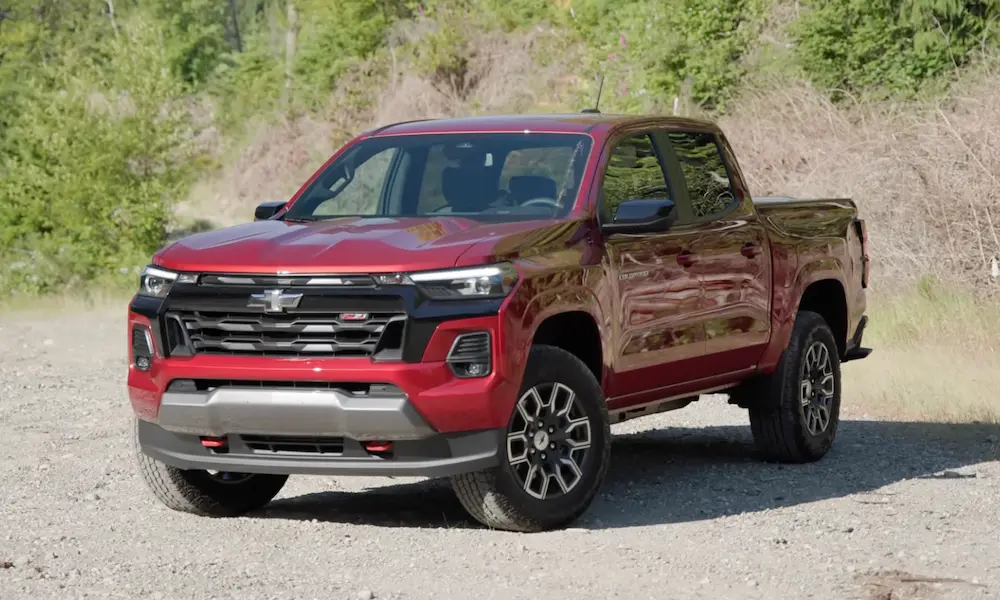
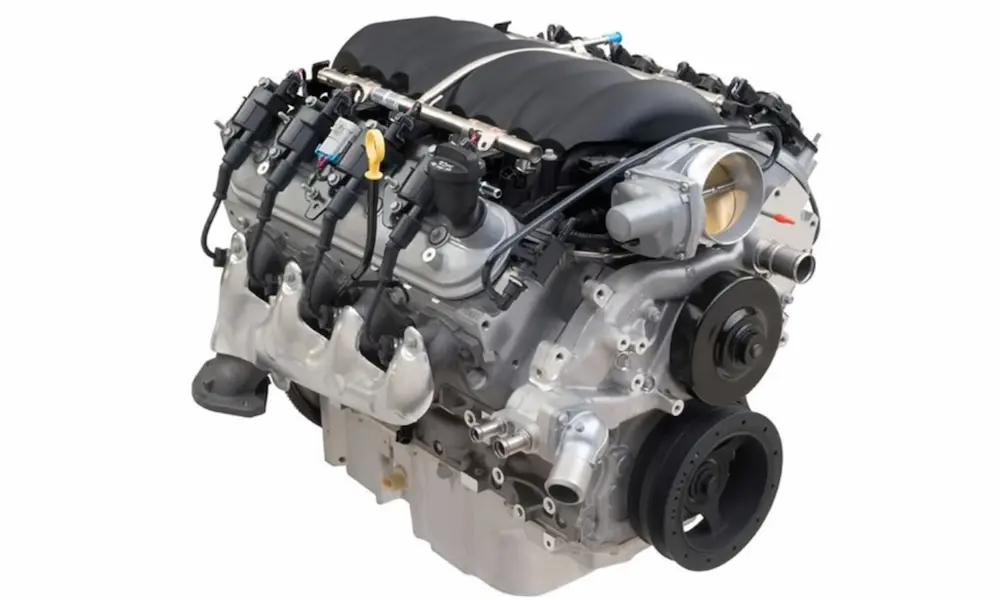
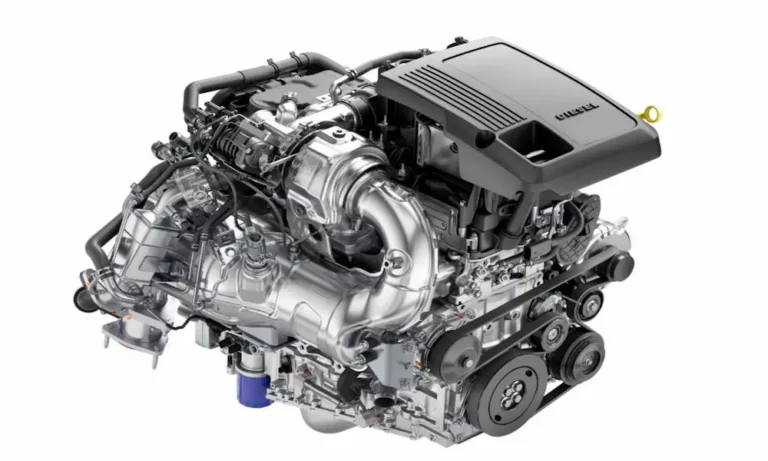
The 2.8L Duramax LWN is a four-cylinder turbocharged diesel engine produced by General Motors from 2016 to 2022. This engine was primarily found in:
- Chevrolet Colorado and GMC Canyon pickup trucks (2016-2022)
- Chevrolet Express and GMC Savana commercial vans (2017-2022)
With 181 horsepower and impressive 369 lb-ft of torque, this compact diesel offered solid performance stats:
| Specification | Value |
|---|---|
| Horsepower | 181 hp @ 3,400 RPM |
| Torque | 369 lb-ft @ 2,000 RPM |
| Towing Capacity | Up to 7,700 pounds |
| Fuel Economy | Up to 30 MPG highway |
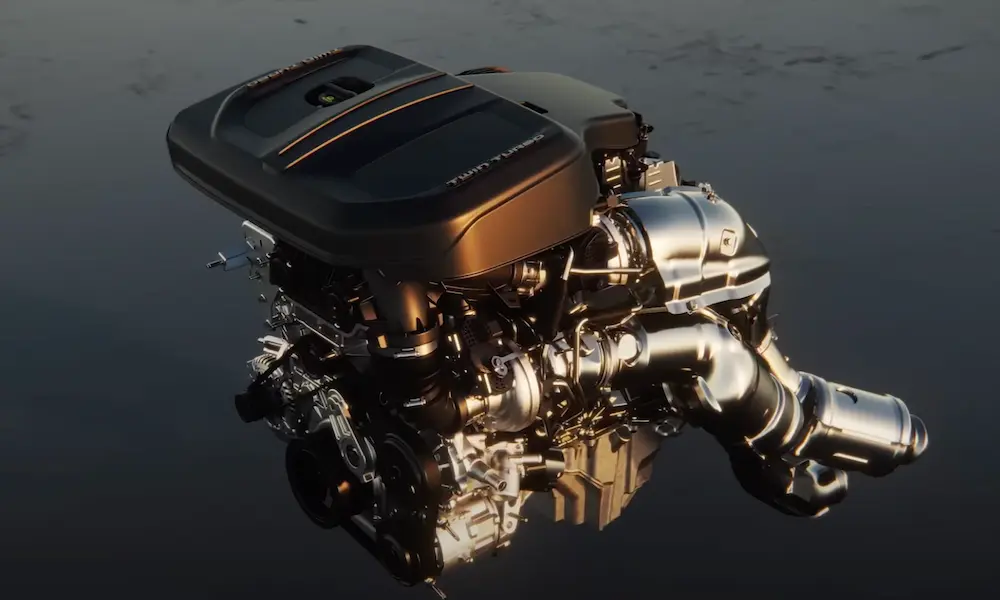
The engine’s sophisticated design includes a variable geometry turbocharger, high-pressure common rail direct injection system, and a comprehensive emissions control system featuring:
- Exhaust gas recirculation (EGR)
- Diesel particulate filter (DPF)
- Selective catalytic reduction (SCR) with diesel exhaust fluid (DEF)
- Diesel oxidation catalyst
While this complexity delivers excellent performance and emissions control, it also creates numerous potential failure points that can lead to significant reliability challenges.
Fuel System Failures
The fuel system represents one of the most common trouble spots for the 2.8 Duramax.
Premature Fuel Filter Clogging
Fuel filters frequently clog well before their scheduled replacement interval, typically showing problems between 25,000 and 50,000 miles. You’ll notice:
- “Reduced Engine Power” warnings on your dashboard
- Diagnostic trouble codes P026D and P228C
- Hesitation during acceleration
- Poor fuel economy
The factory maintenance schedule recommends filter changes every 37,500 miles for pickups and 30,000 miles for vans, but many owners have found that 15,000-mile intervals provide better reliability. Filter replacement costs typically run $50-100 for DIY or $150-200 at a dealer.
Fuel Pump Failures
The high-pressure fuel pump is another common failure point, typically occurring between 50,000 and 100,000 miles. Symptoms include:
- Hard starting, especially in cold weather
- Engine stalling or surging
- Excessive black smoke from exhaust
- Complete loss of power
Fuel pump replacement costs vary dramatically based on whether contamination has damaged other components:
- Basic pump replacement: $1,000-1,500
- Extensive system repair: $2,000-3,000+
Using quality diesel fuel and adding fuel system cleaners can help prevent these costly failures.
Turbocharger Issues
The variable geometry turbocharger on the 2.8 Duramax is particularly prone to premature failure, some occurring as early as 12,000 miles.
Early Turbo Failures
GM even acknowledged this widespread problem in a service bulletin issued in September 2017. You’ll experience:
- Unusual whistling or whining noises
- Loss of power, especially under acceleration
- Increased DPF regeneration frequency
- Poor fuel economy
- Black or blue-gray exhaust smoke
Turbocharger replacement typically costs between $1,200 and $4,000 depending on whether you use OEM or aftermarket parts. Failures are especially common in vehicles used for short trips that prevent the engine from reaching optimal operating temperature.
Oil Supply Issues
The turbocharger relies on a steady supply of clean oil for lubrication and cooling. Problems often stem from:
- Restricted oil feed lines
- Oil degradation due to extended oil change intervals
- Carbon buildup in the turbo housing
Always follow recommended oil change intervals using the specified diesel engine oil, and allow proper warm-up time before putting the engine under heavy load. These practices significantly reduce turbocharger failures.
Transmission and Drivetrain Problems
The 6L50 six-speed automatic transmission paired with the 2.8 Duramax experiences several recurring issues.
Torque Converter Failure
Torque converter problems typically appear between 50,000 and 100,000 miles, showing signs like:
- Transmission overheating warnings
- Slipping gears, especially under load
- Shuddering feeling during acceleration
- Contaminated transmission fluid (metallic appearance)
A torque converter replacement costs $1,200-1,800, while a complete transmission rebuild runs $2,000-5,000. Regular transmission fluid changes every 45,000 miles (rather than the factory 100,000-mile interval) can help prevent these failures.
Harsh Shifting Issues
Many owners report harsh shifting, particularly when towing or hauling:
- Clunking sounds during gear changes
- Hard downshifts that shake the vehicle
- Hesitation before engaging drive or reverse
- Transmission warning lights
Some of these issues can be addressed through transmission control module reprogramming, but others require mechanical intervention. Using approved transmission fluid and avoiding overloading beyond the rated capacity helps maintain transmission longevity.
Emissions System Complications
The complex emissions control systems on the 2.8 Duramax create numerous potential failure points that frequently appear between 40,000 and 100,000 miles.
DPF Clogging
The diesel particulate filter captures soot particles and periodically burns them off during regeneration cycles. Problems arise when:
- Vehicles are primarily used for short trips
- Regeneration cycles are frequently interrupted
- Low-quality fuel is used
Symptoms of DPF problems include:
- Dashboard warnings about reduced power
- Increased fuel consumption
- Frequent regeneration cycles
- Complete power limitation in severe cases
DPF cleaning costs $500-800, while replacement runs $1,000-1,500. Highway driving at sustained speeds occasionally helps trigger regeneration and prevent clogging.
EGR System Issues
The exhaust gas recirculation system reduces emissions but creates carbon buildup problems:
- Stuck or clogged EGR valves
- Carbon deposits in the intake manifold
- Reduced engine performance
- Rough idling and poor acceleration
EGR system repairs typically cost $300-800. Some owners choose to clean rather than replace components, which can provide a temporary solution.
DEF System Failures
The selective catalytic reduction system uses diesel exhaust fluid to reduce emissions but introduces complications:
- DEF quality sensor failures
- DEF pump and injector problems
- Crystallization in DEF lines during cold weather
When the DEF system has problems, the engine will often enter a limited power mode that restricts speed and performance. Repairs range from $200 for sensor replacement to $1,000+ for pump and injector work.
Keep DEF fluid fresh and use only quality fluids meeting ISO 22241 standards to prevent system problems.
Cooling System Failures
Cooling system integrity is critical for the 2.8 Duramax, with several common failure points.
Water Pump Problems
Water pump failures typically occur between 60,000 and 100,000 miles, showing:
- Engine overheating warnings
- Coolant leaks at the front of the engine
- Sweet smell from engine compartment
- Visible coolant on garage floor
Water pump replacement costs $400-700 including parts and labor. The factory coolant should be replaced every 150,000 miles, but many owners opt for more frequent 60,000-mile intervals.
Radiator and Cooling Fan Issues
Radiator problems develop gradually and include:
- Reduced cooling capacity
- Visible leakage at connections
- Engine temperature fluctuations
- Coolant loss without visible leaks
Radiator replacement costs $500-800, while cooling fan assemblies run $200-400.
High-altitude operation puts additional stress on the cooling system. If you frequently drive in mountainous regions, consider upgrading to a higher-capacity cooling system and monitor temperatures closely.
Maintenance Requirements and Costs
The 2.8 Duramax requires more intensive maintenance than comparable gasoline engines.
Recommended Maintenance Schedule
| Service Item | Interval | Approximate Cost |
|---|---|---|
| Engine oil and filter | 7,500 miles | $80-200 |
| Fuel filter | 15,000-30,000 miles | $50-200 |
| Air filter | 45,000 miles | $30-80 |
| Transmission fluid & filter | 45,000 miles (severe) | $300-500 |
| Timing belt | 150,000 miles | $800-1,200 |
| Cooling system service | 150,000 miles | $150-300 |
| DEF fluid | Refill as needed (≈1,000 miles per gallon) | $15-25 per gallon |
Annual maintenance costs typically range from $300 to $1,000 depending on driving conditions and service needs.
Maintenance Best Practices
To maximize reliability:
- Use only high-quality diesel fuel from reputable stations
- Add fuel system cleaners quarterly
- Change oil using the specified diesel engine oil (typically 5W-40 or 15W-40)
- Allow proper warm-up time before driving, especially in cold weather
- Drive at highway speeds regularly to ensure complete DPF regeneration
- Monitor DEF fluid quality and levels
- Keep detailed maintenance records
Professional maintenance at dealerships can cost significantly more than independent shops, but finding diesel specialists with proper diagnostic equipment is crucial for complex issues.
Owner Experiences and Long-Term Reliability
Owner experiences with the 2.8 Duramax vary significantly based on maintenance practices and driving conditions.
Positive Owner Experiences
Many owners report:
- Excellent fuel economy (25-30 MPG highway)
- Strong towing capability that outperforms gasoline alternatives
- Smooth, quiet operation for a diesel
- Reliable performance when properly maintained
Some owners have accumulated over 120,000 miles without major issues by following strict maintenance practices and addressing minor problems promptly.
Common Owner Complaints
Recurring complaints focus on:
- Excessive maintenance costs compared to gasoline engines
- DEF system problems, especially in cold weather
- Transmission harshness when towing
- Dealer service costs and parts availability
- Complexity that makes DIY maintenance difficult
Cold weather operation presents particular challenges for the 2.8 Duramax, with DEF freezing, difficult starting, and increased emissions system problems reported in temperatures below freezing.
Long-Term Potential
With proper maintenance, the 2.8 Duramax can potentially reach 300,000+ miles. However, achieving this longevity requires:
- Strict adherence to maintenance schedules
- Prompt attention to warning signs and minor issues
- Understanding that repair costs will be higher than gasoline alternatives
- Addressing known weaknesses preventively rather than reactively
The engine’s aluminum and forged steel construction provides good durability when maintained properly, but the complexity of emissions systems increases the likelihood of expensive repairs.
Prevention Strategies
Taking a proactive approach can significantly reduce 2.8 Duramax problems.
Fuel Quality Management
- Use fuel from high-volume stations with regular deliveries
- Add fuel system cleaners at each fill-up in winter and quarterly in summer
- Consider a lift pump or additional filtration for vehicles in areas with questionable fuel quality
- Drain water separators more frequently than the recommended schedule
Driving Habits That Improve Reliability
- Allow proper engine warm-up before driving (1-2 minutes in moderate weather, 3-5 minutes in cold)
- Drive at highway speeds for at least 20 minutes weekly to ensure complete DPF regeneration
- Avoid excessive idling, which contributes to carbon buildup
- Stay within towing and payload capacity limits
- Address warning lights immediately rather than continuing operation
Preventive Upgrades
Consider these modifications for improved reliability:
- Upgraded cooling system for towing applications
- Additional filtration for both fuel and air systems
- Oil catch can to reduce intake carbon buildup
- Transmission cooler for vehicles used for towing
While these modifications add cost, they often prove less expensive than major repairs and can significantly extend component life.
Year-Specific Issues
Not all model years of the 2.8 Duramax experience the same problems.
2016-2017 Models
Early production years (2016-2017) showed several teething problems:
- More frequent turbocharger failures
- Fuel system contamination issues
- Transmission control module programming problems
- Early DPF clogging
Many of these issues were addressed through service bulletins and recalls, but used buyers should verify this work has been completed.
2018-2019 Models
Mid-production engines showed improvements:
- Reduced turbocharger failure rates
- Updated transmission programming
- Improved DEF system components
- Better overall reliability
These model years generally represent the best balance of refinement and reliability in the 2.8 Duramax lineup.
2020-2022 Models
The final production years featured:
- Further refinements to emissions systems
- Updated turbocharger components
- Improved cold-weather operation
- Minor power increases in some applications
However, as production ended in 2022, parts availability concerns have begun to emerge for newer models.