Looking to squeeze more power from your 3.0 Duramax diesel? Whether you’re towing heavy loads or just want more response when you hit the accelerator, the right performance upgrades can transform your driving experience. Let’s dive into the most effective ways to boost your Duramax’s performance without sacrificing reliability.
Understanding Your 3.0 Duramax Engine
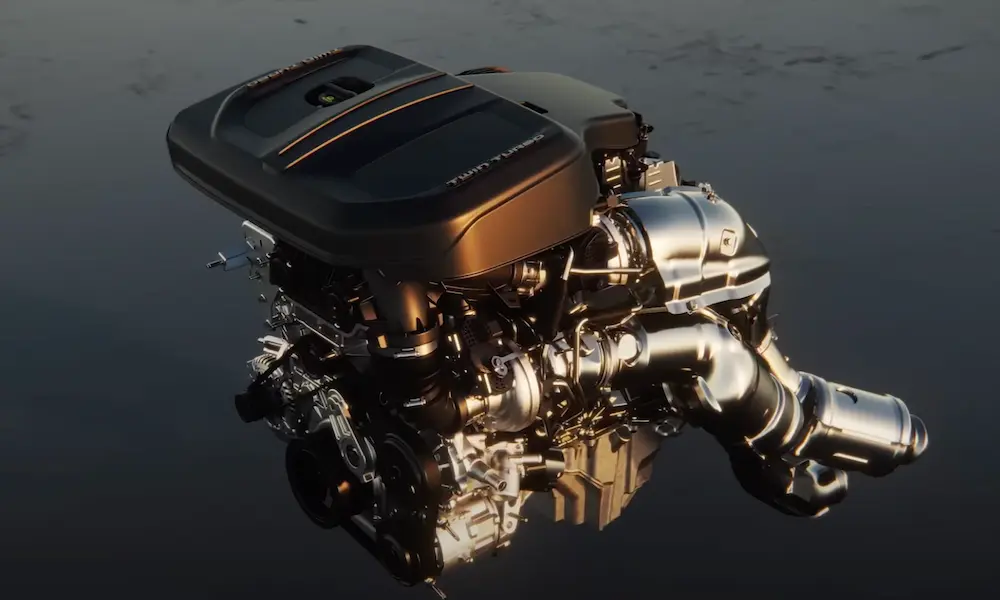
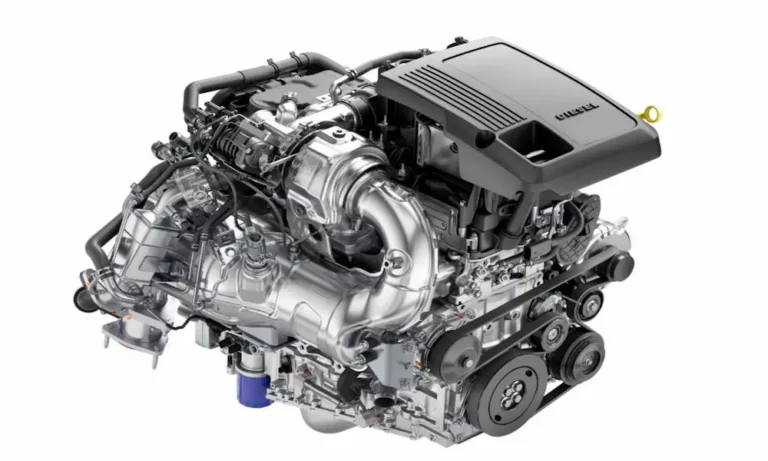
The 3.0L Duramax (LM2 and LZ0 variants) is an engineering masterpiece—a straight-six diesel that delivers impressive torque while maintaining respectable fuel economy. But like any factory engine, it’s designed with conservative parameters.
The LM2 was introduced in 2020 for the Silverado 1500 and Sierra 1500, while the LZ0 arrived in 2022 with some key improvements. Both engines use a Garrett variable-geometry turbocharger and Bosch CP4.2 injection pump capable of 29,000 PSI fuel pressure.
What makes this engine special? Its inline-six design gives you smoother operation than V6 configurations, with better balance and reduced vibration. This creates a solid foundation for performance enhancements.
ECU Tuning: The Best Bang-for-Buck Upgrade
Nothing unlocks hidden power like ECU tuning. Since the ECM was cracked for the LM2 in 2023, tuning options have exploded.
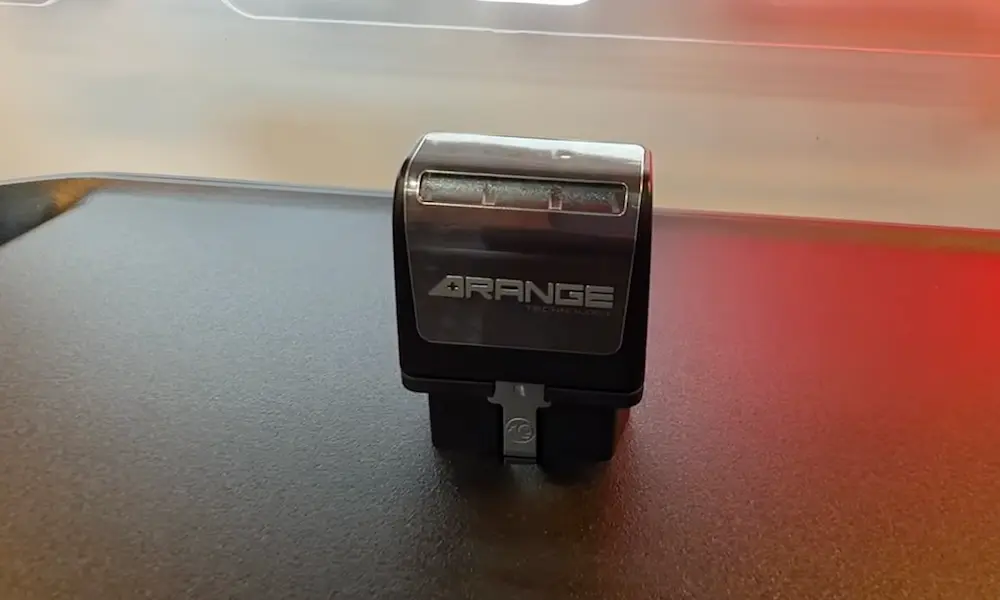
Plug-and-Play Tuning Modules
For beginners, plug-and-play modules offer hassle-free installation:
- Edge EZX Module: Delivers +47 HP and +91 lb-ft torque by adjusting sensor signals while maintaining emissions compliance. The smartphone integration lets you tweak settings on the fly with minimal technical knowledge.
- Edge Pulsar LT: Another popular option that maintains 49-state compliance through its sensor-based approach rather than actually reflashing your ECU.
Custom ECU Reflashing
For maximum gains, custom ECU tuning is the way to go:
- Professional ECM/TCU Reflashes: Companies like Duramaxtuner create custom maps that increase rail pressure by 12% and optimize timing for gains of +40 HP and +100 lb-ft in “Street” mode.
- Transmission Tuning: Don’t forget about TCM recalibration—it reduces torque converter slip by 22% during acceleration for better power delivery to the wheels.
The best part? Most tuning solutions preserve DPF functionality, keeping you emissions-compliant while enjoying substantial power improvements.
Breathing Easier: Air Intake Upgrades
Your engine is essentially an air pump—the more air it can process, the more power it can make. Factory intakes often prioritize noise reduction over airflow.
Cold Air Intake Systems
The S&B Filters cold air intake stands out with its 360° radial filter design and insulated airbox, increasing airflow by 9%. When paired with tuning, dyno testing shows this contributes to 8-12 HP gains, especially above 3,000 RPM.
Benefits of a quality cold air intake include:
- Increased airflow volume
- Cooler air temperatures (denser air = more power)
- Better throttle response
- That sweet turbo whistle you’ve been missing
Installation typically takes under an hour with basic hand tools. It’s a great starter mod that pairs perfectly with tuning.
Intercooler Upgrades: Managing Heat Under Load
The factory air-to-water intercooler works fine for stock power levels, but quickly becomes a limiting factor during sustained load:
Aftermarket Intercooler Benefits
The PPE air-to-water intercooler kit replaces the factory unit with a 2.4x larger core, providing:
- 30°F reduction in charge air temperatures
- 150°F lower exhaust gas temperatures during sustained boost
- Ability to safely run 1.2 PSI additional boost before hitting thermal limits
This upgrade is particularly valuable if you tow or live in hot climates. The cooler intake temperatures not only make more power but also improve engine longevity.
Exhaust System Enhancements
The stock exhaust system prioritizes quiet operation and emissions compliance over flow, creating a restriction that limits power.
DPF-Back Exhaust Systems
For those wanting to maintain emissions equipment, a DPF-back exhaust system offers the perfect compromise:
- PPE’s 4″ stainless steel system reduces backpressure by 17%
- This translates to 2.1 PSI lower boost requirements for equivalent airflow
- Users report 1.4 MPG improvements in highway driving due to reduced pumping losses
The deeper exhaust note is an added bonus—aggressive without being obnoxiously loud.
Turbocharger Upgrades: Breaking Through Power Ceilings
The stock turbo becomes a bottleneck when pushing beyond +50 HP over factory power levels.
Upgraded Turbocharger Options
The VSE Stage 2R turbocharger represents significant advancement:
- 47mm compressor wheel (versus factory 42.5mm)
- 6-gram reduction in rotational mass for quicker spool
- Extended efficient range by 800 RPM
- Allows +80-90 HP over stock before fuel system limitations occur
The Cerakote-coated turbine housings reduce underhood temperatures by 200°F—a significant benefit for overall engine health.
Fuel System Reliability Upgrades
The factory CP4.2 injection pump has a mixed reputation in diesel applications. While it’s been relatively reliable in the 3.0 Duramax, preventative measures are smart.
Lift Pump Installation
The FASS Titanium Signature Series lift pump provides:
- 100 GPH flow rate, eliminating the CP4.2’s suction-fed operation
- 40% reduction in injection pump wear based on teardown analyses
- 2-micron filtration capturing 98% of particulates larger than 5µm
- Significantly extended injector service life
This upgrade is essential for modified engines, where higher rail pressures increase the strain on the fuel system.
EGR System Modifications
The exhaust gas recirculation system recycles exhaust back into the intake. While beneficial for emissions, it creates performance compromises.
EGR Modifications and Considerations
GWN Diesel’s EGR modification kit:
- Removes 11.7 lbs of restrictive components
- Maintains coolant loop integrity through silicone hose rerouting
- Shows 200°F EGT reductions during regeneration cycles
- Decreases intake valve deposit accumulation rates by 31% in real-world testing
Important note: EGR modifications may affect emissions compliance. Be aware of local regulations and potential legal implications.
Performance Packages: Staged Approaches
Rather than tackling individual upgrades, many owners opt for comprehensive packages that ensure compatibility.
Stage 1, 2, and 3 Packages
Stage 1 (Entry Level)
- ECU tuning
- Cold air intake
- DPF-back exhaust
- Expected gains: +45-60 HP and +90-110 lb-ft
Stage 2 (Intermediate)
- All Stage 1 mods
- Upgraded intercooler
- Lift pump
- Expected gains: +70-85 HP and +130-160 lb-ft
Stage 3 (Advanced)
- All Stage 2 mods
- VSE turbo upgrade
- EGR modification (where legal)
- Expected gains: +120-150 HP and +200-250 lb-ft
Comparing Cost-to-Performance Ratio
| Modification | Average Cost | HP Gain | Torque Gain | MPG Improvement | Value Rating |
|---|---|---|---|---|---|
| ECU Tuning | $600 | +40 | +90 lb-ft | +1.2 | ★★★★★ |
| Cold Air Intake | $350 | +8 | +15 lb-ft | +0.4 | ★★★★☆ |
| Exhaust System | $1,200 | +12 | +25 lb-ft | +1.4 | ★★★☆☆ |
| Intercooler | $1,800 | +15 | +30 lb-ft | +0.6 | ★★★☆☆ |
| Turbo Upgrade | $2,800 | +85 | +140 lb-ft | +0.8 | ★★★★☆ |
Maintenance Considerations for Modified Engines
Pushing more power requires extra attention to maintenance:
- Reduce oil change intervals to 5,000 miles (from factory 7,500)
- Monitor DPF ash loading annually using differential pressure measurements
- Clean air-to-water intercooler cores twice yearly using reverse-flush techniques
- Use high-quality diesel fuel additives to protect the fuel system
With proper maintenance, modified 3.0 Duramax engines have proven reliable even with significant power increases.
The LM2 vs. LZ0 Difference
If you’re choosing between models or already own one, understanding the differences matters:
The LZ0 (2022+) features:
- Revised injector nozzles with 12% higher flow capacity
- Upgraded connecting rod bearings rated for 18,500 PSI (vs. LM2’s 16,000 PSI)
- Enhanced ECM logic allowing 2° greater timing advance
These changes allow the LZ0 to safely handle 5-7% higher cylinder pressures, making it more responsive to aggressive tuning. However, the LZ0’s revised EGR valve mounting requires specific modification kits not compatible with LM2 applications.
Real-World Performance Results
Dyno monitoring of Stage 3 builds shows impressive gains while maintaining reliability:
- Peak cylinder pressures reach 2,150 PSI (vs. 1,850 PSI stock)
- Piston ringland temperatures stay below 480°F (critical threshold: 520°F)
- Main bearing clearance increases of only 0.0003″ after 15,000 miles—well within OEM tolerance
These results demonstrate that with properly engineered upgrades, significant power gains can be achieved without compromising durability.
Future-Proofing Your 3.0 Duramax Investment
As the aftermarket continues to develop for these engines, new technologies emerge:
- Variable-vane turbo controller overrides
- Water/methanol injection systems
- Advanced fuel system cooling solutions
For most users, the sweet spot remains the Stage 2 configuration (tuning + intake + exhaust + intercooler), delivering +75-90 HP with minimal reliability compromises while maintaining daily drivability.
Choosing the Right Path for Your Needs
The key to successful 3.0 Duramax upgrades is matching modifications to your driving demands:
Daily Driver with Occasional Towing
- Focus on ECU tuning and intake improvements
- Consider an intercooler upgrade if towing in hot weather
Heavy Towing Application
- Prioritize intercooler, lift pump, and transmission tuning
- Consider turbo upgrades only after addressing cooling
Performance Enthusiast
- Staged approach beginning with ECU and air flow
- Progress to larger turbo and supporting mods as budget allows
Remember that each modification should complement the others. A massive turbo without supporting fuel system upgrades will create bottlenecks, while an aggressive tune without cooling enhancements risks reliability.
By taking a systematic approach to 3.0 Duramax performance upgrades, you can unlock substantial power gains while maintaining the reliability that makes these engines exceptional daily drivers.