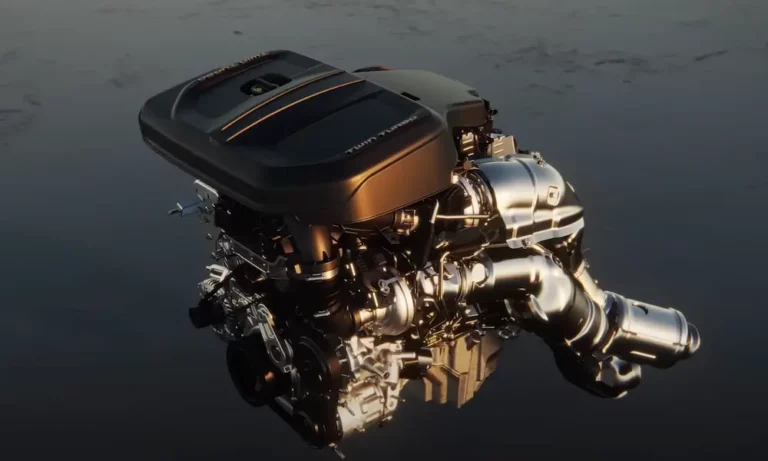
Looking for power without sacrificing efficiency? The 3.0 Hurricane engine might be exactly what you’ve been searching for. This twin-turbocharged inline-six from Stellantis is changing the game for truck and SUV enthusiasts. Let’s dive into what makes this engine special and why it might be your next favorite powerplant.
What Is the 3.0 Hurricane Engine?
The 3.0 Hurricane is Stellantis’ answer to modern demands for both power and efficiency. It’s a twin-turbocharged 3.0-liter inline-six engine designed to replace the traditional HEMI V8 engines while delivering better performance and fuel economy.
The engine features a clean-sheet design with a displacement of 2,993cc (183 cubic inches) and bore × stroke measurements of 84.0 × 90.0mm (3.31 × 3.54 inches). It’s built on a deep-skirt cast-aluminum block with cross-bolted steel main bearing caps for exceptional durability and rigidity.
What sets this engine apart is its use of Plasma Transfer Wire Arc (PTWA) coating on the cylinder walls. This creates an ultra-thin, low-friction surface that reduces wear and improves efficiency over the life of the engine.
Hurricane Standard Output vs. High Output Variants
The 3.0 Hurricane comes in two distinct flavors to suit different needs:
| Feature | Standard Output (SO) | High Output (HO) |
|---|---|---|
| Horsepower | 400+ hp | 500+ hp (up to 540 hp) |
| Torque | 450+ lb-ft | 475+ lb-ft (up to 521 lb-ft) |
| Max RPM | 5,800 rpm | 6,100 rpm |
| Peak Boost | 22.4 PSI | 26.0 PSI |
| Compression Ratio | 10.4:1 | 9.5:1 |
| Fuel Requirement | 91 octane recommended | 91 octane required |
The Standard Output version prioritizes fuel economy while still delivering impressive power, making it ideal for everyday driving and towing. The High Output variant is built for performance enthusiasts who want maximum power without stepping up to a larger, thirstier V8.
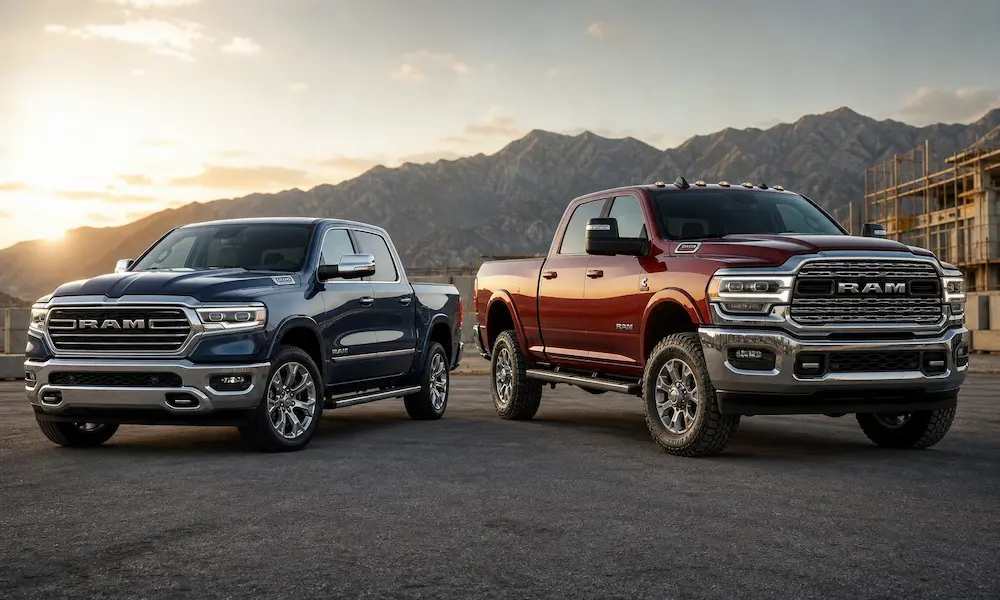
In the 2025 Ram 1500 RHO application, the High Output Hurricane delivers spectacular performance metrics: 0-60 MPH in just 4.6 seconds, a quarter-mile time of 13.1 seconds, and a top speed of 118 MPH.
Advanced Twin-Turbo Technology
The Hurricane’s impressive power comes from its sophisticated twin-turbocharger setup. Unlike single-turbo engines that can suffer from lag, the Hurricane uses two low-inertia, high-flow turbos—each feeding three cylinders.
This setup provides several advantages:
- Quicker throttle response
- Enhanced low-end torque
- More consistent power delivery throughout the RPM range
- Better overall efficiency
The High Output variant can handle up to 5,800 pounds of pressure per square inch, with stainless steel-braided high-pressure hoses that resist corrosion and abrasion. This robust design ensures reliability even under demanding conditions.
Sophisticated Fuel System
Both Hurricane variants use direct fuel injection with centrally located injectors for optimal combustion efficiency. However, there are key differences:
The High Output variant employs dual high-pressure fuel pumps that deliver fuel at up to 5,075 psi (350 bar) to a single fuel rail. This high-pressure delivery system ensures proper atomization of fuel at all engine speeds, contributing to the engine’s impressive power output.
The Standard Output version uses a single high-pressure pump providing the same 5,075 psi pressure, which is sufficient for its performance targets while keeping costs and complexity down.
For fuel requirements, the HO variant demands premium 91 octane fuel to achieve its maximum performance, while for the SO variant, premium fuel is recommended but not required.
Advanced Cooling System
To handle the heat generated by twin turbochargers, the Hurricane employs a sophisticated dual-circuit cooling system:
- A high-temperature circuit with:
- Belt-driven water pump
- Low-restriction ball-valve thermostat
- Electrically driven after-run pump for the turbochargers
- A low-temperature circuit for the charge air cooler with:
- Electrically driven pump
- Water-to-air charge cooler with dedicated cooling
This complex cooling arrangement maintains optimal temperatures throughout the engine, with 16.6 quarts capacity in the high-temp circuit and 2.85 quarts in the low-temp circuit.
Advanced Valvetrain and Lubrication
The Hurricane features a 24-valve dual overhead camshaft (DOHC) design with dual independent valve timing. The valvetrain includes sodium-filled exhaust valves that better dissipate heat, roller finger followers for reduced friction, and hydraulic lash adjusters that eliminate the need for periodic valve adjustments.
The lubrication system is equally sophisticated:
- Chain-driven pump assembly with continuously variable displacement
- Six pressure-activated piston cooling jets
- Oil-to-coolant heat exchanger
- Oil level sensor for monitoring
The engine holds 7.5 quarts (7.1 liters) of oil with a filter change. The factory fill for the HO variant is Pennzoil Ultra Platinum 0W-40 (API SP), while the SO variant uses Pennzoil Ultra Platinum 0W-20 GF6+ (API SP).
Hurricane vs. HEMI V8: The Performance Comparison
How does the Hurricane stack up against the HEMI V8 engines it’s replacing? Quite favorably, as it turns out:
| Engine | Displacement | Horsepower | Torque | Relative Fuel Economy |
|---|---|---|---|---|
| 5.7L HEMI V8 | 5.7-liters | 410 hp | 395 lb-ft | Baseline |
| 3.0 Hurricane SO | 3.0-liters | 400+ hp | 450+ lb-ft | Better |
| 3.0 Hurricane HO | 3.0-liters | Up to 540 hp | Up to 521 lb-ft | Better |
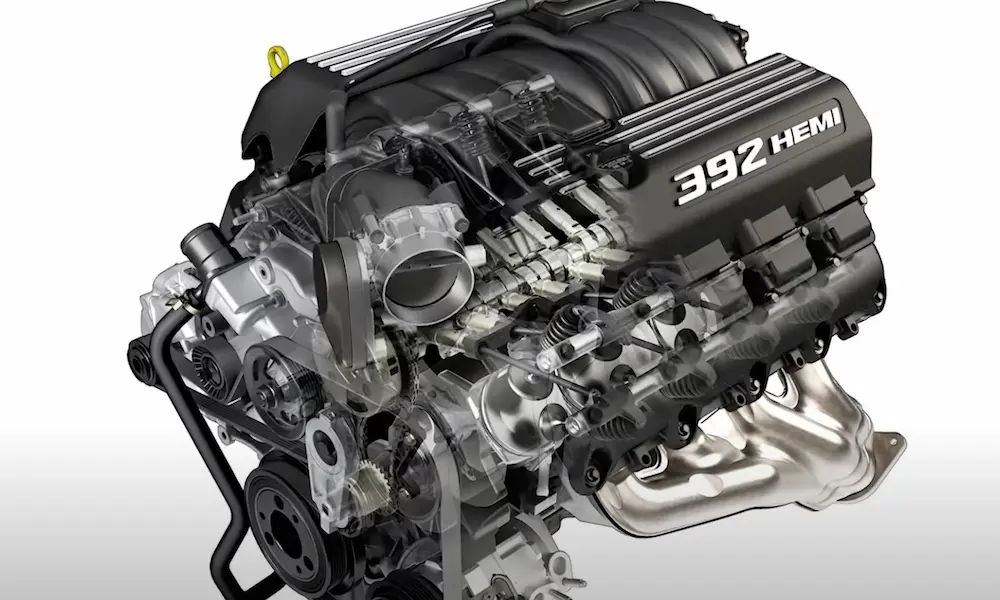
Even the Standard Output Hurricane produces more torque than the larger 5.7-liter HEMI V8, while the High Output variant significantly outperforms it across the board. This impressive achievement demonstrates how far engine technology has advanced.
Industry experts have taken notice too. The 3.0-liter Hurricane High Output engine earned a spot on the 2024 Wards 10 Best Engines & Propulsion Systems list, marking eight consecutive years that a Stellantis powertrain has received this award.
Applications and Availability
The 3.0 Hurricane engine is being rolled out across Stellantis’ North American lineup, with current and upcoming applications including:
- 2025 Ram 1500 (both SO and HO variants)
- 2025 Ram 1500 Tungsten (HO variant with 540 hp)
- 2025 Ram 1500 RHO (HO variant)
- Jeep Grand Wagoneer
- Wagoneer
The engine’s compact design makes it suitable for a variety of vehicle platforms, and we’re likely to see it appear in more Stellantis products in the coming years.
Environmental and Efficiency Considerations
Beyond raw performance, the Hurricane engine represents Stellantis’ commitment to improving efficiency and reducing emissions. By replacing larger V8 engines with a more efficient inline-six design, the company aims to reduce its carbon footprint while still delivering the power customers expect.
The inline-six configuration naturally balances primary and secondary forces, resulting in a smoother-running engine that requires less vibration damping. This inherent smoothness contributes to both driving refinement and longevity.
Build Quality and Durability
The Hurricane’s construction speaks to its intended durability:
- Forged and twisted steel crankshaft for strength
- Forged steel connecting rods to handle high boost pressures
- Structural die-cast aluminum alloy oil pan that adds rigidity
- Aluminum alloy head with pent-roof combustion chambers for efficient combustion
For the High Output variant used in the Ram 1500 RHO, the high-flow air induction system includes a specialized hood duct that filters dirt, debris, and water. The system uses a high-capacity radial air filter in an open-top air box designed for easy access during off-road activities.
Breaking Down the Hurricane’s Engineering Excellence
The Hurricane engine’s success comes from several key engineering decisions:
- Inline-six layout provides natural balance and smoothness
- Twin-turbo design delivers immediate response and broad power band
- Direct injection optimizes fuel delivery and combustion efficiency
- Advanced materials reduce weight while maintaining strength
- Dual cooling circuits manage heat effectively
- Plasma-coated cylinders reduce friction and improve longevity
These elements work together to create an engine that outperforms larger V8s while consuming less fuel. It’s a testament to modern engineering that such performance can be achieved from just 3.0 liters of displacement.
The Future of the Hurricane Platform
The Hurricane engine represents a significant investment for Stellantis, and it’s likely to serve as a foundation for future powertrain development. Potential evolutions could include:
- Hybridization to further improve efficiency and performance
- More applications across the Stellantis brand portfolio
- Higher-performance variants for specialized applications
- Continued refinement of the core technology
As emissions regulations continue to tighten globally, engines like the Hurricane—which deliver more power from less displacement—will become increasingly important to manufacturers.
Who Should Consider a Vehicle with the Hurricane Engine?
The 3.0 Hurricane engine is ideal for:
- Truck and SUV buyers who want V8-like power with better fuel economy
- Performance enthusiasts who appreciate modern turbo technology
- Drivers who tow or haul and need substantial torque
- Those who want cutting-edge engine technology with proven reliability
With its combination of power, efficiency, and sophistication, the Hurricane engine makes a compelling case for buyers considering their next vehicle purchase.
The 3.0 Hurricane engine represents a significant step forward in internal combustion engine design. By combining the inherent balance of an inline-six with modern twin-turbo technology, Stellantis has created a powertrain that delivers impressive performance while addressing the efficiency demands of today’s market. Whether you choose the Standard Output variant for everyday driving or the High Output version for maximum performance, the Hurricane engine offers a compelling balance of power and efficiency that’s hard to beat.