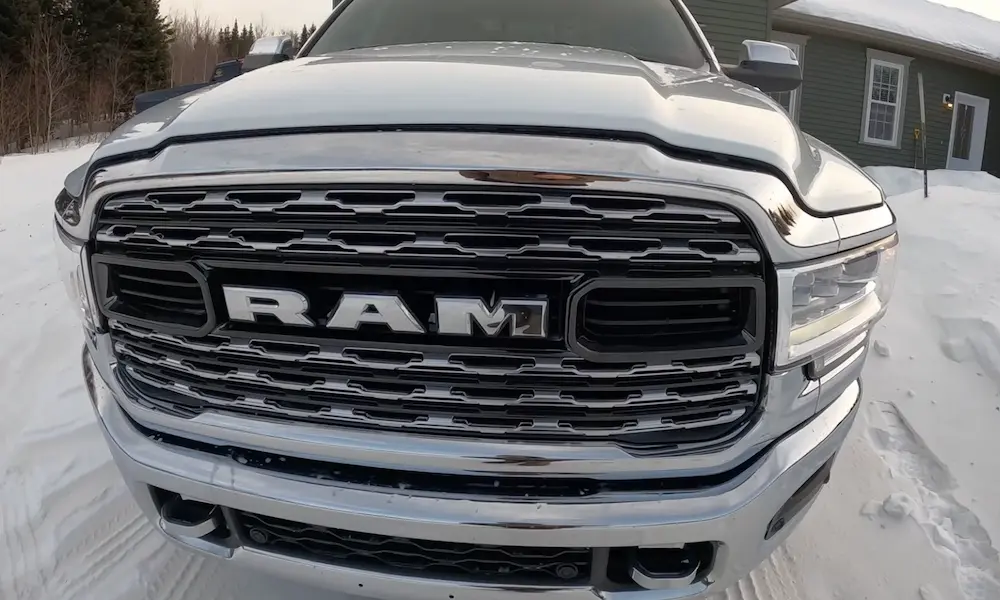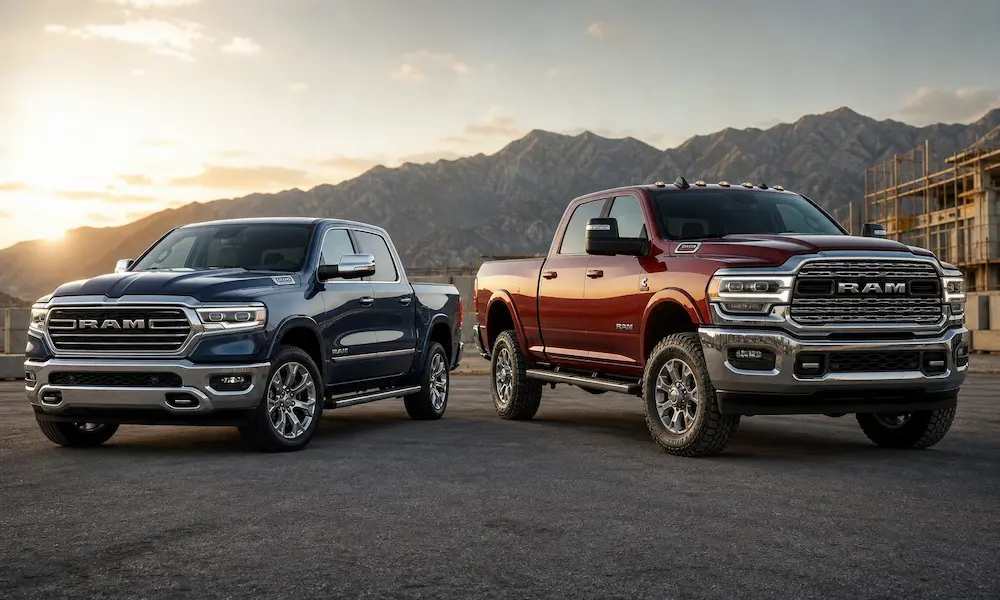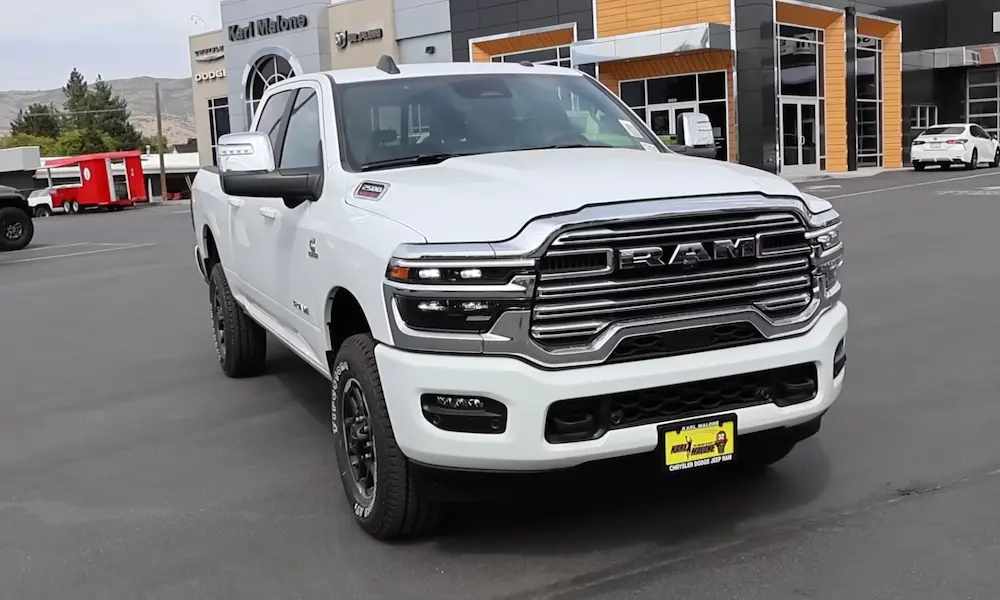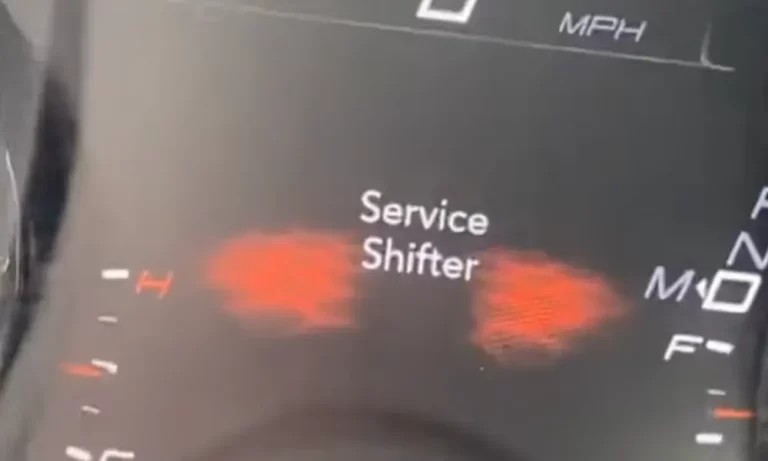
Have you ever been driving your Ram 1500 when suddenly a “Service Shifter” warning pops up on your dash? You’re not alone. This common issue affects thousands of Ram trucks, particularly models from 2013-2018. While it might seem alarming, understanding what this warning means—and how to fix it—can save you time, money, and stress.
What Does “Service Shifter” Actually Mean?
The “Service Shifter” warning is your Ram’s way of telling you something’s wrong with its electronic shifting system. Unlike old-school mechanical shifters, modern Ram trucks use a sophisticated electronic system—often that distinctive rotary dial shifter introduced in 2013 models.
When this warning appears, it indicates that the communication between your shifter and transmission control module has hit a snag. The severity can range from a minor electrical hiccup to a serious problem that affects how your truck drives.
What’s happening behind the scenes is complex: sensors, actuators, and multiple control modules all need to work in harmony for proper gear selection. When any part of this system malfunctions, your dash lights up with the dreaded message.
Common Causes of Ram 1500 Service Shifter Warnings
Moisture and Electrical Connection Problems
The most frequent culprit? Water where it shouldn’t be. The main connector under the driver’s side rail is particularly susceptible to moisture intrusion. When water gets in, electrical connections become unreliable, confusing your truck’s computer systems.
Many Ram owners have fixed this issue with a simple procedure: pulling apart the connector, drying it thoroughly, cleaning the terminals, and applying dielectric grease before reconnecting everything.
Corrosion and loose connections can also trigger the warning. These electrical gremlins are especially common in humid areas or if your truck frequently gets wet from rain, snow, or off-road adventures.
Battery-Related Triggers
Interestingly, many owners report that the service shifter warning appears right after a battery change or disconnect. One 2017 Ram owner noted that the warning popped up the day after installing a new battery, despite the truck running perfectly fine otherwise.
This suggests that voltage fluctuations during battery service can sometimes confuse the communication between your truck’s various control modules. The good news is that these temporary glitches often resolve themselves or can be cleared with a system reset.
Physical Shifter Assembly Failures
Sometimes the problem is with the shifter itself. The rotary dial shifter contains circuit boards, sensors, and mechanical components that wear out over time. When these parts start failing, they send inconsistent signals that trigger the warning.
In more severe cases, the shifter might stop working entirely. Some owners report that their shifter lights no longer illuminate—a clear sign that the shifter assembly needs attention.
Physical damage can also cause problems. Whether it’s from normal wear and tear or more dramatic incidents (like attempted theft), damage to the shifter interface directly impacts functionality and can trigger warnings.
When Should You Worry? Severity Indicators
Not all service shifter warnings are created equal. Here’s how to gauge the seriousness of your situation:
Warning Light Only (Minor Concern)
If the warning appears but your truck shifts normally and all other functions work properly, you likely have a minor electrical issue or temporary glitch. While you shouldn’t ignore it, this scenario isn’t an immediate emergency.
Many Ram owners report that the warning appears intermittently—showing up for a while, then disappearing on its own. This pattern typically indicates a loose connection or minor sensor issue rather than a catastrophic failure.
Multiple Warning Lights (Moderate Concern)
When the service shifter warning appears alongside other lights—like check engine warnings or electronic stability control indicators—the issue might be more severe. This suggests problems with multiple systems or a central electrical issue affecting various components.
Pay close attention to when these warnings appear. Do they come on after driving through deep puddles? After battery service? These patterns provide valuable diagnostic clues.
Operational Problems (Serious Concern)
If your truck displays any of these behaviors, seek immediate attention:
- Unexpectedly shifting to park while driving
- Refusing to shift out of certain gears
- Starting problems along with the shifter warning
- Erratic shifting behavior
One owner described their truck abruptly stopping and returning to park while driving—a dangerous situation that represents the most serious manifestation of shifter problems.
DIY Fixes for Service Shifter Issues
Before heading to the dealership, try these owner-proven solutions:
1. Clean and Protect the Main Connector
This simple fix has worked for many Ram owners:
- Locate the main connector under the driver’s side rail
- Carefully disconnect it (document the connection first if you’re unsure)
- Inspect for moisture, dirt, or corrosion
- Clean thoroughly and allow to dry completely
- Apply dielectric grease to all terminals
- Reconnect firmly
This maintenance procedure often resolves the issue without requiring expensive parts or professional labor.
2. Battery Reset Procedure
Sometimes a full system reset is all your Ram needs:
- Disconnect the negative battery terminal
- Wait 15-30 minutes (this allows all capacitors to discharge)
- Reconnect the battery
- Start the truck and check if the warning persists
While not a permanent solution for hardware problems, this reset often clears temporary software glitches that trigger the warning.
3. Shifter Cable Bushing Replacement (Non-Rotary Shifters)
For Ram trucks with traditional floor-mounted shifters, the shifter cable bushing is a known failure point. Aftermarket repair kits make this an easy DIY fix:
- Purchase a shifter cable bushing repair kit
- Follow the included instructions (typically a 10-minute job)
- Test shifting after installation
These aftermarket bushings often outlast the factory originals, providing a long-term solution.
When to Seek Professional Help
While DIY fixes work for many shifter issues, some scenarios require professional intervention:
Complex Diagnostic Scenarios
If your truck shows these symptoms, professional diagnostics are warranted:
- Multiple warning lights appearing simultaneously
- Erratic shifting behavior
- Warning persists after multiple DIY fix attempts
- Shifter physically malfunctioning (won’t turn, lights don’t work)
Professional technicians have specialized equipment to analyze communication networks and identify intermittent electrical issues that wouldn’t be apparent in simple visual inspections.
Common Professional Repairs
When dealerships or repair shops tackle service shifter issues, they typically perform:
- Comprehensive diagnostic scans to identify specific transmission-related trouble codes
- Electrical system testing to verify proper communication between modules
- Shifter assembly replacement when internal components have failed
- Control module updates to address known software bugs
- Transmission control module service when communication issues originate there
Dealership Experience: What to Expect
Many Ram owners report mixed experiences with dealership repairs for service shifter issues:
The Good
Dealers have access to:
- Factory diagnostic equipment
- Original replacement parts
- Technical service bulletins about known issues
- Software updates that might resolve electrical glitches
The Not-So-Good
Common frustrations include:
- High diagnostic fees (often $100-150 just to connect to the computer)
- Difficulty reproducing intermittent problems during service visits
- Recommendations for expensive component replacements
- Temporary fixes that don’t address root causes
One frustrated owner reported visiting the dealership three times for the same issue, with the problem returning even after shifter and ignition switch replacement.
Cost Expectations: What You Might Pay
Understanding potential repair costs helps you prepare for service shifter issues:
| Repair Approach | Typical Cost Range | Notes |
|---|---|---|
| DIY Connector Cleaning | $0-15 | Cost of dielectric grease |
| DIY System Reset | $0 | No parts needed |
| Shifter Cable Bushing Kit | $20-40 | For non-rotary shifters |
| Professional Diagnosis | $100-150 | Basic computer scan |
| Shifter Assembly Replacement | $300-800 | Parts and labor combined |
| Comprehensive Electrical Repair | $400-1,200 | For complex wiring issues |
Costs vary significantly based on your location, specific truck model, and whether you’re using dealer or independent shop services.
Preventative Measures: Avoiding Future Problems
While some shifter issues stem from design limitations, these maintenance practices can reduce your risk:
Regular Electrical Maintenance
- Inspect and clean connectors annually or after extensive water exposure
- Apply dielectric grease to electrical connections, especially in vulnerable areas
- Check for loose connections during routine maintenance
- Keep battery terminals clean and connections tight
Careful Battery Service
When replacing or disconnecting your battery:
- Use a memory saver device when possible
- Follow proper reconnection procedures
- Allow the truck to sit with the key in the “on” position (engine off) for 30 seconds before starting after battery service
Software Updates
Ask your dealer about:
- Available transmission control module updates
- Electronic shifter software improvements
- Known service bulletins addressing shifter issues
Long-Term Ownership Considerations
If you plan to keep your Ram 1500 for the long haul:
Extended Warranty Value
The electronic complexity of modern shifter systems makes extended coverage worth considering. One owner specifically noted how valuable their extended warranty was when facing serious shifter problems.
Model Year Differences
Service shifter problems are most common in 2013-2018 Ram trucks. Later production years show fewer reported issues, likely due to design improvements or updated components. If buying used, this is worth considering.
Community Resources
Ram truck forums and owner communities provide invaluable troubleshooting help and model-specific advice. Before spending big money on repairs, check what other owners with identical problems have discovered.
Is the Problem Worth Fixing?
When faced with service shifter issues, consider:
Safety Implications
Any problem affecting shifting control directly impacts safety. If your truck unexpectedly shifts gears or becomes stuck in certain positions, addressing the issue immediately is non-negotiable.
Resale Impact
Unresolved warning lights significantly decrease resale value and complicate private sales. Most buyers are justifiably wary of electronic issues.
Cost-Benefit Analysis
For older, high-mileage trucks, compare repair costs against the vehicle’s value. Sometimes warranty coverage or aftermarket protection plans make the decision easier.
The Bottom Line on Ram Service Shifter Warnings
The service shifter warning represents a diverse set of potential issues—from simple fixes to complex electrical problems. Understanding the warning’s context helps you make informed decisions about repairs.
Start with the simplest solutions: check connectors for moisture, ensure proper battery connections, and consider a system reset. These steps often resolve the issue without expensive repairs.
When professional help is needed, arrive prepared with information about your specific symptoms, when the warnings appear, and any patterns you’ve noticed. This helps technicians target their diagnosis effectively.
Remember: while frustrating, most service shifter issues have proven solutions. With the right approach, you can get back to enjoying your Ram 1500 without that annoying warning light.