
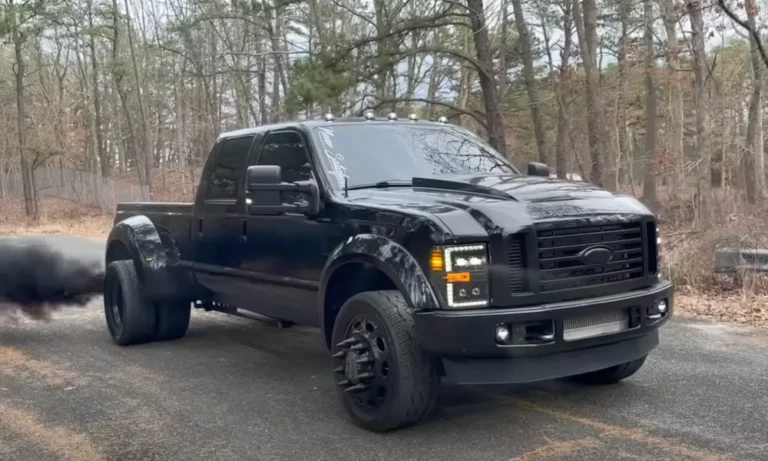
Got a Ford 6.0L Powerstroke that’s marking its territory with oil spots? You’re facing one of the most notorious issues with these engines. These powerhouses, manufactured from 2003-2007, have gained a reputation for leaking oil from multiple locations. The culprit? Typically, it’s those heat cycles causing rubber gaskets and seals to harden and fail over time. Let’s dive into where these leaks happen, why they occur, and how to fix them without emptying your wallet.
High-Pressure Oil System Leaks: The Usual Suspects
Oil Pressure Switch/Sensor
The oil pressure switch sits atop the oil cooler housing and loves to fail. When it does, oil infiltrates the connector and creates a mess. You’ll notice your oil pressure gauge going haywire – dropping at idle and magically recovering when you rev the engine.
Fixing this won’t break the bank – the sensor itself runs about $20-30. But don’t forget to replace the pigtail connector too, since it’s likely soaked with oil.
ICP (Injection Control Pressure) Sensor
This small but mighty sensor is another common leak source. On 2003-2004 models, you’ll find it nestled in the valley, while 2005-2007 models have it mounted on the valve cover.
When your ICP sensor leaks, you’ll face rough idle, hard starting, and potentially complete power loss. At $100-150 for the sensor, it’s not cheap, but ignoring it will cost you more in the long run. The contaminated connectors need replacement too.
High-Pressure Oil Rails and Ball Tubes
Your 6.0 Powerstroke’s high-pressure oil rail system works under extreme conditions – we’re talking pressures exceeding 3,500 PSI. With that kind of stress, even tiny imperfections spell trouble.
The ball tube seals connecting injectors to oil rails frequently fail. When they do, oil seeps onto your injectors. A complete ball tube seal kit costs $100-200, plus you’ll need specialized tools for proper installation.
Don’t forget about dummy plugs and stand pipes in the oil rails. Early engines with square-drive dummy plugs are especially prone to leaking. While newer designs improved reliability, you’ll likely need to replace these during any high-pressure oil system service.
External Engine Oil Leaks: The Visible Problems
Oil Pan Gasket
If you’ve got oil collecting under your truck, suspect the oil pan first. Unlike many engines, the 6.0L uses RTV sealant instead of a traditional gasket – and this sealant fails under vibration and heat.
The bad news? Fixing oil pan leaks is labor-intensive. You’re often looking at engine removal or cab lifting due to clearance issues. A complete oil pan reseal typically runs $1,500-3,000 depending on labor rates and what else needs fixing.
Bedplate Gaskets
Bedplate seal failures often masquerade as oil pan or rear main seal leaks. The bedplate secures the crankshaft to the block using spaghetti-style seals that can fail, sending oil down the back of your engine.
This is one of the most expensive fixes – proper bedplate seal replacement requires complete engine removal and disassembly. Budget $3,000-5,000 for this repair.
Turbocharger Oil Lines
Both turbo supply and drain lines love to leak on the 6.0 Powerstroke. The drain tube, sitting beneath the turbocharger, frequently rusts out or experiences O-ring failure.
Supply line leaks are even more serious as they can starve your turbocharger of lubrication – a quick path to expensive turbo failure. Replacement drain tubes cost $50-100, while supply line repairs typically run $200-400 for parts and labor.
Oil Cooler System Failures: The Hidden Culprits
Oil Cooler Housing
The oil cooler isn’t just a leak point – it’s a critical failure component that can trigger a cascade of problems. Factory oil coolers gradually plug with casting sand and debris, reducing coolant flow and sending oil temperatures soaring.
When oil temps exceed 240°F, you’re risking serious engine damage. Oil cooler replacement costs $500-1,500, with aftermarket upgrades often providing better reliability than factory parts.
Front Cover and Crankshaft Seals
Front cover gaskets and crankshaft seals commonly leak, leaving oil dripping from the front of your engine. These repairs require special care to avoid damaging the bedplate gasket during disassembly.
Front cover repairs typically cost $800-1,500 due to the extensive disassembly required. Many shops recommend addressing multiple leak points simultaneously to save on labor costs.
Diagnostic Procedures: Finding the Source
Visual Inspection Methods
Before throwing parts at the problem, you need proper diagnosis. Start by thoroughly cleaning the engine bay and systematically inspecting from top to bottom.
Oil can travel surprisingly far before dripping, making source identification challenging. Using UV dye and blacklight helps pinpoint actual leak sources when multiple leaks are present. Take your time – rushing this step leads to wasted money.
High-Pressure Oil System Testing
Air pressure testing is the gold standard for diagnosing high-pressure oil leaks. This involves removing the ICP sensor, installing test fittings, and pressurizing the system with shop air while commanding the IPR valve closed.
You can then detect leaks using a stethoscope or listening tube. This diagnostic procedure saves hours of frustration and prevents unnecessary parts replacement.
Base Oil Pressure Verification
Before diving into high-pressure system diagnosis, verify your base oil pressure. Simply observing the oil pressure gauge during cranking can confirm adequate low-pressure oil supply to the high-pressure pump.
Without sufficient base pressure, your high-pressure system can’t function properly – and replacing high-pressure components won’t solve your problem.
Repair Costs and Procedures: The Financial Reality
Individual Leak Repairs
Single leak repairs vary significantly in cost:
| Leak Source | Typical Repair Cost |
|---|---|
| Oil pressure switch | $50-150 |
| ICP sensor | $150-300 |
| Turbo drain tube | $100-300 |
| Ball tube seals | $200-500 |
| Oil cooler gasket | $300-800 |
Complete Engine Reseal
For engines with multiple leak sources, a complete resealing often makes financial sense. Professional shops typically charge $1,600-1,800 for gaskets and seals alone, with labor adding another $3,000-5,000.
While total reseal costs range from $5,000-8,000, this eliminates all leak sources simultaneously and prevents the cycle of fixing one leak only to have another appear weeks later.
Prevention and Maintenance: Staying Ahead
Regular Monitoring
Oil temperature monitoring is crucial for preventing cascading failures. When the difference between oil and coolant temperatures exceeds 15°F, it’s an early warning of oil cooler plugging.
Regular oil level checks help identify developing leaks before they become severe. Don’t wait until you see spots on your driveway – by then, the leak is already substantial.
Quality Parts Selection
The choice between OEM Ford parts and aftermarket alternatives significantly impacts longevity. Doorman oil coolers, for example, have documented reliability issues with O-ring degradation.
Motorcraft components cost more but generally provide superior durability. For critical components like oil coolers and high-pressure oil system parts, spending extra for quality pays dividends.
Preventive Replacements
When performing major repairs, replace related seals preventively to save future labor costs. During oil cooler service, for example, simultaneously replacing turbo lines, oil pressure switches, and high-pressure oil components prevents repeat failures down the road.
This proactive approach might increase your immediate repair bill but saves thousands in the long run by preventing multiple teardowns.
| Maintenance Item | Recommended Interval |
|---|---|
| Oil/filter change | Every 5,000 miles |
| Oil cooler inspection | Every 30,000 miles |
| High-pressure oil system check | Every 50,000 miles |
| Turbo drain inspection | Every oil change |
The Ultimate Fix: Bulletproofing Your 6.0
For those tired of chasing oil leaks, “bulletproofing” offers a comprehensive solution. This involves upgrading key components with more robust alternatives designed to withstand the stresses that cause factory parts to fail.
A complete bulletproofing package typically includes:
- Upgraded oil cooler
- EGR delete or upgraded cooler
- Head studs
- Premium head gaskets
- Complete oil system reseal
While bulletproofing costs $7,000-10,000, it transforms a problematic 6.0 Powerstroke into a reliable powerplant capable of hundreds of thousands of trouble-free miles.
Making Smart Repair Decisions
Your approach to 6.0 Powerstroke oil leaks should depend on your long-term plans for the vehicle:
For trucks you plan to keep long-term, comprehensive solutions like complete reseals or bulletproofing make financial sense.
If you’re working with a limited budget, prioritize leaks that affect engine operation (like high-pressure oil system components) over purely cosmetic leaks.
For high-mileage engines with multiple leak points, weigh the cost of ongoing individual repairs against the one-time expense of a complete reseal or engine replacement.
Remember that oil leaks rarely improve with time – addressing them promptly prevents collateral damage to other components and keeps your 6.0 Powerstroke running strong for years to come.













