That dashboard warning light just popped on—”Service AdvanceTrac.” Your heart skips a beat, and you’re wondering if you’re about to drop serious cash at the dealership. Don’t panic just yet. This guide walks you through what’s actually wrong, how much it’ll really cost, and whether you can fix it yourself.
What’s AdvanceTrac Anyway?
AdvanceTrac is Ford’s fancy name for electronic stability control. Think of it as your car’s guardian angel—it’s constantly watching how your wheels spin, where you’re steering, and whether you’re actually going where you intended.
The system uses a bunch of sensors scattered around your Fusion. Wheel speed sensors at each corner track rotation speeds. A steering angle sensor monitors where you’re pointing the wheel. A yaw sensor detects if you’re sliding sideways. When these sensors disagree with each other—like when you’re spinning on ice—AdvanceTrac steps in by pumping individual brakes and cutting engine power.
Pretty clever, right? Until it breaks.
When you see that warning message, it means something in this sensor network isn’t talking properly. Your car won’t handle differently on normal roads, but you’ve lost your safety net for slippery conditions.
The Usual Suspects: What Actually Goes Wrong
Wheel Speed Sensors Take the Crown
Here’s the deal—about 40% of AdvanceTrac warnings trace back to wheel speed sensors. These little magnetic sensors sit inside each wheel hub, and they’re exposed to everything the road throws at them.
Brake dust accumulates. Metal shavings stick to them. Road salt corrodes the wiring. After 100,000 miles, they’re pretty beat up.
The symptoms start subtle. Maybe your AdvanceTrac kicks in randomly on dry pavement. Then the warning light flickers occasionally. Eventually, it stays on permanently.
Check the sensor connections first. Pop off a wheel and look for green crusty buildup on the wiring plugs. That’s corrosion, and it’s probably your problem. Clean it off with electrical contact cleaner and see if the warning clears.
If cleaning doesn’t work, you’re looking at replacement. Parts run $50-80 per sensor. Labor adds another $100-200 if you’re not doing it yourself. Way cheaper than what you feared, right?
| Sensor Location | DIY Difficulty | Part Cost | Shop Labor |
|---|---|---|---|
| Front wheels | Easy | $50-80 | $100-150 |
| Rear wheels | Moderate | $50-80 | $150-200 |
Your Battery Might Be the Real Culprit
This one surprises people. A dying battery causes 25% of AdvanceTrac warnings. Ford Fusions are weirdly sensitive to voltage drops.
When battery voltage sags below 12 volts, the AdvanceTrac system freaks out. It needs stable power to process all those sensor signals. Low voltage creates communication errors between modules, triggering false warnings.
Most Ford batteries last 8-10 years. If your Fusion’s pushing that age and throwing AdvanceTrac codes, test the battery before spending money elsewhere.
AutoZone and O’Reilly’s test batteries free. Takes five minutes. If it’s weak, replace it. A new battery costs $150-250 and often fixes the problem completely.
Don’t forget the terminals. Battery cable corrosion is super common around year 10. Those white and green deposits create electrical resistance. Clean them with a wire brush and baking soda solution.
The ABS Pump Motor Dies (The Expensive One)
Now we’re getting into real money territory. The ABS hydraulic control unit includes a pump motor that pressurizes brake fluid. When it fails, you’ll see diagnostic code C1095.
This repair isn’t cheap—$800 to $2,000 depending on whether you replace just the motor or the entire unit. The pump sits integrated with control valves and electronics, making it complex.
Symptoms include grinding noises from under the hood, pulsing brake pedal at low speeds, and complete AdvanceTrac system shutdown. You can’t ignore this one because it affects your regular brakes too.
Some independent shops replace just the motor assembly instead of the whole unit. Saves money and avoids dealer programming. Ask around for a mechanic experienced with Ford ABS systems.
Clock Spring and Steering Sensor Problems
Here’s something weird—your steering wheel can cause AdvanceTrac warnings. The clock spring is a coiled wire ribbon inside your steering column that maintains electrical connection while the wheel spins.
When clock springs wear out, they interrupt signals from the steering angle sensor. Your car doesn’t know which direction you’re steering, so AdvanceTrac shuts down.
You’ll notice other symptoms first: turn signals won’t cancel automatically, cruise control buttons stop working, or airbag lights appear. Eventually the steering wheel controls go dead entirely.
Ford redesigned steering racks in certain model years because clock springs kept failing. If you’ve got an older Fusion, this might be your issue.
Replacement parts cost $150-300. Installation takes 2-3 hours because you’re working around the airbag. Most people let shops handle this one for safety reasons.
Reading the Secret Codes
Your Fusion stores diagnostic trouble codes (DTCs) that pinpoint exact failures. Getting these codes read is step one.
Basic OBD-II scanners from Amazon ($30-50) pull generic codes. They’ll tell you something’s wrong but won’t give Ford-specific details. Better than nothing, but limited.
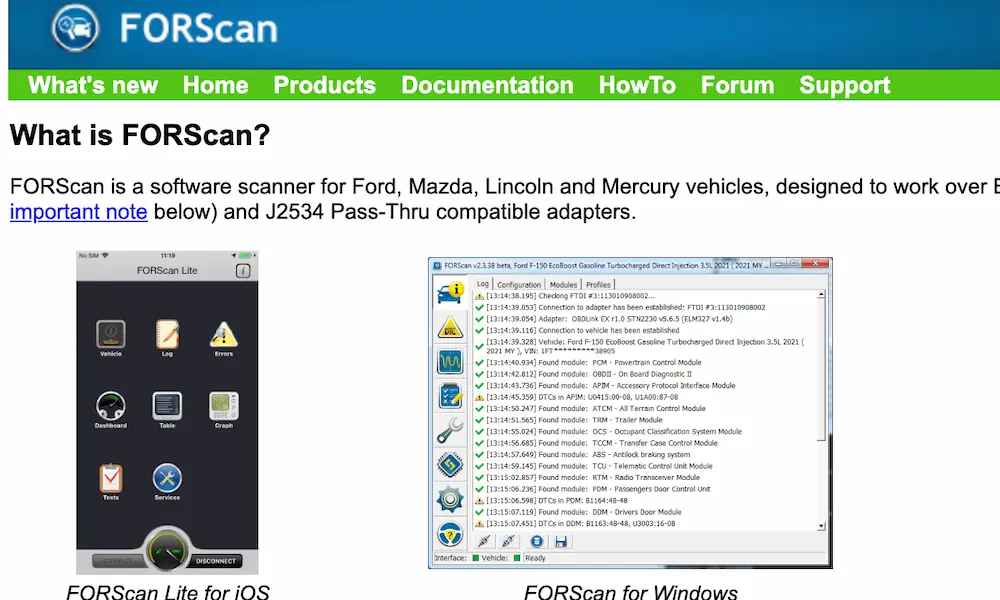
For serious diagnosis, you need Ford-specific software. ForScan is popular with DIYers—it’s free software that works with cheap OBD adapters. Reads all Ford modules and shows live sensor data.
Here’s what common codes mean:
C1095 – ABS pump motor circuit failed. That’s the expensive hydraulic unit problem.
C1233 – Wheel speed sensor input signal missing. Usually a bad sensor or corroded connector.
C0051:54 or C0051:64 – Steering angle sensor issues. Check the clock spring.
U1261 – Communication fault between modules. Could be wiring, could be bad grounds, could be low battery voltage.
B1342 – Internal control module problem. Might need reprogramming or replacement.
Don’t just throw parts at codes. Verify with testing first. Shops make a killing replacing sensors that weren’t actually broken.
How to Actually Reset the Warning
Clearing codes doesn’t fix problems, but sometimes you need to reset after repairs. Ford Fusions are stubborn about holding memory.
The overnight disconnect method works best. Remove both battery terminals. Touch the cables together for 30 seconds to drain residual power. Leave disconnected overnight. This forces a complete system memory wipe.
You’ll lose radio presets and clock settings, but the AdvanceTrac warning should clear if you fixed the underlying problem.
Scan tools can clear codes instantly, but the warning returns immediately if the fault’s still present. That’s why fixing the actual problem matters more than clearing codes.
ForScan offers advanced reset options for different modules. You can clear specific system codes without erasing everything. Handy, but you need to know what you’re doing. Messing with module programming can create new problems.
DIY or Pay Someone?
Some AdvanceTrac fixes are totally doable at home. Others need professional equipment.
Easy DIY jobs:
- Cleaning battery terminals and connectors
- Replacing wheel speed sensors (if you can change brakes, you can do this)
- Battery replacement
- Cleaning sensor connections
Leave to professionals:
- ABS pump replacement
- Clock spring installation (airbag safety concerns)
- Module reprogramming
- Complex electrical diagnosis
The decision usually comes down to tools and confidence. Wheel speed sensors need basic hand tools. ABS pumps require brake bleeding equipment and scan tools for programming.
If you’re mechanically inclined, a $50 sensor replacement beats a $300 shop bill. If you’ve never turned a wrench, paying for expertise prevents expensive mistakes.
Keeping AdvanceTrac Happy Long-Term
Prevention beats repair every time. A few simple habits keep this system running:
Test your battery annually after year five. Free at parts stores. Replace when it tests weak, not after it dies.
Clean wheel speed sensor areas during brake jobs. Wipe off accumulated gunk before it causes problems.
Match your tires properly. Mismatched sizes confuse the system because wheels rotate at different speeds. The computer thinks you’re sliding when you’re not.
Address warnings quickly. That intermittent light you’re ignoring? It’s telling you something’s failing. Fix it now while it’s cheap. Wait until it’s constant and you’re looking at secondary damage.
Brake system maintenance matters too. Rusty brake components shed metal particles that stick to magnetic sensors. Regular brake service prevents sensor contamination.
What It Really Costs
Let’s talk real numbers because estimates all over the map aren’t helpful.
| Problem | Parts Cost | Shop Labor | Total Range |
|---|---|---|---|
| Wheel speed sensor | $50-80 | $100-200 | $150-280 |
| Battery replacement | $150-250 | $0-50 | $150-300 |
| Clock spring | $150-300 | $200-400 | $350-700 |
| ABS pump motor | $400-1200 | $400-800 | $800-2000 |
| Diagnostic scanning | $0-50 | $100-150 | $100-200 |
Those ABS pump numbers hurt, but they’re less common than sensor failures. Most people face the $150-300 range for basic fixes.
Dealers charge premium rates—20-30% higher than independent shops. Ford specialists (not dealers) offer good middle ground: Ford expertise without dealer prices.
DIY cuts costs dramatically. A $30 scanner plus $60 sensor beats a $300 shop visit. Your time investment pays off quickly.
The Bottom Line
Service AdvanceTrac warnings look scary but usually trace back to simple problems. Start with the basics: test your battery, check sensor connections, scan for codes.
Wheel speed sensors fail most often. They’re cheap and relatively easy to replace. Battery issues come second and cost even less to fix.
The expensive repairs—ABS pumps and steering components—happen less frequently. When they do, shop around for quotes. Prices vary wildly between dealers and independents.
Don’t drive indefinitely with the warning on. You’re losing safety features designed to prevent accidents. In slippery conditions, that electronic guardian angel might save you from a crash.
Fix it sooner rather than later. That intermittent warning becomes a permanent failure. That sensor issue becomes a module failure. Early intervention keeps repair bills manageable.
Your Fusion’s trying to tell you something. Listen to it, diagnose methodically, and fix the actual problem. You’ll be back to worry-free driving without breaking the bank.