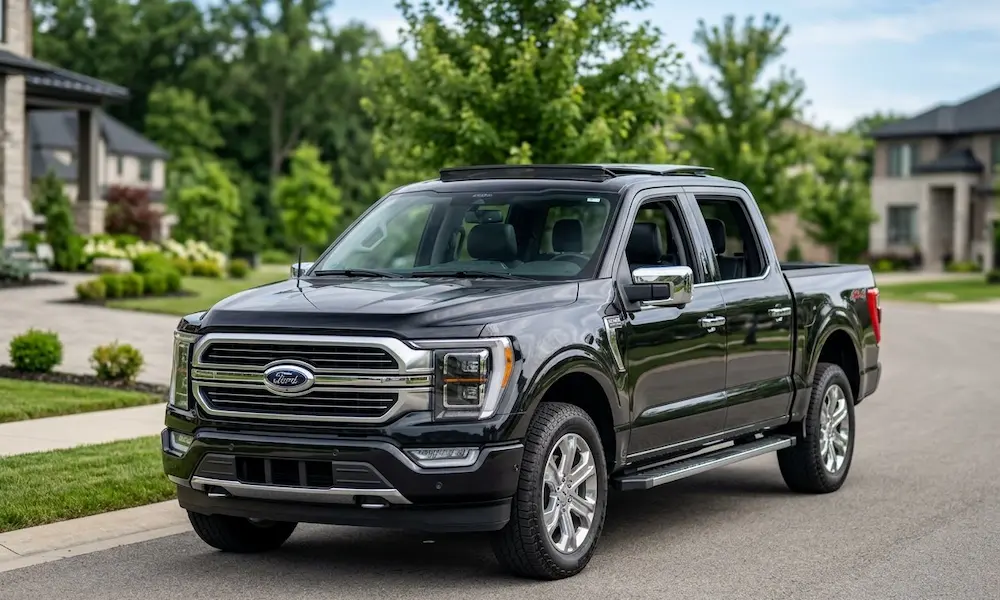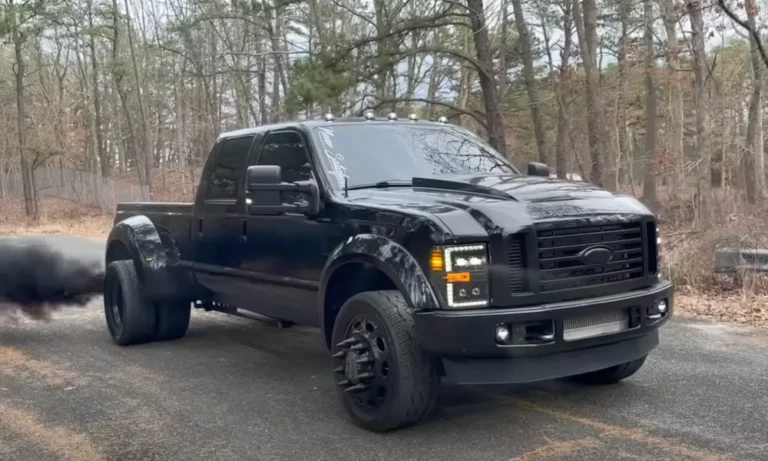
Thinking about buying a Ford Super Duty with a 6.4 Powerstroke? You’ll want to read this first. This engine earned its reputation as one of Ford’s biggest diesel disasters for good reason. Let’s break down what actually goes wrong, how much it’ll cost you, and whether there’s any hope for redemption.
What Makes the 6.4 Powerstroke So Problematic?
The 6.4 Powerstroke packed impressive specs on paper—350 horsepower and 650 lb-ft of torque from a compound turbocharged V8. Ford and International Navistar built this engine from 2008 to 2010 as a replacement for the equally troubled 6.0L.
Here’s the brutal truth: nearly every major component has a design flaw. We’re talking about pistons that crack like eggshells, fuel systems that contaminate themselves, and emissions equipment that’ll drain your wallet faster than you can say “check engine light.”
The numbers don’t lie. Studies show 98% of owners face DPF issues, 90% deal with radiator failures, and 80% of high-mileage engines crack pistons. When major problems hit, you’re looking at $8,000+ repair bills.
The Diesel Particulate Filter Nightmare
The DPF system represents the most widespread 6.4 Powerstroke engine problem. As Ford’s first diesel with this emissions equipment, they clearly didn’t get it right.
Here’s what happens: the active regeneration cycle injects raw diesel fuel into the exhaust to burn off soot. Sounds smart, except the system fails constantly. You’ll get check engine lights, reduced power, and fuel economy that drops from an already-pitiful 12-14 MPG down to 8-10 MPG during regeneration attempts.
The regeneration cycles run too frequently and rarely complete properly. Your truck becomes a fuel-guzzling, power-robbed headache on wheels. Replacement costs run $2,500-$4,000, and that’s just temporary relief.
Many owners eventually delete the DPF system entirely (where legal). It’s not the fix Ford intended, but it’s often the only way to make these trucks usable.
Cracked Pistons: The Engine Killer
If you own a 6.4 Powerstroke long enough, you’ll probably meet this problem face-to-face. The factory pistons feature catastrophically weak casting in the fuel bowl area.
The cracks typically start at the fuel bowl lip due to poor casting quality and excessive heat cycles. The compound turbo system generates higher boost than the pistons can handle. When they crack, compression drops, fuel dilution accelerates, and complete engine failure follows shortly after.
You’ll need a full engine rebuild with aftermarket pistons. The bill? Expect $8,000-$12,000. That’s assuming you catch it before metal debris circulates through your oil system and destroys everything else.
Some owners report seeing soot deposits on their firewall and hood—telltale signs that cracked pistons are venting combustion gases where they shouldn’t be.
Oil Dilution From Fuel Contamination
Here’s a fun surprise: check your oil level after a few regeneration cycles. You might find 7 gallons of “oil” in what should be a 4-gallon system.
That extra volume isn’t oil—it’s diesel fuel. During regeneration, unburned fuel bypasses the piston rings and dumps straight into your crankcase. This affects roughly 85% of 6.4 Powerstroke engines.
Fuel-contaminated oil can’t lubricate properly. Bearings wear prematurely, internal components suffer accelerated damage, and you’re staring down another expensive rebuild.
The solution? Change your oil every 3,000-5,000 miles instead of following Ford’s recommended intervals. Yes, it’s expensive and annoying. No, you don’t have a choice if you want to keep this engine alive.
Radiator Failures: When, Not If
About 90% of 6.4 Powerstroke owners deal with radiator leaks. The stock design uses plastic end tanks that crack where they meet the aluminum core.
Engine vibration and thermal cycling split these joints apart. You’ll lose coolant, risk overheating, and need a replacement. The factory radiator simply can’t handle the heat this engine generates, especially under load.
Most diesel mechanics recommend immediate replacement with an aftermarket aluminum radiator as a preventive measure. Don’t wait for the factory unit to fail—it will.
Adding insult to injury, Ford’s manufacturing process left casting sand in the coolant passages. This debris clogs oil coolers and contributes to overheating issues.
High-Pressure Fuel Pump Disasters
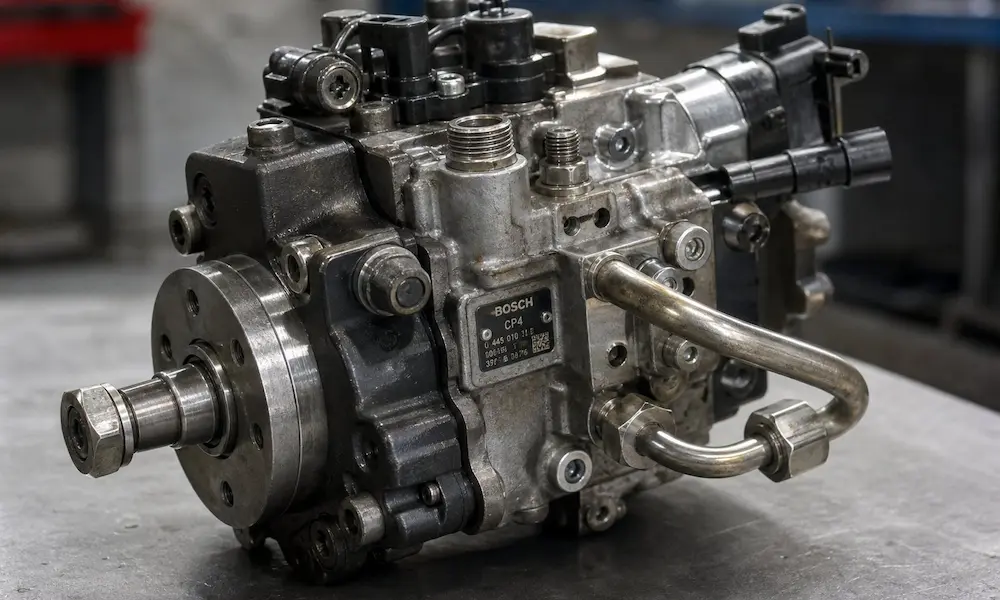
The Siemens VDO K16 high-pressure fuel pump can generate up to 25,000 PSI. Impressive until it grenades and sends metal debris throughout your entire fuel system.
When these pumps fail internally, they create metallic “glitter” that contaminates fuel rails and injectors. You’ll need to replace the entire high-pressure fuel system—pump, rails, injectors, everything.
Symptoms include:
- Extreme difficulty starting
- Significant power loss
- Violent misfiring
- Diagnostic codes P0087 or P0088
Repair costs typically hit $4,000-$6,000 once contamination occurs. There’s no cheap fix—the metal debris ruins everything it touches.
Which Year is Worst? They’re All Bad
You might hope some model years avoided the worst problems. Sorry to disappoint.
2008 Models: The inaugural year proved catastrophically problematic. Widespread emissions failures, DPF issues, and radiator problems plagued early adopters. Ford issued multiple recalls for exhaust overheating that could create dangerous conditions.
2009 Models: Ford addressed some 2008 emissions problems, but new fuel system issues emerged. EGR cooler failures became more common. DPF problems persisted despite software updates.
2010 Models: The final production year saw continued turbocharger and exhaust component issues. Piston cracking remained a fundamental problem Ford never solved.
The consensus among diesel professionals? Avoid all three years. If you must choose, 2010 models are marginally less terrible.
EGR System and Up-Pipe Failures
The 6.4 uses dual EGR coolers that clog with soot and debris. Unlike the single cooler in the 6.0L, having two coolers doubles your failure points.
When EGR coolers fail, you’ll see overheating and reduced performance. Replacement isn’t cheap, and the new coolers will eventually fail too—it’s built into the design.
Exhaust up-pipes crack from thermal stress, causing noticeable power loss. You’ll hear a distinctive hissing from the engine bay and see soot deposits in weird places like your hood and firewall. The cracked pipes vent exhaust pressure before it reaches the turbos, killing performance.
Head Gasket Issues: Less Common But Still Expensive
Head gasket failures occur less frequently than in the 6.0L Powerstroke, but they still happen. Modified engines exceeding 600 rear-wheel horsepower face increased risk.
The factory head bolts are marginally adequate at best. Performance builds require ARP head studs for reliability. Even stock engines occasionally blow head gaskets, requiring expensive repairs.
The Performance Paradox
Here’s the frustrating part: the 6.4 Powerstroke has serious performance potential. The engine features some of the strongest factory connecting rods ever used in a light-duty diesel, plus a robust bedplate design.
Simple modifications can nearly double the power output. Some builds exceed 700 horsepower on modified factory internals. The compound turbo system and high-flow fuel injection respond well to tuning.
But here’s the catch: increased power accelerates every existing problem. You’ll crack those pistons faster, stress the fuel system harder, and push the cooling system beyond its already-inadequate limits.
You’re essentially choosing between a reliable(ish) stock truck or a powerful time bomb. Pick your poison.
Real-World Repair Costs
Let’s talk money. Major 6.4 Powerstroke engine problems require cab-off service in Super Duty trucks. The engine placement makes access impossible otherwise, dramatically increasing labor costs.
| Problem | Typical Cost Range |
|---|---|
| Complete engine rebuild (cracked pistons) | $8,000-$12,000 |
| High-pressure fuel system replacement | $4,000-$6,000 |
| DPF system replacement | $2,500-$4,000 |
| Radiator and cooling system overhaul | $1,200-$2,000 |
| EGR cooler replacement | $1,500-$2,500 |
| Head gasket repair | $3,000-$5,000 |
Many owners face repair costs exceeding their truck’s value. At that point, you’re better off selling it for parts and buying literally anything else.
Ford’s Attempts to Fix It
Ford issued numerous technical service bulletins addressing 6.4 Powerstroke problems. TSB 07-8-9 covered exhaust overheating that could create flamethrower-like conditions. Other bulletins addressed fuel system concerns and various component failures.
A significant recall required ECU reprogramming and installation of exhaust temperature monitoring systems to prevent dangerous exhaust temperatures.
These fixes provided limited relief. You can’t bulletin your way out of fundamental design flaws. Ford eventually admitted defeat, severed ties with International Navistar, and developed the more successful 6.7L Powerstroke in-house.
Can You Prevent These Problems?
If you’re stuck with a 6.4 Powerstroke, certain preventive measures might help:
Replace the radiator immediately with an aftermarket aluminum unit. Don’t wait for the factory radiator to fail—be proactive.
Install a coolant filtration system to address casting sand contamination. This debris causes real damage over time.
Change oil every 3,000-5,000 miles to combat fuel dilution. Yes, it’s more frequent than normal. No, you can’t skip it.
Consider DPF deletion where legally permissible. The emissions equipment causes more problems than it solves.
Upgrade pistons and head studs if you’re modifying the engine. The factory components can’t handle increased power.
Even with these measures, you’re fighting uphill against poor engineering. Prevention reduces risk but doesn’t eliminate it.
Should You Buy One?
The overwhelming consensus among diesel professionals: avoid 6.4 Powerstroke-equipped vehicles entirely.
These engines represent a perfect storm of expensive, frequent failures. The short production run makes replacement parts increasingly difficult and costly to find. You’re buying into a money pit with four wheels.
Current owners face tough choices: expensive repairs, costly engine swaps, or vehicle abandonment. If you choose to maintain a 6.4, budget for frequent repairs and treat it like a project vehicle, not reliable transportation.
Looking at used Super Duties? Pay extra for a 6.7L Powerstroke from 2011 or later. Or consider a 7.3L Powerstroke from 1999-2003. Both offer dramatically better reliability than the 6.4’s disaster show.
The 6.4 Powerstroke stands as a cautionary tale of ambitious engineering without proper validation. Advanced technology means nothing when fundamental design flaws plague every major component. This engine devastated customer confidence and taught Ford expensive lessons about diesel development.
If someone offers you a great deal on a 6.4 Powerstroke, there’s a reason the price is low. Walk away. Your wallet will thank you.