You’ve probably heard the horror stories about Ford’s 6.0L PowerStroke diesel engines. Maybe a friend warned you away from them entirely, or perhaps you’re considering buying one because the price seems too good to pass up. Either way, you need straight facts about these controversial engines before making any decisions.
Let’s cut through the myths and dig into what really makes these engines tick—or fail. I’ll share what can go wrong, which model years to consider, and how to transform a problematic 6.0L into a reliable workhorse that could serve you for hundreds of thousands of miles.
The Controversial Reputation of the 6.0 PowerStroke
The 6.0L PowerStroke diesel engine (2003-2007) remains one of the most divisive engines in Ford’s history. Following the nearly bulletproof 7.3L PowerStroke was no easy task, especially with stricter emissions standards forcing new, complex systems into the design.
The 6.0L introduced several advanced technologies:
- Exhaust Gas Recirculation (EGR) systems
- Variable geometry turbochargers
- Hydraulic-electronic unit injection (HEUI)
These additions created multiple potential failure points that simply didn’t exist in the simpler 7.3L design. While the 6.0L offered improved horsepower and torque, its reliability took a significant hit due to these complexities.
Major Reliability Problems That Plague the 6.0 PowerStroke
Oil Cooler Failures: The Root of Many Issues
The factory oil cooler is arguably the most critical failure point in the 6.0L PowerStroke. Its liquid-to-liquid design features extremely narrow cooling passages that frequently clog with debris and casting sand leftover from manufacturing.
When an oil cooler becomes restricted:
- Oil temperatures skyrocket (anything over 230°F indicates imminent failure)
- Cooling system pressure increases
- Engine oil degradation accelerates
- Related components like EGR coolers and head gaskets face increased stress
What makes oil cooler failures particularly insidious is that most trucks lack factory oil temperature gauges, so many owners don’t realize there’s a problem until catastrophic damage occurs. Replacement costs typically range from $2,000-$5,000 depending on the extent of related damage.
EGR System: A Design Nightmare
The EGR system represents another major pain point. The EGR cooler uses a fragile fin-tube design that frequently cracks from thermal cycling and clogs from soot accumulation.
When the EGR cooler fails:
- Coolant leaks into the exhaust system
- White exhaust smoke appears
- Engine may hydrolock in severe cases
- Performance and fuel economy drop significantly
The EGR valve itself is equally problematic, with carbon buildup causing it to stick in open or closed positions. This triggers check engine lights and drivability issues while contributing to increased soot production throughout the engine. EGR system repairs typically cost $1,500-$3,000.
Head Gasket and Head Bolt Failures
Head gasket failures in the 6.0L often trace back to inadequate torque-to-yield (TTY) head bolts. Ford reduced the number of head bolts from six per cylinder (in the 7.3L) to just four in the 6.0L, while using bolts that stretch beyond their yield point during installation.
Under increased cylinder pressures from:
- Performance tuning
- Heavy towing
- Extended high-load operation
These bolts can stretch further, losing clamping force and allowing head gaskets to fail. Interestingly, completely stock 6.0L engines rarely experience head gasket failures unless other problems (like EGR cooler failure) create abnormal pressures.
Head gasket repairs are particularly expensive, ranging from $3,000-$8,000 depending on associated damage and whether upgraded components are installed during repair.
FICM and Electrical Gremlins
The Fuel Injection Control Module (FICM) failure is another common headache, particularly in earlier model years. Mounted directly on the engine, the FICM experiences extreme heat and vibration that leads to component failure over time.
Low battery voltage can permanently damage the FICM, as it requires a minimum of 12.7 volts for proper operation. Symptoms of FICM failure include:
- Hard starting, especially in cold weather
- Rough idle
- Power loss
- Complete no-start conditions
Replacement costs range from $800-$1,500 for quality aftermarket units, with many owners opting for upgraded versions with better heat dissipation and higher output capabilities.
Model Year Differences: Which 6.0 PowerStroke Is Most Reliable?
Not all 6.0L PowerStrokes were created equal. Ford made numerous running changes throughout production to address reliability concerns.
Early Production (2003-Early 2004): Avoid If Possible
The earliest 6.0L engines experienced the most significant reliability issues:
- Problematic high-pressure oil pumps
- First-generation EGR systems with high failure rates
- Less refined cooling systems
- Higher warranty claim rates
The 2003 model year is particularly notorious for EGR cooler failures and should generally be avoided unless the price reflects the likely need for significant repairs.
Mid-Production (Late 2004-2005): Moderate Improvements
Ford implemented several running changes during 2004 production, with late 2004 engines receiving updated components that improved reliability. However, 2005 models introduced the problematic snap-to-connect (STC) fittings on the high-pressure oil system, which had nearly a 100% failure rate over time.
Late Production (2006-2007): Your Best Option
The final years of 6.0L production saw the most refined engines. By this point, Ford had implemented numerous updates and fixes based on real-world experience. Some sources indicate that 2006-2007 models actually had fewer warranty claims than any single year of 7.3L production.
These later engines still retain the fundamental design flaws that affect all 6.0L engines, but they typically experience fewer premature failures and respond better to preventive modifications.
“Bulletproofing”: Transforming the 6.0 PowerStroke
The term “bulletproofing” originated from Bulletproof Diesel, a company that developed comprehensive solutions to address the 6.0’s pattern failures. True bulletproofing involves addressing four to five major failure points with specific upgraded components.
Essential Bulletproofing Modifications
ARP Head Studs: Replacing the factory TTY head bolts with high-strength ARP head studs provides superior clamping force that won’t stretch under load. This modification is considered the most critical for engines that will see any performance modifications or heavy-duty use.
Upgraded Oil Cooler: Installing a liquid-to-air oil cooler eliminates the restriction and mixing issues of the factory unit. This modification alone can prevent most cascading failures in the cooling and EGR systems.
EGR System Upgrade or Delete: Either upgrading to a more robust EGR cooler design or deleting the system entirely (where legally permissible) eliminates one of the most problematic systems on the engine.
FICM Upgrade: Installing a heavy-duty FICM with military-grade components and higher voltage output capabilities significantly improves cold-starting and prevents power loss issues.
Water Pump and Coolant Filtration: Upgrading to a billet aluminum water pump and installing a coolant filtration system prevents debris circulation and extends the life of cooling system components.
Cost vs. Benefit Analysis
Complete bulletproofing typically costs between $5,000-$10,000 depending on:
- The scope of work required
- Whether it’s performed proactively or reactively after failures
- If you can do some of the work yourself
- Your choice of replacement components
While this represents a significant investment, it must be weighed against the cost of individual failures, which can range from $2,000-$8,000 per incident. Many owners report that properly bulletproofed 6.0L engines can achieve 300,000 to 400,000+ miles of reliable service, making the investment worthwhile for long-term ownership scenarios.
Critical Maintenance Practices for 6.0 PowerStroke Reliability
The 6.0L PowerStroke is significantly more maintenance-sensitive than other diesel engines. Several key maintenance practices can dramatically impact reliability:
Oil Quality and Change Intervals
The HEUI injection system requires high-quality diesel engine oil with regular changes every 5,000 miles maximum. Many experts recommend:
- Synthetic oil specifically formulated for diesel engines
- Additives designed for HEUI systems, such as Archoil AR9100
- Oil analysis to detect potential issues early
Coolant System Maintenance
Clean, properly mixed coolant is crucial for preventing oil cooler and EGR cooler failures:
- Extended life coolant (ELC) is strongly recommended
- Regular coolant filtration helps remove debris
- Pressure testing the cooling system annually can detect small leaks before they become catastrophic
- Flushing the system every 30,000 miles prevents scaling in narrow passages
Fuel Quality and Filtration
Maintaining clean fuel prevents high-pressure oil pump and injector damage:
- Install a lift pump with additional filtration
- Change fuel filters at or before recommended intervals
- Add a fuel pressure gauge to monitor for filter restriction
- Use quality diesel fuel additives during cold weather
Temperature Monitoring
Installing aftermarket gauges allows early detection of problems:
- Oil temperature (critical for detecting oil cooler issues)
- Coolant temperature
- Exhaust gas temperature
- Engine oil pressure
Stock Engine Reliability Potential
Despite its reputation, many stock 6.0L PowerStroke engines have achieved impressive longevity when properly maintained. Several factors contribute to successful stock engine operation:
Conservative Operation Is Key
Avoiding aggressive tuning and excessive load conditions significantly improves reliability. Stock engines driven conservatively often experience fewer problems because:
- Factory head bolts remain adequate at stock power levels
- Oil and coolant temperatures stay within safe ranges
- EGR system functions as designed with proper maintenance
Rigorous Maintenance Schedule
Strict adherence to maintenance schedules with quality fluids and filters can extend engine life substantially:
| Maintenance Item | Recommended Interval | Stock Interval | Notes |
|---|---|---|---|
| Engine Oil & Filter | 5,000 miles | 7,500 miles | Use full synthetic diesel-specific oil |
| Fuel Filters | 10,000 miles | 15,000 miles | Replace both primary and secondary |
| Coolant Flush | 30,000 miles | 60,000 miles | Use Ford-approved ELC coolant |
| Air Filter | 15,000 miles or as needed | As needed | Inspect regularly in dusty conditions |
| Oil Cooler Flush | 30,000 miles | Not specified | Critical for preventing clogging |
Multiple owners report achieving 200,000 to 300,000+ miles on stock engines with diligent maintenance and conservative operation. The key is preventing problems rather than fixing them after they occur.
Performance Modifications and Reliability Impact
Adding power modifications to a stock 6.0L PowerStroke dramatically increases the likelihood of failure. The factory head bolts and cooling systems are marginal for stock power levels and cannot handle significant increases in cylinder pressure or heat generation.
However, properly bulletproofed engines can safely handle substantial power increases, with many achieving 400-500+ horsepower reliably. The key is ensuring all supporting systems are upgraded before adding power.
The safest approach to power modifications follows this sequence:
- Complete bulletproofing with ARP studs, oil cooler, and EGR solutions
- Install upgraded cooling system components
- Add exhaust and intake modifications
- Implement conservative tuning with proper monitoring
How the 6.0 PowerStroke Compares to Other Diesels
When comparing the 6.0L PowerStroke to other diesel engines of the era, its reputation appears somewhat unfair. The Duramax and Cummins engines of the same period also experienced significant reliability issues related to emissions systems and new technologies. The 6.0’s problems are simply more well-documented and expensive to address.
However, when compared to the legendary 7.3L PowerStroke, the 6.0L clearly falls short in terms of simplicity and inherent reliability. The 7.3L’s mechanical injection system and lack of complex emissions equipment made it far more tolerant of maintenance neglect and abuse.
Long-term Ownership Considerations
For potential 6.0L PowerStroke owners, several factors should influence the purchase decision:
Budget Realistically
Plan for higher maintenance costs and potential bulletproofing expenses:
- Budget $5,000-$10,000 for preventive bulletproofing
- Set aside emergency funds for potential repairs
- Factor in higher routine maintenance costs
Consider Your Usage Patterns
Stock engines are more reliable for light-duty applications, while bulletproofing becomes essential for:
- Heavy towing or hauling
- Performance modifications
- Commercial use
- High-mileage daily driving
Mechanical Aptitude Matters
The 6.0L rewards owners who can perform their own diagnostics and maintenance:
- DIY repairs can save thousands in labor costs
- Understanding the systems helps catch problems early
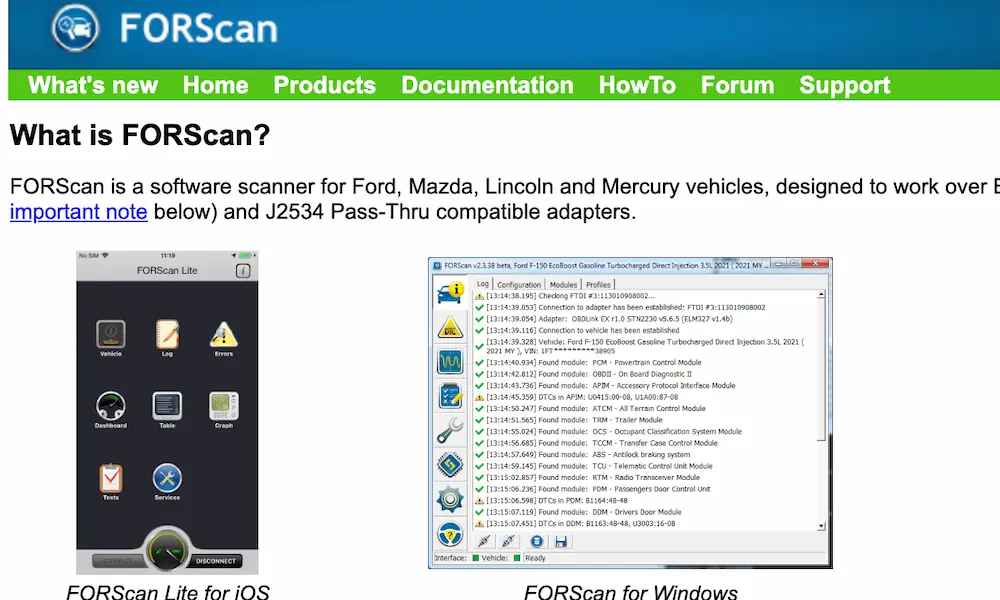
- Access to diagnostic tools like FORScan is invaluable
Market Value Considerations
6.0L trucks often sell for significantly less than equivalent 7.3L or newer 6.7L models, potentially offsetting modification costs. A properly bulletproofed 6.0L can represent an excellent value compared to newer diesel trucks, especially for buyers willing to invest in preventive modifications.
The Final Verdict on 6.0 PowerStroke Reliability
So, are 6.0 PowerStrokes reliable? The answer is nuanced:
In stock form with rigorous maintenance, the engine can provide reasonable service for 200,000+ miles, though it requires more attention and care than many other diesel engines. The numerous pattern failures represent legitimate design shortcomings that can result in expensive repairs if not addressed proactively.
However, when properly bulletproofed, the 6.0L PowerStroke transforms into a capable and reliable platform that can exceed the longevity of many other diesel engines while providing excellent power and performance. The key lies in understanding the engine’s limitations, addressing known failure points preventively, and maintaining strict service schedules.
For buyers willing to invest in proper modifications and maintenance, the 6.0L PowerStroke can be an excellent choice, particularly given the lower acquisition costs compared to more sought-after engines. But those seeking a simple, low-maintenance diesel would be better served by other options.
The 6.0L PowerStroke ultimately represents a capable but high-maintenance engine that rewards knowledgeable ownership while punishing neglect. With proper care and strategic modifications, it can provide hundreds of thousands of reliable miles—just don’t expect it to match the “set it and forget it” reliability of simpler diesel designs.