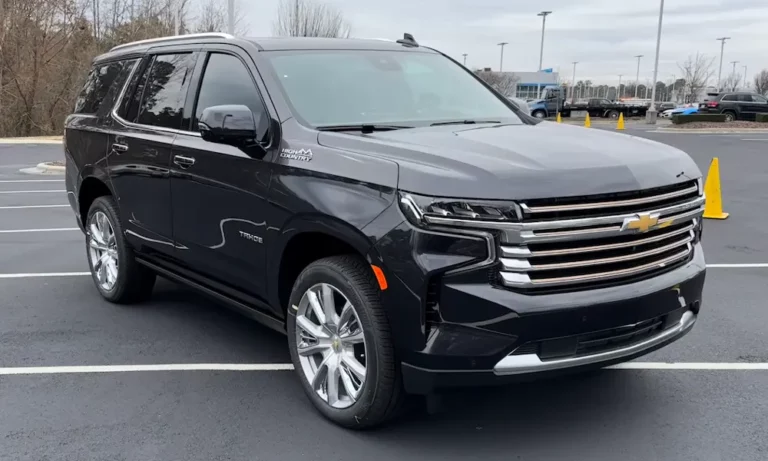
Thinking about buying a Chevy Tahoe but worried about reliability? You’re smart to do your homework. The Tahoe is a staple on American roads, but its reliability record isn’t straightforward. This full-size SUV offers impressive space, strong towing capacity, and undeniable road presence—but how dependable is it really?
According to RepairPal, the Tahoe earns a 3.5 out of 5.0 reliability rating, ranking 21st out of 26 full-size SUVs. That’s slightly better than average for its class, but the story gets more complicated when you look at specific model years and common issues.
Let’s dive into what makes some Tahoes reliable workhorses that cruise past 200,000 miles, while others might leave you stranded with expensive repair bills.
Tahoe Reliability: The Big Picture
What the Experts Say
The Chevy Tahoe receives mixed reviews from major automotive authorities. RepairPal’s 3.5/5 rating reflects moderate reliability, while J.D. Power scores have remained relatively stable over recent years (82/100 for 2018, 81 for 2021, and 83 for 2024).
Consumer Reports takes a more cautious stance, particularly with newer models. They predict the 2025 Tahoe will likely experience below-average reliability compared to other new vehicles, based on data from recent model years and overall Chevrolet brand performance.
Ownership Costs: What to Expect
Be prepared for higher-than-average maintenance expenses if you’re buying a Tahoe. The average annual repair cost is $744—significantly more than both the midsize SUV average ($573) and the all-vehicle average ($652).
Over a 10-year ownership period, Tahoe owners typically spend around $10,028 on maintenance and repairs—$1,820 more than the industry average of $8,208.
There is some good news, though. Tahoes tend to need unscheduled repairs less frequently than other vehicles (0.3 times per year versus the industry average of 0.4). The catch? When problems do occur, they’re more likely to be serious—with a 16% probability of major repairs compared to 12% for all vehicles.
The Best and Worst Tahoe Years: A Generation-by-Generation Breakdown
First Generation (1995-1999): Solid Foundations
The original Tahoe established a reputation for solid basic reliability. Most first-generation models (1995-1998) consistently earn 4.5 out of 5 stars on reliability metrics. These early models benefit from simpler mechanical systems and well-proven powertrains.
Avoid This Year: The 1999 model experienced significant engine problems and is generally considered the weak point of this generation.
Second Generation (2000-2006): Hits and Misses
This generation saw both stellar performers and problem-plagued years:
Best Years: 2000, 2001, and 2006 stand out as particularly reliable, with the 2001 model receiving a perfect 5.0/5.0 reliability score from Consumer Reports.
Problem Years: The 2002-2005 models, particularly 2004 and 2005, should be avoided. The 2004 Tahoe commonly experiences cracked cylinder heads after approximately 80,000 miles, requiring expensive repairs averaging $3,220. Other issues include speedometer inaccuracy, head gasket failures, and excessive coolant consumption.
Third Generation (2007-2014): From Terrible to Terrific
This generation spans the full reliability spectrum:
Worst Years: The 2007-2009 models represent the most problematic period in Tahoe history. The 2007 model has received more complaints than any other year, with electrical problems, engine difficulties, and interior accessory failures.
Biggest Issue: The Active Fuel Management (AFM) system in 2007-2014 models with 5.3-liter V8 engines. This cylinder deactivation technology frequently experiences lifter failures that can cause catastrophic engine damage, with repair costs ranging from $3,000 to $6,000.
Best Year: Surprisingly, the 2014 model (the final year of this generation) is widely considered one of the most reliable Tahoes ever produced. J.D. Power recognized it as one of the best large SUVs in 2017, and it offers the highest towing capacity (8,500 pounds) while maintaining strong reliability.
Fourth Generation (2015-2020): Transmission Troubles
The fourth-generation introduced significant mechanical changes, including a new 8L90 eight-speed automatic transmission that proved problematic.
Avoid: The 2015 model year, as this first-year redesign suffered from numerous recalls and issues. Common problems include air conditioning failures ($980 to repair), faulty shocks and struts ($2,940), and brake system issues.
Transmission Issues: The 8L90 transmission used in 2015-2020 models experiences torque converter shudder, harsh shifting, and premature failures. These often require complete transmission replacement in severe cases.
Later fourth-generation years (2016-2020) show improved reliability as GM addressed initial problems.
Fifth Generation (2021-Present): Modern Concerns
The current generation Tahoe brings updated styling and technology but faces new reliability challenges.
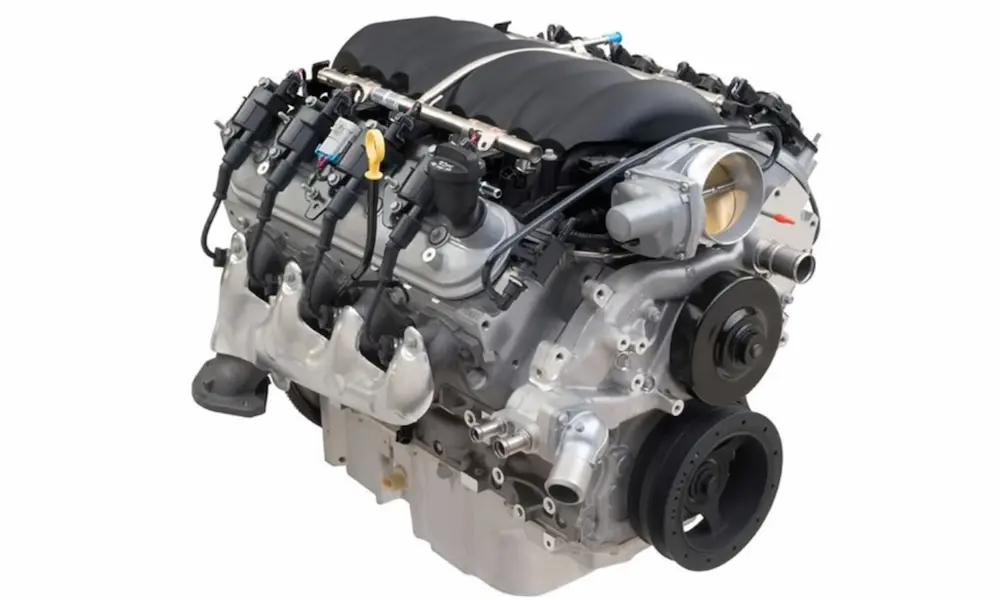
Major Concern: The 6.2-liter V8 engine offered in higher trim levels has been subject to a massive recall affecting 597,630 vehicles from 2021-2024. The recall addresses manufacturing defects in connecting rod and crankshaft components that can lead to catastrophic engine failure.
This engine problem has generated over 28,000 customer complaints and resulted in 12 crashes with injuries. GM has extended the warranty on affected engines to 10 years or 150,000 miles, but repair parts remain scarce.
The standard 5.3-liter V8 and 3.0-liter Duramax diesel engines are not affected by this recall.
Common Tahoe Problems You Should Know About
AFM/DOD System Failures
The Active Fuel Management system represents the most significant reliability concern for 2007-2014 Tahoes with 5.3-liter V8 engines. This cylinder deactivation technology uses complex hydraulic lifters that frequently fail, causing engine knock, rough idle, and potential catastrophic damage.
Repair costs typically range from $3,000 to $6,000 and often require complete engine disassembly. Many owners opt for AFM delete kits that replace the complex lifters with traditional units and reprogram the engine management system.
Transmission Problems
Multiple transmission issues affect different Tahoe generations:
- Earlier models experience problems with 4L60E and 4L80E transmissions
- The 8L90 eight-speed automatic (2015-2020) suffers from torque converter shudder, overheating, and valve body problems
Symptoms include harsh shifting between first and second gears, shuddering during light acceleration, and overheating during towing or heavy use.
Electrical System Malfunctions
Electrical problems plague multiple Tahoe generations, with issues ranging from battery drain to complete system failures. Common electrical problems include:
- Malfunctioning body control modules (BCM)
- OnStar module staying active and draining batteries
- Infotainment system failures
Battery drain issues particularly affect 2007-2020 models, with the BCM fuse being a primary troubleshooting point.
Climate System Failures
Air conditioning problems affect multiple model years, with 2015-2016 Tahoes being particularly susceptible to complete A/C system failure. Common issues include refrigerant leaks, compressor failures, and electrical problems. Repair costs typically range from $800 to $1,500.
The Best Tahoe Model Years to Buy
Based on comprehensive reliability data, these are the most recommended Tahoe model years:
First Generation (1995-1998)
These early models offer proven reliability with simpler mechanical systems and strong build quality. They’re excellent value for buyers seeking basic, dependable transportation with minimal electronic complications.
Second Generation (2001, 2006)
The 2001 model year particularly stands out with a perfect 5.0 reliability rating from Consumer Reports. The 2006 model also demonstrates a strong reliability record with fewer reported problems.
Third Generation (2014)
Widely considered the most reliable modern Tahoe, the 2014 model resolved most earlier issues while offering contemporary features and the highest towing capacity. This year represents the sweet spot between reliability and modern amenities.
Fourth Generation (2020)
As the final year of the fourth generation, the 2020 Tahoe benefits from years of refinement and issue resolution. Most transmission problems had been addressed by this point, making it a safer choice than earlier fourth-generation models.
Tahoe Model Years to Avoid at All Costs
Potential buyers should strictly avoid these problematic model years:
1999
Engine reliability problems make this year unsuitable for dependable transportation.
2004-2005
Multiple serious issues including cracked cylinder heads, gasket failures, and electrical problems result in expensive repairs and poor reliability.
2007-2008
These years represent the worst period in Tahoe history, with the 2007 model receiving more complaints than any other year. AFM system failures, electrical problems, and interior issues make these years particularly problematic.
2015
As a first-year design, this model suffers from numerous recalls and unresolved issues including A/C failures and suspension problems.
How the Tahoe Compares to Competitors
When compared to primary competitors, the Tahoe’s reliability record presents a mixed competitive position:
- Toyota Sequoia: Consistently receives higher reliability ratings and fewer reported problems, though recent redesigns have experienced some initial quality issues.
- Ford Expedition: Shows similar reliability patterns to the Tahoe, with comparable problem frequencies in the large SUV segment.
- Nissan Armada: Offers potentially better value with a reliable 5.6-liter V8 engine and fewer reported issues, though it lacks the Tahoe’s brand recognition and resale value.
Despite reliability concerns, the Tahoe maintains strong owner loyalty based on capability, comfort, and utility. Many owners report trouble-free ownership experiences even with model years that show higher complaint rates in aggregate data.
The Diesel Option: Is It More Reliable?
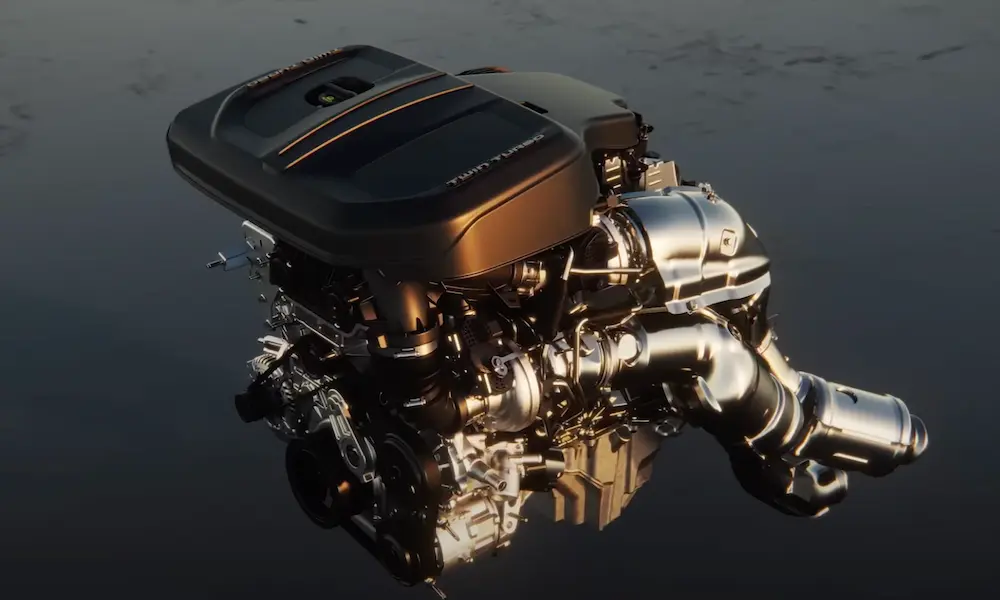
The 3.0-liter Duramax diesel engine available in recent Tahoes presents an attractive alternative for buyers prioritizing fuel efficiency and towing capability. GM claims this engine represents their most reliable diesel ever installed in a truck, though long-term data remains limited due to its recent introduction.
Benefits include:
- Significantly better fuel economy (26-27 MPG highway) compared to gasoline V8 options
- Excellent torque delivery (495 lb-ft)
- Smooth operation and highway refinement
Potential concerns include:
- Complex emissions systems requiring maintenance
- Higher maintenance costs overall
- Potential for expensive repairs (timing chain issues can cost up to $10,000 to fix)
Early owner reports generally favor the diesel option, but long-term reliability data is still developing.
How to Maximize Your Tahoe’s Reliability
Preventive Maintenance Is Crucial
Aggressive preventive maintenance represents the most effective strategy for maximizing Tahoe reliability and minimizing long-term costs. The Tahoe’s maintenance schedule requires attention every 7,500 miles for basic services, with major services at 30,000-mile intervals.
For models with AFM systems, regular oil changes using high-quality synthetic oil and maintaining proper oil levels are critical for preventing lifter failures. Some owners report success with more frequent oil changes (3,000-5,000 miles) for AFM-equipped engines.
Consider an Extended Warranty
Given the Tahoe’s higher-than-average repair costs and potential for major component failures, extended warranty coverage often proves financially beneficial. The complexity of modern systems, particularly in newer models, can result in expensive electronic component replacements that exceed typical maintenance budgets.
Extended warranties become particularly valuable for AFM-equipped engines, 8L90 transmissions, and complex electrical systems.
Recent Recalls: What Current Owners Should Know
Recent recall activity highlights ongoing reliability challenges with newer Tahoe models. The most significant involves 597,630 vehicles with 6.2-liter V8 engines from 2021-2024 model years. This recall addresses manufacturing defects that can cause catastrophic engine failure and has resulted in numerous complaints and documented crashes.
Additional recalls affect brake system software, fuel pump modules, and airbag systems in various model years.
The 6.2-liter engine recall presents particular safety concerns due to potential sudden propulsion loss while driving. Affected owners may experience engine knocking, unusual noises, or warning lights before complete failure occurs.
Is a Chevy Tahoe Right for You?
The Chevrolet Tahoe’s reliability presents a nuanced picture that requires careful consideration of specific model years, maintenance requirements, and individual needs. While the Tahoe offers impressive capability, spacious accommodations, and strong towing capacity, its reliability record shows significant variations across generations.
Prospective buyers should prioritize the 2014 model year for the best combination of modern features and proven reliability, while avoiding problematic years like 2007-2008 and 2015. The AFM system in 2007-2014 models requires special attention, and newer models face uncertainty due to ongoing recalls.
Successful Tahoe ownership requires:
- Proactive maintenance
- Awareness of model-specific issues
- Realistic budgeting for higher-than-average repair costs
For families and individuals whose needs align with the Tahoe’s strengths, careful model year selection and committed maintenance practices can result in satisfactory long-term ownership experiences. Extended warranty coverage and thorough pre-purchase inspections become particularly important given the Tahoe’s complexity and documented problem areas.
The Tahoe can serve buyers well when purchased thoughtfully and maintained properly, but it requires more diligent ownership than some competitors to achieve optimal reliability outcomes.