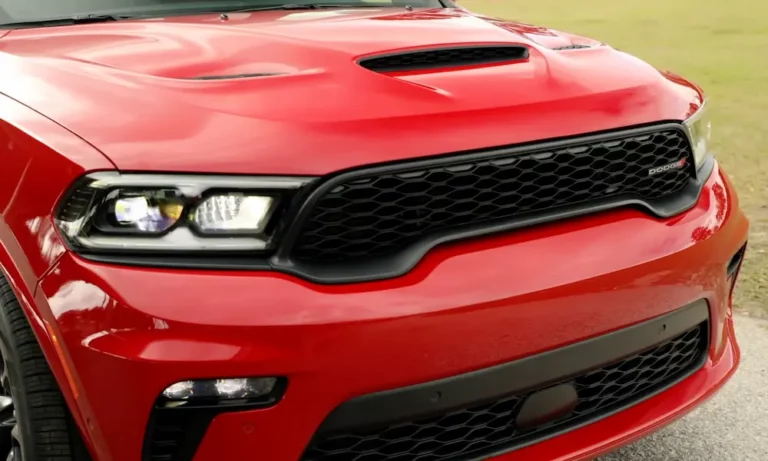
Thinking about getting a Dodge Durango but worried about reliability? You’re right to ask questions before investing in this muscular SUV. The Durango offers impressive towing capacity and powerful engine options, but how does it hold up over time? Let’s dive into what owners experience and what the data shows.
Dodge Durango Reliability: The Big Picture
The Dodge Durango sits in an interesting position in the reliability rankings. While not at the top of the class, recent models have shown significant improvements over earlier generations.
With proper maintenance, many Durangos reach 200,000+ miles without major issues. However, your experience will largely depend on which model year you choose and how well you maintain it.
According to RepairPal, the average annual repair cost for a Durango is around $675—somewhat higher than competitors like the Honda Pilot ($542) and Toyota Highlander ($489). This places the Durango in the “average” reliability category for midsize SUVs.
Reliability by Generation: Which Years to Choose (and Avoid)
The Durango’s reliability record varies dramatically across its production runs. Understanding these patterns can help you make a smarter purchase.
First and Second Generations (1998-2009): Proceed with Caution
Early Durangos, particularly the 1999-2002 models, faced significant challenges with transmission failures and electrical problems. The 1999 model year is widely considered the “worst year” for the Durango due to persistent brake and engine issues.
If you’re looking at this era, the 2008 model represents a high point after Dodge addressed many earlier flaws.
Third Generation (2011-2020): The Turning Point
The beginning of this generation (2011-2013) struggled with transmission shuddering and air suspension failures, earning below-average reliability scores.
A significant reliability improvement occurred with the 2017-2020 models. The 2017 Durango earned an impressive 83/100 quality score from J.D. Power, reflecting Dodge’s commitment to addressing earlier weaknesses. These years featured refined 8-speed transmissions and enhanced electrical systems, making them solid choices for used buyers.
Fourth Generation (2021-Present): Modern But Not Perfect
Recent models prioritize technology and safety features, including standard forward collision warning and adaptive cruise control. However, the 2022-2023 Durangos have faced some oil leak issues and infotainment glitches.
Consumer Reports predicts average reliability for newer models, suggesting incremental improvements continue.
Engine Options and Their Reliability
Your engine choice significantly impacts long-term reliability. Here’s how the three main options stack up:
3.6L Pentastar V6: The Reliability Champion
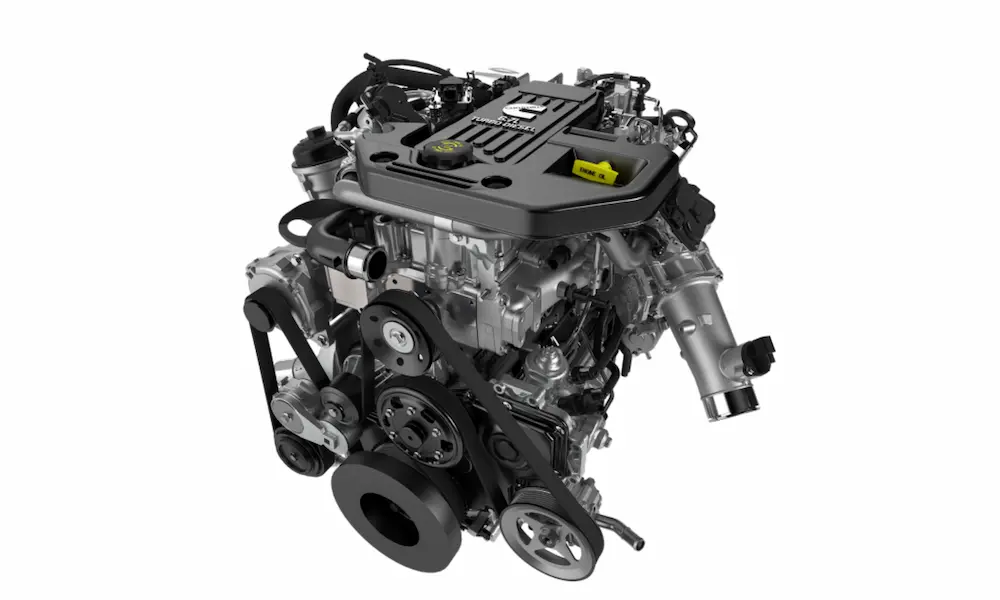
This workhorse engine, standard since 2011, earns praise for its durability and reasonable maintenance costs. With 295 horsepower and up to 25 MPG highway, it balances performance and efficiency.
Many owners report reaching high mileage with minimal issues, making it the safer choice for long-term ownership. One Reddit user documented reaching 168,000 miles with only minor repairs needed.
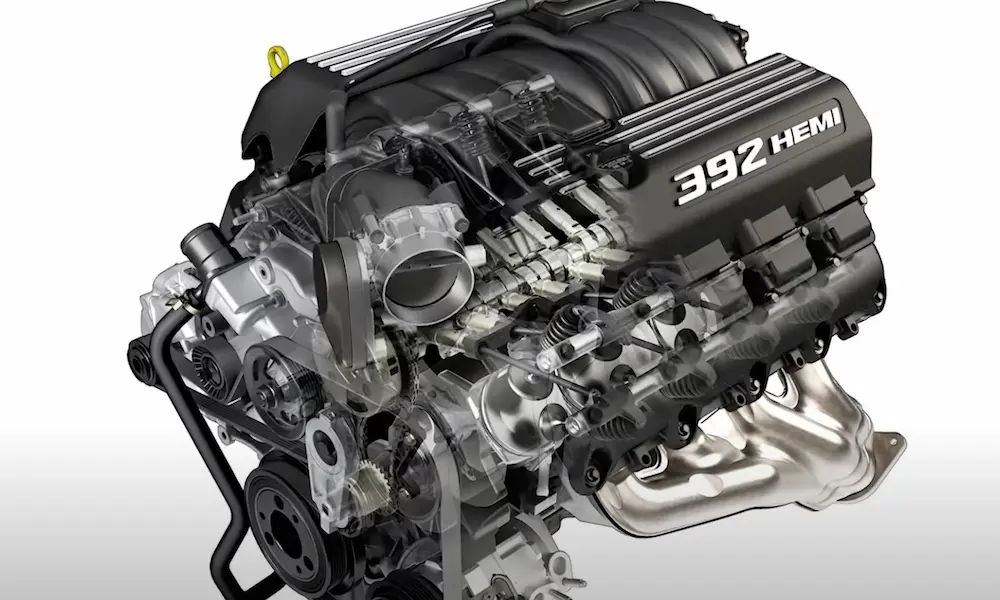
5.7L HEMI V8: Power with Some Concerns
Popular among those who need serious towing capacity, the HEMI delivers 360 horsepower but comes with some reliability trade-offs. Higher mileage units commonly develop “lifter tick” and camshaft wear, especially with aggressive driving habits.
The key to HEMI longevity? More frequent oil changes (every 5,000 miles instead of the recommended 8,000) and gentle warm-up periods.
6.2L Supercharged Hellcat V8 (2021-2023): The Performance Outlier
While thrilling with its 710 horsepower, this specialized engine demands meticulous maintenance. Its complex forced-induction system suggests higher long-term ownership costs, though comprehensive reliability data is still emerging.
Common Problems to Watch For
Even the most reliable Durangos have their weak spots. Here are the most frequently reported issues:
Transmission Issues
The 8-speed automatic transmission (introduced in 2015) resolved many historical problems but still faces complaints of hard shifting and overheating, particularly in V8 models.
Some 2023 owners have reported needing multiple transmission replacements under warranty, though these appear to be outlier cases rather than the norm.
Electrical Gremlins
The Durango’s most persistent reliability concerns involve its electrical systems. Owners frequently report malfunctioning Uconnect infotainment systems, unresponsive touchscreens, and erroneous dashboard warnings.
While rarely leaving you stranded, these issues detract from the ownership experience and often require dealer intervention through software updates or module replacements.
Oil Leaks
The 2023 model year has seen multiple reports of oil filter adapter leaks, traced to improper milling of engine blocks in some production runs. This highlights quality control challenges in recent production.
How the Durango Compares to Competitors
| Feature | Dodge Durango | Honda Pilot | Toyota Highlander |
|---|---|---|---|
| Avg. Annual Repair Cost | $675 | $542 | $489 |
| Reliability Rating | Average | Above Average | Excellent |
| Max Towing Capacity | 8,700 lbs | 5,000 lbs | 5,000 lbs |
| Base Horsepower (V6) | 295 | 285 | 265 |
The Durango’s higher repair costs and average reliability scores are offset by its class-leading towing capacity and performance options. For buyers who prioritize capability over maintenance costs, this trade-off makes sense.
The Durango offers a unique blend of SUV utility and muscle car personality that many competitors can’t match.
Maximizing Your Durango’s Lifespan
With proper care, many Durangos easily surpass 200,000 miles. Follow these maintenance best practices:
Critical Maintenance Tasks
- Oil Changes: Every 5,000 miles for V8 models (despite the manual suggesting longer intervals)
- Transmission Service: Fluid changes every 60,000 miles to prevent overheating
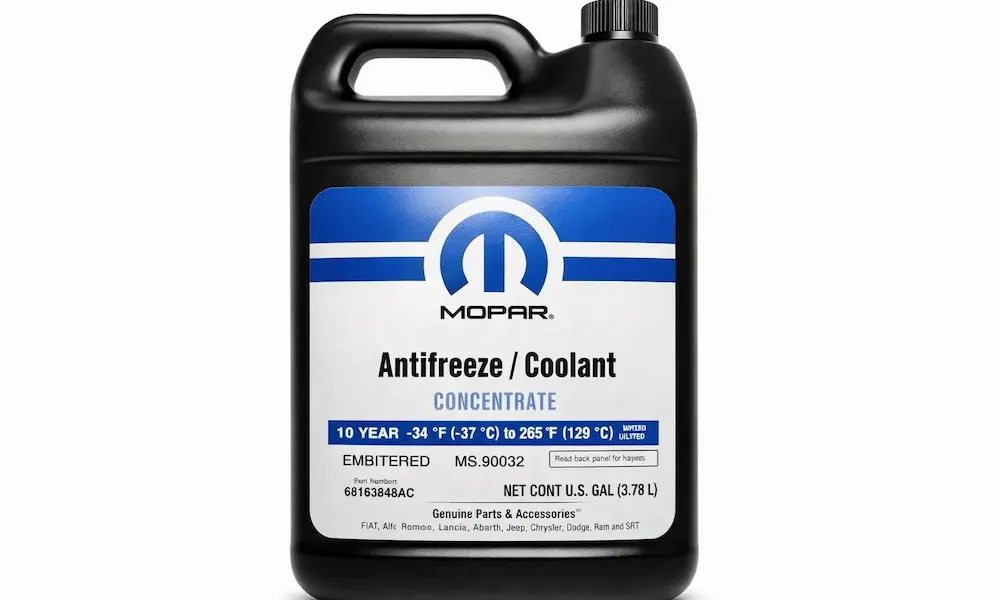
- Cooling System: Regular inspection of radiator and hoses (especially important for V8 models)
- Electrical System: Keep software updated to address infotainment issues
Warning Signs to Address Immediately
- Transmission hesitation or rough shifting
- Unusual engine noises, especially ticking sounds in V8 models
- Persistent check engine lights
- Oil spots on your driveway (particularly in newer models)
Smart Shopping Strategies for Durango Buyers
If you’re convinced a Durango is right for you, these tips will help you find a reliable example:
Best Model Years to Target
The 2017-2020 models offer the best balance of modern features, improved reliability, and value. They benefit from Dodge’s refinements after addressing earlier generation problems.
Models to Avoid
Steer clear of 2011-2013 Durangos, which are known for transmission and electrical problems that can be costly to repair.
What to Look for When Buying Used
- Maintenance Records: Verify regular oil changes and transmission services
- Certified Pre-Owned (CPO): Dodge’s program extends warranties up to 100,000 miles
- Vehicle History: Check for accident damage that might affect long-term reliability
- Test Drive: Pay attention to transmission smoothness and any dashboard warning lights
Is the Dodge Durango Right for You?
The Dodge Durango makes sense for buyers who:
- Need serious towing capacity (up to 8,700 pounds)
- Want a more engaging driving experience than typical family SUVs
- Appreciate American muscle styling and powerful engine options
- Are willing to perform regular maintenance
It might not be ideal if you:
- Prioritize low ownership costs above all else
- Need class-leading fuel economy
- Want set-it-and-forget-it reliability with minimal maintenance
The Bottom Line on Durango Reliability
The Dodge Durango isn’t perfect, but newer models (especially 2017 and later) offer reasonable reliability when properly maintained. Its muscular performance, spacious interior, and class-leading towing capacity make it a compelling option for buyers willing to trade some peace of mind for capability.
With the right model year selection and proactive maintenance approach, a Durango can provide years of dependable service while delivering an ownership experience few competitors can match.
For the right buyer, the Durango’s blend of practicality and personality outweighs its slightly higher ownership costs and average reliability ratings. Just be sure to choose wisely and budget for regular maintenance to keep your Durango running strong.