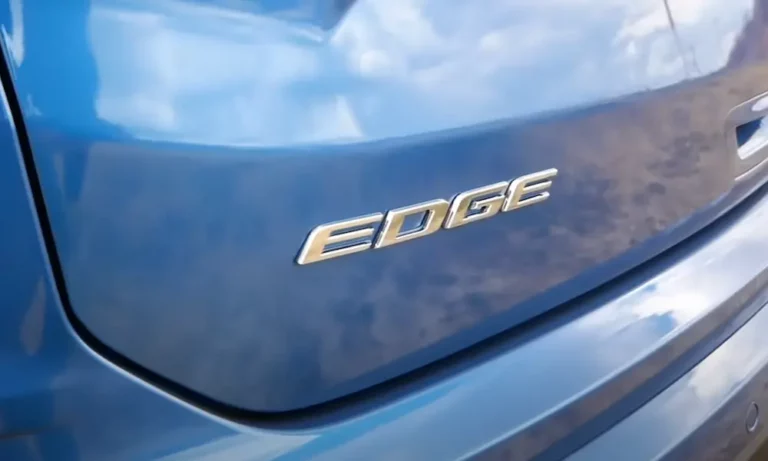
Thinking about buying a Ford Edge but wondering if it’ll be a dependable companion for years to come? You’re smart to check its reliability before signing on the dotted line. Let’s cut through the marketing talk and examine what real owners and experts say about this midsize SUV’s dependability.
Ford Edge Reliability: The Big Picture
The Ford Edge shows mixed reliability results, with newer models (especially post-2018) performing better than earlier versions. With an average annual maintenance cost of $611 according to RepairPal, it’s less expensive to maintain than many Ford vehicles. The Edge earns a 3.5 out of 5 reliability rating, placing it 21st among 32 car brands.
When properly maintained, many Edge engines can reach the 200,000-mile mark. However, specific model years and engine types have faced recurring issues that potential buyers should know about.
Best and Worst Ford Edge Years for Reliability
Not all Ford Edge model years are created equal. Some years shine while others have left owners frustrated with unexpected repairs.
Most Reliable Ford Edge Years
The 2014 Ford Edge stands out as one of the most reliable years with just three recalls and minimal complaints. It earned an impressive 84/100 reliability score from J.D. Power.
Recent models (2021-2024) have also shown improvements in reliability as Ford has addressed many previous issues. The 2024 model is predicted to offer above-average reliability by Consumer Reports, though some SYNC 4 connectivity problems persist.
Ford Edge Years to Avoid
The 2017-2020 model years are generally considered the least reliable, particularly those equipped with EcoBoost engines. These years account for over 500 NHTSA complaints related to powertrain issues, with problems often appearing around 73,500 miles and costing approximately $5,800 to repair.
The SYNC infotainment system in these models is also notorious for glitches, including frozen screens and Bluetooth connectivity problems.
Common Ford Edge Problems and Repair Costs
Understanding what might go wrong with your Edge helps you budget for potential repairs.
Engine and Transmission Issues
The 2.0L and 2.7L EcoBoost engines in second-generation models (2015-2024) have been known to suffer from coolant intrusion into the cylinders, which can lead to catastrophic engine failure. This problem is most common in 2017-2020 models.
The 3.5L V6 engine option, while less fuel-efficient, has proven more reliable long-term than the EcoBoost options.
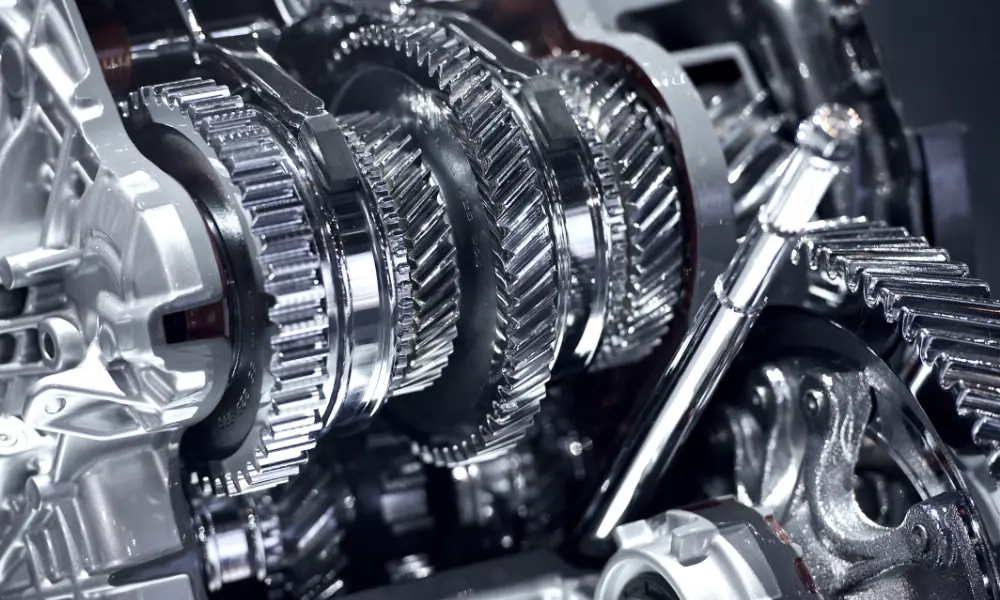
Transmission problems were common in earlier models, but the upgraded 8-speed transmissions in post-2018 Edges have largely addressed these concerns.
Electrical and Infotainment Problems
The SYNC infotainment system has been a consistent pain point across multiple Edge generations. Common complaints include:
- Unresponsive touchscreens
- Bluetooth pairing failures
- System crashes and reboots
- Connectivity issues with Android devices
Additionally, some owners report electrical problems with power door locks and erratic dashboard displays.
Typical Repair Costs
Here are some common Ford Edge repairs and their approximate costs:
- PCV valve replacement: $142-$203
- Wheel bearing replacement: $228-$363
- Cylinder head replacement (EcoBoost engines): $3,484-$4,351
How the Ford Edge Compares to Competitors
Reliability isn’t measured in a vacuum—how does the Edge stack up against similar SUVs?
The Honda Passport slightly outperforms the Ford Edge with an 8.7/10 reliability score compared to the Edge’s 8.6/10. More significantly, the Passport retains 58.3% of its value after five years, while the Edge only holds 49.7%.
The Toyota RAV4, especially in hybrid form, surpasses the Edge in both fuel efficiency (41 MPG combined) and predicted reliability scores. Toyota’s reputation for building long-lasting vehicles gives it an edge in this category.
| SUV Model | Reliability Score | 5-Year Value Retention | Average MPG (Combined) |
|---|---|---|---|
| Ford Edge | 8.6/10 | 49.7% | 21-23 MPG |
| Honda Passport | 8.7/10 | 58.3% | 20 MPG |
| Toyota RAV4 Hybrid | 9.1/10 | 60.2% | 41 MPG |
Ford’s Response to Reliability Issues
Ford has addressed many Edge reliability concerns through recalls and technical service bulletins:
- 2022 recalls fixed coolant leaks in EcoBoost engines and transmission control module errors
- In 2025, Ford recalled 64,531 vehicles for rearview camera failures and battery module defects
The company has also made continuous improvements to the SYNC system, though connectivity issues remain a source of frustration for some owners.
What Ford Edge Owners Love
Despite reliability concerns, many Edge owners are satisfied with their vehicles. Here’s what they consistently praise:
Interior Comfort and Space
The Edge offers generous passenger room and comfortable seating for long trips. The cabin is well-insulated from road noise, creating a pleasant driving environment.
Advanced Safety Features
Ford Co-Pilot360™ technology provides comprehensive safety features, including:
- Pre-collision assist with automatic emergency braking
- Blind spot information system
- Lane-keeping system
- Rear view camera
Smooth Ride Quality
The Edge delivers a composed and comfortable ride, absorbing road imperfections well. Long-term owners frequently mention this as a highlight of ownership.
How to Maximize Your Ford Edge’s Reliability
If you’ve decided on a Ford Edge or already own one, these tips will help maximize reliability:
Choose Wisely When Buying
- Consider a V6 model or a post-2020 EcoBoost model to avoid the worst of the engine problems
- 2014 and 2021-2024 model years generally offer better reliability
- Get a thorough pre-purchase inspection by a mechanic familiar with Ford vehicles
Maintenance is Key
- Follow Ford’s maintenance schedule religiously
- Pay special attention to coolant and transmission fluid changes
- Address small problems before they become major repairs
- Use quality parts and fluids for all service
Consider Extended Protection
An extended warranty might be worth considering, especially for models with the EcoBoost engine or if you plan to keep your Edge beyond the factory warranty period.
Is the Ford Edge Reliable Enough for You?
The Ford Edge can be a reliable SUV if you choose the right model year and maintain it properly. Here’s when it makes sense to buy one:
- You prioritize comfort, technology, and safety features
- You can avoid the problematic 2017-2020 model years
- You’re willing to follow a strict maintenance schedule
- You appreciate the Edge’s style and driving dynamics
On the other hand, if long-term reliability is your absolute top priority or you want class-leading fuel efficiency, alternatives like the Honda Passport or Toyota RAV4 might better meet your needs.
Remember that individual experiences can vary widely—some owners report trouble-free driving well beyond 150,000 miles, while others face significant repair bills much earlier. Your driving habits, maintenance schedule, and sometimes just luck will influence how reliable your Edge turns out to be.
The Edge isn’t perfect, but for many drivers, its combination of features, comfort, and style outweigh its potential reliability challenges.