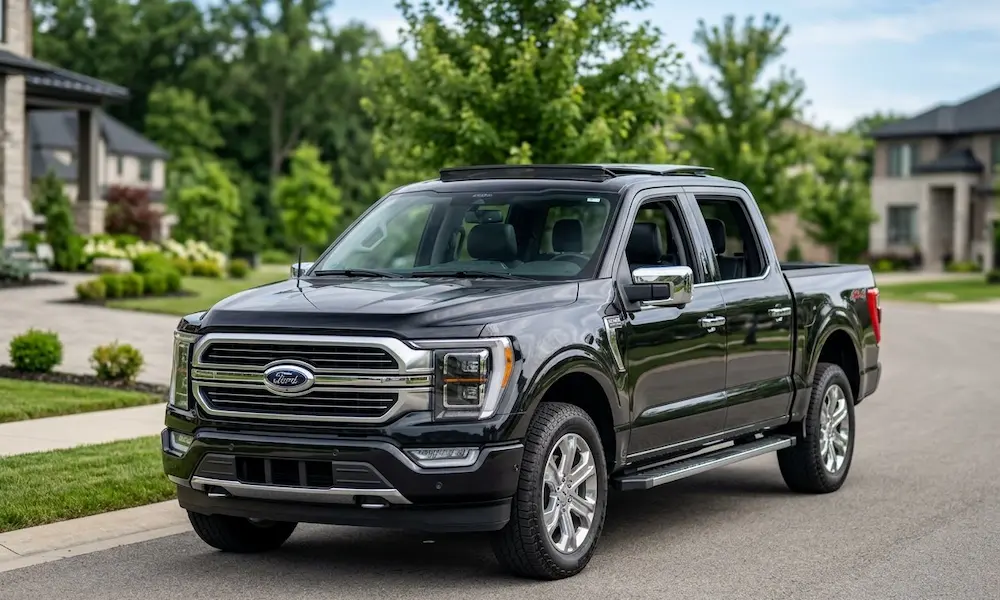
Looking for a workhorse pickup that won’t let you down? The Ford F-150 has been America’s bestselling truck for decades, but its reliability reputation isn’t quite so straightforward. If you’re weighing whether an F-150 deserves your hard-earned money, you’ll want the real story on what breaks, what lasts, and which model years to target (or avoid).
Ford F-150 Reliability: The Big Picture
Ford F-150s generally offer above-average reliability compared to other full-size trucks, but performance varies significantly depending on what’s under the hood and when it was built. While some F-150s have crossed the 300,000-mile mark without major issues, others have left owners with hefty repair bills by 100,000 miles.
According to RepairPal, the F-150 earns a 3.5/5 reliability score, placing it 7th out of 17 full-size trucks. With average annual repair costs of $788, it’s about 16% cheaper to maintain than typical trucks in its class.
The Aluminum Advantage: Body and Frame Durability
One of the F-150’s standout reliability features is its military-grade aluminum-alloy body, introduced in 2015. This innovative design:
- Reduced weight by approximately 700 pounds
- Significantly improved corrosion resistance
- Virtually eliminated traditional rust issues
Owners in snowy, salt-heavy regions particularly appreciate this benefit, reporting fewer rust problems compared to steel-bodied competitors. The aluminum body pairs with a high-strength steel frame to maintain impressive payload capacity (up to 3,325 lbs) and towing capabilities (up to 13,500 lbs).
Engine Reliability: Best and Worst Options
Your F-150’s engine choice dramatically affects long-term reliability. Here’s how the most common options stack up:
5.0L Coyote V8: The Reliability Champion
The naturally-aspirated 5.0L V8 consistently ranks as the most reliable F-150 engine. Reddit users praise its:
- Straightforward design with fewer failure points
- Excellent longevity (many surpassing 200,000 miles with basic maintenance)
- Lower repair costs when issues do arise
3.5L EcoBoost V6: Powerful but Problematic
The turbocharged 3.5L EcoBoost delivers impressive performance but comes with reliability concerns:
- Timing chain tensioner failures (the infamous “death rattle”)
- Carbon buildup on intake valves
- Intercooler condensation issues in humid climates
- Turbocharger failures ($4,000-6,500 to replace)
These issues are particularly common in 2011-2016 models, with some improvement in later years.
2.7L EcoBoost V6: The Middle Ground
The smaller EcoBoost provides a better balance of power and reliability:
- Fewer reported issues than the 3.5L version
- Good fuel efficiency for a truck
- Less complex cooling system design
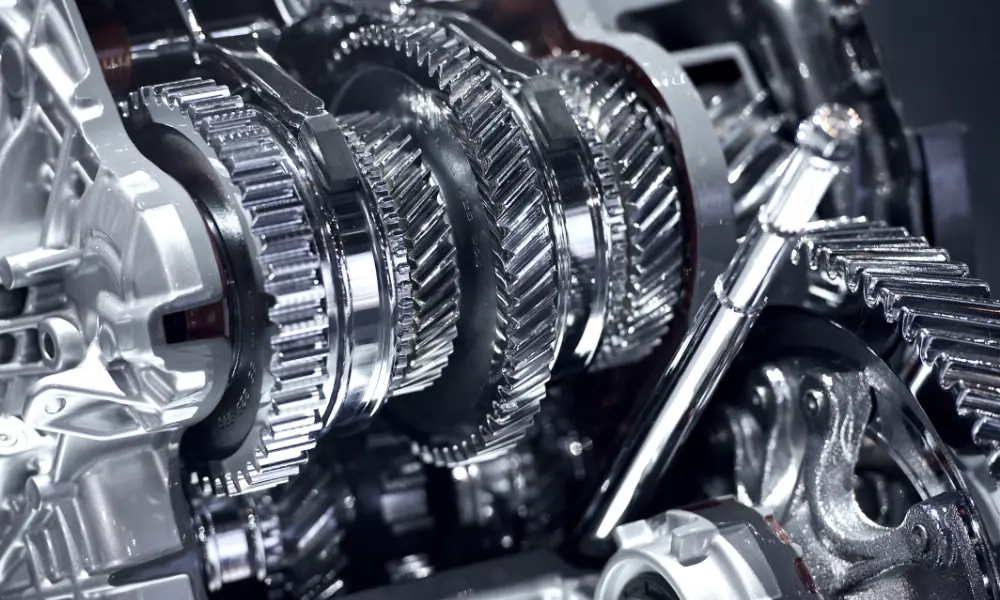
Transmission Troubles: A Persistent Weak Point
Transmissions represent one of the F-150’s most consistent reliability challenges:
6-Speed Automatic (2011-2014)
These earlier transmissions frequently develop:
- Hard shifting and slipping
- Lead frame failures
- Complete failures requiring $2,000-4,000 replacements
10-Speed Automatic (2017-Present)
While improved, these newer transmissions still struggle with:
- Delayed engagement, particularly when cold
- “Hunting” between gears at highway speeds
- Software calibration issues
The National Highway Traffic Safety Administration (NHTSA) has investigated multiple F-150 transmission problems, including a major recall affecting 1.3 million trucks for unintended downshifting issues.
Electrical Gremlins Plague Recent Models
Modern F-150s pack impressive technology, but with complexity comes reliability concerns. Owners of 2021-2024 models frequently report:
- SYNC 4 infotainment crashes requiring system reboots
- Battery drain issues that leave trucks dead after sitting briefly
- False alerts from safety systems
- Electrical shorts in wiring harnesses
These problems, while rarely catastrophic, create frustrating ownership experiences and contribute to higher-than-average dealer visits.
Best and Worst F-150 Model Years
Not all F-150s are created equal. Here’s a breakdown of which years to seek out and which to avoid:
Years to Avoid
| Model Years | Common Issues | Typical Repair Costs |
|---|---|---|
| 2004-2008 | Spark plug ejection (5.4L), cam phaser failures | $1,500-3,000 |
| 2011-2013 | Transmission failures, MyFord Touch glitches | $2,000-4,000 |
| 2015-2017 | Unintended downshifting, brake master cylinder leaks | $1,000-2,500 |
| 2021 | Early electrical issues, battery drain | $500-1,500 |
Best Model Years
| Model Years | Strengths | Reliability Score |
|---|---|---|
| 2009-2010 | Low complaint rates, robust 4.6L V8 | 4.0/5 |
| 2018-2020 | Refined 10-speed, resolved EcoBoost timing issues | 3.8/5 |
| 2022-2023 | Improved electrical systems, better J.D. Power scores | 3.7/5 |
According to J.D. Power’s 2025 Vehicle Dependability Study, Ford has made significant strides in reliability, climbing 10 spots to rank 13th among all automakers.
How F-150 Reliability Compares to Rivals
The F-150’s reliability picture becomes clearer when compared to its competitors:
F-150 vs. Chevrolet Silverado
- Similar overall reliability ratings
- F-150 offers better corrosion resistance
- Silverado has fewer transmission issues and better resale value
- Silverado retains 60% of value after 5 years vs. 55% for F-150
F-150 vs. Ram 1500
The Ram 1500 vs F-150 reliability comparison shows:
- Both earn 3.5/5 reliability scores from RepairPal
- Ram’s 8-speed transmission proves more durable
- F-150’s aluminum body resists corrosion better
- Ram costs less for brake and suspension repairs
F-150 vs. Toyota Tundra
- Tundra dominates longevity metrics with 3.7% reaching 200,000 miles (vs. 1.8% for F-150)
- Tundra requires fewer repairs but costs more when service is needed
- F-150 offers more powertrain options and better fuel economy
- Tundra’s simpler designs contribute to fewer electronic issues
Real-World F-150 Reliability: What Owners Say
Truck owners provide the most honest reliability assessments:
“My 2018 with the 5.0 has 157,000 miles with zero issues besides basic maintenance. I’ll definitely buy another one.” – F-150 Forum user
“The EcoBoost is great when it works, but I’m on my second turbo at 112k miles. Each replacement runs about $4,000.” – Reddit F-150 owner
“My 2022 has been in for electrical issues three times in 18 months. The infotainment screen randomly goes black while driving.” – Cars.com reviewer
Maintenance: The Key to F-150 Longevity
Proper maintenance dramatically improves F-150 reliability. Follow these critical service intervals:
| Mileage | Essential Maintenance | Approximate Cost |
|---|---|---|
| 7,500 | Oil/filter change, tire rotation | $100-150 |
| 30,000 | Air filter, transmission inspection | $200-300 |
| 60,000 | Transmission fluid change, spark plugs (non-EcoBoost) | $400-600 |
| 100,000 | Timing chain inspection (EcoBoost), cooling system flush | $300-1,500 |
Smart Shopping: Finding a Reliable F-150
If you’re in the market for an F-150, follow these guidelines to maximize reliability:
For New F-150 Buyers:
- Choose the 5.0L V8 or 2.7L EcoBoost for better reliability
- Consider the base XLT trim, which historically has fewer electronic issues
- Get the extended Ford Protect powertrain warranty ($1,500-3,500)
- Avoid first model years after redesigns (like 2021)
For Used F-150 Shoppers:
- Target 2018-2020 models for the best reliability/value balance
- Look for trucks with complete maintenance records
- Check for recalls and verify completion with Ford’s recall tool
- Get a pre-purchase inspection focusing on transmission performance and EcoBoost turbochargers
The Bottom Line: Are Ford F-150s Reliable?
The F-150 offers above-average reliability compared to other full-size trucks, but with important caveats. Your experience will largely depend on:
- Engine choice (V8 models typically outlast EcoBoost variants)
- Model year (2018-2020 and 2022-2023 are standouts)
- Maintenance discipline
- Expected ownership duration
For buyers who prioritize maximum reliability, the Toyota Tundra remains the safer choice. However, an F-150 with the right powertrain and proper maintenance can deliver 200,000+ miles of dependable service while offering superior technology, fuel efficiency, and towing capability.
The F-150’s aluminum body provides a genuine reliability advantage, even as its complex powertrains and electronics present occasional challenges. By choosing wisely and maintaining diligently, you can enjoy America’s bestselling truck with confidence.