Is your Ford Escape showing a check engine light? Experiencing rough idling or struggling to start after refueling? You might have a failing purge valve. This essential component helps control emissions, and when it goes bad, it can cause numerous problems with your vehicle’s performance.
What Is a Purge Valve and Why Does It Matter?
A purge valve (also called canister purge valve or solenoid) is part of your Ford Escape’s evaporative emission control (EVAP) system. It controls the flow of fuel vapors from the fuel tank to the engine, preventing harmful emissions from escaping into the atmosphere.
When working correctly, the purge valve:
- Captures fuel vapors in a charcoal canister
- Opens at specific times to allow these vapors into the engine
- Closes to maintain proper vacuum and pressure in the fuel system
But when it fails? That’s when problems start.
Signs of a Bad Purge Valve in Your Ford Escape
How do you know if your purge valve needs replacing? Look for these telltale symptoms:
Check Engine Light
The most common warning sign is a illuminated check engine light with specific error codes. The most frequent codes include:
- P0456: Small EVAP system leak
- P0441: Incorrect purge flow
- P1450: Unable to bleed fuel tank vacuum
- P0496: Excessive purge flow
Starting and Performance Issues
Beyond dashboard warnings, you might notice:
- Hard starting after refueling
- Rough or unstable idle
- Decreased fuel economy
- Stalling at stops
- Unusual vapor smell around the vehicle
If you’ve experienced any combination of these symptoms, it’s time to check your purge valve.
Locating the Purge Valve on Different Ford Escape Models
The purge valve’s location varies depending on your Escape’s engine type:
1.5L EcoBoost Engines (2017-2025)
Found near the firewall on a bracket, typically integrated into a complex hose assembly. You’ll need to remove the air intake duct for access.
2.0L EcoBoost Engines (2013-2025)
Located deeper in the engine bay, often buried beneath parts of the intake manifold. This makes it one of the more challenging configurations to access.
2.5L Duratec Engines (2013-2020)
The most accessible placement – you’ll find it in the upper section of the engine bay, making replacement relatively straightforward.
Tools You’ll Need for the Job
Before starting, gather these tools and supplies:
- OBD-II scanner (to read/clear codes)
- Socket set (8mm and 10mm sockets particularly useful)
- Torx driver set (especially T20)
- Pliers
- Flexible pick tool
- Shop rags
- Safety glasses
- Replacement purge valve (options discussed below)
- Optional: flexible magnet tool for retrieving dropped parts
Step-by-Step Purge Valve Replacement for Ford Escape
Preparation Steps
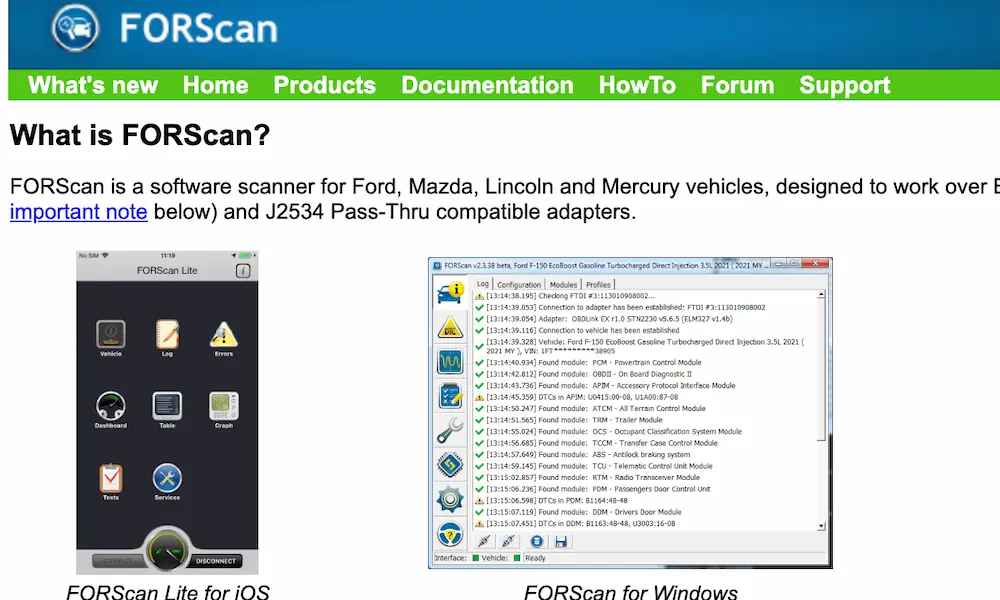
- Scan for codes: Connect an OBD-II scanner to confirm the purge valve is the issue.
- Disconnect the battery: Loosen and remove the negative terminal from your battery.
- Relieve fuel pressure: Remove the fuel cap to release any pressure in the system.
Replacement Process for 1.5L EcoBoost Engines
- Remove the air intake assembly: Loosen the clamps and detach the air intake duct to gain access.
- Disconnect electrical components: Locate the purge valve’s electrical connector (it has a red locking tab) and carefully disconnect it.
- Release the quick-connect fittings: Using a 90° pick tool, release the four quick-connect fittings (look for green and white locks).
- Remove mounting hardware: Use your 10mm socket to unbolt the mounting bracket holding the valve in place.
- Extract the old purge valve: Carefully remove the valve assembly, noting how the hoses are routed.
- Install the new purge valve: Position the new valve and reconnect the hoses in the correct orientation.
- Secure the mounting bracket: Reinstall and tighten the mounting bolts.
- Reconnect electrical connector: Make sure it clicks securely in place.
- Reinstall the air intake: Reverse the disassembly process to put everything back together.
Replacement Process for 2.0L EcoBoost Engines
The 2.0L engines require more disassembly:
- Remove the cowl panel and wiper arms: This gives you better upper access to the engine bay.
- Partially remove the intake manifold: Follow your vehicle’s specific procedure as this is more complex.
- Locate the purge valve: It’s typically buried beneath the upper intake components.
- Disconnect the electrical connector and hoses: Work carefully in the tight space.
- Remove the old valve: You might need a flexible magnet to retrieve dropped fasteners near the firewall.
- Install new valve: When reconnecting hoses, note that OEM hose assemblies often use one-time clamps, so full hose replacement may be necessary.
Replacement Process for 2.5L Duratec Engines
The most straightforward procedure:
- Release the airbox lid: Remove the 7mm screws securing it.
- Disconnect electrical and vacuum lines: Carefully detach the valve’s electrical connector and the two vacuum lines.
- Remove mounting hardware: Take out the two 8mm bolts that secure the valve bracket.
- Replace the valve: Install the new unit, reconnect all components, and secure the mounting bolts.
OEM vs. Aftermarket Parts: What to Buy
You have several options when choosing a replacement purge valve:
| Part Option | Price Range | Pros | Cons |
|---|---|---|---|
| Motorcraft GV6Z-9D289-F (OEM) | $112-$150 | Includes hoses and bracket; factory quality | Higher cost |
| Dorman 913-430 (Aftermarket) | $63-$85 | Lower price | Valve-only design; requires hose cutting |
| Standard Motor Products VP338 | $48-$60 | Direct-fit for 2.5L models | May not include all necessary components |
For 1.5L and 2.0L EcoBoost engines, the OEM assembly (GV6Z-9D289-E) includes pre-attached hoses, while aftermarket kits like the Dorman 913-430 might require cutting and splicing.
Post-Replacement Testing and Verification
After installing your new purge valve, follow these steps to ensure proper operation:
- Reconnect the battery: Reattach the negative terminal.
- Clear error codes: Use your OBD-II scanner to clear any stored codes.
- Perform a smoke test: If you have access to a smoke machine, verify there are no leaks in the system.
- Complete a drive cycle: Drive for 15-30 minutes combining city and highway conditions to let the system complete its self-tests.
- Recheck for codes: Scan again to ensure no codes return.
A properly functioning valve should cause a slight RPM drop when activated during testing.
Common Mistakes to Avoid
Don’t fall victim to these common purge valve replacement errors:
Incorrect Hose Connections
Swapping the purge and vent lines will trigger immediate check engine lights. Take photos before disassembly or mark hoses clearly.
Damaged Electrical Connectors
Forcing the electrical connector can break the solenoid’s plastic housing. Use gentle pressure and ensure proper alignment.
Incomplete Vacuum Line Connections
Ensure all quick-connect fittings click fully into place. Partial connections will leak and trigger codes.
Ignoring Related Components
While replacing the valve, inspect nearby hoses for cracks or damage, especially in cold climates where rubber becomes brittle.
Impact on Performance and Emissions
Fixing a bad purge valve isn’t just about clearing that annoying check engine light. A malfunctioning valve can:
- Increase hydrocarbon emissions by 4-6 times EPA thresholds
- Reduce fuel economy by 10-15% due to improper air/fuel mixture
- Cause engine performance issues including rough idle and stalling
- Potentially damage other components if left unfixed
The small investment in time and parts pays off in better performance, fuel economy, and environmental impact.
Preventive Maintenance Tips
To avoid future purge valve problems:
- Avoid “topping off” at the pump: This can flood the charcoal canister with liquid fuel, damaging the system.
- Check for related codes early: Don’t ignore that check engine light—early detection can prevent more serious issues.
- Inspect hoses biannually: Look for cracks or damage near the valve, especially if you live in a cold climate.
- Use quality fuel: Lower-quality gas can create more deposits and stress the EVAP system.
When You Might Need Professional Help
While purge valve replacement is often DIY-friendly, consider professional help if:
- You’ve replaced the valve but codes persist
- You don’t have access to the specialized tools needed
- Your particular model has a valve that’s difficult to access (especially some 2.0L EcoBoost configurations)
- You discover additional damage to related components
A qualified mechanic with Ford experience can diagnose more complex EVAP system issues using specialized equipment like smoke machines and advanced scanners.
Are There Related Components to Check?
While replacing your purge valve, it’s wise to inspect these related components:
- EVAP canister: Located near the fuel tank, it can become saturated or damaged
- Fuel cap: A damaged or loose cap can trigger the same codes
- Pressure sensor: Often works in conjunction with the purge valve
- Vapor lines and hoses: Check for cracks, especially at connection points
Many Ford Escape owners find that addressing the entire EVAP system during purge valve replacement prevents future issues and provides a more complete fix.
Final Thoughts
Replacing a Ford Escape purge valve can be a straightforward weekend project with the right tools and information. By following this guide, you’ll save on repair costs while addressing performance issues and ensuring your vehicle remains environmentally compliant.
Most importantly, you’ll resolve those frustrating symptoms like hard starts, rough idles, and check engine lights that come from a faulty purge valve—getting your Escape back to running the way it should.