Looking for a budget-friendly compact car but concerned about reliability? The Ford Fiesta has been a popular choice for years, but its dependability record tells a complex story. Before you sign on the dotted line, let’s dive into what makes these small cars tick—and sometimes break down. This guide will help you decide if a Fiesta deserves a spot in your garage.
Ford Fiesta Reliability: The Quick Answer
Ford Fiestas have average reliability compared to competitors, scoring 4.0/5 from RepairPal and ranking 15th out of 21 subcompact cars. While newer models (2017+) show improvement, older Fiestas (especially 2011-2014) suffer from significant transmission problems. With proper maintenance, Fiestas can reach 135,000+ miles, though they typically don’t match the longevity of Japanese rivals.
Ford Fiesta Reliability Ratings
When shopping for a used Fiesta, understanding how it stacks up against competitors is crucial. The Fiesta’s reliability scores vary by source but generally place it in the middle of the pack.
According to the 2023 What Car? Reliability Survey, the Ford Fiesta ranked 12th out of 19 small cars with a score of 94.9%, dropping slightly to 92% in their 2024 update. iSeeCars gives the Fiesta an 8/10 reliability rating, placing it 14th out of 43 small cars analyzed.
RepairPal rates the Fiesta 4.0 out of 5 for reliability, ranking it 15th among 21 subcompact cars. This middle-of-the-road performance suggests the Fiesta isn’t the most reliable option in its class, but it’s far from the worst.
How Long Do Ford Fiestas Last?
Wondering if a Fiesta will go the distance? Here’s what the data tells us:
- Average lifespan: 135,815 miles
- Chance of reaching 200,000 miles: 7.3%
- Typical annual repair cost: $552
These numbers show that while many Fiestas provide decent service life, they don’t typically achieve the impressive longevity of competitors like the Toyota Yaris (150,000+ miles) or Honda Fit (which has a higher chance of reaching the 200,000-mile mark).
Ford as a brand has been making reliability improvements, climbing 10 places in J.D. Power’s 2025 U.S. Vehicle Dependability Study. This suggests newer Fiestas may perform better than their predecessors.
Most Common Ford Fiesta Problems
Every car has its weak points—here are the issues you’re most likely to encounter with a Fiesta:
1. Transmission Failures
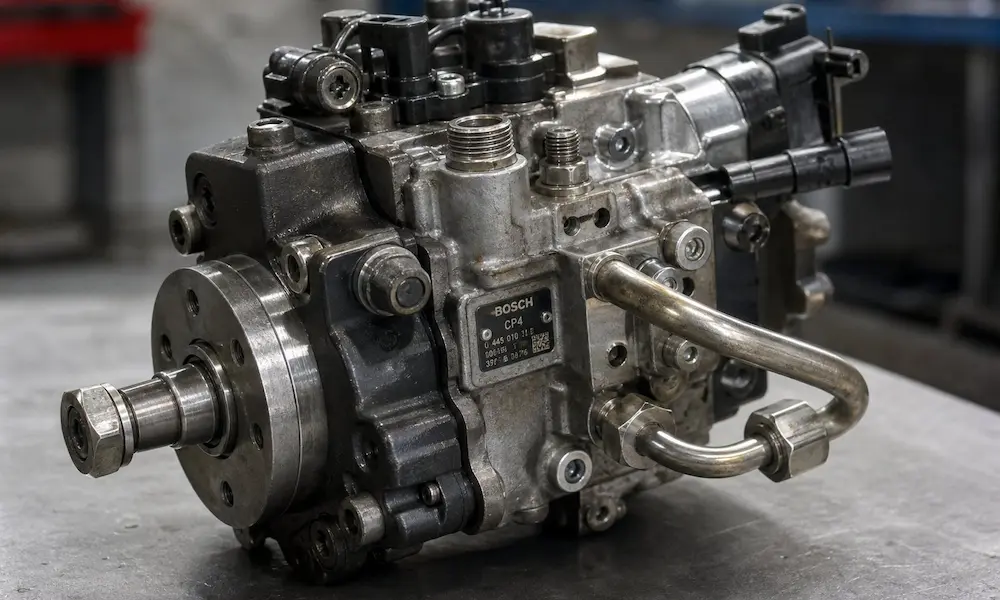
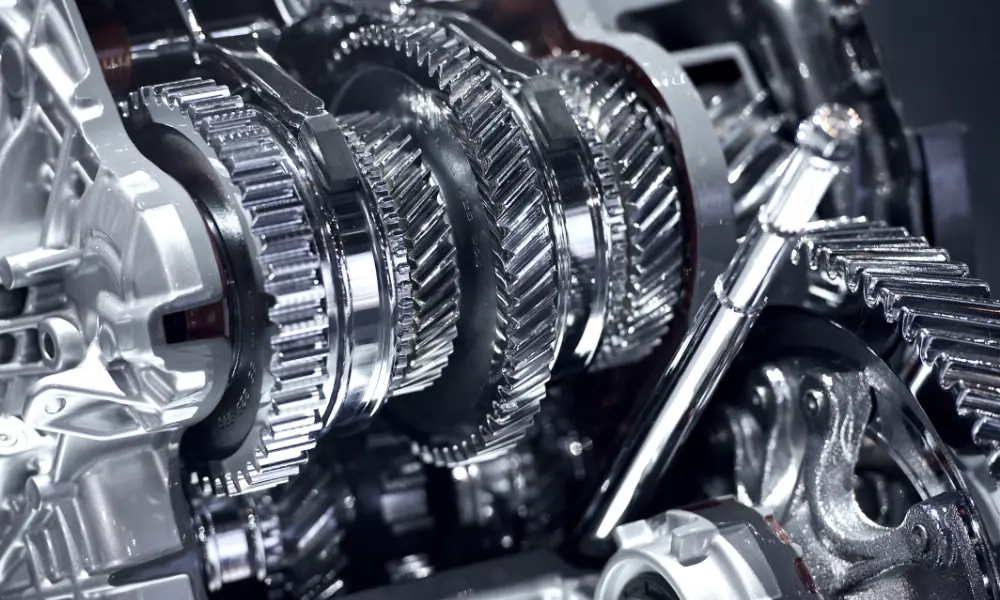
The most notorious Fiesta problem affects models equipped with the PowerShift dual-clutch automatic transmission, particularly from 2011-2014. Owners report:
- Shuddering and hesitation during acceleration
- Sudden jerking when changing gears
- Complete transmission failure
This issue is so prevalent that 17% of all reported Fiesta transmission problems come from the 2011 model year alone, with an average repair cost of $3,400 occurring around 67,000 miles.
2. Engine and Cooling System Issues
The 1.0-liter EcoBoost engine, while fuel-efficient, has its own set of problems:
- Coolant leaks from faulty nylon pipes (especially in 2009-2017 models)
- Overheating due to coolant system failures
- Turbocharger failures in EcoBoost variants (repair costs exceeding $1,300)
Ford issued recalls for some cooling system problems, but it’s essential to verify that these repairs have been completed on any used Fiesta you’re considering.
3. Electrical Problems
Electrical gremlins affect 11.83% of Fiesta owners, with repair costs averaging around $430. Common issues include:
- Malfunctioning infotainment systems
- Erratic dashboard warning lights
- Electronic power steering failures linked to faulty sensors
4. Suspension and Steering Concerns
Suspension components in the Fiesta tend to wear out, causing:
- Knocking noises when driving over bumps
- Premature bushing and shock absorber degradation
- Handling issues as the car ages
These problems represent about 33.5% of warranty claims, with average repair costs around $250.
Best and Worst Ford Fiesta Years for Reliability
Not all Fiestas are created equal. Here’s how different model years stack up:
Avoid These Years (Least Reliable)
2011-2014 Models: These years are plagued by transmission failures, door latch recalls, and coolant leaks. If you’re shopping used, steer clear of these problematic years unless the car has documented transmission replacements or repairs.
The 2011 Fiesta is particularly notorious, with owners reporting major transmission problems at relatively low mileages (often before 70,000 miles).
Consider These Years (Most Reliable)
2017-2024 Models: Newer Fiestas show significant reliability improvements. The 2019 Fiesta ST variant, with its 1.5-liter turbocharged engine, receives particularly positive reviews for balancing performance and dependability.
The 2024 model scored 92% in What Car?’s reliability survey, reflecting Ford’s incremental improvements to the platform before discontinuing the model.
Ford Fiesta vs. Competitors: Reliability Comparison
How does the Fiesta stack up against its rivals? This comparison table highlights the key differences:
| Model | Reliability Score | Avg. Annual Repair | Chance of Major Repair | Avg. Lifespan |
|---|---|---|---|---|
| Ford Fiesta | 4.0/5 | $552 | 12% | 135,815 miles |
| Honda Fit | 4.5/5 | $390 | 8% | 150,000+ miles |
| Toyota Yaris | 4.5/5 | $310 | 5% | 150,000+ miles |
| VW Polo | 3.5/5 | $575 | 14% | 130,000 miles |
The numbers tell a clear story: while the Fiesta isn’t unreliable, it doesn’t match the exceptional dependability of Japanese competitors like the Honda Fit and Toyota Yaris. However, it generally performs better than European rivals like the Volkswagen Polo.
Repair and Maintenance Costs
Owning a Fiesta means budgeting for upkeep. Here’s what you can expect:
- Average annual repair cost: $552
- Repair shop visits per year: 0.4 (matching the subcompact car average)
- Chance of severe repairs: 12% (slightly above the segment average of 11%)
Transmission repairs are by far the most expensive issue, averaging $3,400 for a replacement. Other common repairs include:
- Clutch replacement (manual models): $800-1,200
- Cooling system repairs: $300-800
- Suspension work: $250-500
- Electrical diagnostics and repairs: $250-430
Signs of Trouble: When Your Fiesta Needs Attention
Watch for these warning signs that your Fiesta is developing problems:
- Transmission issues: Shuddering during acceleration, delayed engagement when shifting from park to drive, grinding noises
- Cooling problems: Temperature gauge reading high, sweet smell (coolant leak), visible coolant puddles under the car
- Electrical gremlins: Flickering lights, unresponsive infotainment system, dashboard warnings that appear and disappear
- Suspension concerns: Knocking sounds over bumps, excessive bouncing, uneven tire wear
Addressing these issues promptly can prevent more expensive repairs down the road.
Tips for Buying a Used Ford Fiesta
If you’re set on purchasing a Fiesta, these tips will help you find a reliable example:
1. Choose Manual Over Automatic
The manual transmission Fiestas are significantly more reliable than those equipped with the problematic PowerShift automatic. If you can drive stick, this choice alone will save you from the most common and expensive Fiesta headaches.
2. Verify Recall Repairs
Several important recalls have affected the Fiesta over the years:
- Fuel pump failures (2014-2015 models): Improper nickel plating caused pump failures
- Faulty door latches (2011-2014 models): Latches could break, causing doors to open unexpectedly
- Coolant system issues (various years)
Ask for documentation proving these recalls have been addressed before purchasing.
3. Look for Consistent Maintenance Records
A well-maintained Fiesta will be significantly more reliable than one that’s been neglected. Look for:
- Oil changes every 5,000-7,500 miles
- Transmission fluid services (especially important for automatic models)
- Timing belt replacement (on models with timing belts rather than chains)
4. Consider Model Year Carefully
As mentioned earlier, 2011-2014 models suffer from the most issues, while 2017 and newer Fiestas benefit from Ford’s quality improvements. The sweet spot for reliability and value may be 2018-2019 models, which have most of the bugs worked out while offering modern features.
5. Budget for Potential Repairs
Even with careful selection, be prepared for higher maintenance costs than you’d face with a Honda or Toyota competitor. Smart buyers set aside $500-600 annually for maintenance and repairs.
Extending Your Fiesta’s Life: Maintenance Tips
Follow these tips to maximize your Fiesta’s reliability and longevity:
- Stay ahead of oil changes: Don’t push beyond the recommended intervals
- Watch transmission fluid quality: For automatic models, have the fluid checked regularly
- Keep an eye on coolant levels: Check monthly to catch leaks early
- Address minor issues promptly: Small problems often cascade into major failures if ignored
- Use quality parts: Aftermarket components vary widely in quality; OEM or reputable aftermarket brands will provide better longevity
Real Owner Experiences
Fiesta owners report mixed experiences, with satisfaction often tied to transmission type and model year:
“My 2018 Fiesta with the manual transmission has been rock solid for 65,000 miles. Great gas mileage and fun to drive.” – Mark S., Fiesta owner
“Worst car purchase ever. My 2013 automatic needed a new transmission at 45,000 miles, then again at 89,000. Ford should have recalled these cars completely.” – Jennifer T., former Fiesta owner
“The ST model is incredible—fast, fun, and surprisingly reliable. Just keep up with regular maintenance and it’ll treat you right.” – Carlos M., 2019 Fiesta ST owner
The Verdict: Are Ford Fiestas Reliable?
The Ford Fiesta offers average reliability compared to its competitors, with significant variation based on model year and transmission type. Here’s the bottom line:
- The good: Affordable purchase price, excellent fuel economy, fun driving dynamics, improved reliability in later model years
- The bad: Serious transmission issues in 2011-2014 automatics, cooling system problems, higher repair costs than Japanese rivals
If you’re shopping for a Fiesta, opt for a 2017 or newer model with a manual transmission for the best reliability. Avoid 2011-2014 automatic models unless they’ve had documented transmission replacements under warranty.
While the Fiesta won’t match the legendary reliability of a Toyota Yaris or Honda Fit, a well-maintained example from a good model year can provide enjoyable, reasonably dependable transportation for commuting and city driving. Just budget for somewhat higher maintenance costs and be vigilant about addressing small issues before they become big problems.