Thinking about buying a Ford Focus but worried about ending up with a money pit? You’re in the right place. The Focus has had a rollercoaster reputation over its two-decade production run, with some model years earning gold stars while others became notorious for problems. Let’s cut through the noise and examine what makes some Focus models shine while others stumble.
The Ford Focus Reliability Scorecard
The Focus sits squarely in the middle of the reliability pack for compact cars. According to RepairPal, it earned a 4.0 out of 5.0 reliability rating, ranking 27th out of 36 compact cars. That’s not stellar, but it’s not terrible either.
What’s particularly interesting is how dramatically reliability varies across different model years and transmission types. Some Focus owners enjoy years of trouble-free driving, while others face recurring issues that test their patience and wallets.
The Good, Bad, and Ugly: Focus Reliability by Generation
First Generation (2000-2007): Decent Starter Cars
The original Focus established Ford’s reputation in the compact segment with:
- Generally solid engine reliability
- Simple mechanical design that’s easy to repair
- Common issues include suspension components wearing prematurely
These models are now aging, but they represented a decent value proposition when new. Most problems were relatively affordable to fix compared to today’s more complex vehicles.
Second Generation (2008-2011): The Golden Years
This period represents what many consider the most reliable Focus models:
- Improved build quality over first-generation models
- Fewer reported transmission issues
- More refined powertrains with better durability
If you’re shopping used, these model years often provide the best balance of modern features and reliability for the money.
Third Generation (2012-2018): The Troublemakers
Here’s where things went sideways—literally, for some unfortunate owners. The 2012-2014 models in particular earned a reputation for significant problems:
- The infamous PowerShift dual-clutch automatic transmission became the subject of multiple NHTSA investigations due to shuddering, jerking, and premature failure
- Transmission issues so widespread that Ford extended warranties and faced lawsuits
- Owners reporting multiple clutch replacements, often within the first 60,000 miles
According to consumer reviews on Cars.com, many 2014 Focus owners expressed frustration with transmission performance and dealer service experiences.
Later Models (2015-2019): Incremental Improvements
Ford gradually addressed many issues in later production years:
- Post-2015 models received transmission software updates that helped reduce problems
- The 2018-2019 models show marked reliability improvements across most systems
- Manual transmission variants avoided many of the automatic transmission headaches entirely
The Transmission Saga: Understanding the PowerShift Problems
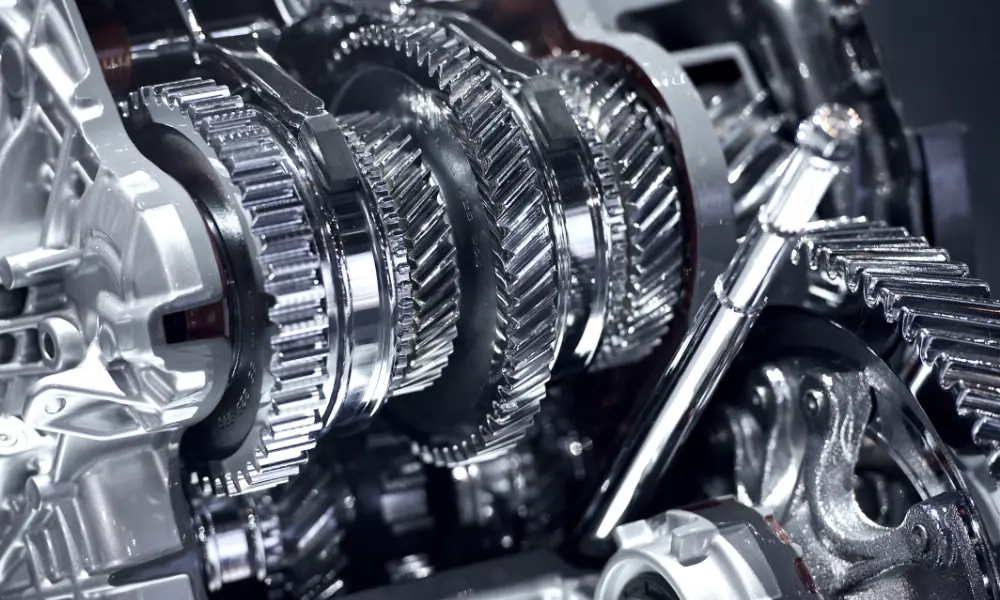
The PowerShift dual-clutch automatic transmission stands out as the Focus’s most problematic component. This dry-clutch design, created for fuel efficiency, became the source of endless headaches.
Common symptoms include:
- Hesitation during acceleration
- Shuddering or vibration, especially at low speeds
- Grinding noises during shifts
- Complete transmission failure requiring replacement
According to CarParts.com, transmission issues account for about 23% of all Focus repairs, with replacement costs often exceeding $1,500 when out of warranty.
A crucial insight: manual transmission Focus models largely avoid these problems and show reliability comparable to competitors like the Mazda 3.
Engine Reliability: A Brighter Spot
The Focus engine lineup generally performs better than its transmissions:
1.0L EcoBoost Engines:
- Good fuel economy (up to 40 MPG)
- Generally reliable when properly maintained
- Require timing belt replacement every 60-80,000 miles to avoid potential catastrophic failure
2.0L Engines:
- More durable than the turbocharged options
- Simpler design with fewer potential failure points
- Occasional issues with carbon buildup in direct-injection variants
Petrol variants (especially the 1.0L EcoBoost) tend to outperform diesel models in long-term reliability, though the wet belt timing systems require vigilant maintenance.
Repair Costs and Frequency: What to Budget
The Focus isn’t the cheapest compact to maintain, but it’s not the most expensive either.
| Repair Type | Average Cost | Typical Mileage |
|---|---|---|
| Transmission Clutch | $1,500-2,200 | 60,000-90,000 miles |
| Timing Belt | $500-700 | 60,000-80,000 miles |
| Fuel Pump | $300-800 | 100,000+ miles |
| Suspension Components | $200-600 | 80,000+ miles |
Annual repair costs average about $569 for the Focus compared to the compact car average of $526. The probability of major repairs is 13% annually, slightly higher than the 11% average for this class.
Ford’s Quality Improvement Journey
Ford hasn’t been resting on its laurels. The company climbed 10 places in J.D. Power’s 2025 U.S. Vehicle Dependability Study, reflecting broader quality enhancements across its lineup.
This upward trajectory suggests Ford is addressing quality issues, though older Focus models obviously won’t benefit from these improvements.
Owner Experiences: The Real-World Test
Owner reviews reveal interesting patterns:
What Owners Love
- Fuel efficiency (particularly in later models)
- Handling and driving dynamics
- Feature content for the price point
- ST and RS performance models’ reliability and fun factor
Common Complaints
- Transmission problems (primarily in automatics)
- Extended wait times for parts during repairs
- Electrical glitches in models with more advanced tech
- Lower resale values compared to Japanese competitors
Even some post-2015 models still exhibit occasional transmission quirks, though less severely than earlier model years.
The Focus vs. Competitors: How It Stacks Up
How does the Focus compare to its rivals in the reliability department?
| Vehicle | Average Annual Repair Cost | Reliability Score (RepairPal) |
|---|---|---|
| Ford Focus | $569 | 4.0/5 |
| Honda Civic | $368 | 4.5/5 |
| Toyota Corolla | $362 | 4.5/5 |
| Mazda 3 | $433 | 4.0/5 |
| Chevrolet Cruze | $545 | 4.0/5 |
This comparison shows the Focus costs more to maintain than Japanese competitors but performs similarly to domestic rivals like the Cruze.
In Consumer Reports’ used-car rankings, Ford places mid-pack, with the Focus outperforming the Chevrolet Cruze but falling short of the Mazda3 and Japanese stalwarts.
The Most Reliable Focus Models Worth Buying
If you’re shopping for a used Focus, these combinations offer the best reliability profile:
Best Bets:
- 2009-2011 models (second generation) with manual transmissions
- 2017-2018 models with manual transmissions
- Any model year with the standard 2.0L engine and manual transmission
Approach With Caution:
- 2012-2014 models with automatic transmissions
- Early 1.0L EcoBoost engines without service records
- Any Focus with high mileage and an automatic transmission
Long-Term Ownership: What to Expect
Many Focus owners keep their cars well beyond the warranty period. Here’s what to expect as the miles pile up:
50,000-75,000 miles:
- Transmission issues typically emerge in problematic model years
- Suspension components may need attention
- Relatively trouble-free period for well-maintained engines
75,000-100,000 miles:
- Timing belt replacement due on 1.0L EcoBoost engines
- Potential clutch replacement for automatic models
- Fuel system components begin showing age
100,000-150,000 miles:
- Electrical issues more common (window regulators, sensors)
- Secondary systems requiring attention (AC, power steering)
- Engine mounts and bushings may need replacement
With proper maintenance, many Focus engines can reach 200,000+ miles, particularly the non-turbocharged variants.
Preventative Maintenance: Keeping Your Focus Healthy
To maximize reliability and avoid costly repairs:
- Pay special attention to transmission fluid changes (every 30,000-40,000 miles, despite Ford’s “lifetime fluid” claims)
- Replace the timing belt on 1.0L EcoBoost engines before the recommended interval if you notice any signs of wear
- Address any shifting issues immediately before they cascade into more significant problems
- Use quality parts for maintenance items like spark plugs and filters
- Regularly check for recalls as Ford has issued several for the Focus over its lifetime
Clutch repairs average $1,556 and typically occur around 73,000 miles, highlighting the importance of proactive maintenance.
Common Recalls and Known Issues
Before buying a used Focus, check if these common recall issues have been addressed:
- Faulty door latches that may open while driving
- Fuel system problems on certain 2012-2018 models
- Transmission control module software updates
- Cooling system issues on 1.0L EcoBoost engines
You can check if a specific vehicle has open recalls through the NHTSA website.
The Final Verdict: Is the Ford Focus Reliable?
The Ford Focus presents a split personality in reliability:
YES, if you:
- Choose manual transmission models
- Stick with 2009-2011 or 2017-2018 model years
- Maintain it meticulously according to schedule
- Can handle occasional minor electrical issues
NO, if you:
- Need automatic transmission convenience in the 2012-2016 model years
- Expect Toyota-level reliability without exception
- Don’t budget for somewhat higher maintenance costs
- Plan to keep the car beyond 150,000 miles without major service
The Focus can be a reliable and enjoyable compact car when you choose the right configuration and model year. Its handling dynamics and feature content often outshine competitors, but transmission concerns in specific model years cannot be ignored.
The post-2015 improvements and Ford’s ongoing quality initiatives suggest the company recognized these issues and worked to correct them, making later models a more dependable choice for budget-conscious buyers willing to research their purchase carefully.