You’re eyeing a Milwaukee tool kit, but the price tag is making you hesitate. Fair enough — are Milwaukee tools actually worth it, or are you just paying for a red logo? This post breaks down everything you need to know before you spend your money. Stick with it to the end.
The Short Answer: Yes, Milwaukee Tools Are Good — But Not for Everyone
Milwaukee tools earn their reputation. But “good” depends on who’s using them and what for. A weekend warrior fixing a fence doesn’t need what a full-time electrician needs. Milwaukee is built for the latter — though plenty of serious DIYers swear by them too.
Founded in 1924, Milwaukee started with one goal: build tools for professionals, not hobbyists. That DNA is still in every product they make today. So if you’re looking for the cheapest option, this isn’t it. If you’re looking for a tool that works hard every day and doesn’t quit, you’re in the right place.
What Actually Makes Milwaukee Tools Different
Milwaukee isn’t just selling hammers and drills. They’ve built what they call the FUEL ecosystem — a combination of three technologies that work together inside every premium tool.
PowerState Brushless Motors
Traditional motors use carbon brushes to transfer electricity. They wear down. They generate heat. They fail. Milwaukee’s PowerState motors use electronics instead of physical contact, which means:
- Less heat during heavy use
- Longer motor life
- More compact tool designs
- Custom-tuned motors for each specific tool
A drill motor is built differently from an impact wrench motor. Milwaukee designs them separately to maximize performance for each specific task.
RedLithium Batteries
The battery is where a lot of tool brands cut corners. Milwaukee doesn’t. Their RedLithium packs are engineered to:
- Work in sub-zero temperatures without losing power
- Survive drops without damaging internal cells
- Balance the charge across every individual cell to extend pack life
The newer High Output and Forge batteries use larger 21700 cells — they run 35% cooler and deliver 50% more power than standard packs.
RedLink Plus Intelligence
This is the brain of the operation. RedLink Plus constantly monitors the motor, battery, and charger — all at once. It prevents overheating, protects against overloads, and keeps power delivery consistent when you hit tough resistance. It’s also the backbone of Milwaukee’s One-Key system, which lets you track tools, manage inventory, and customize settings digitally.
| Technology | How It Works | What You Get |
|---|---|---|
| PowerState Motor | Brushless electromagnetic control | Higher torque, no brush wear |
| RedLithium Battery | Cell monitoring + durable pack design | Reliable power in cold and vibration |
| RedLink Plus | Real-time communication between components | Overload protection + efficiency |
| High Output/Forge Batteries | 21700 cell architecture | 50% more power, runs 35% cooler |
M12 vs. M18: Which Platform Should You Choose?
Milwaukee runs two primary cordless platforms, and picking the wrong one wastes money.
M12: Lightweight and Specialized
The M12 isn’t a “lite” version of the M18. It’s a separate professional system built for mobility and tight spaces. It has 100+ tools including sub-compact band saws, PVC cutters, and cable staplers.
Electricians, HVAC technicians, and plumbers reach for M12 because it’s lighter, easier to use one-handed, and causes less fatigue over a full day of work. Many contractors say the M12 Fuel impact driver handles the majority of residential work just fine.
M18: Heavy-Duty Construction Power
The M18 ecosystem has 200+ tools and powers everything from framing nailers to large miter saws to high-torque impact wrenches that hit 1,600 foot-pounds. This is the platform for framing, demolition, and commercial construction.
The trade-off? M18 tools are heavier. Extended overhead work gets tiring fast.
The Dual-Platform Strategy
Here’s the smart move many professionals use: they run both. Milwaukee chargers work with M12 and M18 packs, so you can use lightweight M12 tools for precision work and M18 tools when you need raw power. An automotive mechanic might grab an M12 ratchet for tight engine bay work, then switch to an M18 impact wrench for suspension bolts.
| Feature | M12 Fuel | M18 Fuel |
|---|---|---|
| Voltage | 12V | 18V |
| Tool Count | 100+ | 200+ |
| Best For | Service trades, tight spaces | Construction, demolition, industrial |
| Weight | Lighter, less fatigue | Heavier, more durable |
| Top Tool Example | Sub-compact saws, ratchets | Framing nailers, large saws |
How Milwaukee Tools Perform in the Real World
Automotive Work
Milwaukee dominates the automotive market. Their M12 Fuel right-angle impact wrenches reach fasteners in cramped engine bays and wheel wells where regular tools can’t go. They deliver over 200 foot-pounds of torque — enough to break loose rusted exhaust bolts.
Mechanics regularly note how well these tools hold up around oil, brake fluid, and other harsh chemicals. The high-speed ratchets are a productivity game-changer in tight quarters where a manual ratchet won’t swing.
Electrical Work
Electricians get specialized tools that most brands don’t even offer. The M12 Fuel line handles conduit work, box mounting, and fixture installs with precision. Cordless cable cutters and knockout punches have replaced manual hydraulic tools, which cuts physical strain and speeds up the job significantly.
Plumbing and HVAC
Milwaukee’s Force Logic press tools changed how plumbers join copper and PEX pipe. No torch. No solder. Safer and faster. Their one-handed Hackzall reciprocating saws let plumbers cut pipe while holding the workpiece with their free hand.
HVAC techs benefit from cordless vacuum pumps and refrigerant leak detectors that tap into the same battery platforms they already own.
Carpentry and Construction
The M18 Fuel circular saw rips through stacks of plywood as fast as a corded saw. The framing nailer uses a nitrogen-spring mechanism — no hose, no fuel cartridge, instant firing speed. It’s heavier than an air nailer, but framing contractors say the freedom of going completely cordless is worth it.
How Do Milwaukee Tools Stack Up Against Competitors?
Milwaukee vs. DeWalt
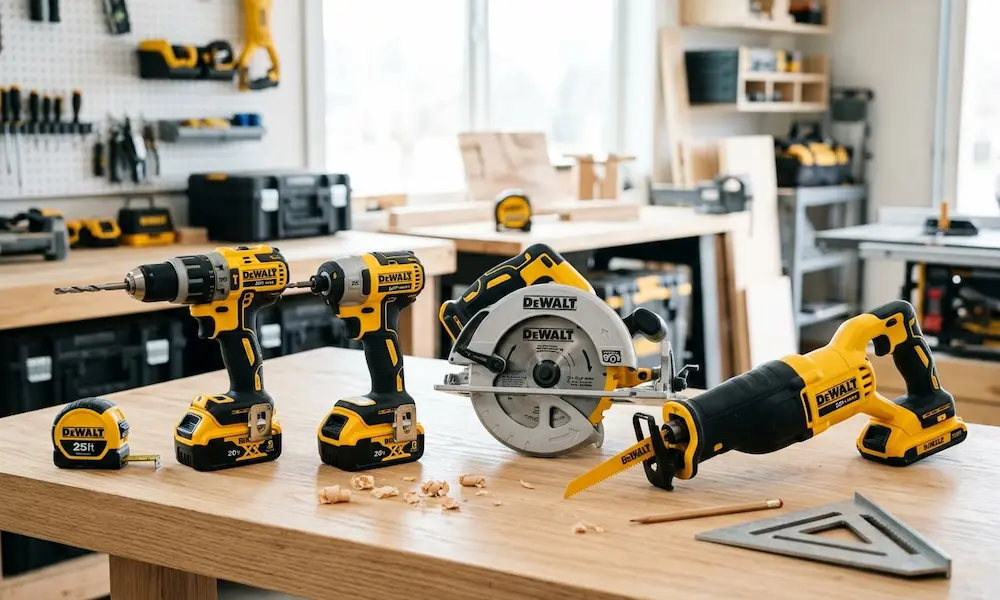
DeWalt’s FlexVolt system offers impressive battery versatility, and their table saws and miter saws are hard to beat for accuracy. But Milwaukee leads in raw torque benchmarks and has a deeper lineup of trade-specific tools that DeWalt hasn’t matched.
Milwaukee vs. Makita
Makita earns praise from woodworkers and fine carpenters for lower vibration and better ergonomic balance. Their batteries also charge faster — 18V packs reach full charge in roughly 45 minutes. Milwaukee counters with more muscle and a wider range of heavy-duty trade tools.
Milwaukee vs. Ryobi
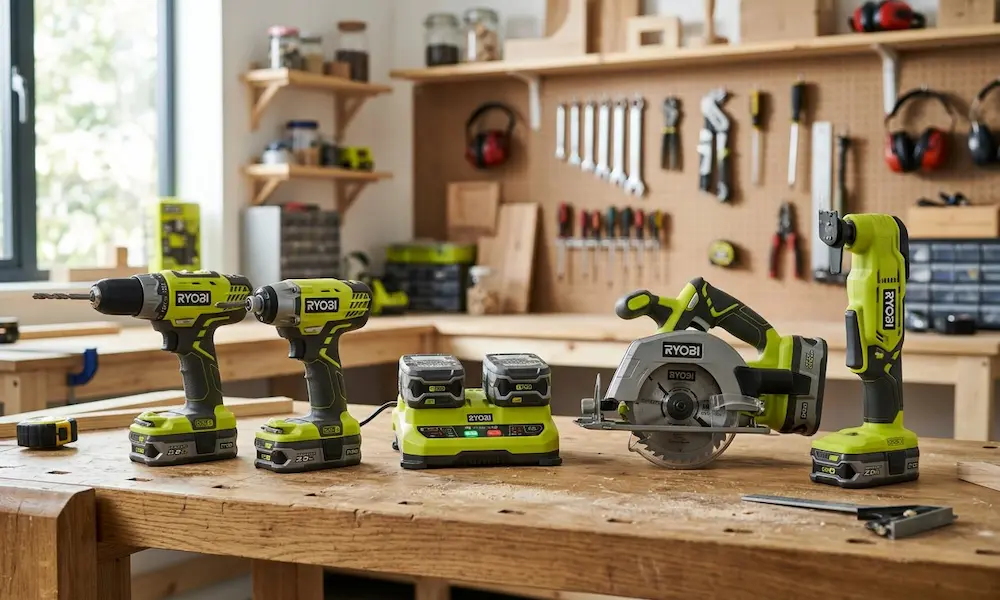
Both brands fall under Techtronic Industries, but they’re not in the same league. Ryobi works fine for occasional DIY use. But it doesn’t have Milwaukee’s thermal management, motor engineering, or durability. You get what you pay for.
| Category | Milwaukee Fuel | DeWalt XR/FlexVolt | Makita LXT/XGT |
|---|---|---|---|
| Raw Power | Industry-leading | Highly competitive | Moderate to high |
| Trade-Specific Tools | Exceptional | Strong | Strong |
| Ergonomics | Aggressive, robust | Solid | Highly refined |
| Battery Tech | RedLink Plus integration | FlexVolt versatility | Fastest charging |
| Price Tier | Premium | Mid-premium | Premium |
Known Problems With Milwaukee Tools (Be Honest)
No brand is perfect. Milwaukee has real weaknesses you should know about before you buy.
Electronic Failures Are Real
Modern brushless tools depend on circuit boards. These boards can fail from moisture, vibration, or extreme heat. Common complaints include unresponsive triggers and failed speed sensors. Unlike older brushed tools where you’d just swap a brush, a broken circuit board on a modern tool often means a costly repair or a replacement.
The repairability issue is a genuine concern — some electronics are “potted” directly into the housing, making DIY fixes nearly impossible.
Battery Bricking
Batteries can brick — meaning they drop too low for the charger to recognize them. This usually happens after months of storage without a charge. Repeatedly pushing batteries to their thermal limit also degrades capacity faster. Store your batteries with a partial charge and you’ll avoid most of these headaches.
Mechanical Wear on High-Abuse Tools
Impact wrench anvils crack. Chuck gripping force weakens on hammer drills. Ratchet heads can skip under extreme loads. These aren’t deal-breakers — it’s normal wear on tools used hard every day — but it’s worth knowing before you expect a Milwaukee tool to last forever with zero maintenance.
What Does the Warranty Actually Cover?
Milwaukee offers one of the strongest warranty programs in the industry — though the real-world experience isn’t always perfect.
| Product Type | Coverage | Notes |
|---|---|---|
| Core Power Tools (M12/M18) | 5 years | Excludes normal wear items |
| Hand Tools | Lifetime | Covers material and functional failure |
| RedLithium Batteries | 3–5 years | Pro-rata coverage after 2 years/1,000 charges |
| LED Work Lights | Lifetime | Covers bulb and housing |
| Jobsite Radios/Generators | 1–2 years | Varies by model |
You don’t need to register your tool for the warranty to apply. The serial number on the tool proves the manufacturing date if you don’t have your receipt — a big plus for professionals who don’t track every purchase.
Their eService portal lets you start a repair claim online, get a prepaid shipping label, and send the tool in. Turnaround typically runs 7–10 business days.
The downside? Some users report warranty denials based on “misuse” — which can feel vague when you’re a professional and the tool just broke during normal work.
The Packout Storage System: Surprisingly Worth Talking About
The Packout modular storage system has become one of Milwaukee’s most talked-about products — and it’s not even a power tool. Every component (toolboxes, organizers, bags, even vacuums and radios) locks together and travels as one unit. The boxes survive serious abuse that destroys standard plastic organizers.
Wall mounts, rolling dollies, and specialized inserts have expanded the system considerably. It’s expensive. But professionals who’ve invested in it tend to stick with it because it genuinely makes the workday more organized.
Hand Tools: The Honest Verdict
Milwaukee’s hand tools are a mixed bag. The Fastback utility knife is excellent. Their vise-grips are solid. But plenty of tradespeople still reach for Klein for electrical hand tools and Knipex for pliers, saying Milwaukee’s offerings feel clunky by comparison.
Milwaukee recently launched a Made in USA hand tool line that’s trying to address these criticisms. It’s a step in the right direction, but established specialists still have an edge in this category.
So, Are Milwaukee Tools Good?
Here’s the straight answer:
Yes — if you’re a professional or serious user who needs tools that work hard every day. The FUEL ecosystem delivers torque and runtime that define the current industry standard. The five-year warranty and deep battery ecosystem justify the upfront cost over time.
Maybe not — if you’re looking for occasional home use. You’d be paying professional-grade prices for weekend projects. In that case, Ryobi or DeWalt’s mid-range line gets the job done for a lot less money.
The trade-offs — electronic repairability concerns and the occasional battery issue — are real. But for the professionals who depend on these tools daily, the productivity gains and depth of the platform make Milwaukee one of the best investments in the industry right now.