You’ve seen them at Harbor Freight. The price tags look almost too good. Now you’re wondering if Pittsburgh tools are actually worth your money — or if you’ll be throwing them in the trash after one job. This post breaks down exactly what you get with Pittsburgh tools, where they shine, and where they fall short. Stick around, because the answer might surprise you.
What Is the Pittsburgh Tool Brand?
Pittsburgh is Harbor Freight’s entry-level house brand. It’s not a separate company — it’s a private label owned and controlled by Harbor Freight Tools, a retailer founded in 1977 in North Hollywood, California.
The name “Pittsburgh” was chosen to tap into American industrial heritage. But most of the manufacturing happens in China, Taiwan, and other parts of Asia. Harbor Freight sources directly from factories, skipping distributors entirely. That’s how they cut prices by up to 80% compared to name brands.
Today, Harbor Freight operates over 1,500 stores across 48 states and pulls in roughly $7.6 billion in annual revenue. Pittsburgh is the engine that built that empire.
Pittsburgh vs. Pittsburgh Pro: What’s the Difference?
Here’s where it gets a little confusing. There are actually two Pittsburgh lines — and they’re not the same thing.
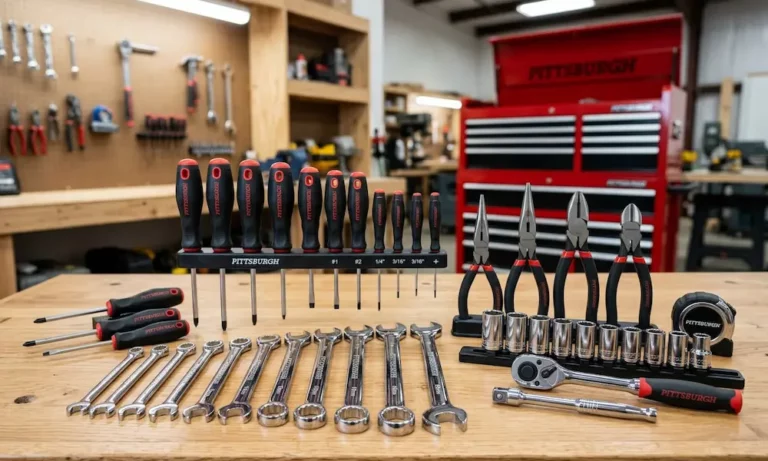
The standard Pittsburgh line offers over 750 items, covering everything from basic screwdrivers to floor jacks. It’s built for DIYers and weekend warriors. The Pittsburgh Pro line has around 50 items, mostly wrenches, sockets, and ratchets, aimed at more demanding users.
| Feature | Pittsburgh | Pittsburgh Pro |
|---|---|---|
| Catalog Size | 750+ items | ~50 items |
| Target User | DIYers, hobbyists | Auto enthusiasts, advanced DIYers |
| Steel Type | Chrome vanadium, drop-forged | High-polish chrome vanadium, chrome moly |
| Best For | General tasks | Tight spaces, frequent use |
The Pro line used to be a clear step up. Now, the gap has narrowed. For most home garage work, standard Pittsburgh gets the job done. If you’re working in tight engine bays or doing suspension work regularly, the Pro line is worth the small price jump.
How Do Pittsburgh Hand Tools Actually Perform?
Sockets: Good Enough, With One Catch
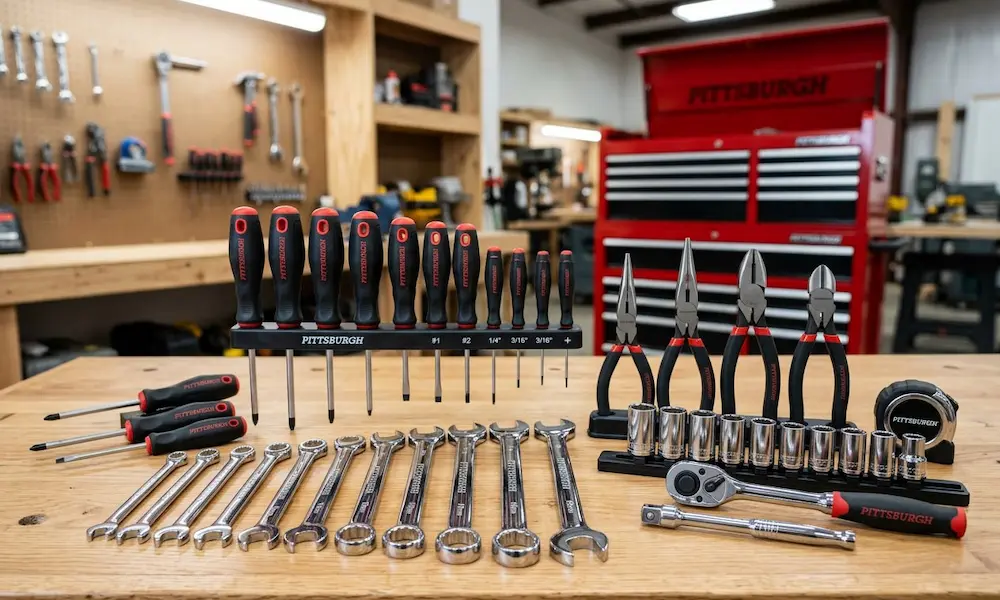
Pittsburgh sockets use chrome vanadium steel, which is the right material for the job. The issue isn’t the material — it’s the tolerances. The fit on fastener heads can be slightly loose. On a fresh bolt, that’s fine. On a rusted, over-torqued fastener, a sloppy fit increases your chances of rounding it off.
For impact sockets, though, Pittsburgh earns real respect. They’re made from chrome molybdenum steel, which is more ductile. It bends slightly instead of shattering under the hammer blows of an impact wrench. Users report years of heavy use without failure — even in professional settings. For the price, that’s hard to beat.
Ratchets: The Pro Version Is the Real Winner
Standard Pittsburgh ratchets use 36 to 45-tooth mechanisms. That means you need a wider swing to move the ratchet forward. In a cramped engine bay, that’s genuinely frustrating.
Pittsburgh Pro ratchets jump to a 72-tooth mechanism, giving you a 5-degree arc swing. Users consistently call them reliable “workhorses.” They don’t match a 90-tooth Quinn or Icon ratchet, but they’re close enough for most jobs — and they cost a fraction of the price.
Wrench Sets: Watch Out for the Missing Sizes
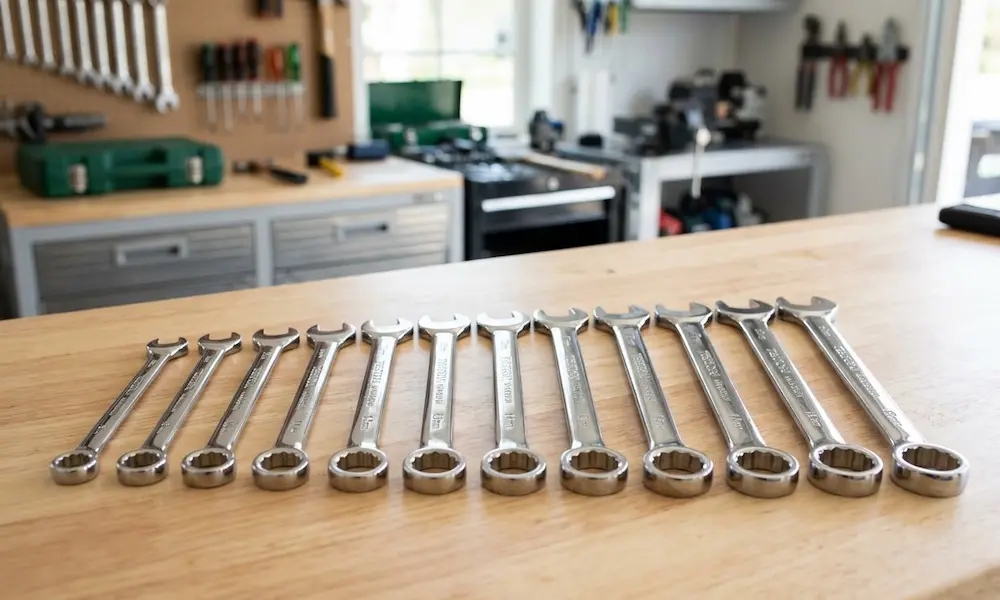
This is the biggest complaint about Pittsburgh wrench sets. To keep costs down, Harbor Freight skips certain sizes in their sets.
| Set Type | Included Sizes | Notable Omissions |
|---|---|---|
| Standard Pittsburgh 22-Piece | 6mm–19mm | 9mm, 16mm, 18mm |
| Pittsburgh Pro 22-Piece | 6mm–19mm | 15mm, 16mm, 18mm |
Missing the 15mm and 18mm sizes is a real problem. Those sizes are critical for brake and suspension work. You’ll likely need to buy individual wrenches from Quinn or Tekton to fill the gaps. Factor that into your budget.
Pittsburgh Floor Jacks and Lifting Equipment
Pittsburgh owns the budget floor jack category. The 3-ton low-profile steel jack is one of the most popular items Harbor Freight sells, and for good reason. Its dual-piston “Rapid Pump” system raises the saddle in fewer strokes than a standard jack.
The lightweight aluminum racing jack is another strong pick. At 1.5-ton capacity, it’s far easier to move around than steel jacks. Owners report a decade of use without hydraulic failure in home garages. The tradeoff? It may not reach high enough for lifted trucks or big SUVs.
What About the Jack Stand Recall?
In 2020, Harbor Freight recalled three-ton and six-ton Pittsburgh jack stands due to a manufacturing defect. The ratchet teeth on the support post were improperly formed, which created a collapse risk under load. Harbor Freight offered full refunds or exchanges — no questions asked.
The current versions have been redesigned and get solid reviews. But this recall is a good reminder: always use a backup safety measure when you’re under a car. Leave the jack in place. Use wheel chocks. Don’t rely on stands alone.
Specialty Tools Worth Buying
One area where Pittsburgh genuinely stands out is specialty automotive tools. Bearing separators, gear pullers, and hydraulic shop presses from Pittsburgh let you do professional-grade work without spending professional-grade money.
The 20-ton hydraulic shop press is a fan favorite. Yes, the vertical beams have some play out of the box. But most users treat it as a base platform and upgrade it — adding casters, reinforcing the frame, or swapping in an air-over-hydraulic jack for foot-pedal operation. The 20-ton version is recommended over the 12-ton simply because the larger frame fits bigger components like control arms and axles.
How Pittsburgh Compares to Husky, Craftsman, and Kobalt
Let’s put Pittsburgh side by side with the big-box competition.
| Feature | Pittsburgh | Husky (Home Depot) | Craftsman (Lowe’s) |
|---|---|---|---|
| Price Tier | Budget/entry-level | Mid-market | Legacy mid-market |
| Ratchet Teeth | 72-tooth (Pro) | 72–144-tooth | 72–90-tooth |
| Set Completeness | Frequent size skips | Fewer skips | Moderate skips |
| Warranty | Lifetime, often no receipt needed | Lifetime, store required | Lifetime (inconsistent post-Sears) |
| Finish Quality | Matte or polished chrome | High-polish chrome | High-polish, bulkier grips |
In torque-to-failure testing, Pittsburgh tools generally land in the middle-to-lower range. They fail before Craftsman or Husky in extreme tests. But here’s the key point: their failure thresholds are still far above what most fasteners actually require. For everyday automotive and home tasks, that gap doesn’t matter.
The “Sacrifice Tool” Strategy
Plenty of professional mechanics keep Pittsburgh tools specifically for destructive use. You need to grind down a wrench to reach a weird fastener? Use a Pittsburgh one. Bend a screwdriver to reach behind a bracket? Pittsburgh. If it breaks, you’re out a few dollars — and you can still try the lifetime warranty. No professional is grinding down a $60 Snap-on wrench for a one-time fix.
The Warranty Is the Real Game-Changer
Pittsburgh’s lifetime warranty covers hand tools for the life of the original buyer. Any hand tool that fails gets replaced with an identical or similar item.
On paper, you need a receipt. In reality, many stores just let you swap it out on the spot. Walk up to the counter with a broken ratchet, grab a new one off the shelf. That’s the real experience for most customers.
For tools that don’t fall under the lifetime policy — like torque wrenches and jacks — Harbor Freight offers Extended Service Protection plans. You bring the broken tool in and get an immediate exchange. No mailing anything. No waiting two weeks.
The Inside Track Club membership tracks your purchases by phone number, so even a lost receipt isn’t always a problem. That digital purchase history is your backup.
So, Are Pittsburgh Tools Good?
Here’s the straight answer: yes, for the right jobs and the right users.
Pittsburgh tools are good because they’re:
- Affordable enough to buy without stress — you won’t cry if one breaks
- Backed by a warranty that actually works in real-world store situations
- Functional for the vast majority of DIY automotive and home tasks
- Available at 1,500+ locations with immediate replacement when something fails
They’re not the right pick if you:
- Need precision fits on corroded fasteners daily
- Rely on complete metric wrench sets without supplementing
- Run a high-volume professional shop where tools take abuse all day, every day
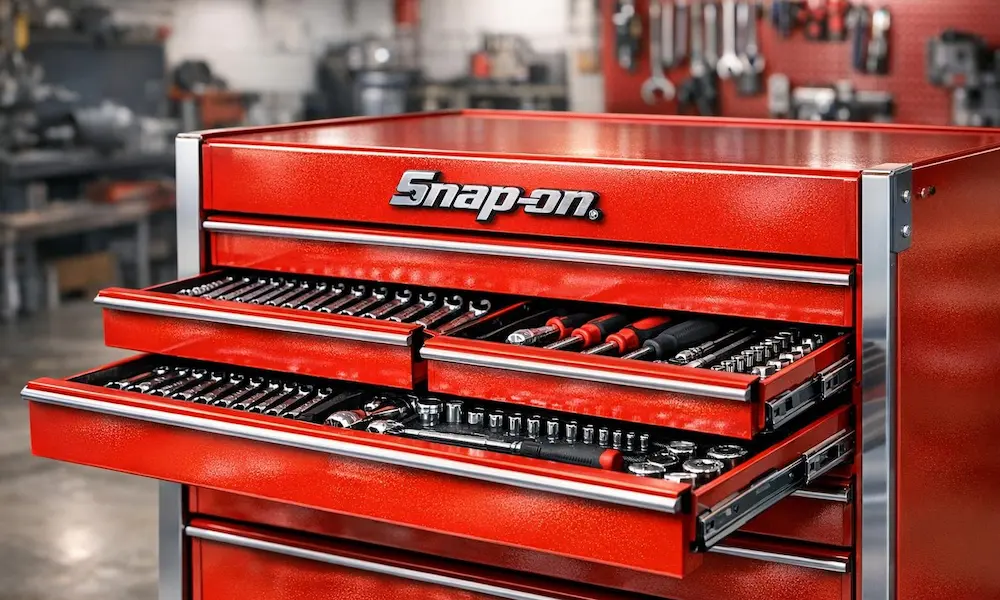
Pittsburgh tools don’t pretend to be Snap-on. They’re not trying to last 40 years in a fleet mechanic’s box. They’re trying to get the job done today, at a price that doesn’t make you wince — and replace themselves for free if they don’t. For most people, that’s exactly what “good” looks like.