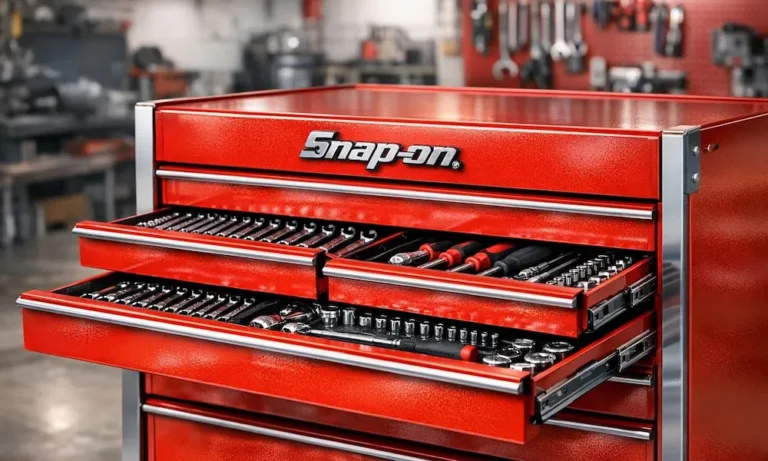
Thinking about dropping serious cash on a Snap-on tool box? The price tags are brutal, and you’ve probably heard both “best investment ever” and “total rip-off” from different mechanics. The truth sits somewhere more nuanced than either camp admits. Read to the end — because the answer genuinely depends on who you are.
What Makes Snap-on Boxes So Expensive?
The price isn’t just branding. There’s real engineering underneath it.
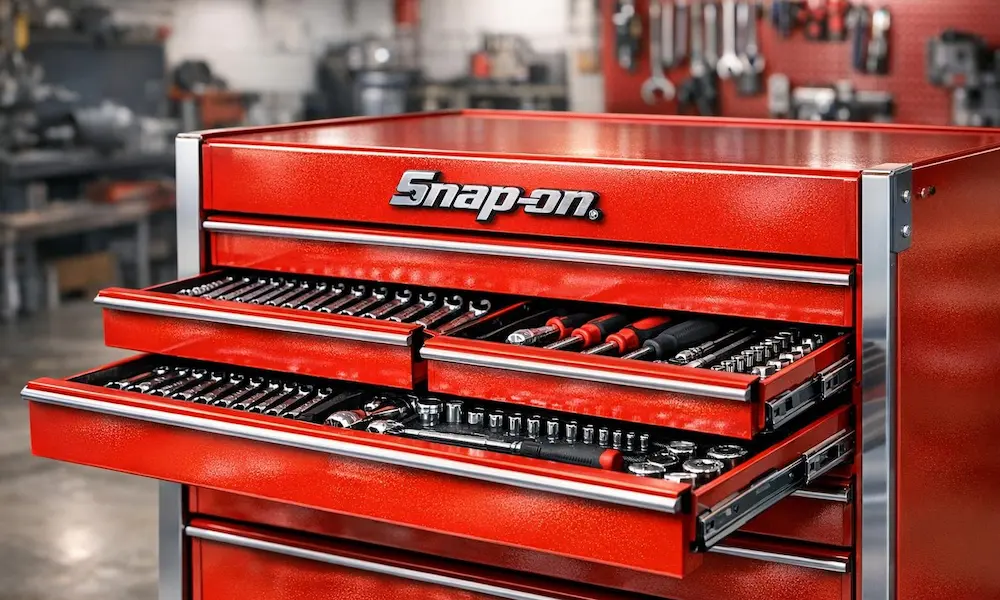
Snap-on builds its boxes using double-wall construction with dense welding patterns — spot welds every three to four inches along critical joints. That’s what creates a rigid, monolithic frame instead of a box that racks and twists once you load it with a few hundred pounds of tools.
The steel gauge breakdown matters here:
| Component | Epiq / Masters | Classic | Heritage |
|---|---|---|---|
| Bottom Channels | 14-Gauge Super Duty | 14-Gauge | 16-Gauge |
| Side Panels | 16-Gauge | 16-Gauge | 18-Gauge |
| Drawer Fronts | 18-Gauge | 18-Gauge | 20-Gauge |
| Back Panels | 16-Gauge | 16-Gauge | 18-Gauge |
Lower gauge numbers mean thicker steel. The Masters and Epiq series use 14-gauge bottom channels reinforced with stiffeners specifically to handle pneumatic tools, heavy socket sets, and years of abuse without bowing.
Every corner gets welded gussets to keep the unit perfectly square under maximum load. The Epiq series holds up to 16,000 pounds. That’s not a typo.
The Four Snap-on Series: Which One Do You Actually Need?
Snap-on offers four distinct storage lines. Each targets a different career stage and shop environment.
Heritage Series — Entry-Level Pro Quality
The Heritage series runs 20 inches deep. It’s built for tight spaces, apprentices, or serious hobbyists who want professional quality without the footprint.
- Load capacity: 2,400 lbs
- Features Lock ‘n Roll drawers and corner gussets
- Uses 18-gauge steel on sides and back
- Best for: Smaller shops, first boxes, space-constrained environments
Experienced technicians on Reddit often recommend the Heritage as the smart starting point before committing to a larger investment.
Classic Series — The Industry Standard
The Classic (KRA and KCP models) sits at 24 inches deep. Most automotive techs land here because it balances storage volume with shop maneuverability.
- Load capacity: ~2,400 lbs
- 50-inch wide top drawers fit long extensions and pry bars
- Monoprene vibration-reducing casters
- 14-gauge bottom panel construction
According to discussions comparing the Classic vs. Masters, the 24-inch depth is widely considered the sweet spot for general automotive work.
Masters Series — Heavy-Duty Industrial Grade
Jump to the Masters and the depth increases to 29 inches. That extra 5 inches dramatically changes what you can organize. Tools that previously lived on carts or floors suddenly have a home.
- Load capacity: 6,800 lbs
- ISO-Ride torsion spring casters as standard
- 14-gauge bottom channels throughout
- Snap-on demonstrated the Masters’ strength by parking a 21,000-pound dump truck on six units — drawers still opened smoothly afterward
Epiq Series — The Full Productivity System
The Epiq isn’t just a tool box — it’s a modular workshop infrastructure. At 30 inches deep with a 16,000-pound structural rating, it grows with your career through lockers, hutches, and side cabs.
- InPulse drawer system: smoother, flush-finish soft-close mechanism
- PowerBank and PowerDrawer for charging cordless tools while locked inside
- ISO-Ride+ casters with compression puck suspension rated at 2,000 lbs per wheel
- Triple-bank systems can exceed $30,000 at list price
| Metric | Heritage | Classic | Masters | Epiq |
|---|---|---|---|---|
| Standard Depth | 20″ | 24″ | 29″ | 30″ |
| Max Weight Capacity | 2,400 lbs | 2,400 lbs | 6,800 lbs | 16,000 lbs |
| Caster Suspension | None | Monoprene | ISO-Ride Spring | ISO-Ride+ Suspension |
| Drawer Retention | Lock ‘n Roll | Lock ‘n Roll | Lock ‘n Roll | InPulse |
| Steel Source | American | American | American | American |
The Drawer System: Why It Actually Matters
A tech cycling through specific drawers thousands of times per year cares deeply about slide quality.
Snap-on uses heavy-duty ball-bearing slides rated at approximately 120 lbs per drawer on the Classic and Heritage lines. For the Masters and Epiq, slides can be doubled on drawers four inches deep or greater, pushing the load rating past 200 lbs per drawer.
Every drawer uses 2-inch mounting centers, so you can reconfigure heights as your tool collection changes. Full-extension slides mean tools at the back of a 30-inch drawer are completely visible — no blind fishing around for your 10mm.
The Lock ‘n Roll retention system uses a physical latch integrated into the drawer pull. You pivot the pull intentionally to open it. Compare that to friction-based or magnetic detents on budget boxes that pop open every time you roll the cabinet over a floor drain.
What Does a Snap-on Box Actually Cost?
List prices are painful. A 55-inch Classic double-bank runs around $8,300. A triple-bank Epiq with advanced features can clear $30,000.
But here’s the thing most people miss: nobody pays list price.
The Tool Truck Discount Reality
Snap-on sells exclusively through independent franchisees on tool trucks. Those reps have real flexibility on pricing. Technicians regularly report buying new boxes at 35% to 50% off list when timing a purchase with a trade-in or promotional event.
The real-world entry point is significantly lower than the sticker — though still much higher than retail alternatives.
Financing Through Snap-on Credit
Many techs finance early in their careers. Know what you’re getting into:
- Simple interest loans — pay more per period and you actually save on total interest
- Interest rates range from 9.9% to as high as 27.9% depending on credit and promotions
- “90 days same as cash” promotions are common — pay it off in 90 days, pay zero interest
- Weekly payments of $50–$100 are the standard tool truck model
One cautionary note: some technicians have shared hard lessons about getting caught in high-interest debt cycles on their first box. Read every financing term before you sign.
The Resale Value Nobody Talks About Enough
This is where Snap-on genuinely separates itself from every retail competitor.
A budget box loses 70–80% of its value the day you use it. Snap-on boxes hit a value floor and stay there. A used Classic series 55-inch box in decent shape consistently sells for $1,500 to $2,500 regardless of age. Masters units from the 1990s still command $2,000 to $3,500 because the structural integrity holds decades later.
| Model Series | Size | Estimated Used Price | Notes |
|---|---|---|---|
| Heritage | Single Bank | $400–$1,000 | Popular for home garage use |
| Classic | Double Bank | $1,500–$3,000 | Most common used market entry point |
| Masters | Double Bank | $3,500–$5,500 | Premium for 29″ depth |
| Epiq | Double/Triple | $5,000–$10,000 | High demand for PowerTop models |
The trade-up program makes this even more practical. Your first box becomes a down payment toward your second.
How Does Snap-on Stack Up Against the Competition?
Snap-on vs. Icon (Harbor Freight)
Icon is the most credible challenger right now. It mirrors Masters-series specs at roughly one-quarter of the list price.
Most experienced techs agree that Icon delivers about 85–90% of Snap-on’s build quality. The gaps show up under maximum load — Snap-on slides stay smoother, the paint finishes resist shop chemicals better, and the resale value difference is massive.
For a home mechanic? Icon is genuinely excellent. For a career tech calculating 30-year total cost of ownership, the math shifts.
Snap-on vs. Matco and Mac Tools
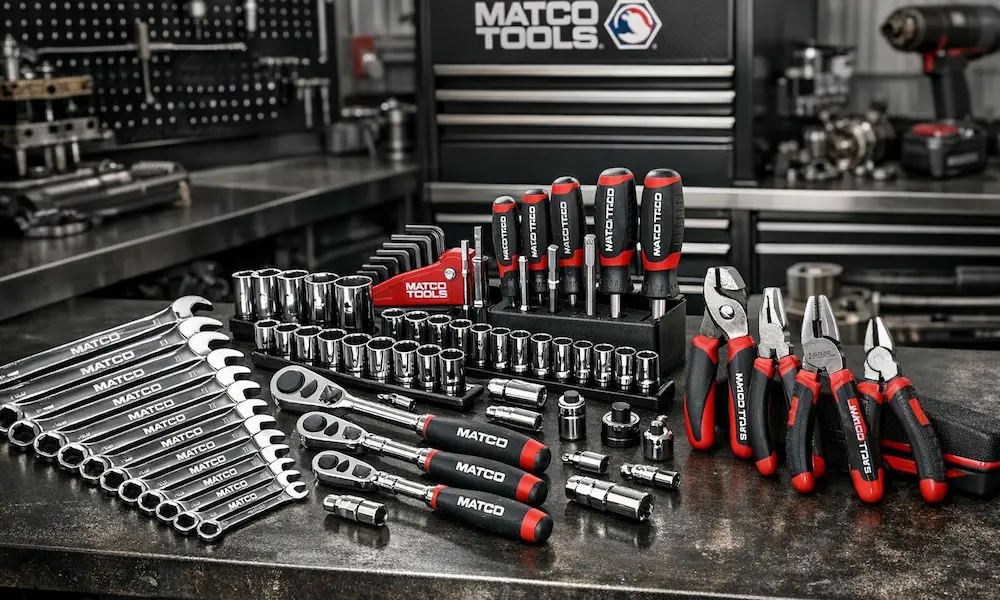
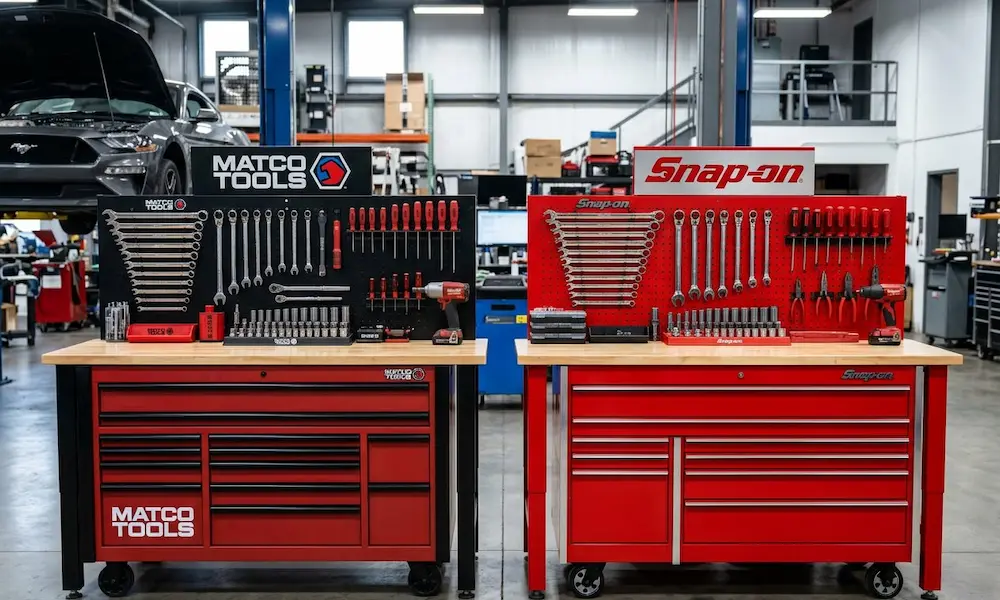
Within the professional tool truck segment, Matco and Mac offer comparable American-made quality. Snap-on holds a structural edge, particularly with the Epiq line. Matco earns praise for color customization.
The honest truth? The value of any of these brands depends heavily on your local franchisee. A reliable Snap-on rep beats a spotty Matco rep every single time, purely based on warranty execution and weekly service.
The Lifetime Warranty: What It Really Covers
Snap-on offers a lifetime warranty on tool storage to the original purchaser. Drawer slide loses its balls after 15 years? The franchisee provides the replacement part.
A few real-world caveats:
- Some franchisees drag their feet on warranty work for boxes they didn’t personally sell
- You can bypass a difficult rep by contacting Snap-on customer care directly
- Modifications like drilling holes void the warranty
- Reddit threads confirm that 30-year-old boxes still get warrantied under corporate policy when the franchisee relationship is solid
So Are Snap-on Tool Boxes Worth It? The Straight Answer
For career technicians: Yes. When you spread the cost across a 30–40 year career, the annual cost per year is surprisingly reasonable. The time saved from better drawer organization translates directly into billable hours. The resale value protects your investment if circumstances change. The structural engineering means you won’t replace it — ever.
For home mechanics and first-year apprentices: Probably not — at least not new. The high financing interest rates can trap you in debt when that money is better spent on actual tools. A used Snap-on Classic or a new Icon gets you most of the way there at a fraction of the cost.
The bottom line: Snap-on tool boxes aren’t worth it for everyone — but for the right person, they’re one of the smartest financial and professional decisions in a mechanic’s career. The premium isn’t just for the steel. It’s for the service ecosystem, the resale floor, and a box that outlasts the career you use it for.