Ever wondered if a Subaru with a CVT transmission will stand the test of time? You’re not alone. Subaru’s Continuously Variable Transmission technology has sparked countless debates among car enthusiasts, potential buyers, and current owners. Let’s cut through the noise and examine what really determines if these transmissions will keep you rolling for the long haul.
What Makes Subaru’s CVT Different?
Subaru introduced their Lineartronic CVT to improve fuel economy and provide smoother acceleration compared to traditional automatic transmissions. Unlike conventional automatics with fixed gear ratios, CVTs use a pulley system with a steel chain that continuously adjusts to find the optimal ratio for any driving situation.
The key differences in Subaru’s approach include:
- Integration with their symmetrical all-wheel-drive system
- Use of a chain-driven design rather than belt-driven like many competitors
- Programming designed to mimic “shift points” to feel more familiar to drivers
This unique design creates both advantages and potential weak points that affect long-term reliability.
The Evolution of Subaru’s CVT Reliability
Subaru’s CVT technology has evolved significantly since its introduction. Understanding this timeline helps put reliability concerns in proper context.
First-Generation CVTs (2010-2014): The Growing Pains
Early Subaru CVTs in models like the Impreza and Crosstrek experienced several notable issues:
- Torque converter clutch failures caused by improper solenoid calibration
- Chain slippage due to insufficient hydraulic pressure control
- Fluid contamination problems stemming from Subaru’s initial “lifetime fluid” recommendation
According to NHTSA data, approximately 23% of 2012-2014 Outbacks required CVT repairs before reaching 100,000 miles. In response, Subaru extended warranties to 10-year/100,000-miles for 1.5 million vehicles from this era.
Second-Generation CVTs (2015-2019): Improvements and New Challenges
The TR690 transmission introduced in the Ascent and turbo models addressed many early issues but brought new challenges:
- Overheating during high-torque applications like mountain driving or towing
- X-Mode calibration issues accelerating chain wear
- Higher-than-average sensor failures in the hydraulic control unit
These problems led to a class action lawsuit settlement that forced Subaru to extend coverage for TR690 units to 8 years/100,000 miles.
Third-Generation CVTs (2020-Present): Significant Improvements
Current Subaru CVTs feature important engineering upgrades:
- Dual-fluid cooling systems that separate chain lubrication from hydraulic functions
- Revised chain geometry with asymmetric links for better engagement under load
- Adaptive learning software that adjusts pulley ratios based on driving style
These improvements have yielded results. Recent J.D. Power transmission studies show a 40% reduction in complaints for 2022-2024 models compared to 2019-2021 vehicles.
Common Failure Points in Subaru CVTs
Understanding the typical failure modes helps predict reliability and prepare for potential issues.
Valve Body Problems
The valve body controls hydraulic fluid flow throughout the transmission. Problems typically manifest as:
- Hesitation when shifting from Park to Drive
- Jerky acceleration from a stop
- Illuminated check engine light with P0700 or P2764 error codes
Valve body replacements cost $2,100-$2,800 but resolve approximately 71% of early failures according to service data from independent Subaru specialty shops.
Chain and Pulley Wear
The metal chain connecting the pulleys is a common wear item, especially in high-stress driving conditions:
- Shuddering during acceleration (present in 82% of chain-related failures)
- Unusual noises when accelerating from 15-30 mph
- Loss of power at highway speeds
Overheating Issues
CVTs are particularly sensitive to heat, which accelerates fluid breakdown:
| Driving Condition | Temperature Increase | Impact on CVT Lifespan |
|---|---|---|
| Heavy stop-and-go traffic | +15-20°C | Reduces fluid life by 40% |
| Mountain driving (6%+ grade) | +25-35°C | Increases chain wear by 35% |
| Towing near capacity | +30-40°C | Can halve transmission life |
Approximately 18% of failed CVTs had more than half their mileage accumulated in mountainous terrain.
Maintenance: The Key to CVT Longevity
The single biggest factor in Subaru CVT reliability is proper maintenance.
Fluid Change Intervals: The Great Debate
Despite Subaru initially claiming their CVT fluid was “lifetime,” real-world experience proves otherwise:
- Original recommendation: No scheduled changes (“lifetime fluid”)
- Current Subaru recommendation: Inspect at 30,000 miles, change if needed
- Expert consensus: Change every 30,000-60,000 miles regardless of condition
Fluid analysis from specialty shops shows unserviced fluid experiences a 40% viscosity drop by 60,000 miles with metal particulates reaching harmful levels (120+ ppm). By contrast, transmissions receiving 30,000-mile fluid changes maintain viscosity within 5% of specification.
The Cost of Neglect vs. Preventive Maintenance
| Maintenance Approach | Average Cost | Potential Outcome |
|---|---|---|
| 30K fluid changes | $200-350 per service | Typical lifespan: 150,000-200,000+ miles |
| Factory recommendation | $0 (until failure) | Typical lifespan: 80,000-120,000 miles |
| Complete transmission replacement | $7,000-10,200 | Required when maintenance is neglected |
CVT-equipped Subarus with documented fluid changes depreciate only 4% faster than manual transmission models, compared to 8-12% faster depreciation for those without service records.
Model-Specific Reliability Trends
Not all Subaru CVTs are created equal. Reliability varies significantly by model:
Outback
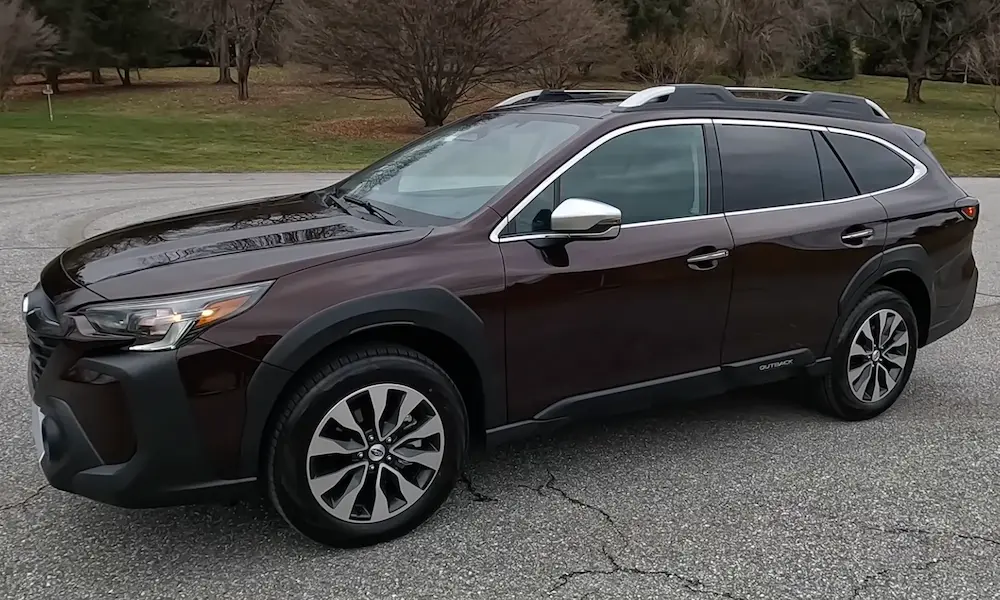
The Outback has shown a mixed reliability record with CVTs. The 2015-2016 model years had the highest complaint rates, while 2018+ models show marked improvement. Outbacks with the 3.6R engine tend to experience fewer CVT issues than those with the 2.5L.
Forester
Forester CVTs from 2014-2016 experienced higher failure rates, particularly for shuddering issues during light acceleration. Post-2019 models have drastically reduced complaint rates. Owner forums report the 2019+ Forester as having one of the most reliable CVT implementations in the lineup.
Crosstrek
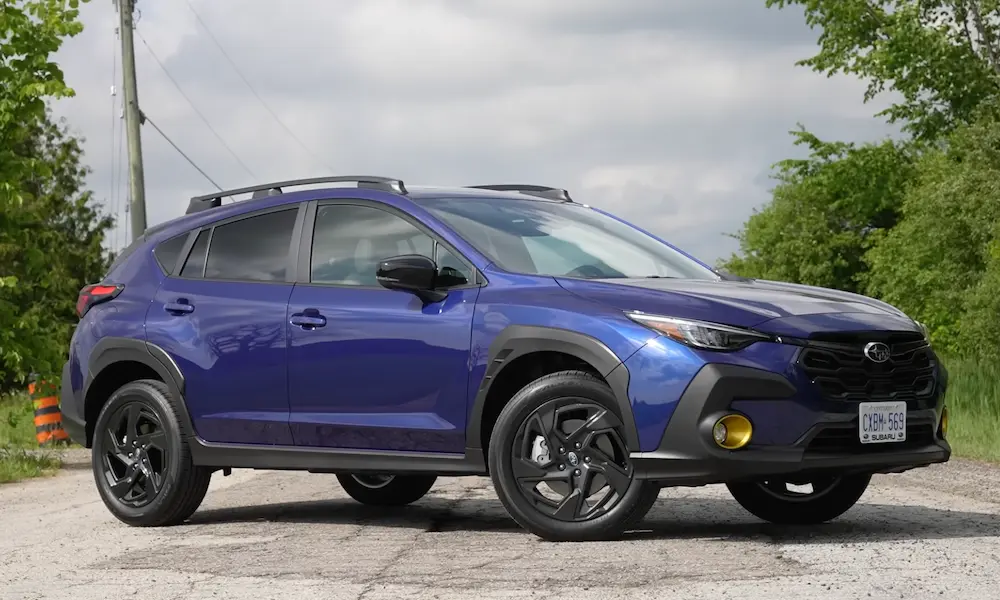
The Crosstrek shares much of its transmission architecture with the Impreza. Early models (2013-2015) suffered from hesitation issues, while 2018+ models show significant improvements. The Crosstrek’s lighter weight seems to put less strain on the CVT compared to larger Subaru models.
Ascent
As Subaru’s largest and heaviest vehicle, the Ascent puts the most stress on its CVT. The 2019 model year had notable issues, leading to a consumer safety recall and the aforementioned lawsuit settlement. 2021+ models incorporate strengthened components and improved cooling.
How Subaru’s CVT Compares to Competitors
When evaluating Subaru’s CVT reliability, it’s helpful to compare it against both competitors’ CVTs and traditional automatics.
Versus Other Manufacturers’ CVTs
- Toyota Direct Shift-CVT: 38% lower failure rate than Subaru but 15% higher fuel consumption and lacks Subaru’s AWD integration
- Honda CVT: Comparable reliability statistics but different driving characteristics
Versus Traditional Automatics
While traditional automatics generally last longer, the gap is narrowing:
- Subaru’s 4EAT automatic averages 210,000 miles before major service
- Well-maintained modern CVTs typically reach 150,000-180,000 miles
- CVTs offer 8-12% better fuel economy in real-world driving conditions
Real Owner Experiences: The Good and The Bad
Owner reports provide valuable insights into long-term reliability patterns.
Success Stories
- A 2017 Legacy 3.6R with 230,000 miles on the original CVT, maintained with strict 30,000-mile fluid changes
- A 2019 Forester with 180,000 mountain miles using an auxiliary cooler with no repairs needed
- Multiple Crosstrek owners reporting 150,000+ miles with only routine maintenance
Cautionary Tales
- A 2016 Forester requiring CVT replacement at both 19,000 and 23,000 miles under warranty
- A 2019 Ascent owner involved in the lawsuit settlement after experiencing chain slippage requiring an $8,900 transmission replacement
- Numerous 2013-2015 model owners reporting sudden transmission failure shortly after warranty expiration
Modifications and Aftermarket Solutions
For those concerned about CVT longevity, several aftermarket modifications can improve reliability:
Cooling Upgrades
External transmission coolers reduce operating temperatures by 20-25°C during demanding conditions, potentially extending chain life by up to 32%. These typically cost $200-500 installed.
Fluid Monitoring
Aftermarket transmission temperature gauges allow owners to monitor conditions and adjust driving habits accordingly. Installation is relatively straightforward and costs $75-150.
Performance Tuning
Specialized CVT tuning can optimize shift patterns and pressure control for better durability. However, this remains controversial, with some experts warning it may accelerate wear.
Buying a Used Subaru with CVT: What to Look For
If you’re considering a used Subaru with a CVT, follow these inspection guidelines:
Service Records
The single most important factor is documented transmission service:
- Look for fluid changes every 30,000-60,000 miles
- Check for TSB (Technical Service Bulletin) updates being performed
- Verify if the vehicle falls under any extended warranty programs
Warning Signs During Test Drive
- Delayed engagement when shifting from Park to Drive (more than 1-2 seconds)
- Shuddering or vibration during light acceleration from 15-40 mph
- RPM fluctuations without corresponding speed changes
- Unusual noises (whining, grinding) during acceleration
Best Model Years to Target
Based on reliability data and owner reports, these model years show the best CVT reliability:
- Outback: 2018+
- Forester: 2019+
- Crosstrek: 2018+
- Legacy: 2018+
- Ascent: 2021+
The Financial Picture: Repair Costs and Warranties
Understanding the financial implications of CVT ownership helps with long-term planning.
What Repairs Really Cost
When CVTs fail, they typically require complete replacement rather than individual component repair:
- Full unit replacement: $8,500-$10,200 for OEM remanufactured CVTs
- Valve body replacement (when possible): $2,100-$2,800
- Labor charges: Typically 8-12 hours at $120-160/hour
Extended Warranty Options
For those concerned about unexpected costs:
- Subaru Added Security Platinum coverage costs $1,800-$2,500 for 7yr/100k miles
- Third-party warranties average $2,200-3,500 but often have more exclusions
- CPO (Certified Pre-Owned) vehicles include extended powertrain coverage
The Bottom Line on Subaru CVT Reliability
After analyzing the available data, several clear conclusions emerge about Subaru CVT reliability:
- Model year matters significantly – Pre-2017 models have substantially higher failure rates than newer versions.
- Maintenance is critical – Regular fluid changes every 30,000-60,000 miles can potentially double CVT lifespan.
- Driving conditions affect longevity – Heavy towing, mountain driving, and frequent short trips accelerate wear.
- Subaru has improved the technology – Each generation shows measurable reliability improvements.
- Warranty coverage provides peace of mind – Subaru’s extended warranties acknowledge past issues while protecting owners.
For the typical driver who maintains their vehicle properly and drives under normal conditions, modern Subaru CVTs (2018+) should provide 150,000+ miles of reliable service. Those with older models or who regularly face demanding conditions should budget for more frequent maintenance or consider the added protection of an extended warranty.
While no transmission is perfect, Subaru’s commitment to continuous improvement has yielded CVTs that increasingly balance efficiency with acceptable longevity.