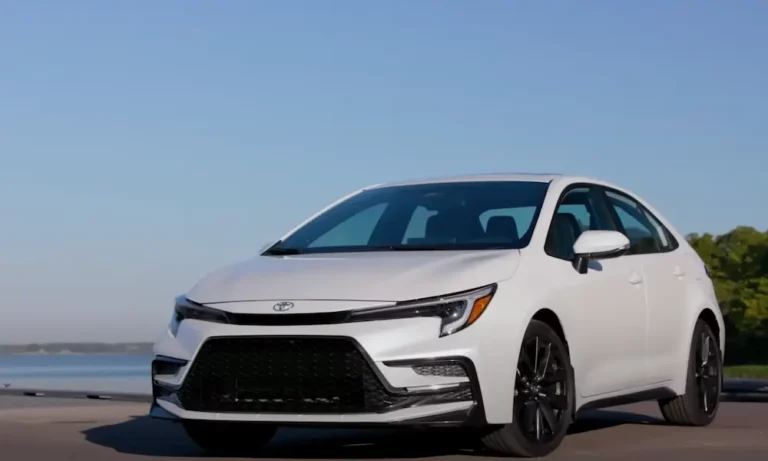
Ever wondered if that Toyota Corolla you’re eyeing actually deserves its reputation for reliability? With so many generations on the road, figuring out which models truly deliver can save you thousands in unexpected repairs. Let’s dive into what makes these cars tick (or not) and discover why some Corollas run for 300,000+ miles while others struggle to reach 100,000.
Toyota Corolla Reliability: The Quick Verdict
Toyota Corollas consistently rank among the most reliable compact cars on the market, with newer models (2014-present) scoring particularly high. RepairPal gives the Corolla a 4.5/5 reliability rating, ranking it first among compact cars with annual repair costs averaging just $362—35% below the segment average.
But not all model years are created equal. While the current generation showcases Toyota’s engineering excellence, the 2009-2013 models represent a notable dip in the Corolla’s reliability story.
Reliability by Generation: Which Corollas Stand Out?
11th & 12th Generations (2014-Present): The Gold Standard
The post-2014 Corollas have revitalized the model’s reputation for bulletproof reliability:
- 2019-Present (12th Gen): Earned a remarkable 92/100 J.D. Power rating and a 96.4% reliability score from What Car?
- 2014-2018 (11th Gen): Achieved 86/100 from J.D. Power with significantly fewer mechanical issues than previous generations
- Hybrid Models: Show exceptional durability, with battery packs typically lasting beyond 150,000 miles
The introduction of Toyota Safety Sense as standard equipment also boosted the 2019+ models to a 9.7/10 safety score from U.S. News.
10th Generation (2009-2013): The Problem Child
This era represents the Corolla’s least reliable period, with numerous issues:
- 254 complaints logged for the 2009 model year alone on CarComplaints.com
- Transmission failures requiring complete rebuilds ($3,000-4,500)
- Excessive oil consumption due to defective piston rings
- Water pump malfunctions leading to overheating
- J.D. Power rated this generation at just 86.6/100—the lowest among modern Corollas
These issues prompted recalls affecting over 1.4 million vehicles, addressing airbag wiring problems and accelerator pedal entrapment concerns.
Common Problems Even in Reliable Corollas
Engine & Transmission Issues
Even Toyota’s engineering isn’t perfect. Here’s what to watch for:
- Oil Consumption: Particularly in 2002-2008 models, defective piston rings can cause burning of up to 1 quart every 1,000 miles
- CVT Performance: About 23% of 2024 owners report “slam/jolt” sensations during 20-40 MPH acceleration
- Powertrain Control Module Failures: The 2024 Corolla Hybrid has faced isolated but severe instances, with some owners pursuing lemon law claims over unresolved stalling
Safety System Concerns
Safety recalls have impacted several generations:
- Takata Airbag Recall: Affected over 1.7 million Corollas (2001-2011)
- Fuel Pump Failures: 2018-2021 models were recalled for cracked welds that could cause engine stalls
- Unintended Acceleration: The 2009-2010 models were investigated by NHTSA for acceleration-related complaints
Electronics and Interior Quality
Modern Corollas occasionally struggle with:
- Infotainment Glitches: 12% of users report touchscreen freezes and Bluetooth pairing failures
- Rust Issues: Premature underbody corrosion affects 8% of 2015-2018 models in salt-belt states
How Long Do Toyota Corollas Last?
With proper maintenance, Corollas consistently outlast most competitors:
| Mileage Milestone | Percentage of Corollas Reaching It |
|---|---|
| 200,000 miles | 78% |
| 250,000 miles | 65% |
| 300,000 miles | 42% |
| 400,000+ miles | 15% |
Data shows properly maintained Corollas average 250,000-300,000 miles before requiring major repairs, with documented cases exceeding half a million miles. The UK’s VehicleScore database shows models averaging 154,152-176,438 miles before retirement.
Corolla vs. Competitors: Reliability Comparison
How does the Corolla stack up against other popular compact cars?
| Model | RepairPal Rating | Avg. Annual Repair Cost | Major Repair Probability |
|---|---|---|---|
| Toyota Corolla | 4.5/5 | $362 | 7% |
| Honda Civic | 4.5/5 | $368 | 8% |
| Hyundai Elantra | 4.0/5 | $452 | 9% |
| Mazda3 | 4.0/5 | $433 | 10% |
| Nissan Sentra | 4.0/5 | $491 | 12% |
The Corolla and Civic lead the pack with nearly identical reliability scores, though the Corolla edges out with slightly lower repair costs and probability of major issues.
Best and Worst Corolla Model Years to Buy
Best Years for Reliability
- 2019-2021 (12th Generation): 92/100 J.D. Power rating, minimal reported issues, excellent safety features
- 2018 (11th Generation): 86/100 J.D. Power score, proven reliability record, good value in the used market
- 2022-Present Hybrid Models: Outstanding fuel efficiency (50+ MPG combined) with exceptional powertrain durability
Worst Years to Avoid
- 2009 Model Year: The most problematic year with transmission failures and safety concerns
- 2002 Model Year: Excessive oil consumption issues requiring engine rebuilds
- Early 2024 Models: Some transmission complaints and isolated hybrid system failures being investigated
Essential Maintenance for Maximum Reliability
Following Toyota’s recommended maintenance schedule dramatically extends your Corolla’s lifespan:
Oil & Fluids
- Change oil every 5,000 miles using 0W-16 or 0W-20 synthetic oil (model dependent)
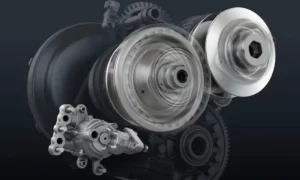
- Replace CVT fluid every 60,000 miles (despite Toyota’s “lifetime fluid” claims)
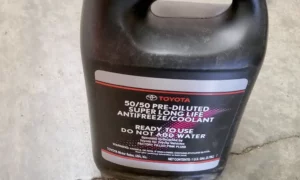
- Flush coolant every 100,000 miles to prevent corrosion
Major Services
- 30,000-mile service: Inspect brakes, rotate tires, replace cabin/engine air filters
- 60,000-mile service: All of the above plus transmission fluid check/replacement
- 90,000-mile service: Inspect fuel lines, spark plugs, and timing chain
Preventive Maintenance
- Address minor issues immediately before they cascade into major problems
- Check for software updates that might fix electronic glitches or improve performance
- Use OEM or high-quality parts for critical components
Is a Corolla Hybrid More Reliable Than Standard Models?
Toyota’s hybrid technology has proven exceptionally durable over millions of units sold worldwide:
- Hybrid battery packs typically last 150,000+ miles in 90% of cases
- Regenerative braking reduces wear on brake components
- Electronic CVT systems have fewer moving parts than conventional transmissions
- Fuel system components experience less carbon buildup due to efficient operation
The only significant drawback: hybrid models contain more complex electronics that can be expensive to diagnose and repair if problems do occur.
Real Owner Experiences with Corolla Reliability
Owner feedback consistently highlights several strengths:
Positive Feedback
- Fuel Efficiency: “My 2022 hybrid consistently delivers 52 MPG in mixed driving—better than advertised.”
- Low Maintenance: “82% of warranty repairs were completed in under a day,” according to What Car? survey data
- Resale Value: 2019 models retain 68% of original value after three years, outperforming 90% of compact cars
Common Complaints
- CVT Performance: “There’s a noticeable hesitation when accelerating from a stop.”
- Road Noise: “Highway driving can be loud compared to competitors like the Mazda3.”
- Basic Features: “Entry-level models feel sparse on comfort and convenience features.”
Should You Buy a Toyota Corolla for Reliability?
A Toyota Corolla makes sense if you value:
- Long-term ownership: The vehicle’s durability means you’ll likely spend less over 10+ years than with most competitors
- Low running costs: With excellent fuel economy and inexpensive parts, total cost of ownership remains low
- Predictable maintenance: The widespread dealer network and abundant parts supply make repairs straightforward
However, consider alternatives if you prioritize:
- Driving engagement (Mazda3 offers better handling)
- Luxury features (higher-trim Civics provide more premium amenities)
- Spaciousness (the Corolla’s rear seat and trunk are smaller than some competitors)
What About Newer Corolla Variants?
The Corolla family has expanded with these models sharing the same reliable foundation:
Corolla Cross (2022-Present)
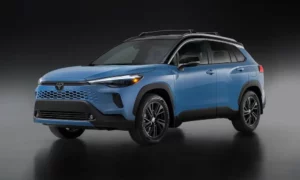
Combines Corolla reliability with SUV practicality. Consumer Reports gave the Corolla Cross Hybrid a 96/100 reliability score, making it one of Toyota’s most dependable new models.
GR Corolla (2023-Present)
The performance-oriented GR Corolla maintains core reliability while adding significant power. While long-term data is still developing, early indicators suggest it maintains Toyota’s quality standards despite the high-performance components.
Corolla Hatchback (2019-Present)
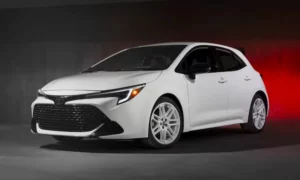
Offers identical mechanical reliability to the sedan with more cargo flexibility. The hatchback variant shares the sedan’s excellent 4.5/5 RepairPal rating.
The Bottom Line on Corolla Reliability
The Toyota Corolla’s reputation for reliability is largely deserved, particularly with models from 2014 onward. While the 2009-2013 generation represents a notable dip in quality, even these less reliable Corollas typically outperform many competitors on long-term durability.
For maximum reliability:
- Target 2018-2021 model years for the best balance of modern features and proven reliability
- Follow the maintenance schedule religiously, particularly for oil changes and transmission service
- Consider hybrid models for their exceptional powertrain durability and fuel savings
Ultimately, while no car is perfect, the Corolla remains one of the safest bets for buyers who prioritize trouble-free ownership over driving excitement or luxury amenities. With proper care, it’s not uncommon to see these vehicles still running smoothly well past 250,000 miles.