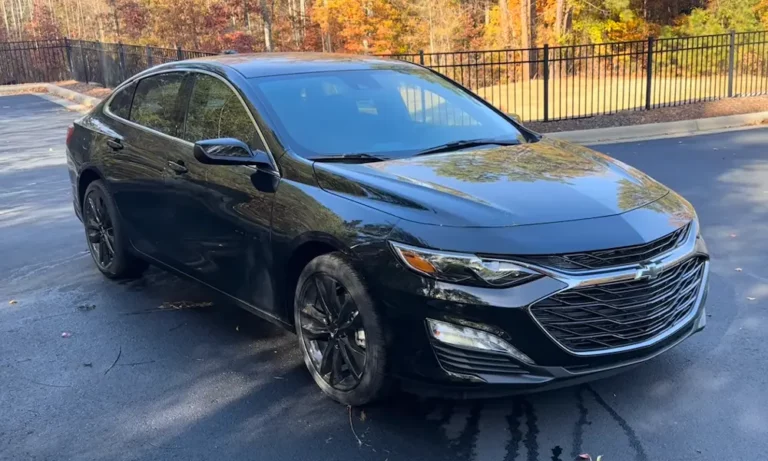
Shopping for a used Malibu feels like navigating a minefield. Some years are goldmines. Others are money pits with decent paint jobs. This guide cuts through the noise and tells you exactly which years to buy — and which ones to leave on the lot.
Why the Chevy Malibu’s Year Matters More Than You Think
Not all Malibus are created equal. General Motors redesigned this car multiple times, and each new generation came with fresh problems. Buying the wrong year means you’re inheriting someone else’s headache.
Here’s the honest truth: the best year for a Chevy Malibu isn’t just about the lowest price on the lot. It’s about which model year GM finally fixed the bugs they introduced the year before.
Spoiler: GM loves to launch a redesign with problems baked in, then quietly fix everything a year or two later.
The Three Best Years for Chevy Malibu
2015: The Most Reliable Malibu Ever Built
If reliability is your top priority, stop here. The 2015 Malibu is the best year for Chevy Malibu, full stop.
It earned a J.D. Power Quality & Reliability score of 92 out of 100 — that’s not just good for a domestic sedan. That’s genuinely impressive by any standard. J.D. Power handed it both the Quality Award and the Dependability Award in the same year.
What makes it so good?
- The 2.5L naturally aspirated engine doesn’t have a turbocharger to fail or a CVT to rebuild
- 36 mpg highway without relying on hybrid complexity
- 4G LTE Wi-Fi came standard — modern enough for daily use
- IIHS Top Safety Pick with a “Good” score in the small overlap front crash test
- Long-term owners regularly hit 100,000 to 200,000 miles with only routine maintenance
The 2015 was also the final year of the eighth generation, which means GM had spent three years polishing out the rough edges introduced in 2013. You get the full benefit of that refinement without paying new-car prices.
2012: The Best Budget Malibu
The 2012 Malibu is the smart pick if you want something older, cheaper, and still dependable. It scored 89 out of 100 for Quality & Reliability at J.D. Power — that’s nearly as strong as the 2015, at a much lower price point.
By 2012, GM had corrected the timing chain issues that haunted the 2008–2010 models. It came with a smooth six-speed automatic transmission across every trim, which improved both fuel economy and long-term durability.
| Category | 2012 Malibu (J.D. Power) |
|---|---|
| Overall Score | 83/100 |
| Quality & Reliability | 89/100 |
| Driving Experience | 77/100 |
| Resale Value | 78/100 |
Think of the 2012 as a “set-it-and-forget-it” car. The mechanical architecture is simple, parts are cheap, and independent mechanics know this platform inside out.
2021 Premier (2.0L): Best for Performance and Modern Tech
If you want Apple CarPlay, automatic emergency braking, and a car that actually feels quick, the 2021 Malibu Premier with the 2.0L turbocharged engine is your answer.
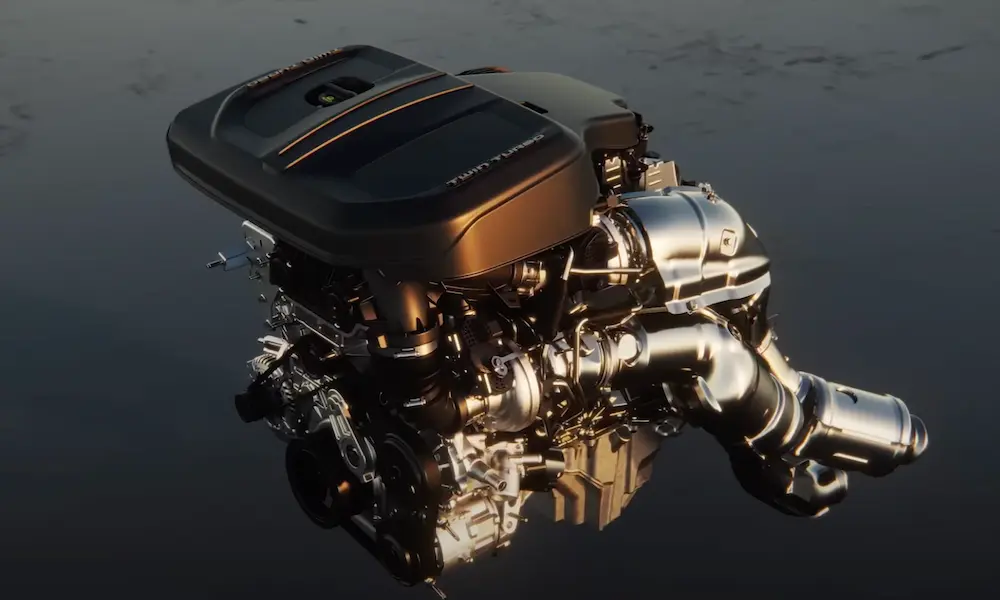
That engine produces 250 horsepower and 260 lb-ft of torque. It pairs with a traditional nine-speed automatic — not a CVT — which makes it far more durable for high-mileage driving. Owners on Reddit describe the acceleration as genuinely surprising for a family sedan.
By 2021, GM had resolved the piston-cracking problems that plagued 2016–2018 models. The 2022 Malibu earned an 85/100 J.D. Power Reliability Score, confirming the platform had stabilized in its final years.
One caveat: watch out for the “Shift to Park” defect (more on that below). Stick to the 2.0L Premier trim to get the best engine and avoid the CVT entirely.
Chevy Malibu Years to Avoid
2010: The Problem Child of Generation Seven
The 2010 Malibu is frequently flagged as the most problematic of its generation. Owners reported stretched timing chains, excessive oil consumption, and electrical gremlins in the 2.4L Ecotec engine. Leave this one alone.
2013: A Rushed Launch Full of Bugs
The 2013 was the first year of the eighth generation, and it shows. A defective fuse box caused intermittent power steering failures and flickering screens. The new engine start-stop system was rough and unrefined. Analysts consistently rate it as one of the worst Malibu years ever produced.
2016: Cracked Pistons Before 20,000 Miles
The 2016 was the first year of the ninth generation, and it launched with a serious flaw. The new 1.5L turbocharged engine suffered from Low-Speed Pre-Ignition (LSPI) — a condition where fuel ignites too early, cracking pistons. Some engines failed before reaching 20,000 miles.
This isn’t a minor issue. It’s a potential engine replacement before your first oil change is overdue.
The “Shift to Park” Problem: What Every Ninth-Gen Buyer Needs to Know
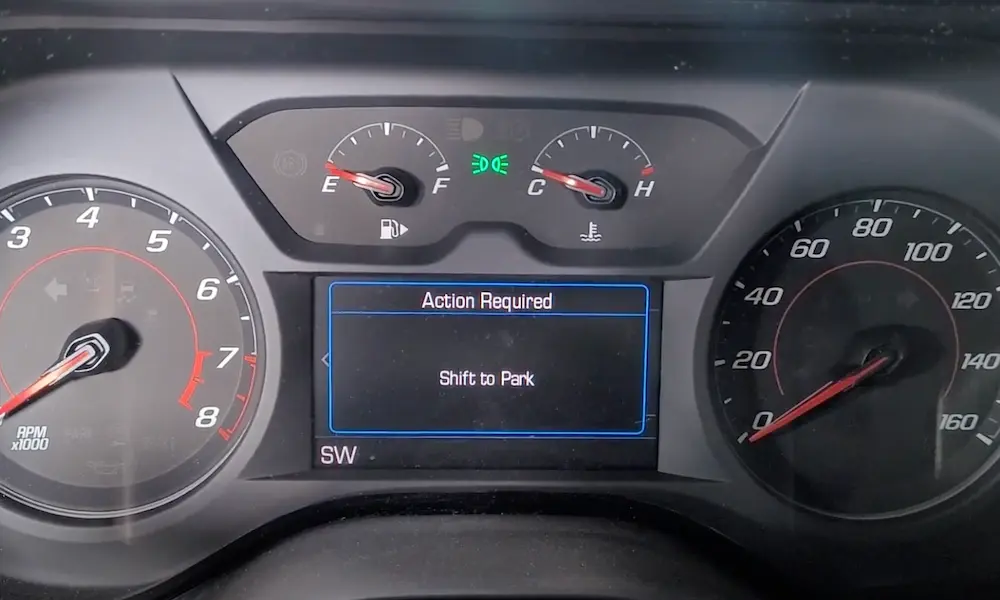
If you’re shopping for any Malibu from 2016 to 2023, you need to understand this defect. The car’s shifter has a microswitch that sometimes fails to recognize when you’ve actually shifted into Park. The result: the car stays in Accessory Mode, drains your battery, and you can’t lock your doors or turn off the ignition properly.
A 2025 class action settlement covers 2016–2019 models, but replacement shifter assemblies often develop the same problem. Repair costs run $500 to $1,000, sometimes up to $2,000.
If you buy a ninth-gen Malibu, ask the seller directly whether this has been repaired. Then verify it yourself before you sign anything.
Breaking Down the Engines: Which One Should You Choose?
The ninth generation offered three completely different powertrains. Each one has a different ownership experience.
| Engine | Combined MPG | Horsepower | Transmission | Key Concern |
|---|---|---|---|---|
| 1.5L Turbo | 30–32 | 160–163 | CVT (2019+) | LSPI risk in 2016–2018 models |
| 2.0L Turbo | 26 | 250 | 9-Speed Auto | Generally very reliable |
| 1.8L Hybrid | 46 | 182 (system) | Electric Drive | Costly module repairs as it ages |
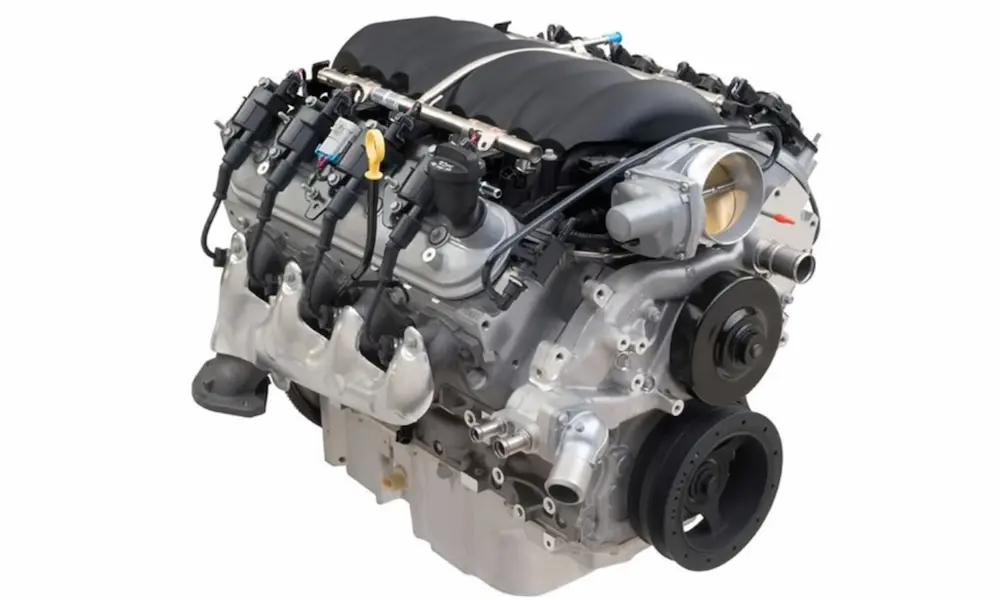
The 2.0L turbocharged engine is the clear winner for long-term ownership. It’s paired with a traditional automatic, it’s powerful, and CarGurus notes it’s the superior powertrain for performance-driven buyers. GM discontinued it after 2021, which means used 2.0L models are increasingly sought after.
The 1.5L is fine if you buy 2020 or newer and commit to using 91-octane fuel plus quality synthetic oil. The early piston issues were largely corrected by 2020.
Skip the hybrid unless you find a low-mileage example and get it inspected by a hybrid specialist first. The 1.8L hybrid achieved 46 mpg combined, but aging hybrid power control modules can create repair bills that wipe out years of fuel savings.
What Does a Chevy Malibu Actually Cost to Own?
The Malibu’s reputation as a bargain buy is well-earned — but only if you pick the right year.
RepairPal puts average annual maintenance at $532, which is only slightly above the midsize sedan average of $526. That sounds fine until you consider what happens when a major repair hits.
| Vehicle Age | Estimated Annual Cost | Major Repair Probability |
|---|---|---|
| Year 1 | $281 | 1.97% |
| Year 3 | $409 | 3.66% |
| Year 5 | $629 | 9.30% |
| Year 10 | $1,031 | 19.90% |
Over ten years, a Malibu costs around $6,882 in maintenance — about $1,136 more than the segment average. That gap comes almost entirely from the big-ticket failures tied to problem years: timing chains in 2008–2010 models, and turbocharger and CVT issues in 2016–2018 models.
Buy a peak-year model and most of that extra cost disappears.
The depreciation story is actually a huge selling point for buyers. A Malibu loses roughly 50% of its value within five years. That’s bad for original owners, but it means you can buy a 2015 or 2021 Premier with low miles at a genuinely attractive price. A 2020 model averages around $20,960 on the used market. A Toyota Camry from the same year costs significantly more.
Safety: Where the Malibu Shines (and Where It Doesn’t)
The Malibu has a strong safety track record — with one notable exception.
- 2012: IIHS Top Safety Pick with “Good” scores across roof strength and side impact
- 2015: IIHS Top Safety Pick with a “Good” rating in the small overlap front test
- 2021: Five-star overall NHTSA safety rating
The ninth-gen Malibu also introduced Teen Driver technology — a feature that lets parents set speed limits, cap the volume, and review a driving report card. Advanced driver assistance systems like automatic emergency braking and lane-keeping assist were available as optional packages.
Here’s the catch: the 2022 Malibu earned a “Poor” rating from IIHS under updated side-impact testing using a heavier barrier at higher speeds. The test showed the driver’s head struck the window sill, and rear passenger protection was inadequate. The platform simply wasn’t redesigned to meet 2020s crash standards.
This doesn’t make the 2021 or 2022 unsafe in everyday driving. But it does mean newer competitors have structurally moved ahead.
Smart Maintenance Tips That Extend Your Malibu’s Life
Use the Right Oil and Fuel in the 1.5L
If you own a 2020+ Malibu with the 1.5L turbo, use 91-octane or 93-octane fuel and high-quality synthetic oil. The LSPI issue is worsened by carbon deposits and wrong oil specs. Some owners install an aftermarket oil catch can to manage blow-by — it’s cheap insurance.
Change the CVT Fluid More Often Than GM Suggests
The CVT in 2019+ 1.5L models isn’t built to go 100,000 miles on original fluid. Experts recommend a fluid change every 45,000 to 60,000 miles to protect the steel belt and keep shifts smooth.
Watch Your Temperature Gauge on Late-Model 1.5L Models
Late-model 1.5L Malibus (2018–2024) show a pattern of the P0480 diagnostic code, which signals a cooling fan circuit problem. A faulty fan at idle means your engine overheats in traffic. If your AC suddenly stops blowing cold air while you’re sitting still, that’s your first warning sign. Don’t ignore it — warped heads are expensive.
Quick Reference: Best and Worst Years at a Glance
| Year | Generation | Buy or Avoid? | Key Reason |
|---|---|---|---|
| 2010 | Gen 7 | ❌ Avoid | Timing chain failure, oil consumption |
| 2012 | Gen 7 | ✅ Buy | 89/100 reliability, simple mechanics |
| 2013 | Gen 8 | ❌ Avoid | Defective fuse box, power steering failures |
| 2015 | Gen 8 | ✅ Best Overall | 92/100 reliability, J.D. Power awards |
| 2016 | Gen 9 | ❌ Avoid | LSPI piston cracking before 20k miles |
| 2019 | Gen 9 | ⚠️ Caution | CVT introduced, mixed initial reviews |
| 2021+ Premier | Gen 9 | ✅ Buy | Fixed engine issues, 250hp 2.0L, modern tech |
The best year for Chevy Malibu depends on your priorities. Want the most reliable engine with the cleanest ownership history? Buy the 2015. Want something affordable that just works? Buy the 2012. Want modern tech, real power, and a daily driver that’s still fun? Find a 2021 Premier with the 2.0L.
All three reward you with a well-rounded sedan at a price that makes most Japanese rivals look overpriced by comparison.