Shopping for a used RAV4 feels simple—until you fall down a rabbit hole of oil-burning engines, leaky roofs, and sketchy transmissions. Some years are genuinely great buys. Others are expensive mistakes. This guide cuts through the noise so you pick the right one.
Why the “Best Year” Actually Matters
Not all RAV4s are equal. Toyota tends to iron out bugs toward the end of each generation—not at the start. That pattern repeats across 30 years of production. Buy at the wrong point in the cycle, and you’re paying someone else’s repair bills.
The short version? Avoid first-year redesigns. Chase the final years of each platform. Here’s exactly what that means in practice.
The First Generation (1996–2000): Surprisingly Bulletproof
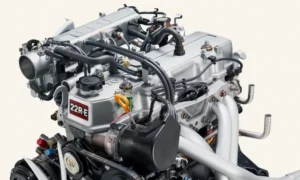
The original RAV4 ran a 3S-FE 2.0-liter four-cylinder engine. It wasn’t fast, but it was nearly unbreakable. The design was non-interference, the block was robust, and electronic systems were minimal—meaning fewer things could go wrong.
The 1996 and 1997 models are considered among the most durable compact SUVs ever built. The manual and four-speed automatic transmissions routinely exceeded 200,000 miles with just fluid changes.
The catch? Highway noise at speed was noticeable, and the engine strained on hills. Minor issues like spare wheel holder breakage showed up occasionally. But for sheer mechanical longevity on a tight budget, these early models are hard to beat.
The Second Generation (2001–2005): Avoid 2001–2003, Love 2004–2005
This is where the RAV4’s reputation took its first serious hit.
Why 2001–2003 Are Problem Years
The 2001 redesign brought a nicer interior—and a deeply flawed Engine Control Module (ECM). The ECM’s internal circuitry governed automatic transmission shift logic. When it degraded, the transmission started slamming into gear, hesitating around 40 mph, and eventually destroying itself from the inside out.
Repair bills frequently exceeded the car’s value. Avoid these years unless you have verified proof the ECM was professionally replaced.
Why 2004–2005 Are Hidden Gems
Toyota fixed the ECM problem and swapped in the 2.4-liter 2AZ-FE engine for 2004. They also added standard vehicle stability control—a genuine safety upgrade. Reliability platforms award these two years top marks, and they remain one of the best budget options on the used market today.
| Production Phase | Model Years | Key Issue | Verdict |
|---|---|---|---|
| Early Gen 2 | 2001–2003 | ECM/Transmission failure | ❌ Avoid |
| Late Gen 2 | 2004–2005 | Resolved; stability control added | ✅ Recommended |
The Third Generation (2006–2012): Skip the Early Years, Grab the Late Ones
The Gen 3 RAV4 was bigger, bolder, and—in its early years—plagued by one of Toyota’s most embarrassing mechanical failures.
The Oil Consumption Crisis: 2006–2008
The 2.4-liter engine in 2006–2008 RAV4s had a piston ring design flaw. Oil bypassed the rings and burned inside the combustion chamber. We’re not talking about a slow drip—some owners added one to four quarts between scheduled oil changes.
Toyota eventually acknowledged the problem through Warranty Enhancement Program ZE7, which covered piston and ring replacement. The inspection procedure required sealing the oil system and returning after 1,100–1,300 miles for a consumption check. Qualifying vehicles got a complete engine teardown, following the 2AZ-FE oil consumption inspection procedure.
Bottom line: Only consider a 2006–2008 RAV4 if you can prove the ZE7 rebuild was completed. Otherwise, walk away.
The V6 Option: Power With a Catch
The optional 3.5-liter V6 (2GR-FE) turned the RAV4 into a proper performance crossover—0 to 60 mph in 7.2 seconds. But it has a known weakness: the front timing cover gasket. Over time, oil leaks at the junction of the cylinder head, engine block, and timing cover.
The problem isn’t rapid oil loss—it’s the repair cost. Fixing it requires dropping the entire engine and subframe, with labor estimates running $2,600 to $6,000. Factor that into your budget before buying.
2009–2012: The Reliable Years
In 2009, Toyota swapped the troubled 2.4-liter engine for the 2.5-liter 2AR-FE. Oil consumption problems disappeared. The 2AR-FE became one of the most dependable four-cylinders in Toyota’s modern lineup.
| Model Year | Key Status | Verdict |
|---|---|---|
| 2006–2007 | Severe oil consumption | ❌ Avoid |
| 2008 | Final year of piston ring issues | ⚠️ Caution |
| 2009 | New 2.5L engine introduced | ✅ Moderate |
| 2010–2012 | Refined 2.5L; improved safety | ✅ Recommended |
The 2011–2012 models hit a sweet spot for budget buyers. You get a fixed engine, a flat load floor, and strong cargo space—all for well under $15,000 in most used markets.
The Fourth Generation (2013–2018): The Best Overall Era
This is the generation most experts point to when discussing the best year for Toyota RAV4. The XA40 platform combined a mature powertrain, improving safety tech, and strong build quality.
2018: The Statistical Winner
The 2018 RAV4 is widely considered the most reliable model of the past two decades. By the final year of this platform, Toyota had five years of refinement behind it. The 2.5-liter engine paired with a proven 6-speed automatic transmission—no CVT hunting, no hesitation issues.
J.D. Power gave the 2018 model an 88/100 quality rating. Car Complaints logged only 34 total reported issues for the year—an exceptional number for a high-volume vehicle. It’s a RAV4 that can reach 300,000 miles on standard maintenance.
Fourth-Generation Milestones
- 2013: Launch year; removed the V6 option and swing-gate
- 2016: Mid-cycle refresh; introduced the first RAV4 Hybrid
- 2017: Toyota Safety Sense P (TSS-P) standardized across all trim levels—pre-collision braking, lane-keeping assist, automatic high beams
- 2018: Final production year; peak manufacturing consistency and top resale value
The safety jump from Gen 3 to Gen 4 was dramatic. The 2012 model earned only three NHTSA stars in frontal crash testing. The 2013 redesign earned IIHS Top Safety Pick status right out of the gate with a reinforced roof structure rated at five times the vehicle’s weight.
The Fifth Generation (2019–Present): Great Eventually, Rough at Launch
The 2019 TNGA-K platform redesign improved fuel efficiency and gave the RAV4 a more rugged look. But the first two model years had issues worth knowing about.
2019–2020: Teething Problems
The new 8-speed “Direct Shift” automatic transmission frustrated many early owners. Low-speed lurching and hesitation—especially during rolling stops—were widely reported. Toyota issued TSB-0107-19 to modify the shift schedule, which helped most owners but didn’t fully satisfy everyone.
A more serious problem: roof rail mounting clips on 2019–2021 models used thin, porous gaskets that let water into the cabin. The water could damage the headliner and—critically—the electronic control units and airbag assemblies in the A-pillars. Toyota issued Customer Support Program 22TE05 to replace the clips with redesigned, thicker gaskets. Before buying a 2019–2021 model, confirm this service was completed.
“Cablegate”: The Hybrid-Specific Issue
RAV4 Hybrid owners in cold climates discovered another problem—high-voltage cables powering the rear motor were vulnerable to corrosion at the connector housing. Road salt and moisture caused galvanic corrosion, potentially requiring a $5,000+ wiring harness replacement. Toyota extended the warranty on this component to 10 years or 150,000 miles, provided owners complete a preventative sealing service.
2022 and Beyond: Solid Ground
By 2022, Toyota had ironed out most fifth-gen issues. Consumer Reports gave the 2022 RAV4 a 94/100 reliability rating. The refined transmission logic, corrected roof gaskets, and broader technology suite make 2022–2024 models safe picks for buyers who want modern features.
Fifth-Generation Powertrain Comparison
| Model | Horsepower | Fuel Economy (Combined) | Best For |
|---|---|---|---|
| RAV4 Gas (2.5L) | 203 HP | 30 MPG | Lower upfront cost |
| RAV4 Hybrid | 219 HP | 39–40 MPG | City efficiency |
| RAV4 Prime (PHEV) | 302 HP | 94 MPGe / 38 MPG | 42-mile EV range |
Tech Features by Year: When Did Android Auto Arrive?
For many buyers, infotainment matters as much as engine specs. Here’s the connectivity timeline:
| Feature | 2018 | 2019 | 2020–2022 | 2023–Present |
|---|---|---|---|---|
| Apple CarPlay | No | Yes | Yes | Wireless |
| Android Auto | No | No | Yes (all trims) | Wireless |
| Amazon Alexa | No | Yes | Yes | Integrated |
| Wireless Charging | No | Optional | Optional | Dual (high trims) |
The 2020 model year is the cutoff for Android users. If you need both Apple CarPlay and Android Auto, don’t go older than 2020. The 2023 refresh added a 10.5-inch display with over-the-air update capability—a meaningful jump in usability.
What Does a RAV4 Actually Cost to Maintain?
The RAV4’s ownership costs are genuinely impressive. Annual maintenance averages $429, compared to a $633 industry average.
10-Year Maintenance Projection
| Year of Ownership | Estimated Annual Cost | Major Repair Probability |
|---|---|---|
| Year 1 | $261 | 1.0% |
| Year 3 | $368 | 5.0% |
| Year 5 | $551 | 17.0% |
| Year 8 | $823 | 25.0% |
| Year 10 | $887 | 16.61%—industry best |
Only 16.61% of RAV4s require a major repair (over $500) in the first 10 years—nearly 8% better than the segment average.
Hybrid battery costs if you’re considering the hybrid variant:
- New OEM battery: $3,000–$8,000
- Refurbished replacement: $1,500–$3,500
- Most batteries last 150,000–200,000 miles with proper care
- Clean the hybrid battery cooling fan filter regularly to prevent overheating
Best Year for Toyota RAV4 by Buyer Type
Here’s the bottom line, sorted by what matters most to you:
Best overall reliability → 2018
Mature platform, proven transmission, stellar quality scores. The safest used buy in the entire RAV4 lineup.
Best budget pick → 2011–2012
Fixed engine, solid cargo space, easy to find under $15,000. Skip the V6 unless you’re prepared for potential timing cover costs.
Best for modern tech → 2022+
Both Apple CarPlay and Android Auto, refined hybrid system, roof leak fix already completed on most vehicles.
Best performance pick → 2012 V6
269 horsepower in a compact SUV frame. Nothing else in the RAV4’s history touches it for raw driving fun—just budget for potential timing cover maintenance.
The pattern is consistent across every generation: wait for Toyota to solve the launch issues, then buy. The best year for a Toyota RAV4 is almost always the one right before the next redesign.