Shopping for a used Sequoia but drowning in options? This guide cuts through the noise and tells you exactly which model years are worth your money — and which ones to skip. Stick around, because the answer isn’t as simple as you’d think.
Why the Toyota Sequoia Still Holds Up
The Toyota Sequoia has been rolling off the line since 2001. That’s 25+ years of body-on-frame, full-size SUV goodness. According to RepairPal, it scores 4.0 out of 5.0 for reliability, ranking 5th out of 14 full-size SUVs. Owners average just 0.3 to 1.5 unscheduled repairs per year — better than most rivals.
It’s not flashy. It doesn’t reinvent itself every three years. But that’s exactly why Sequoia owners keep them for over a decade.
The Sequoia has gone through three distinct generations:
- First Gen (2001–2007): XK30/XK40, 4.7L V8
- Second Gen (2008–2022): XK60, 5.7L V8 — the longest run
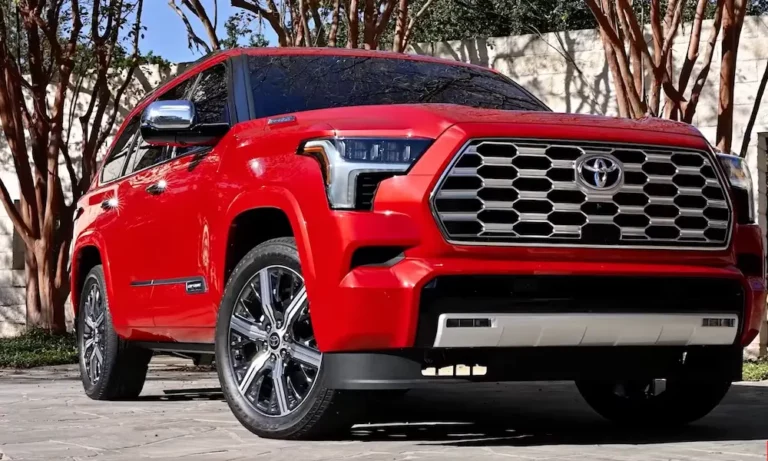
- Third Gen (2023–Present): XK80, hybrid turbo V6
Each generation has standout years and years you’d rather forget. Let’s break it down.
The Best Year for Toyota Sequoia Overall: 2021
If you want one answer, here it is — the 2021 Toyota Sequoia is the best year for Toyota Sequoia buyers who prioritize long-term reliability. It’s the second-to-last year of the XK60 platform, meaning it had 14 years of refinement behind it.
Here’s why the 2021 wins:
- Standard Toyota Safety Sense-P (TSS-P) — automatic emergency braking, lane departure alert, dynamic radar cruise control
- Apple CarPlay and Android Auto — added standard in 2020
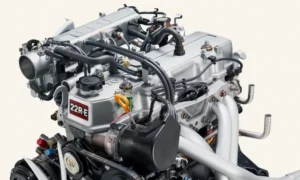
- Proven 5.7L 3UR-FE V8 — 381 hp, timing chain (not belt), no scheduled replacement
- Lowest reported mechanical failure frequency of any second-gen model
- Avoids every first-generation rust and recall issue
- Avoids the first-year teething problems of the 2023 hybrid redesign
CarBuzz ranks it as the peak of the V8 platform, and we agree. If 300,000 miles is your goal, start here.
Best Year for Toyota Sequoia by Budget and Use Case
The “best” year shifts depending on what you need. Here’s how to match the right year to your situation.
Best Budget Pick: 2015
The 2015 Sequoia hits the sweet spot between price, features, and dependability. By 2015:
- The 5.7L V8 was the only engine available — no confusion about which one to get
- A rearview camera and sunroof became standard on all trims
- 90% of polled owners recommended the 2015 model according to Kelley Blue Book
- Early second-gen issues — like the accelerator pedal recall and transmission software glitches — were long gone
It won’t have CarPlay. But it will have solid bones, a well-sorted drivetrain, and a much lower sticker price than a 2021.
Best Pick for Tech and Safety: 2020
The 2020 Sequoia is the first year that added Apple CarPlay and Android Auto as standard equipment. It also has TSS-P across all trims. If you want modern safety tech without paying 2021 prices, the 2020 is your next best option.
Best Pick for Off-Road Builds: 2005–2007
Want to build an overland rig on a budget? The facelifted first-gen models are your best candidates. The 2005 refresh brought:
- VVT-i technology, bumping output to 282 hp
- A new five-speed automatic transmission
- More torque for hauling heavy off-road gear and bigger tires
Big caveat: These frames are prone to serious rust. Toyota’s multi-billion dollar frame corrosion settlement covered inspections and replacements. Only buy a 2005–2007 if the frame has already been replaced under this recall or the vehicle lived its whole life in a dry climate. No exceptions.
Best Pick for Maximum Towing: 2025
The 2025 Sequoia tops out at 9,520 pounds of towing capacity. It also adds features no previous Sequoia had:
- Straight Path Assist — steering automation helps you back a trailer in a straight line
- Digital rearview mirror — see clearly behind your trailer
- Massaging seats on Platinum and Capstone trims
If your weekend involves a boat, a horse trailer, or a heavy camper, the 2025 is built for it. Just know you’re paying new-car prices for new-car technology.
| Buyer Type | Best Year | Key Reason |
|---|---|---|
| Reliability purist | 2021 | Peak of the V8 platform; most refined |
| Tech-savvy parent | 2020 | First year for CarPlay/Android Auto + TSS-P |
| Budget-conscious family | 2015 | Best features-to-value ratio |
| Overlander/off-road builder | 2005–2007 | Facelifted Gen 1; highly modifiable |
| Heavy tower/power user | 2025 | Max towing + best trailer tech available |
Generations at a Glance: Performance and Efficiency
| Generation | Standard Engine | Horsepower | Combined MPG | Max Towing |
|---|---|---|---|---|
| First (2001–2007) | 4.7L V8 | 240–282 | 14–15 | 6,500 lbs |
| Second (2008–2022) | 5.7L V8 | 381 | 14–15 | Up to 9,100 lbs |
| Third (2023–Present) | 3.4L Hybrid V6 | 437 | 20–22 | 9,520 lbs |
The third-gen hybrid is the first Sequoia to meaningfully improve fuel economy. It also delivers the most torque — 583 lb-ft — by pairing a twin-turbo V6 with an electric motor. That’s a massive leap from the old naturally aspirated V8.
Model Years to Avoid
Knowing the best year for Toyota Sequoia means knowing which years to skip.
Avoid: 2001–2004 (First Gen, Pre-Facelift)
- Only a four-speed automatic — slower and less efficient
- 240 hp felt weak even in 2001
- Timing belt still needed replacement every 90,000 miles — skip it if the service history is murky
- Highest rust risk
Avoid: 2002 (Worst Single Year)
The 2002 model year is the most complained-about year in Sequoia history for electronics. VSC and traction control systems would randomly activate, applying brakes mid-drive and pulling the wheel. Software updates helped some units. Many still act up.
Avoid: 2008–2010 (Early Second Gen)
Early second-gen models had accelerator pedal recalls and transmission software problems. The secondary air injection pump issues from the first gen also carried over into these years. Pass on them unless the price is very low and all recalls are confirmed complete.
Proceed Carefully: 2023–2024
The third-gen hybrid is impressive, but first-year and second-year models had transmission-related recall activity. Toyota issued software updates through dealerships, but many buyers prefer to let a new platform settle before committing. If you want the new hybrid, the 2025 is a safer bet.
Known Problems to Watch Before Buying
Cam Tower Oil Leak (2008–2017)
This is the most common repair issue in the second generation. The cam tower uses a silicone sealant instead of a traditional gasket. Over time, it degrades — usually at the rear of the engine — and drips onto the exhaust. You’ll smell burning oil inside the cabin first.
The repair costs between $1,200 and $3,500 because it requires removing the valve covers, timing chain components, and camshafts. Before buying any 2008–2017 model, grab a flashlight and check the engine from the front wheel wells. Damp, dark residue on the block above the exhaust manifold = price negotiation or walk away.
Secondary Air Injection Pump Failure (2005–2012)
Moisture gets into these pumps. When they fail, the ECU triggers limp mode and cuts power dramatically. Repairs run $903 to $1,537 on average. Toyota revised the parts around 2012, so 2013+ models don’t carry this risk.
Lower Ball Joint Failure (2002–2007)
A manufacturing defect in the lower ball joint housing caused excessive wear. In the worst cases, the joint separates from the steering knuckle while moving — the wheel collapses outward and you lose steering entirely. This was a formal recall, so verify it’s been completed via the VIN before buying any first-gen Sequoia.
Timing Belt (2001–2007)
The 4.7L 2UZ-FE is a bulletproof engine, but it’s an interference design with a rubber timing belt. Belt replacement is required every 90,000 miles. If the belt snaps before service, valves and pistons collide — engine destroyed. Always replace the water pump at the same time, since it runs off the same belt. Budget $600–$1,000 for the job.
| Issue | Affected Years | Estimated Repair Cost |
|---|---|---|
| Cam tower oil leak | 2008–2017 | $1,200–$3,500 |
| Air injection pump failure | 2005–2012 | $903–$1,537 |
| Lower ball joint recall | 2002–2007 | $200–$400 |
| Timing belt + water pump | 2001–2007 | $600–$1,000 |
| Oxygen sensor | 2001–2004 | $200–$300 |
The 2018–2022 Window: Best Used Buying Range
If you’re shopping used right now, the 2018–2022 bracket is the smartest acquisition window. Here’s why this range works so well:
- TSS-P became standard in 2018 — automatic emergency braking, lane departure alert, auto high beams, radar cruise control
- The 5.7L V8 was fully sorted — no known systemic issues in these years
- 2020+ adds CarPlay and Android Auto — making them feel current in any modern driveway
- You avoid all first-gen rust, suspension, and timing belt concerns
- You avoid the uncertainty of a brand-new hybrid platform
The iSeeCars reliability score for the second generation is 9.6 out of 10 — the highest of any Sequoia generation by a wide margin.
What the Third Gen Gets Right (And Where It Trades Off)
The 2023+ Sequoia isn’t better or worse — it’s different. Here’s the honest breakdown.
What improved:
- Fuel economy jumps to 20–22 MPG combined — a massive gain
- Combined output of 437 hp and 583 lb-ft of torque — more than any previous Sequoia
- Towing capacity hits 9,520 lbs in top configurations
What got worse:
- Cargo space dropped from 120.1 cubic feet to just 86.9 cubic feet — that’s a significant loss
- The third row no longer folds flat — the solid rear axle and hybrid battery pack are in the way
- The return to a solid rear axle stiffened the ride compared to the second gen’s independent rear suspension
- More complex powertrain = more components that can eventually fail
For pure family hauling and max cargo room, the second gen still wins. For towing and fuel efficiency, the third gen pulls ahead.
Final Thoughts on Picking the Right Year
The best year for Toyota Sequoia isn’t a one-size-fits-all answer. But the pattern is clear:
- Used buyer who wants it to last forever? Get a 2021.
- Used buyer on a budget? The 2015 is your sweet spot.
- New car buyer? Skip the 2023–2024 and go straight to 2025.
- Off-road builder with patience? A 2005–2007 with a clean frame can be a great platform.
The Sequoia’s slow pace of change is a feature, not a flaw. By the time Toyota moved on from the V8, it had squeezed every drop of reliability out of that platform. That’s exactly what makes a well-chosen Sequoia one of the smartest long-term buys in the full-size SUV segment.