Shopping for a used Tacoma is trickier than it looks. The wrong year can cost you thousands in repairs before you even hit 100k miles. This guide breaks down every generation, flags the years to skip, and tells you exactly which model year earns the “best year for Toyota Tacoma” crown. Read to the end — the answer might surprise you.
Why the Year You Pick Actually Matters
Not all Tacomas are built equal. A 2006 might look identical to a 2015 on a lot, but one could rot from the frame up while the other runs past 300,000 miles without drama. Toyota has released four distinct generations since 1995, and each one has clear winners, losers, and years that fall somewhere in the uncomfortable middle.
The goal here is simple: match you with the right truck for your budget, use case, and risk tolerance.
First Generation (1995–2004): Simple, Honest, and Structurally Compromised
The first-generation Tacoma built the truck’s reputation from scratch. These were straightforward machines — minimal electronics, robust drivetrains, and a repairability that modern trucks can’t touch.
The Engines That Built the Legend
Three engines powered this era:
| Engine | Displacement | HP | Torque | Best For |
|---|---|---|---|---|
| 2RZ-FE | 2.4L I4 | 142 | 160 lb-ft | RWD base models |
| 3RZ-FE | 2.7L I4 | 150 | 177 lb-ft | 4WD and XtraCab |
| 5VZ-FE | 3.4L V6 | 190 | 220 lb-ft | Towing and performance |
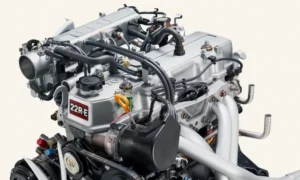
The 3.4-liter 5VZ-FE V6 is the star of this generation. It’s one of the most durable engines Toyota ever built. A few early units had minor head gasket issues, but the general consensus is that this engine is genuinely legendary.
The 2001–2004 model years are the top picks from this generation. Toyota added the Double Cab configuration and refreshed the safety features mid-cycle. These trucks are compact, nimble, and mechanically honest.
The Frame Problem You Can’t Ignore
Here’s the ugly truth: first-gen Tacomas rot from the inside out. The fully-boxed frames trapped moisture, and trucks in Salt Belt states turned into structural hazards. Toyota responded with a serious service campaign — buybacks at 1.5x Kelley Blue Book value for 1995–2000 trucks and full frame replacements for 2001–2004 trucks.
A 2004 Tacoma with a replaced frame is arguably a forever truck. An original-frame 1998 model near the coast? That’s a gamble you probably don’t want to take.
Bottom line: Only buy a first-gen if you can verify the frame history.
Second Generation (2005–2015): The Gold Standard Era
The second-generation Tacoma is where the truck grew up. It got bigger, stronger, and far more capable — while holding onto the mechanical simplicity that made the first gen special. This is the era that most experts point to when someone asks about the best year for Toyota Tacoma.
The 4.0-Liter V6 That Won’t Quit
Toyota dropped the 4.0-liter 1GR-FE V6 into the second gen, and it was a massive upgrade:
| Engine | HP | Torque | Max Tow | Transmission |
|---|---|---|---|---|
| 2.7L I4 (2TR-FE) | 159 | 180 lb-ft | 3,500 lbs | 5MT / 4AT |
| 4.0L V6 (1GR-FE) | 236 | 266 lb-ft | 6,500 lbs | 6MT / 5AT |
The 1GR-FE is routinely described as “bulletproof”, with documented cases of it exceeding 300,000 to 400,000 miles on routine fluid changes alone. That’s not marketing copy — that’s real-world data from actual owners.
The 2.7-liter 2TR-FE also earned serious respect. A 2008 Tacoma with this engine reached 1.6 million miles on its original chassis. Yes, really.
Why 2015 Is the Best Year for Toyota Tacoma — Full Stop
The 2015 Toyota Tacoma is the peak. It’s the final year of the second generation, which means it absorbed a full decade of refinements. Here’s why it wins:
- Frame coating fixed — the rust issues from 2005–2010 models were addressed
- Entune infotainment — modern enough to not feel ancient
- Last 4.0-liter V6 — before Toyota switched to the more complex Atkinson-cycle engine
- J.D. Power reliability score of 85 out of 100
- CarComplaints “Seal of Awesome” — one of the highest distinctions for used cars
If you’re buying a used Tacoma and can only remember one year, make it 2015.
Early Second-Gen Years to Watch Out For
- 2005–2006: Head gasket failures and paint peeling problems
- 2005–2010: Frame rust — same corrosion drama as the first gen
- 2011: Multiple safety recalls — seat belts, leaf springs that could puncture the fuel tank, melting daytime running light lenses
- 2012: Secondary Air Injection pump failures that can cost $3,000+ to fix
Third Generation (2016–2023): Modern Tech, Early Growing Pains
The third gen brought a full redesign, standard safety systems, and a new engine. It’s a more refined daily driver than its predecessors. But the early years stumbled hard.
The Transmission “Gear Hunting” Problem
Toyota replaced the beloved 4.0-liter V6 with a 3.5-liter 2GR-FKS using an Atkinson cycle. On paper: more horsepower (278 hp). In practice: owners immediately complained about gear hunting — the transmission constantly cycling between 5th and 6th gear at highway speeds, feeling sluggish compared to the old V6.
The 2016 and 2017 models are the worst offenders. Beyond transmission drama, these years also saw:
- Crank position sensor failures
- Timing cover oil leaks on the 3.5L V6 costing $3,000–$6,000 to repair
Skip them.
The 2018–2023 Sweet Spot
Toyota fixed the transmission’s ECU mapping through Technical Service Bulletin TSB-0058-18, and the 2018 model year became the turning point. Here’s how the third gen stacks up:
| Model Year | Key Updates | Buy It? |
|---|---|---|
| 2016 | New 3.5L V6, redesign | Avoid |
| 2017 | Minor updates, transmission issues continue | Avoid |
| 2018 | Toyota Safety Sense standard, ECU fix | ✅ Yes |
| 2019 | Improved transmission logic | ✅ Yes |
| 2020 | 10-way power seat, Apple CarPlay / Android Auto | ✅ Yes |
| 2021–2023 | Platform maturity, highly stable | ✅ Highly Recommended |
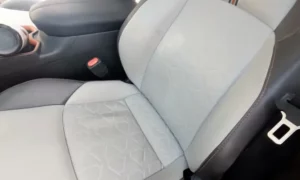
The 2020 model deserves a special mention. It added a 10-way power-adjustable driver’s seat — a fix that taller owners had begged for since 2016. It also brought proper smartphone integration, which transformed the third gen into a genuinely livable daily driver.
The Super White Paint Issue
One hidden headache affects 2008–2022 Tacomas in Super White (040) or Blizzard Pearl: the paint peels off in large sections, primarily on the roof and door pillars. Toyota released Customer Support Program CSP 23TE08 for 2016–2022 models offering free repaints. If you’re shopping for a white third-gen Tacoma, confirm whether the repaint has already been done — it directly affects resale value.
Fourth Generation (2024–Present): Powerful but Unproven
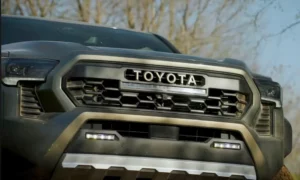
The 2024 Tacoma is the most radical redesign in the truck’s history. It moved to a turbocharged 2.4-liter four-cylinder and introduced an i-FORCE MAX hybrid producing 326 hp and 465 lb-ft of torque — numbers that would’ve been absurd in a mid-size truck ten years ago.
But history repeats itself. The first year of every new Tacoma generation has had problems, and 2024 is no exception.
Toyota issued a Technical Service Bulletin for the new 8-speed automatic transmission. Manufacturing debris causes pressure control solenoids to stick, leading to gear slipping or total transmission failure. The corrective action? Replace the entire transmission and torque converter.
Toyota also issued recalls for 2024–2025 Tacoma 4WD trucks covering rear brake hose damage from mud buildup and rear axle shaft separation from loose retaining nuts.
The 2024 Tacoma isn’t a bad truck. It’s just not a proven truck yet. Wait for the 2026 or 2027 models before calling this generation reliable.
TRD Trim Comparison: Which One Should You Get?
The trim level changes the ownership experience significantly — especially if you plan to go off-road or tow regularly.
| Feature | TRD Sport | TRD Off-Road | TRD Pro |
|---|---|---|---|
| Primary Use | Street / Light Trail | Technical Off-Road | High-Performance Off-Road |
| Suspension | Hitachi (firm) | Bilstein (compliant) | Fox Internal Bypass |
| Rear Differential | Limited Slip (Auto) | Locking | Locking |
| Wheel Size | 17″ or 18″ | 16″ | 16″ |
For most buyers, the TRD Off-Road wins. The Bilstein shocks ride better on pavement than the TRD Sport’s Hitachi setup, and the factory rear locker handles technical terrain without requiring upgrades. The TRD Pro’s Fox shocks need rebuilding more frequently and carry a premium price that rarely justifies itself for everyday use.
The Reliability Engine Winner: 2.7L 2TR-FE
If low cost of ownership is your top priority, skip the V6 entirely. The 2.7-liter 2TR-FE four-cylinder found in 2013–2015 and 2018–2023 base trims is mechanically simpler, burns less fuel, and has a documented track record of clearing half a million miles without major drama. It’s not a towing monster — but for commuters and fleet operators, it’s the smartest long-term choice.
The Final Rankings at a Glance
| Rank | Year | Why |
|---|---|---|
| 🥇 Best Overall | 2015 | Last 4.0L V6, fixed frame coating, peak 2nd-gen refinement |
| 🥈 Best Modern Pick | 2020–2023 | Transmission fixed, CarPlay, power seat, daily driver comfort |
| 🥉 Best Budget Pick | 2004 | Legendary 3.4L V6, compact size (verify frame history first) |
Years to avoid:
- 2006–2009 — Frame rust, head gasket failures, paint issues
- 2011–2012 — High recall volume, air injection pump failures
- 2016–2017 — Transmission gear hunting, timing cover leaks
- Early 2024 — 8-speed transmission failures, axle recalls still being resolved
The Tacoma’s reputation isn’t hype — it’s built on decades of iterative engineering. Pick from the refined end of any generation’s production cycle, and you’ll get a truck that earns every mile you put on it.