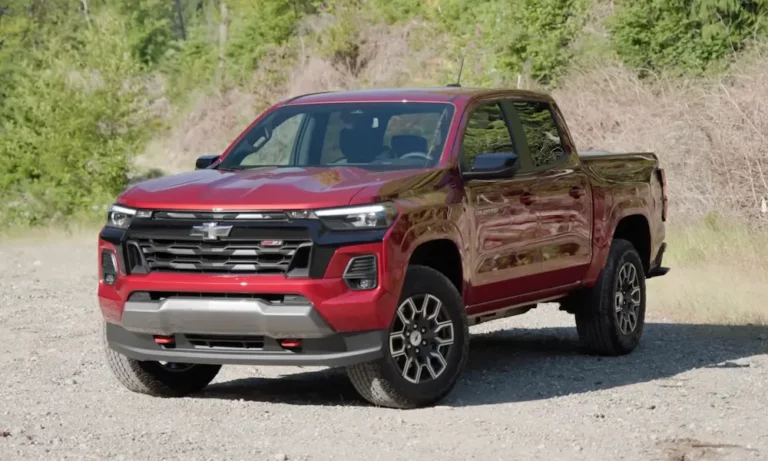
Thinking about buying a Chevy Colorado but not sure which year to grab? You’re right to be cautious — some model years are rock-solid workhorses, while others are money pits hiding behind a good-looking grille. This guide breaks down every generation, flags the years to skip, and tells you exactly where the sweet spots are. Read to the end — the final recommendations could save you thousands.
A Quick Look at the Colorado’s Three Generations
Before diving into specific years, it helps to know the big picture. The Chevy Colorado has gone through three distinct generations, each with its own personality, problems, and strengths.
- Gen 1 (2004–2012): GMT355 platform, Atlas engines, utilitarian focus
- Gen 2 (2015–2022): GMT31XX platform, bigger and more refined, modern tech
- Gen 3 (2023–present): Complete redesign, single turbocharged engine, software-heavy
Each generation followed the same pattern: rough launch years, followed by a stretch of solid reliability, followed by another redesign that started the cycle all over again. Knowing that pattern is half the battle when hunting for the best years for Chevy Colorado.
First Generation (2004–2012): The Rough Start and the Reliable Finish
Why You Should Skip 2004–2006
The early Colorado looked promising on paper. General Motors partnered with Isuzu to build a modular mid-size truck using the Atlas engine family. But the 2004 and 2005 models hit the road with a serious engineering flaw — the 3.5L L52 inline-five had valve seats that weren’t hardened enough.
The result? Valve recession. That means compression loss, misfires, and a check engine light that basically moves in permanently. Most owners faced a full cylinder head rebuild well before 100,000 miles. Add in corroded undercarriage components, HVAC blower failures, and emissions sensor gremlins, and the 2004–2006 Colorado is a hard pass.
First-Gen Engine Breakdown
| Engine Code | Years | Displacement | Horsepower | Key Problem |
|---|---|---|---|---|
| LK5 | 2004–06 | 2.8L I4 | 175 hp | Soft valve seats, oil consumption |
| L52 | 2004–06 | 3.5L I5 | 220 hp | Head gasket, valve seat recession |
| LLV | 2007–12 | 2.9L I4 | 185 hp | Standard wear after 70k miles |
| LLR | 2007–12 | 3.7L I5 | 242 hp | Minor sensor failures |
| LH8/LH9 | 2009–12 | 5.3L V8 | 300 hp | Low fuel economy, high durability |
Why 2009–2012 Are the Hidden Gems of Gen 1
Starting in 2007, Chevrolet updated both engines with hardened valve seats and revised casting processes. That single fix eliminated the head failure problem that plagued the early years. The 2.9L and 3.7L engines that replaced the old units are genuinely tough — most problems don’t show up until after 70,000 miles, and repairs typically run under $1,000.
Then in 2009, Chevy dropped a 5.3L V8 into the Colorado. Three hundred horsepower, 320 lb-ft of torque, and serious towing capacity at a budget price. For buyers who need a capable truck without the modern sticker shock, the 2009–2012 Colorado is one of the most underrated picks in the used market.
Bottom line on Gen 1: Avoid 2004–2006 completely. Target 2009–2012 for the best combination of reliability, towing, and value.
Second Generation (2015–2022): Where It Gets Interesting
The 2015–2016 Growing Pains
After a three-year North American hiatus, the Colorado returned for 2015 on an all-new platform — bigger, quieter, and loaded with more tech. Buyers loved it at first. Then the issues started rolling in.
The most alarming problem on 2015 and 2016 models involved the power steering. Corroded electrical connections inside the steering rack caused sudden, unexpected loss of power assist — especially at low speeds. This isn’t a comfort issue; it’s a safety issue. NHTSA recall 21V-213 covered over 60,000 units because of this exact problem.
The 6-speed automatic transmission paired with the 3.6L V6 also drew heavy criticism. Owners reported clunking, sluggish shifts, and a general roughness that felt out of place in an otherwise refined cabin.
The 2017–2018 Transmission Shudder Problem
Chevrolet upgraded to a new 3.6L LGZ V6 and an 8-speed automatic (8L45) for 2017. Sounds like progress — and it mostly was. But a new problem emerged that became the Colorado’s most talked-about issue: transmission shudder.
Owners described a vibration that felt like driving over rumble strips, occurring between 25 and 80 mph during light throttle application. Technical investigations traced the issue to the Dexron VI transmission fluid, which absorbed moisture over time and degraded the friction-modifying properties needed for the torque converter clutch.
Chevrolet issued TSB 18-NA-355, which mandated a full triple-flush using Mobil 1 Synthetic LV ATF HP (Blue Label) fluid.
| Transmission Shudder Fix — Key Details | |
|---|---|
| Affected Transmission | 8L45 (8-Speed Automatic) |
| Speed Range of Shudder | 25–80 MPH |
| Correct Fluid | Mobil 1 Synthetic LV ATF HP (Blue Label) |
| Fix Procedure | Triple fluid flush |
| Factory Fix Integrated | Mid-2019 production |
If you’re looking at a 2017 or 2018 Colorado with the V6, don’t buy it without documented proof of that fluid flush. No paperwork? Walk away. By mid-2019, Chevrolet integrated the corrected fluid at the factory level, making 2019 and later models substantially more reliable.
The 2.8L Duramax Diesel: Great Engine, Complicated Life
Introduced in 2016, the 2.8L Duramax diesel is an impressive piece of engineering. It offers 7,700 pounds of towing capacity and outstanding highway fuel economy — often exceeding 30 mpg. The engine itself can last well past 200,000 miles.
The catch? It’s surrounded by emissions hardware that demands attention:
- DPF and EGR clogging: Short city trips don’t allow the exhaust to reach regeneration temperatures. A clogged DPF leads to a dirty EGR, which suffocates the engine — mechanics call this the “Soot Death Spiral.”
- DEF system failures: Cold weather can freeze the Diesel Exhaust Fluid heater and trigger limp mode, leaving you stranded.
- Timing belt replacement at 150,000 miles: Unlike the gas engines, the diesel uses a rubber timing belt. Skip this service and you’re looking at catastrophic engine damage.
- 2016–2017 injector failures: Early diesel units had injector problems that could damage the engine block. This was largely corrected in 2018 and later models.
If you drive mostly highways and will commit to strict maintenance, the 2019–2022 diesel Colorado is a strong choice. If your commute is stop-and-go city driving, stick with the gas engines.
Why 2019–2021 Are the Best Years for Chevy Colorado in Gen 2
Once Chevrolet ironed out the transmission fluid issues and steering recalls, the second-gen Colorado hit its stride. The 2019 through 2021 model years represent the peak of this platform for several reasons:
- Standard Apple CarPlay and Android Auto with the improved Infotainment 3 system
- Factory-corrected 8-speed transmission fluid from day one
- The ZR2 trim reached full maturity, using Multimatic DSSV dampers that deliver ride quality closer to a luxury SUV than a work truck
- J.D. Power rated the 2021 Colorado at 87/100 for Quality & Reliability — a high-water mark for this entire generation
Bottom line on Gen 2: Skip 2015–2016. Approach 2017–2018 with caution and demand proof of the transmission flush. Buy confidently from 2019–2021.
Third Generation (2023–Present): Great Truck, Rough Launch
The 2023 Redesign and Its Early Problems
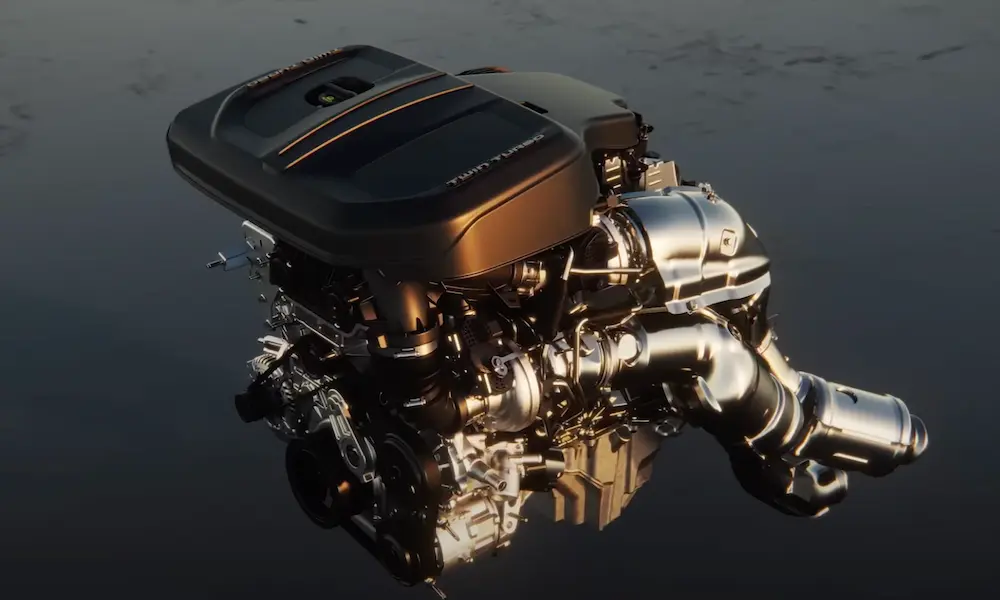
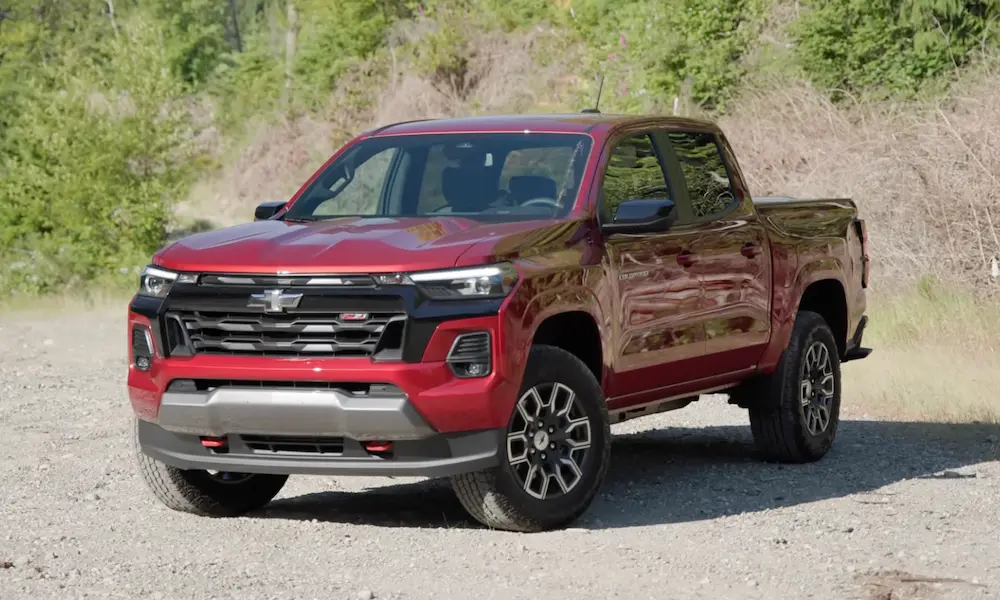
The 2023 Colorado arrived with serious buzz. New platform, redesigned interior, and a single 2.7L turbocharged four-cylinder engine replacing the entire previous lineup. MotorTrend eventually named it the 2024 Truck of the Year, and for good reason — the engineering leap was significant.
But first-year buyers hit some frustrating snags:
- OTA update loop: The over-the-air update system could get stuck in an infinite loop, draining the 12-volt battery while the truck sat parked. Owners came back to dead trucks needing dealer resets.
- Unseated fuses: Initial production units had quality control issues where up to a third of engine bay fuses weren’t fully seated, causing random electrical glitches, blind-spot monitor failures, and flickering gauges.
These aren’t catastrophic mechanical failures, but they’re annoying — and they make the 2023 a riskier buy than what came after it.
The 2.7L TurboMax Engine: Spec Sheet
| Trim Level (2024) | Engine | Horsepower | Torque (lb-ft) | Max Towing |
|---|---|---|---|---|
| WT / LT | 2.7L Turbo | 237 hp | 260 lb-ft | 3,500 lbs |
| Trail Boss / Z71 | 2.7L TurboMax | 310 hp | 430 lb-ft | 7,700 lbs |
| ZR2 | 2.7L TurboMax | 310 hp | 430 lb-ft | 6,000 lbs |
The torque numbers on the TurboMax are staggering for a four-cylinder. At 430 lb-ft, it surpasses both the old V6 and the diesel option. For 2025, Chevrolet made the 310-hp TurboMax standard across all trims — no more low-output versions.
Why 2024–2025 Beat the 2023
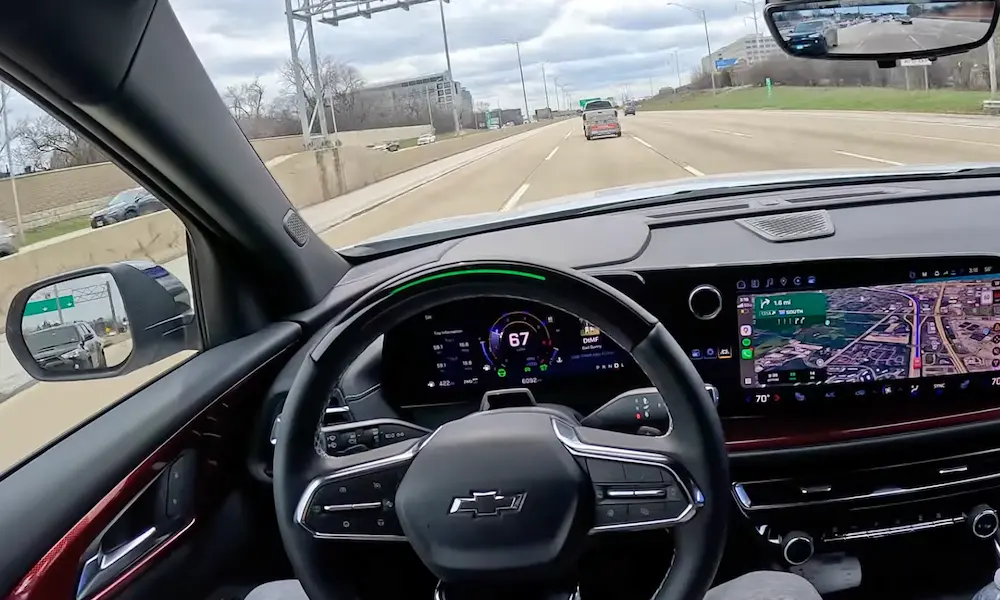
The 2024 and 2025 models include software patches that address the OTA loop and parasitic battery drain issues. The 2025 also adds standard blind zone steering assist, a sliding rear window, and rear defroster on more trims. If you want the third-generation Colorado, skip the first-year 2023 and grab a 2024 or 2025.
Reliability and Running Costs at a Glance
RepairPal ranks the Colorado as “Above Average” in its class, sitting around 4th out of 7 major mid-size truck competitors.
| Metric | Chevy Colorado | Segment Average |
|---|---|---|
| Annual Repair Cost | $599 | $548 |
| Shop Visits Per Year | 0.2 | 0.2 |
| Probability of Severe Repair | 13% | 13% |
| RepairPal Rating | 4.0/5.0 | 4.0/5.0 |
The most common repairs across all model years include:
- AC blower motor failure — usually a bad resistor, common across all generations
- Fuel level sensor malfunction — inaccurate gauge readings, common on Gen 1 and early Gen 2
- Oil consumption — some 2015–2017 units burn up to 2 quarts per 3,000 miles without visible leaks
On the upside, J.D. Power gives the 2024–2025 Colorado a Resale score of 97/100, making it one of the better value holds in the mid-size segment.
The Bottom Line: Which Year Should You Actually Buy?
Here’s the short version based on your budget and priorities:
Under $10,000 — Buy a 2009–2012
Simple, mechanical, easy to maintain yourself. The 5.3L V8 option is a genuine bargain for anyone who needs real towing power on a tight budget.
$15,000–$30,000 range — Buy a 2019–2021
This is the sweet spot for most buyers. Proven reliability, modern tech, resolved transmission issues, and strong resale value. The 2021 model is the top pick in this bracket.
Off-road focused — Buy a 2019+ ZR2
The Multimatic suspension on the ZR2 is genuinely special. Avoid the 2017–2018 versions unless you can verify the transmission flush was completed correctly.
Want the latest tech — Buy a 2024 or 2025
Don’t touch the 2023. The 2024 fixes the software bugs, and the 2025 standardizes the full 310-hp engine across every trim.
Years to avoid, full stop:
- 2004–2005: Soft valve seats, expensive cylinder head failures
- 2015–2016: Steering rack recall, unrefined transmission
- 2017–2018 (unverified): Transmission shudder unless the Blue Label fluid flush is documented
- 2016–2017 diesel: Early injector failures that can damage the engine block
- 2023: OTA loop and unseated fuse quality control issues
The Chevy Colorado has earned its reputation as a capable, reliable mid-size truck — but only when you pick the right year. Stick to the windows of refinement, avoid the launch-year headaches, and you’ll get a truck that’ll run well past 200,000 miles without draining your wallet.