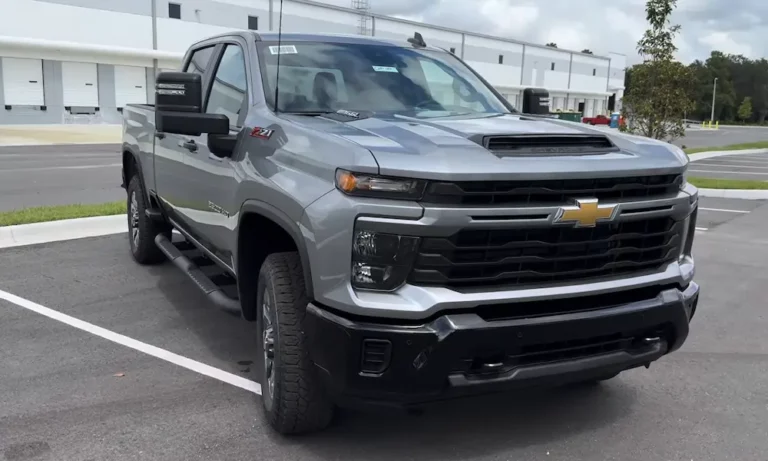
Is your Chevy truck’s 4-wheel drive acting up? You press that 4WD button and… nothing happens? You’re likely facing a problem with your 4WD actuator. Instead of paying hundreds at a shop, you might want to consider a Chevy 4WD actuator bypass. This guide walks you through everything from understanding what’s happening to fixing it yourself with simple tools you probably already have in your garage.
What Is a Chevy 4WD Actuator and Why Does It Fail?
The 4WD actuator in your Chevrolet truck is the component that physically engages your front differential when you switch from 2WD to 4WD. It works by extending a plunger that pushes against a collar inside the differential, connecting your front axles to transfer power to the front wheels.
These actuators fail for several reasons:
- Age and wear (especially in trucks over 10 years old)
- Exposure to extreme temperatures
- Water and debris contamination
- Electrical issues in the wiring
When your actuator fails, you’ll likely notice your 4WD won’t engage, or you’ll hear clicking noises when trying to shift into 4WD mode.
Signs Your 4WD Actuator Is Failing
Before bypassing anything, make sure the actuator is actually the culprit. Here’s what to look for:
- 4WD indicator light flashes or doesn’t come on
- Truck won’t engage 4WD despite trying multiple times
- Strange clicking or grinding when attempting to shift into 4WD
- 4WD works inconsistently or only in certain weather conditions
- Service 4WD light illuminated on the dashboard
You can do a quick test of your actuator by removing it and checking if it properly extends and retracts when powered.
The “Redneck Fix”: Quick Manual Bypass Method
This is the simplest, no-cost method for bypassing your failed Chevy 4WD actuator. It permanently engages the front differential.
What you’ll need:
- Crescent wrench
- 1″ socket (or similarly sized pipe)
- Jack
- Basic hand tools
Step-by-step process:
- Locate the thermal actuator on your front differential (typically on the passenger side)
- Remove the actuator using your wrench
- Jack up one front wheel to allow movement in the differential
- Use your socket or pipe to manually push the engagement collar into the locked position
- Reinstall the actuator housing without the motor components
This method comes directly from owners who’ve used it successfully on GMT400 platforms and similar models.
Important note: This fix keeps your front driveshaft spinning all the time. While technically you’re still in 2WD until you engage the transfer case, this constant rotation increases wear on your front drivetrain components.
Commercial Bypass Options: Cable-Operated Systems
If you want a more refined solution with the ability to switch between 2WD and 4WD, cable-operated systems like the 4×4 Posi-Lok are your best bet.
Key features:
- Manual control from inside your cab
- Maintains your 4WD indicator lights
- Simple one-inch pull of a cable engages the front axle
- Allows 2WD low range operation
Installation overview:
- Remove the original actuator
- Install the new cable-operated actuator mechanism
- Run the control cable through the firewall to your dash
- Mount the control lever in a convenient location
- Connect the electrical harness to maintain indicator functionality
These systems typically cost between $150-250 depending on your truck model, but they’re much cheaper than replacing the entire actuator assembly and provide reliable, on-demand control.
The installation takes about 2 hours for most DIYers and requires basic tools. There are specific models for different Chevy trucks, including S-Series and K-Series trucks.
Toggle Switch Bypass Method
Some truck owners opt for a simpler electrical bypass using a toggle switch. This method:
- Bypasses the transfer case control module
- Provides direct electrical control of the actuator
- Requires basic wiring knowledge
- May not maintain proper feedback signals for dash lights
The basic approach involves installing a switch that directly powers the actuator when you want 4WD engaged. While simpler than a cable system, this doesn’t fully address mechanical failures in the actuator itself.
Permanent Engagement Systems: Eliminator Kits
If you use 4WD frequently or want the most reliable solution, consider an eliminator kit. These kits completely replace the actuator with a simpler mechanical part that keeps the front axle ready for engagement.
Benefits of eliminator kits:
- Front driveline turns whenever your front wheels move
- Eliminates the lag time associated with thermal actuators
- 4WD mode is still controlled at the transfer case
- No need for forward motion to engage 4WD
Several manufacturers offer these kits, including LMC Truck, with prices ranging from $100-150.
Installation considerations:
- These kits will make your front driveshaft spin continuously
- Requires careful maintenance of driveshaft joints and front differential
- May slightly reduce fuel economy
- Installation is typically straightforward, requiring removal of the old actuator and installation of the new fixed component
This option is popular among GMT400 owners who frequently use their trucks in off-road conditions.
Detailed Installation Guide for Cable-Operated Systems
Since cable-operated systems like the 4×4 Posi-Lok offer the best balance of functionality and reliability, here’s a detailed installation guide:
Tools needed:
- Socket set and wrenches
- Drill with bits (for mounting the control lever)
- Wire cutters/strippers
- Jack and jack stands
- Drain pan (in case differential fluid leaks)
Step-by-step installation:
- Preparation:
- Park on level ground
- Disconnect the battery
- Engage parking brake
- Place wheel chocks behind rear tires
- Remove the original actuator:
- Locate the actuator on the front differential
- Disconnect the electrical connector
- Unscrew and remove the actuator (usually 3 bolts)
- Note the orientation of the actuator for reference
- Install cable mechanism:
- Install the new actuator housing in the same orientation
- Tighten housing bolts to specifications (typically 15-20 ft-lbs)
- Route the cable along the frame rail, securing with zip ties
- Avoid proximity to exhaust components or sharp edges
- Install the control lever:
- Choose a convenient location under the dash
- Drill mounting holes
- Secure the lever mechanism
- Ensure smooth operation without interference
- Connect the electrical harness:
- Follow the provided wiring diagram
- Connect to the original actuator wiring
- Ensure proper connections for indicator lights
- Secure all wiring with ties to prevent rattling
- Test the system:
- Reconnect the battery
- Pull the lever to engage 4WD
- Verify the 4WD indicator light works
- Test in both 2WD and 4WD on a suitable surface
The complete installation instructions can be found in product documentation.
Compatibility Table for Chevy 4WD Actuator Bypass Methods
| Truck Model | Years | Redneck Fix | Cable System | Toggle Switch | Eliminator Kit |
|---|---|---|---|---|---|
| C/K Series | 1988-1998 | ✓ | ✓ | ✓ | ✓ |
| Silverado | 1999-2007 | ✓ | ✓ | ✓ | ✓ |
| S10/S15 | 1982-2004 | ✓ | ✓ | ✓ | ✓ |
| Blazer/Jimmy | 1982-2005 | ✓ | ✓ | ✓ | ✓ |
| Colorado | 2004-2012 | ✗ | ✓ | ✓ | ✗ |
| Tahoe/Suburban | 1992-2006 | ✓ | ✓ | ✓ | ✓ |
Cost Comparison of Bypass Methods
| Method | DIY Cost | Professional Installation | Pros | Cons |
|---|---|---|---|---|
| Redneck Fix | $0 | $75-150 | Free, quick, no special parts | Permanent engagement, increased wear |
| Cable System | $150-250 | $250-350 | Manual control, maintains indicators | Requires more installation time |
| Toggle Switch | $20-40 | $100-200 | Low cost, electrical control | May not work with mechanical failures |
| Eliminator Kit | $80-150 | $150-250 | Simple, reliable | Permanent driveshaft rotation |
Troubleshooting After Bypass Installation
If you’ve installed your bypass but are still having issues, check these common problems:
4WD still won’t engage:
- Verify the transfer case is shifting properly
- Check for binding in the cable (for cable systems)
- Inspect the collar inside the differential for damage
- Ensure the bypass is properly seated in the differential
Grinding noises when engaging 4WD:
- This could indicate damaged teeth on the collar
- Try engaging at a complete stop
- Check differential fluid level and quality
Dashboard lights not working correctly:
- Check all electrical connections
- Verify proper grounding
- Some systems may require additional resistors to simulate the original actuator
Detailed actuator testing can help diagnose issues before and after bypass installation.
Maintenance After Bypass Installation
After installing any type of bypass, follow these maintenance tips:
- Check front differential fluid more frequently – especially for permanent engagement systems
- Inspect u-joints and CV joints regularly – continuous rotation means more wear
- Listen for unusual noises – early indicator of developing problems
- Apply dielectric grease to electrical connections – prevents corrosion
- For cable systems, lubricate the cable annually – ensures smooth operation
Following these steps will maximize the lifespan of your bypass solution and prevent additional drivetrain issues.
Understanding the Impact on Your Truck
Bypassing your 4WD actuator does have some consequences you should understand:
- Fuel economy: Permanent engagement methods may reduce fuel economy by 1-2 MPG
- Drivetrain wear: Components like u-joints, CV joints, and bearings may wear faster
- Turning radius: Some trucks may experience tighter turning when permanently engaged
- Warranty considerations: These modifications likely void any remaining warranty
For most owners with older Chevy trucks, the benefits far outweigh these considerations, especially when the alternative is an expensive actuator replacement or being stuck without 4WD capability.
With the information in this guide, you’re now equipped to tackle your Chevy 4WD actuator problems with a bypass solution that fits your needs, skills, and budget. Whether you choose the quick and free “redneck fix” or invest in a more refined cable system, you’ll be back in 4WD and ready for whatever terrain lies ahead.