Your Chevy’s throwing a check engine light and you’re pretty sure it’s the knock sensors? You’re dealing with one of the most common issues on 6.0L engines. The location depends entirely on which generation engine you’ve got, and knowing the difference can save you hours of frustration.
What Makes Chevy 6.0 Knock Sensor Location Tricky
The Chevy 6.0 knock sensor location varies dramatically between engine generations. This isn’t just a minor difference – we’re talking completely different access points and repair procedures.
Gen 3 engines (1999-2007) hide their knock sensors deep in the valley under the intake manifold. Gen 4 engines (2007+) moved them to the sides of the block for easier access. If you don’t know which generation you’re working on, you’ll be searching in all the wrong places.
Your engine code determines everything about this repair. Let’s break down exactly where to find these sensors on your specific engine.
Gen 3 Engines: Valley-Mounted Knock Sensors (LQ4 and LQ9)
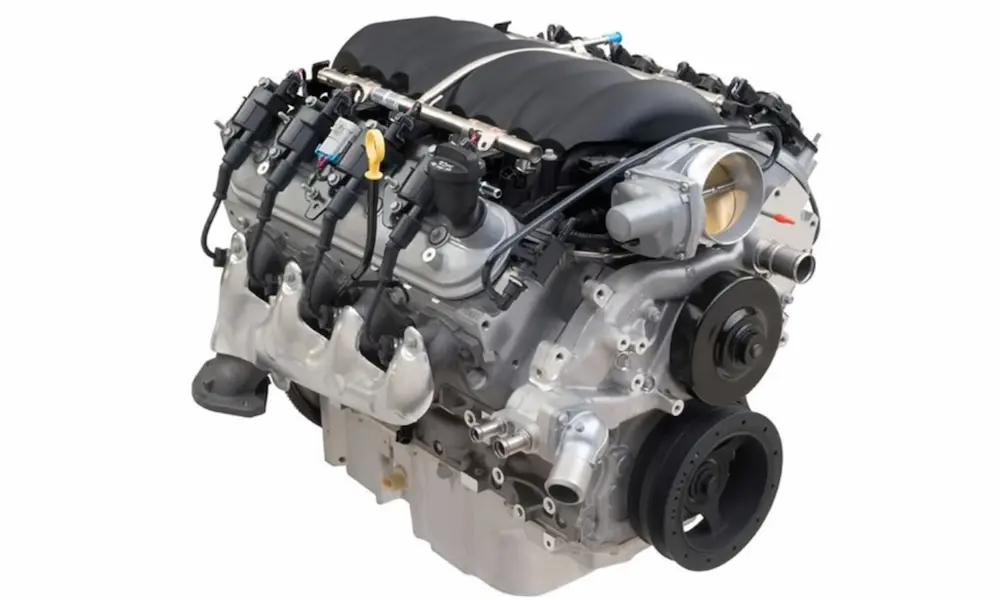
Gen 3 6.0L engines put both knock sensors in the worst possible spot – buried in the valley under the intake manifold. These engines include the LQ4 (standard output) and LQ9 (high-performance VortecMAX variant).
Exact Location on Gen 3 Engines
Both sensors sit in dedicated wells within the valley cover, threaded directly into the engine block. You can’t see them without removing the upper intake manifold completely. They’re positioned side by side in the center valley area.
The Chevy 6.0 knock sensor location on Gen 3 engines makes this repair a major undertaking. You’re looking at removing the entire upper intake system just to access two sensors that cost $50 each.
Why Gen 3 Location Causes Problems
Valley-mounted sensors create a perfect storm for failure. Water gets trapped under the intake manifold, causing sensor corrosion and wire harness deterioration. The sealed environment holds moisture, leading to recurring codes even after sensor replacement.
Many techs find corroded wiring harnesses that need complete replacement. The GM part #91733 harness kit addresses this common issue, but it adds cost and complexity to what should be a simple sensor swap.
Gen 4 Engines: Block-Side Mounted Configuration
Gen 4 engines finally got it right by moving knock sensors to the sides of the engine block. This includes LY6, L76, and L96 engine codes from 2007 onward.
Exact Location on Gen 4 Engines
Gen 4 knock sensors mount on threaded bosses on the lower sides of the engine block, near the oil pan area. You can access them from underneath the vehicle without removing any major components.
The relocation happened because Active Fuel Management (AFM) and Variable Valve Timing (VVT) systems required different valley cover designs. GM used this opportunity to fix the accessibility nightmare of Gen 3 engines.
Access and Service Advantages
This Chevy 6.0 knock sensor location makes Gen 4 repairs much simpler. You can typically complete the job in under two hours instead of the 4-6 hours required for Gen 3 engines.
No intake manifold removal means fewer things can go wrong during the repair. You’re not dealing with vacuum lines, fuel injector connectors, or intake gaskets that might need replacement.
Complete Engine Code Breakdown
| Engine Code | Years | Generation | Knock Sensor Location | Key Features |
|---|---|---|---|---|
| LQ4 | 1999-2007 | Gen 3 | Valley-mounted | Iron block, 300-330 HP |
| LQ9 | 2002-2007 | Gen 3 | Valley-mounted | Iron block, 345 HP VortecMAX |
| LY6 | 2007-2010 | Gen 4 | Block-side | VVT, aluminum heads |
| L76 | 2007-2009 | Gen 4 | Block-side | AFM, aluminum block |
| L96 | 2010-2019 | Gen 4 | Block-side | Flex-fuel, HD applications |
Identifying Your Specific Engine Code
Before you start any repair, verify your exact engine code. The 8th digit of your VIN tells you which 6.0L variant you have. You can also find the code stamped on the engine block or on the emissions label under the hood.
Don’t assume based on year alone – there’s overlap between generations where both configurations existed simultaneously. The LY6 started in 2007 while the LQ4/LQ9 continued through 2007 in some applications.
Diagnostic Trouble Codes and Symptoms
Knock sensor failures trigger specific diagnostic trouble codes that help identify which sensor failed:
- P0327: Knock Sensor 1 Circuit Low Input (Bank 1/Front)
- P0332: Knock Sensor 1 Circuit Low Input (Bank 2/Rear)
Common Failure Symptoms
You’ll notice several symptoms when knock sensors fail:
Check engine light activation – Usually the first sign
Reduced power and acceleration – ECM retards timing as a safety measure
Rough idling – Engine management struggles without knock feedback
Poor fuel economy – Conservative timing maps reduce efficiency
Actual knocking sounds – Though this doesn’t always occur with sensor failure
The engine management system assumes knock is happening when sensors fail, so it pulls timing aggressively. This protects your engine but kills performance until you fix the sensors.
Step-by-Step Replacement Procedures
Gen 3 Engine Replacement Process
Replacing knock sensors on Gen 3 engines requires complete intake manifold removal. Here’s the proper sequence:
Fuel System Preparation
Remove the fuel pump fuse and run the engine until it stalls. This depressurizes the fuel system safely before disconnecting fuel lines.
Component Removal
Strip away engine covers, air intake ducting, and throttle body components. You’ll need clear access to the entire upper intake system.
Electrical Disconnections
Disconnect all fuel injector connectors, vacuum lines, and electrical harnesses connected to the intake manifold. Take photos before disconnection to ensure proper reassembly.
Intake Manifold Removal
Remove intake manifold bolts (typically 8mm) in the reverse of the tightening sequence. The manifold is heavy, so have help when lifting it clear.
Sensor Access and Replacement
With the manifold removed, you’ll see both knock sensors in the valley. Use a 13mm socket to remove the old sensors and install new ones.
Gen 4 Engine Replacement Process
Gen 4 engines make this job much easier with their Chevy 6.0 knock sensor location on the block sides:
Vehicle Access
Lift the vehicle and secure it safely. You’ll be working from underneath to reach the sensors on the block sides.
Sensor Removal
Disconnect the electrical connectors using proper squeeze-tab techniques. Remove sensors with a 13mm socket or wrench.
Installation
Thread new sensors into place and reconnect electrical connections. The entire job typically takes 1-2 hours compared to 4-6 hours for Gen 3 engines.
Critical Torque Specifications
Both generations require the same torque specification for knock sensors: 15 foot-pounds. This isn’t negotiable – improper torque affects sensor calibration and can cause immediate code reoccurrence.
Under-torquing allows sensors to vibrate loose or read incorrectly. Over-torquing can damage the threaded bosses in the engine block, creating expensive repair complications.
Use a calibrated torque wrench for final installation. The relatively low torque requirement means it’s easy to over-tighten with standard ratchets.
Water Intrusion and Corrosion Prevention
Gen 3 Valley-Mounted Sensor Problems
Valley-mounted sensors face constant moisture exposure that leads to premature failure. The sealed environment under the intake manifold traps condensation, creating ideal corrosion conditions.
Sensor Housing Corrosion
Aluminum sensor bodies corrode where they thread into the iron block. This creates poor electrical connections and false readings.
Wire Harness Deterioration
The wiring harness often fails before the sensors themselves. Corroded connections cause intermittent codes that are difficult to diagnose.
Recurring Fault Codes
Many people replace sensors only to have codes return immediately. The real problem is often corroded wiring that needs complete replacement.
Modern Repair Best Practices
Current repair procedures address these common failure modes:
Complete Harness Replacement
Replace the entire knock sensor harness (GM part #91733 or equivalent) during sensor replacement. This prevents recurring issues from corroded wiring.
Valley Sealing
Apply RTV silicone sealant around sensor installations to prevent water intrusion. Clean the valley area thoroughly before reassembly.
Foam Insulation Removal
Remove deteriorated foam insulation strips that trap moisture. These were factory-installed but often cause more problems than they solve.
Performance Impact of Failed Knock Sensors
How Knock Detection Works
Knock sensors function as piezoelectric accelerometers that detect engine knock vibrations. They convert mechanical vibrations into electrical signals that the ECM uses for timing control.
The Engine Control Module processes these signals to:
- Adjust ignition timing in real-time to prevent detonation
- Optimize performance while protecting internal components
- Maintain proper combustion under varying load conditions
Effects of Sensor Failure
When knock sensors fail, the ECM implements conservative timing strategies that significantly impact performance:
Excessive Timing Retardation
Without knock feedback, the ECM assumes knock is occurring and pulls timing aggressively. This can reduce power output by 20% or more.
Reduced Fuel Economy
Conservative timing maps increase fuel consumption as the engine works harder to produce the same power output.
Poor Throttle Response
Retarded timing creates sluggish acceleration and poor throttle response, especially under load.
The engine management system prioritizes protection over performance when sensors fail, so you’ll notice the difference immediately.
Cost Considerations and Parts Selection
Component Costs
Typical replacement costs break down as follows:
Knock Sensors: $50-75 each (AC Delco OEM recommended)
Wiring Harness: $30-50 (frequently required on Gen 3 engines)
Intake Manifold Gaskets: $25-40 (recommended during Gen 3 service)
Labor: 3-5 hours for Gen 3, 1-2 hours for Gen 4
OEM vs Aftermarket Parts
Stick with AC Delco or genuine GM knock sensors when possible. Aftermarket sensors often have different calibration characteristics that can cause codes or poor performance.
The slight cost savings on aftermarket sensors isn’t worth the potential headaches. These sensors need precise calibration to work properly with GM’s engine management systems.
Understanding the Chevy 6.0 knock sensor location for your specific engine generation is crucial for successful diagnosis and repair. Gen 3 engines hide their sensors in the valley requiring major disassembly, while Gen 4 engines offer much better accessibility with block-side mounting.
The key is identifying your exact engine code before starting any work. Whether you’re dealing with an LQ4, LQ9, LY6, L76, or L96, knowing the correct sensor location saves time and prevents unnecessary component removal.
Remember that proper torque specifications, quality OEM parts, and attention to water intrusion prevention are critical for long-term reliability. Gen 3 engines especially benefit from complete harness replacement and improved valley sealing during sensor replacement.
With the right knowledge and approach, you can tackle this common 6.0L issue and get your Chevy running properly again.